
Varmint Grenade
Explosive Performance!
feature By: Clair Rees | April, 13
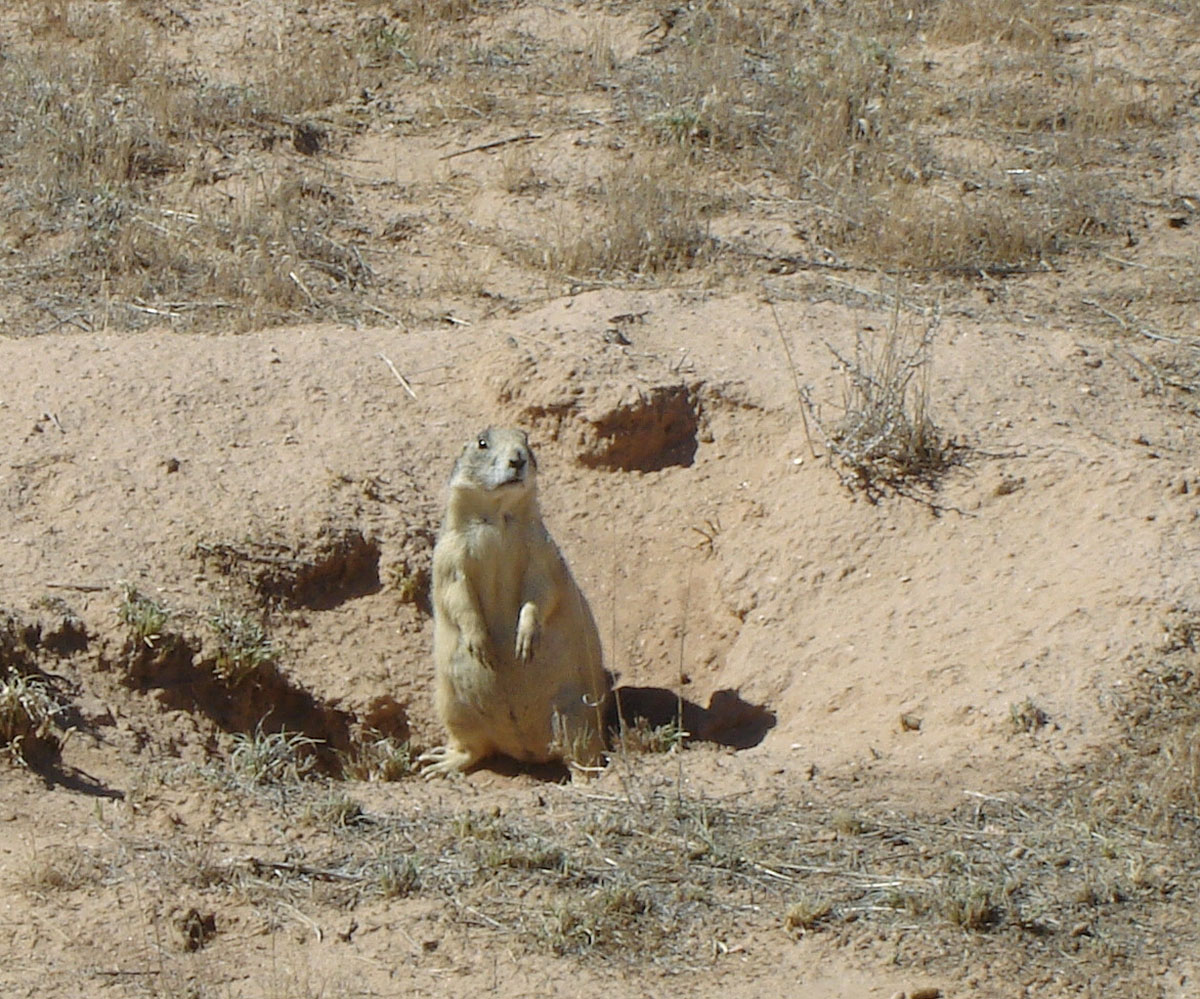
In addition to depleting the local prairie dog population, I and my fellow hunters were testing a brand-new varmint bullet Barnes Bullets was about to introduce – the Varmint Grenade.
The Varmint Grenade truly deserves its militaristic moniker. Earlier, Barnes had received a request from our military to develop a highly frangible projectile. The bullet would be a training round designed to fragment on contact, yielding minimal splash-back on steel targets.
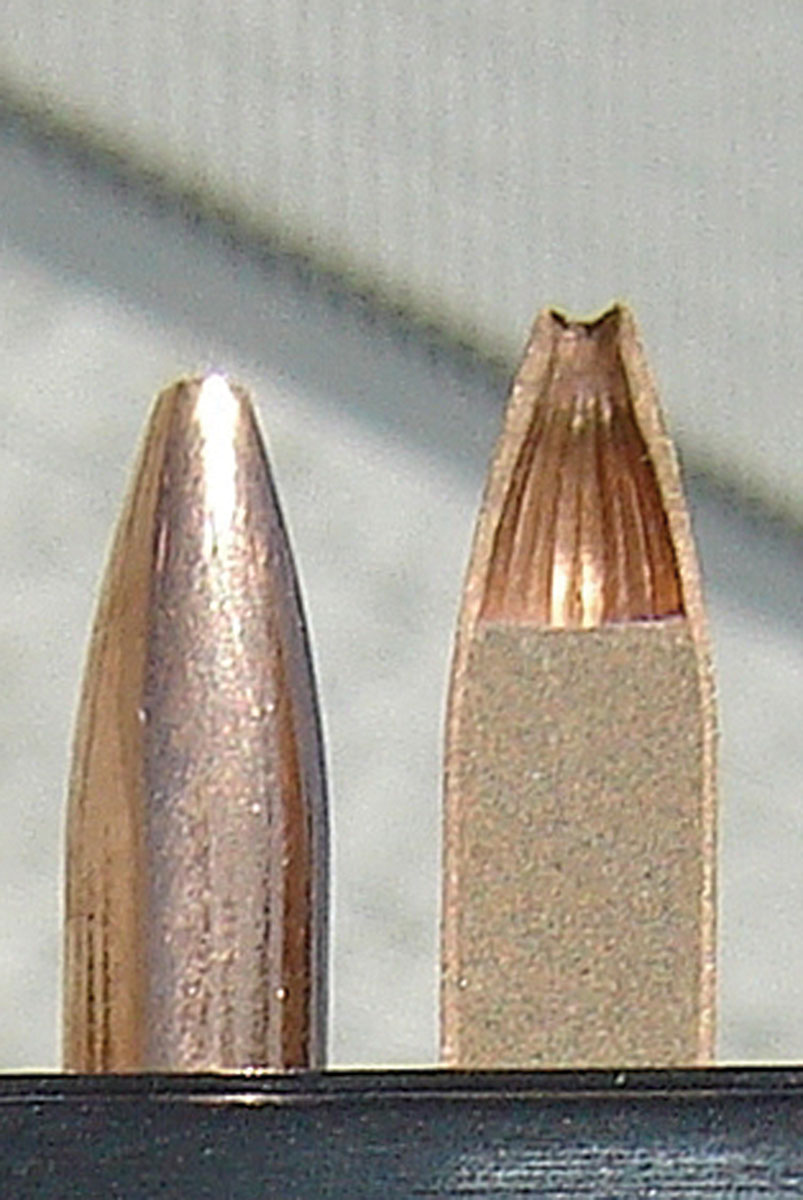
The military also had another demand – the bullet must distribute no lead or other harmful pollutants into the atmosphere. To meet this specification, Barnes built the bullet to its recently adopted MPG™ (Multi-Purpose Green) standard. Containing no lead, the bullet featured a powdered copper/tin composite metal core surrounded by a gilding metal jacket. The hollow nose was designed for rapid expansion, while the inside of the jacket was scribed to help the bullet instantly tear apart.
The military was delighted with the new bullet. In fact, it worked so well it gave the folks at Barnes a great idea. Why not use a similar, highly frangible design featuring the same technology to build a better varmint bullet? The fast-expanding bullet had been proven exceptionally accurate and should be downright deadly on marmots, prairie dogs and coyotes. Because it totally disintegrates on impact, ricochets would be eliminated.
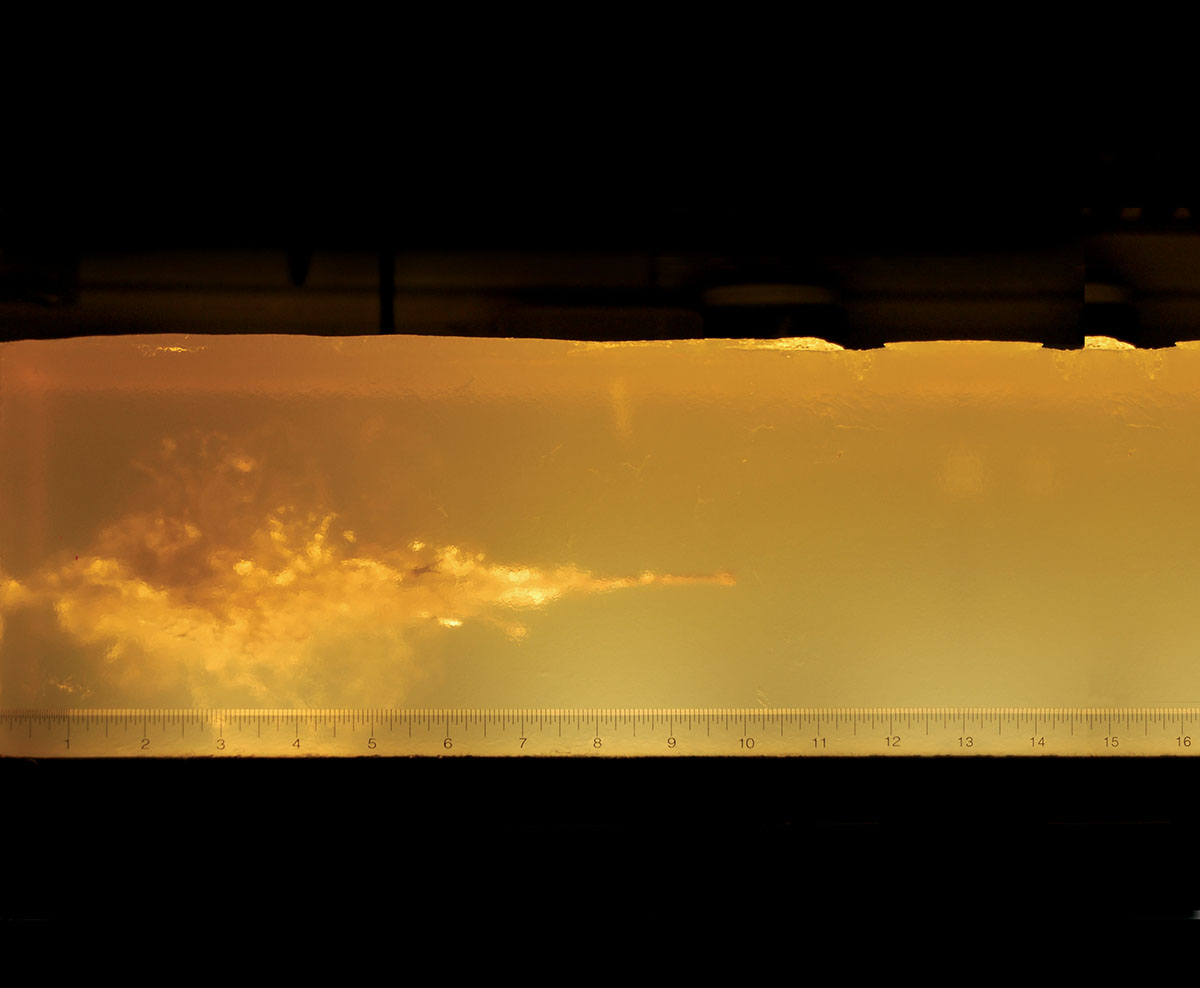
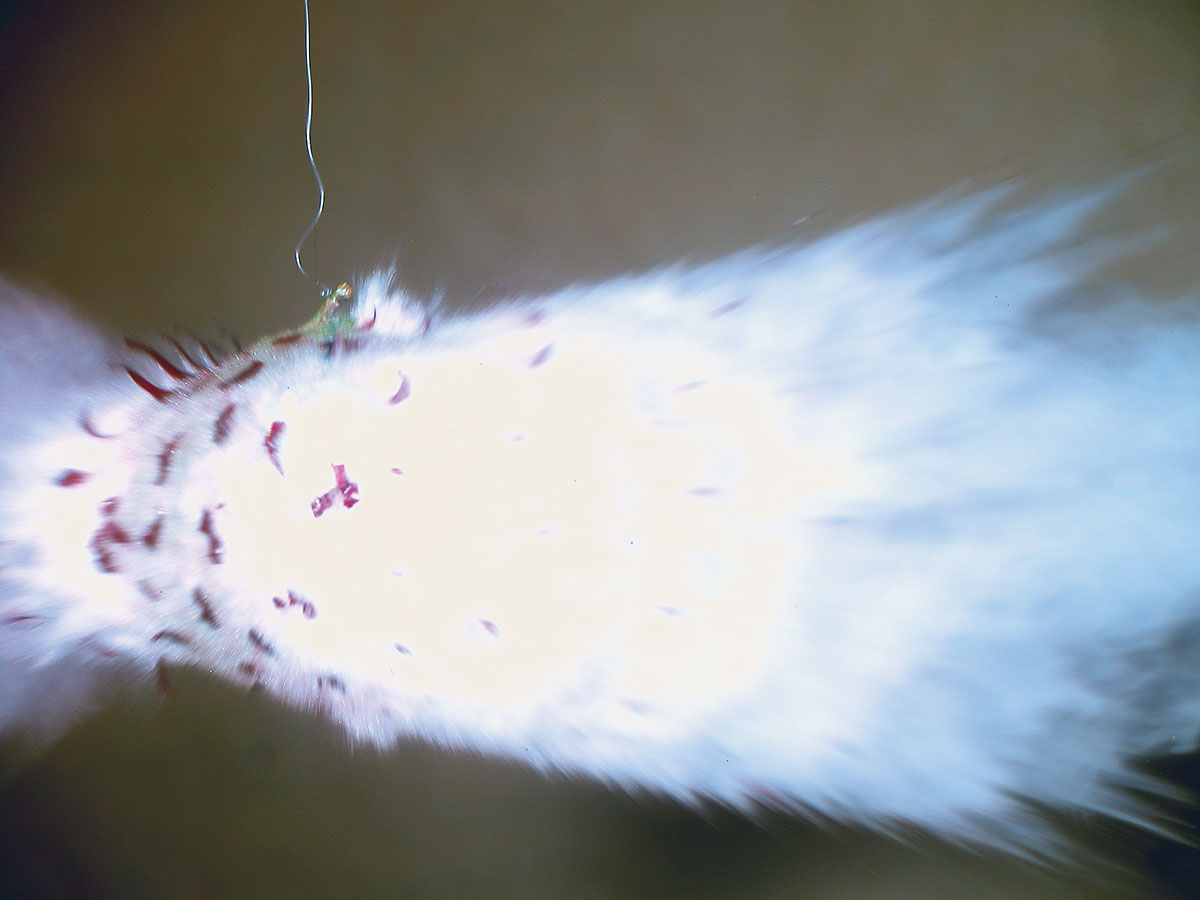
Without detailing exactly how Barnes did it – “There’s no need to educate our competitors,” said Barnes President Randy Brooks – the company tweaked the design of its frangible, lead-free military bullet so it comes apart instantly on impact. The bulk of the fragments penetrate no more than 6 to 8 inches, perfect for prairie dogs and similarly sized critters.
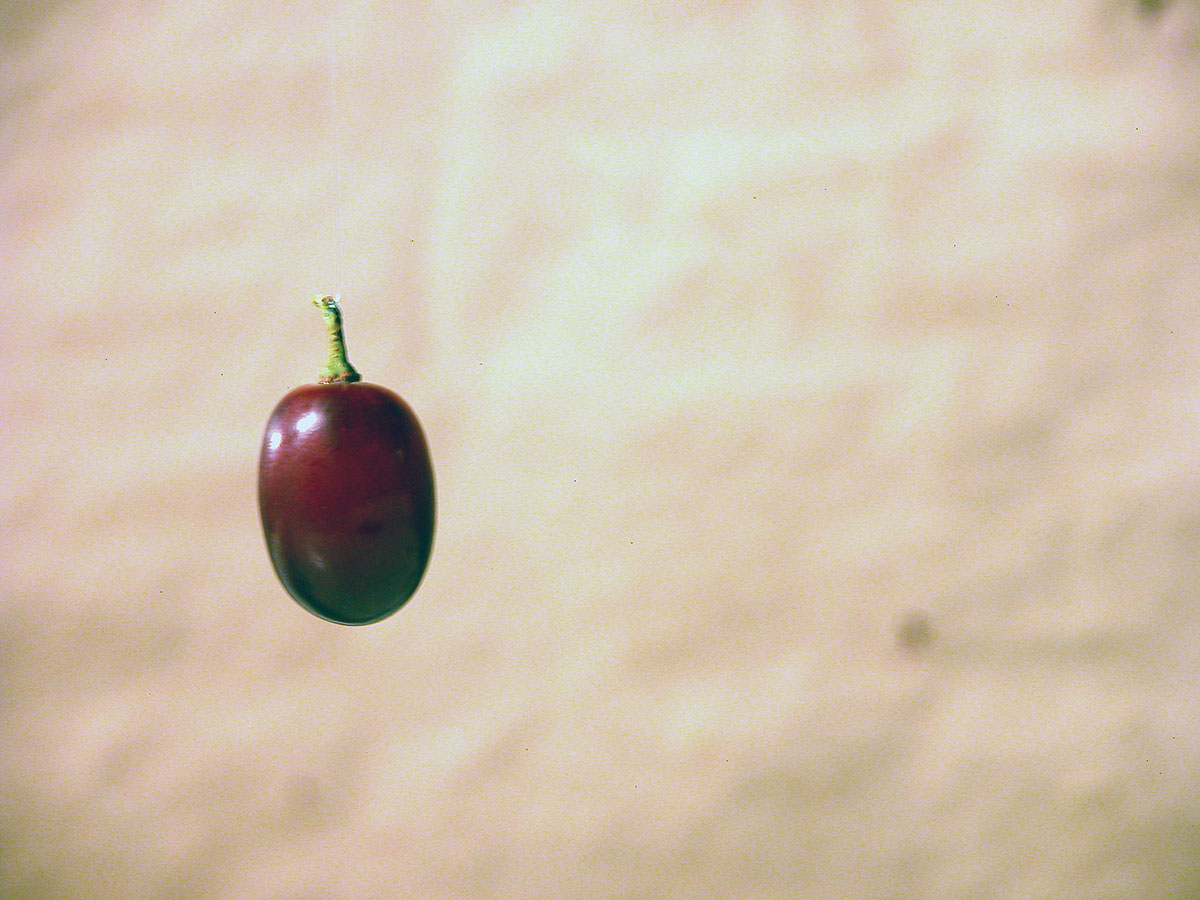
To illustrate this phenomenon, Barnes’s technical guru Tim Janzen suspended a grape, then shot a 36-grain .224-inch Varmint Grenade into it. He used a 22-250 Remington rifle with the bullet impacting at 4,300 fps. (The last photo in the accompanying sequence shows the frangible core flying off in all directions.)

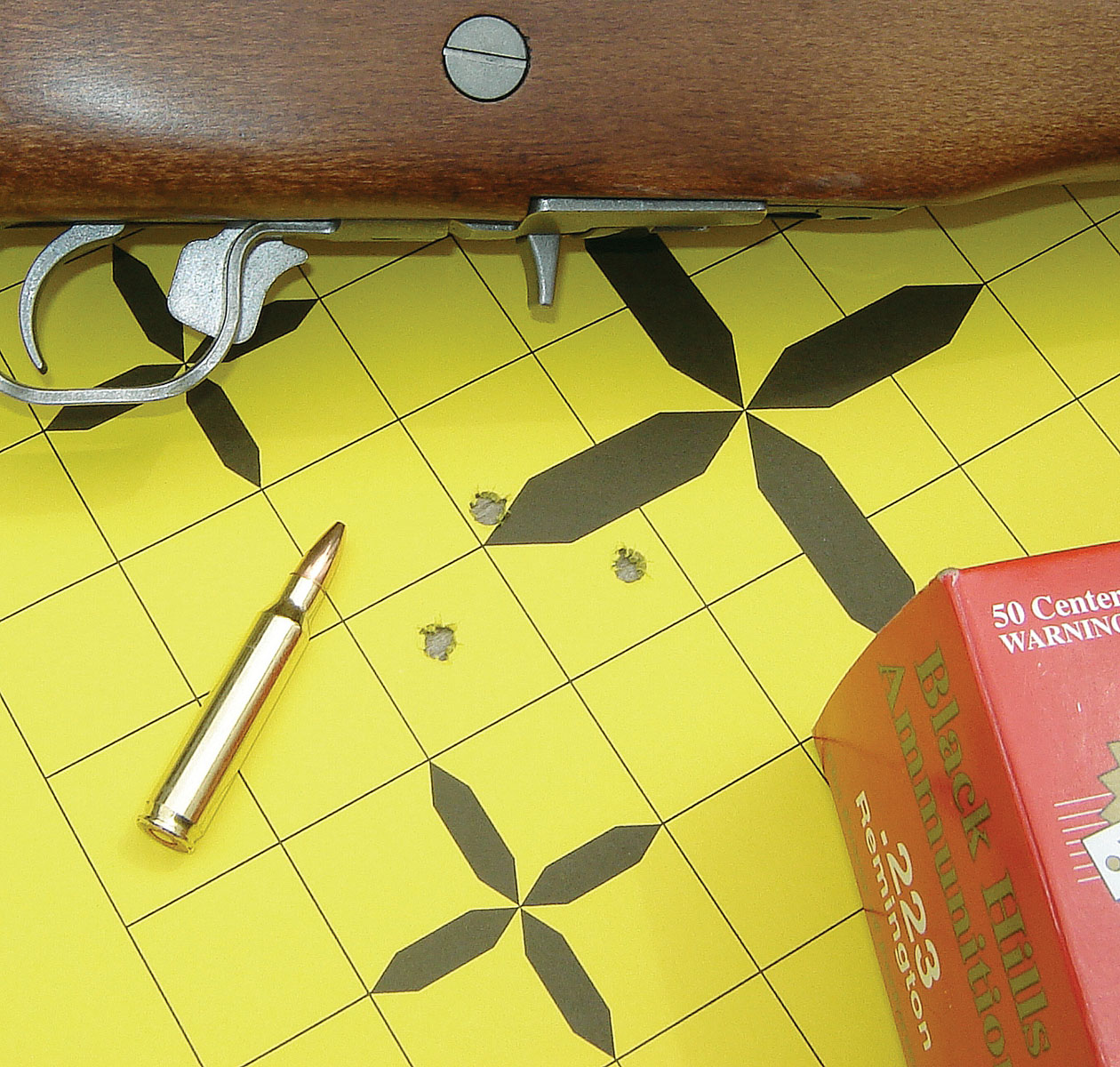
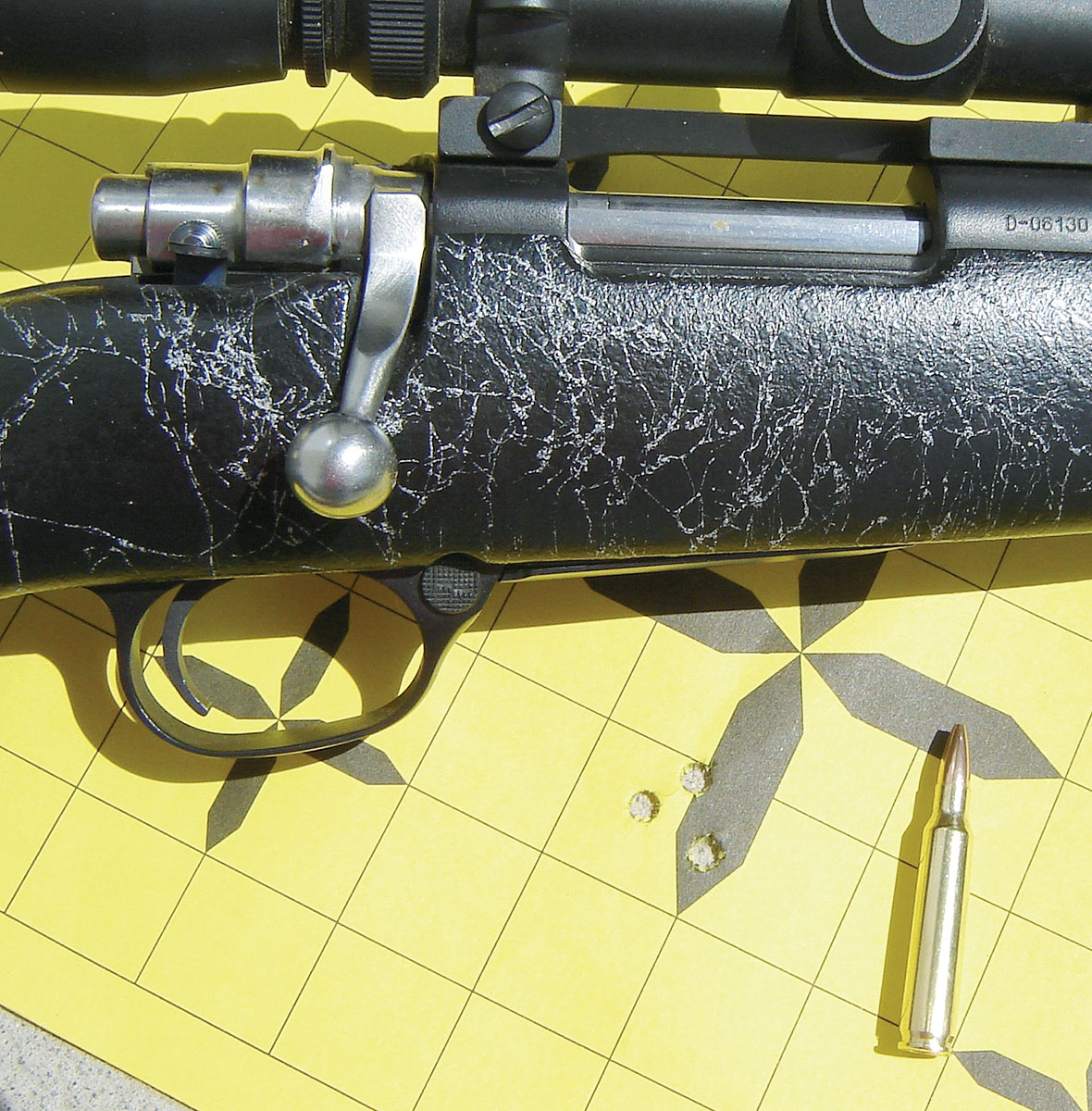
These new, highly frangible bullets delivered excellent accuracy in all the rifles I’ve fired them from. They included a bull-barreled Savage Model 12 that punched .24-inch, three-shot groups from 100 yards, the super-light Charlie Sisk custom 223 that did nearly as well and a Ruger Mini-14 Ranch Rifle that delivered minute-of-angle precision – great performance from an autoloader not noted for benchrest accuracy.
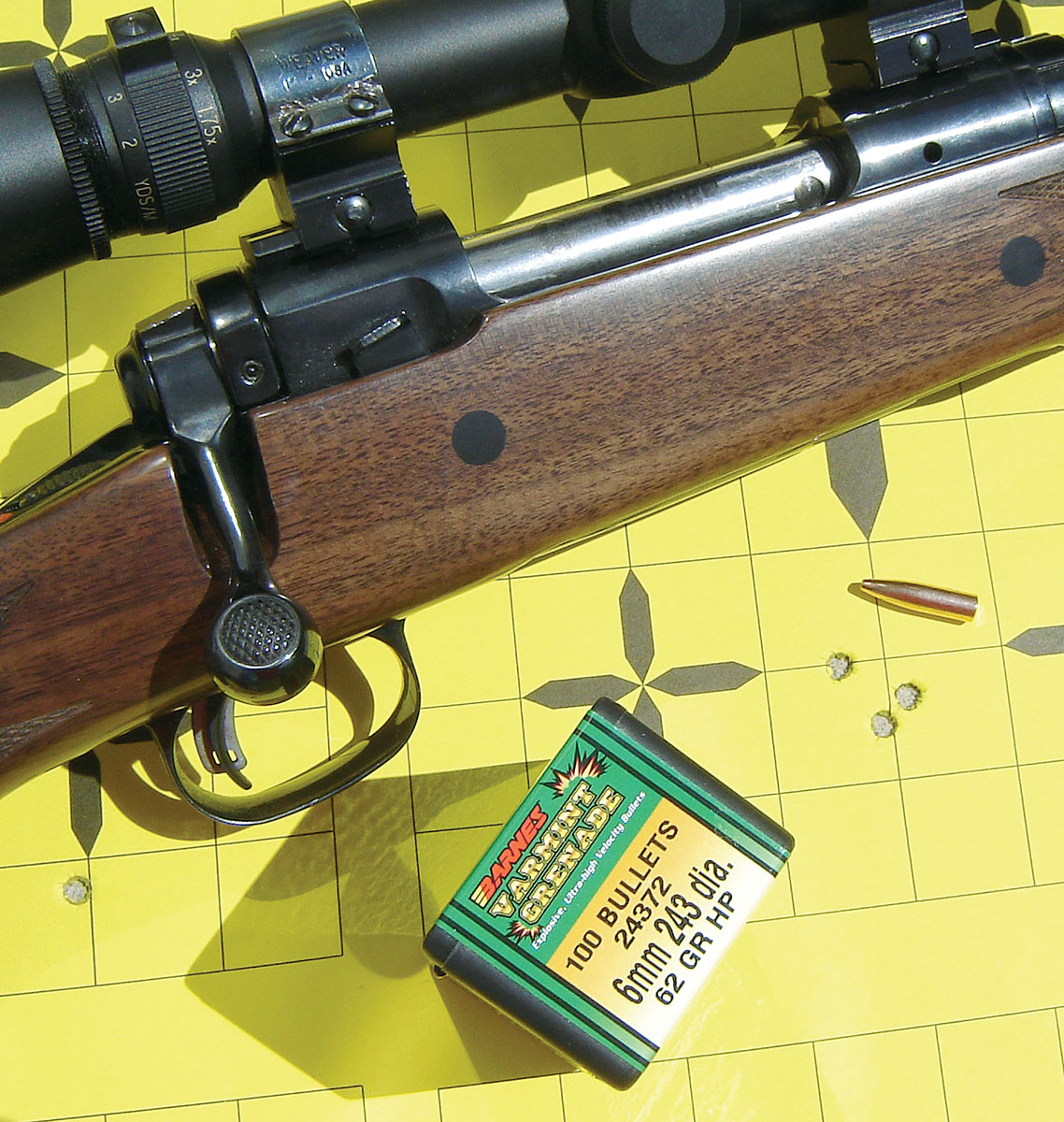
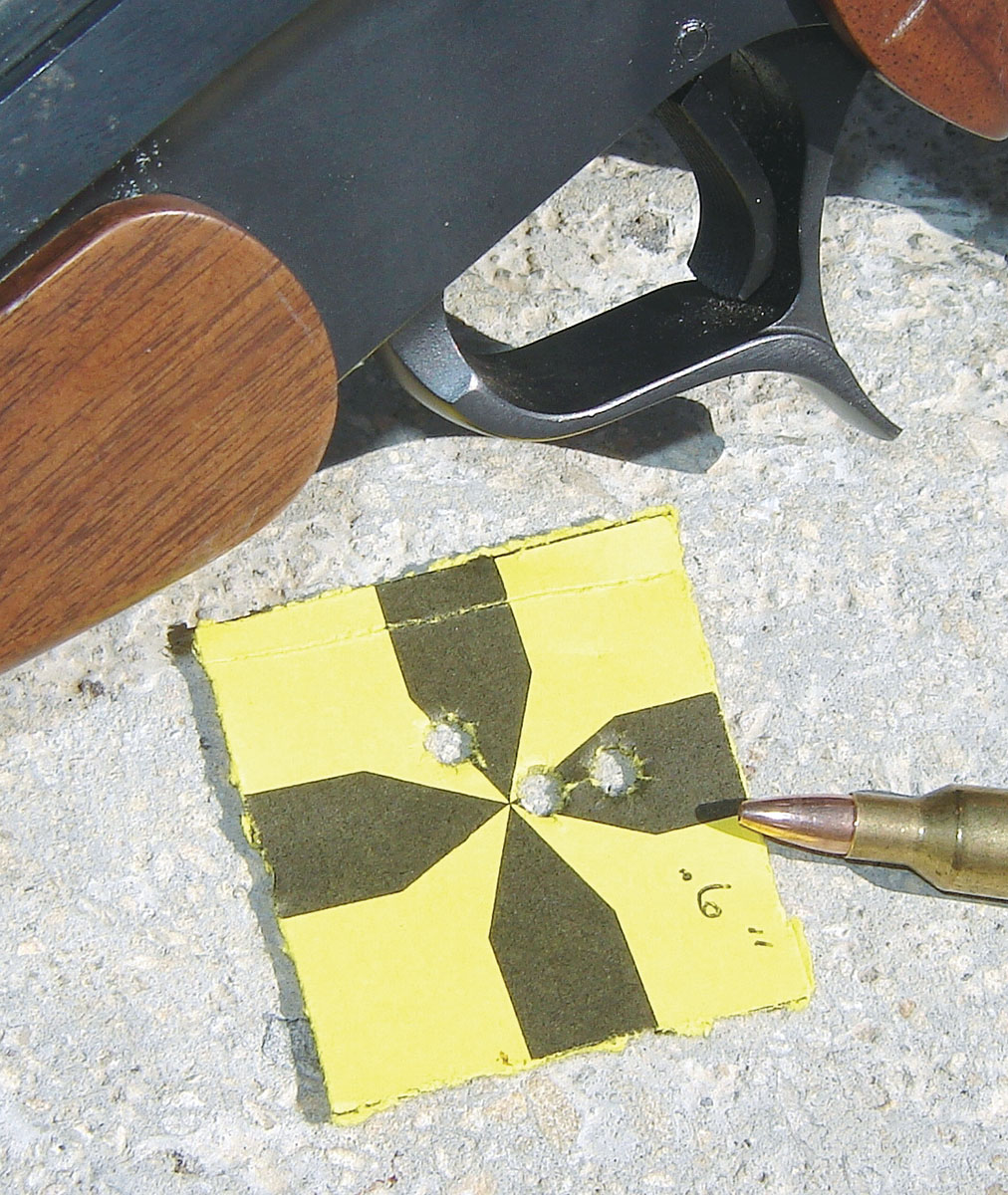
With 243 Winchester handloads pushing 62-grain Varmint Grenades, a light, easy-carrying Classic Model 10 Savage I’ve been using punches .59-inch, three-shot groups. This rifle will accompany me to South Dakota, where I’ll be calling coyotes a few weeks from now.
Varmint Grenade bullets expand so quickly Tim Janzen theorized they would immediately disintegrate inside a coyote or bobcat, leaving no gaping exit wound. Pelt hunters appreciate bullets that do little damage to valuable hides.
After one unproductive calling expedition brought no coyotes in, I teamed up with Ty Herring and tried again the following weekend. Both of us wore full desert camouflage, including multicolored face masks and lightweight mesh gloves. Canines are said to be color-blind, but we were taking no chances.
Instead of using mouth-blown calls, we relied on an electronic PreyMasters unit with a speaker positioned 40 yards upwind. The calling tape I selected mimicked a fawn in distress. I’d used it before with good success.
Minutes after I triggered the call, a fighting-mad doe ran from a grove of aspen trees, eager to trample whatever was tormenting the faux fawn. When she couldn’t find the source of the plaintive bawl, she returned to the woods – only to charge out again the next time she heard the call.
I was worried she’d scare coyotes away. Suddenly raising her head, she stared off to my right, then hurried back into the trees. Minutes later, a coyote materialized, eagerly looking around for the plat du jour. It was an easy 110-yard shot, and the yodel dog died on the spot. There was an exit hole, but it was barely noticeable. The Varmint Grenade had left the pelt in pretty good shape.
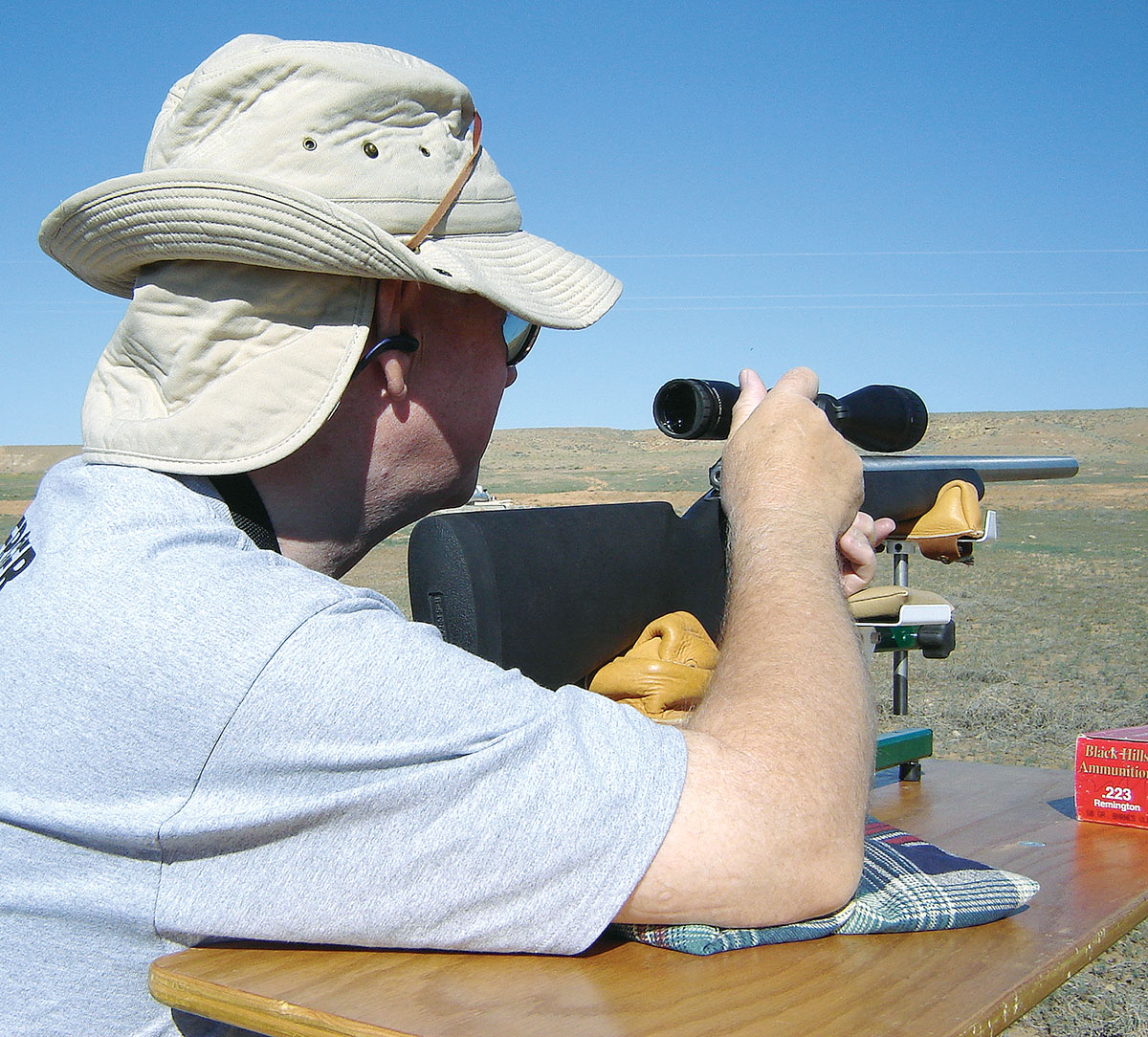
A few weeks later, Tim and I drove to central Wyoming to meet Tim O’Brien, a champion coyote caller who wore a necklace of mouth-blown calls. When we left our hotel the following morning, the wind was blowing 40 mph. That’s not unusual in desert country, but this time the wind blew all day long, without a moment’s letup. The coyotes were smart enough to lie low out of the wind. We weren’t.
The next morning the temperature dropped to 32 degrees, and we drove through a blizzard in the same 40-mph winds. With conditions worse than ever, we weren’t surprised when our luck didn’t change. By noon the snow had quit falling – but if anything, the wind blew harder than ever. When I opened the truck’s door, the wind snatched a good felt hat from my head and carried it across the prairie. The last I saw of the hat it was 20 feet off the ground, headed for the New Mexico border.
Later on, Tim drove to California’s Tejon Ranch, where he finally connected with a yodel dog. The coyote was quartering away, running flat out. Tim swung the rifle ahead of the fleeing coyote, guessing at the lead. When he pulled the trigger, the coyote made a forward somersault onto his back and lay still.
“The bullet hit the coyote in its spine,” Tim said. “While the bullet killed him instantly, it wasn’t a great test of penetration. When I reached the dead animal, I fired another bullet broadside into its chest at point-blank range. I couldn’t find the entrance wound, but the exit hole was about the diameter of my thumb.”
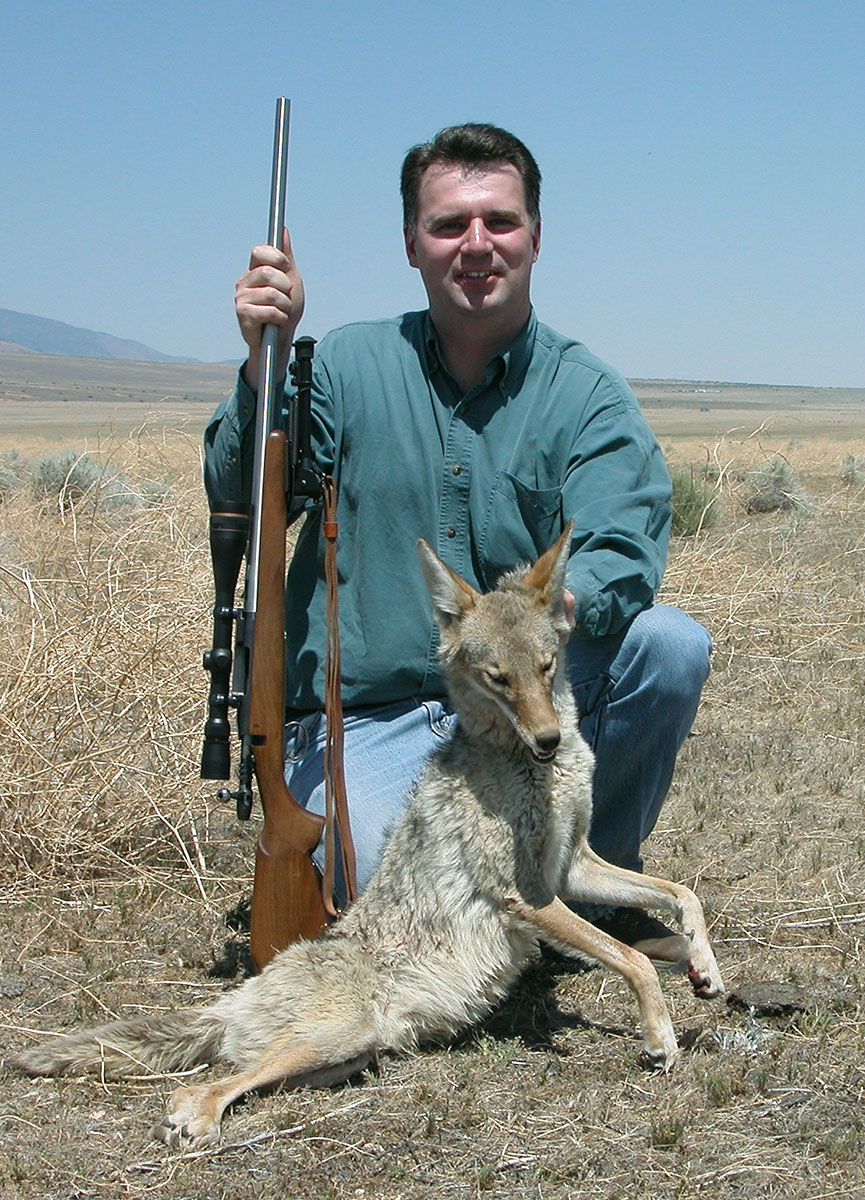
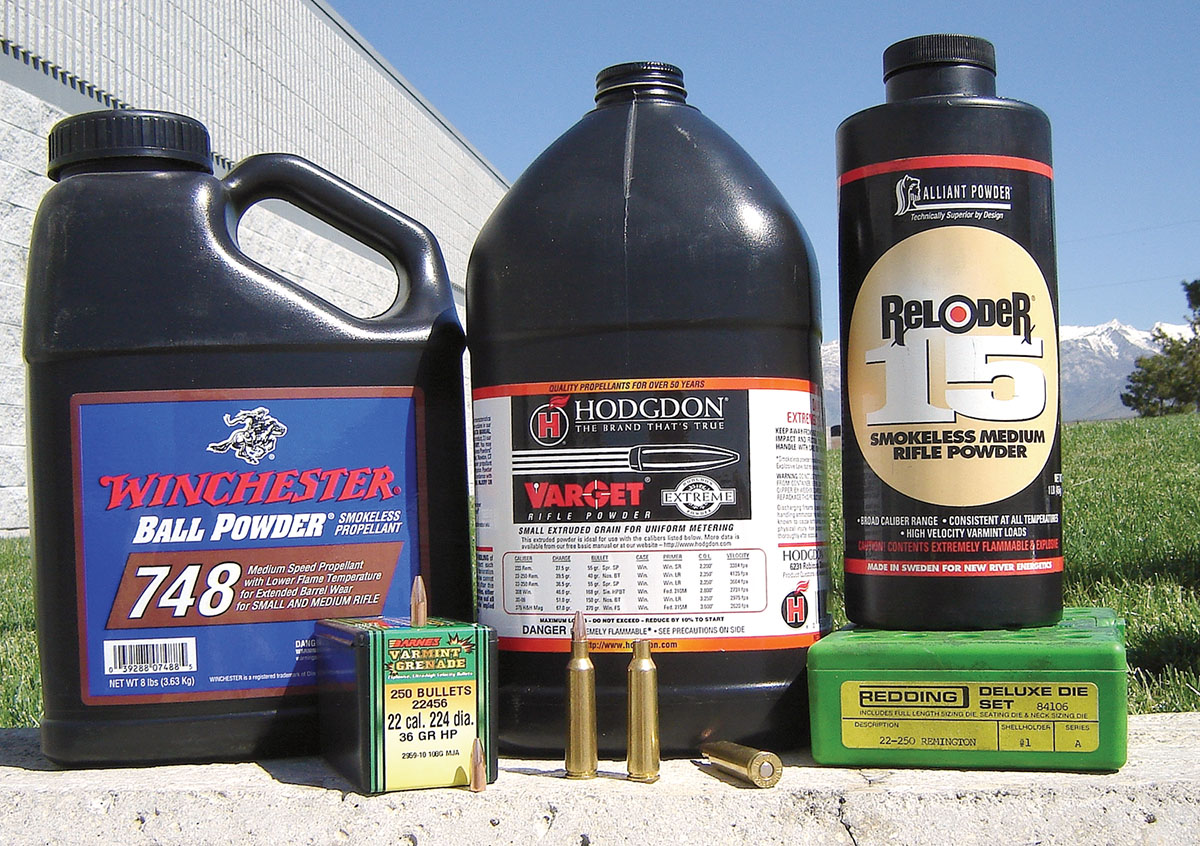
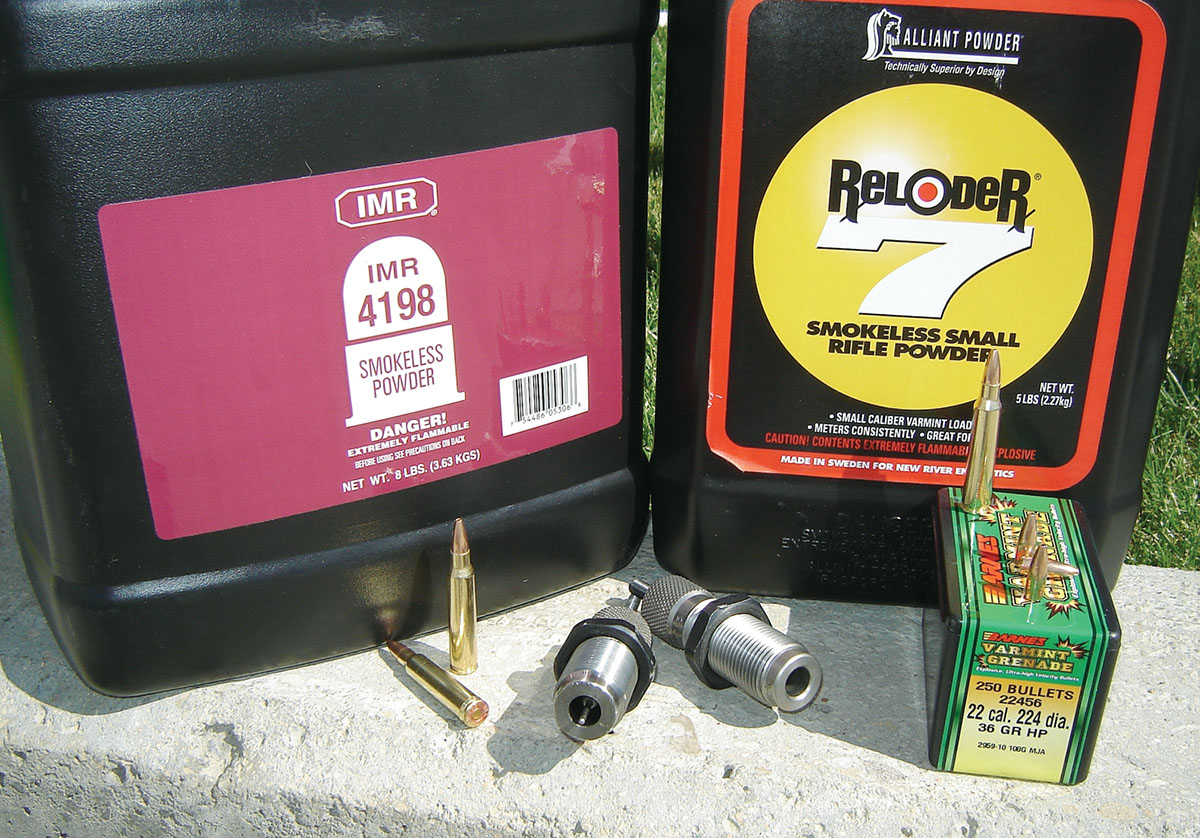
Tim was shooting his custom Remington Model 788 6mm-.284 wildcat. The cartridges were loaded with 62-grain Varmint Grenades ahead of 60.5 grains of RL-19 and Federal 210 primers. This combination produced .38-inch, three-shot groups at 100 yards and a muzzle velocity of 4,025 fps.
“Considering the bullet’s velocity at that short distance, I expected a lot more visible damage,” Tim said. “The Varmint Grenade performed exactly as intended, pulverizing the coyote’s plumbing without ruining its pelt. At normal shooting range, say 100 or 200 yards, this bullet should blow up completely inside the animal without exiting.”
The Varmint Grenade replaces Barnes’s conventional jacketed lead-core Varmin-A-Tor bullets, which have now been discontinued. Tests so far indicate the new bullet is capable of exceptional accuracy. It also appears to expand quicker and more explosively than other varmint bullets I’ve tried.
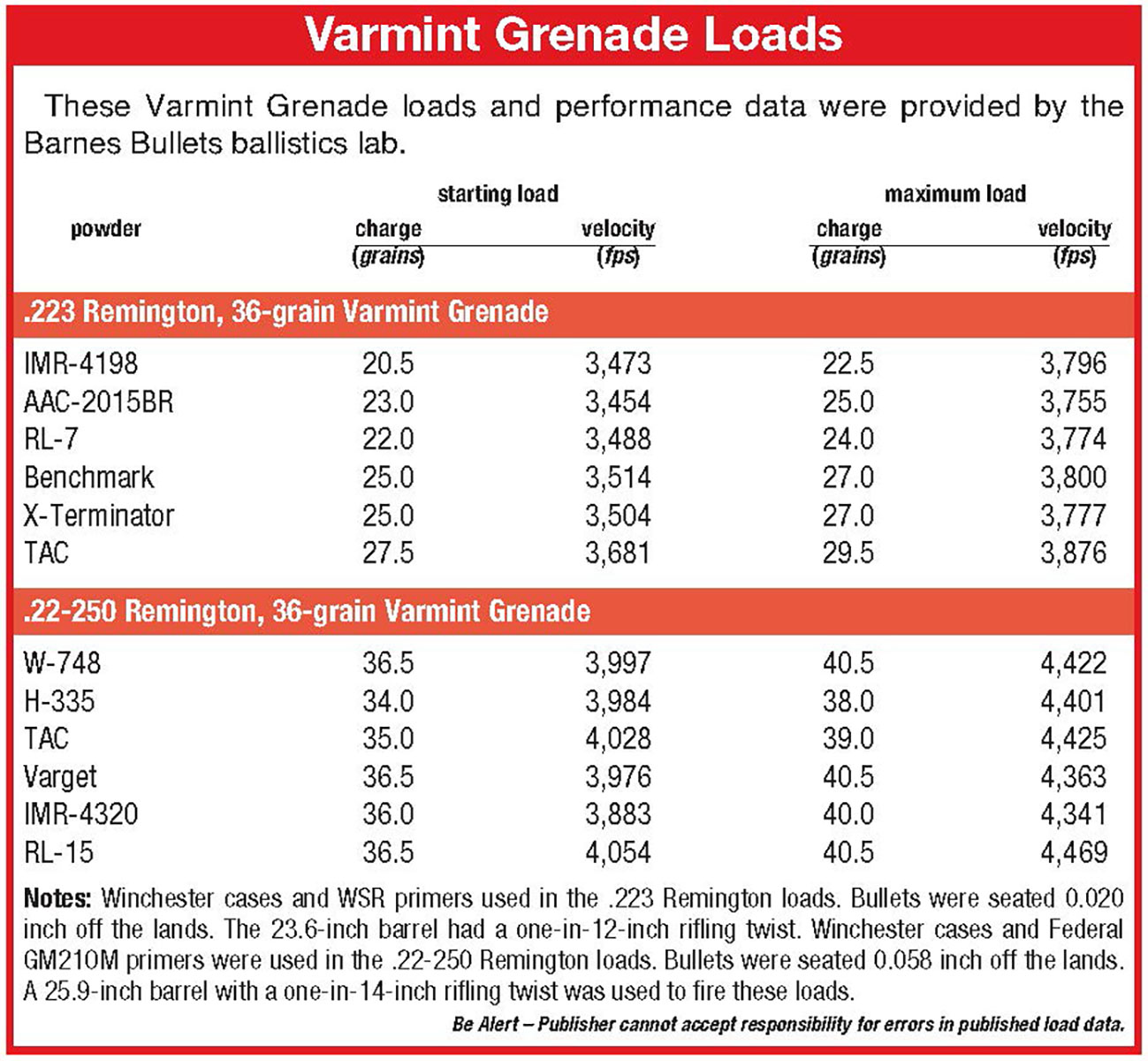
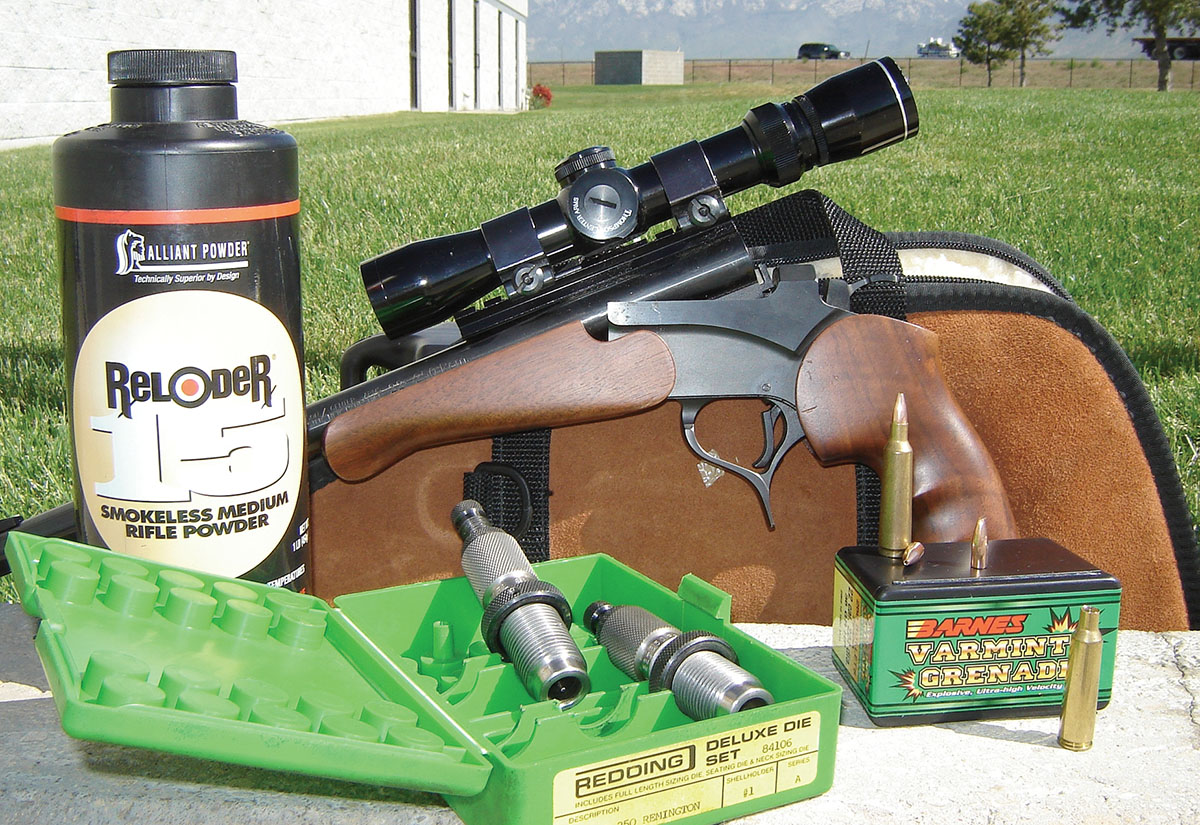
The new environmentally friendly varmint bullet has proven exceptionally accurate. For instance, a load consisting of 39.0 grains of TAC powder behind a 36-grain Varmint Grenade produced five-shot groups measuring .4 inch, center-to-center, when fired from a bull-barreled Model 700 22-250 Remington. Winchester cases and Federal GM210M primers were used. Bullets were loaded .058 inch off the lands.
The same bullet fired from a Model 700 223 Remington rifle averaged .50-inch groups. Again, TAC powder (29.5 grains) was the propellant. Winchester Small Rifle primers were used, and bullets were seated .020 inch off the lands.
Barnes’s Varmint Grenade is available in several component configurations: 26-grain, .20 caliber; 30-grain (Hornet), 36-, 50- and 60- grain, .22 caliber; and 62-grain, 6mm. Black Hills Ammunition offers loaded Varmint Grenade ammunition, including 223 Remington (36 grain) and 243 Winchester (62 grain).