A Top Trio
Powders to Cover the 223 and 22-250 Remingtons and the 243 Winchester
feature By: Richard Mann | April, 14
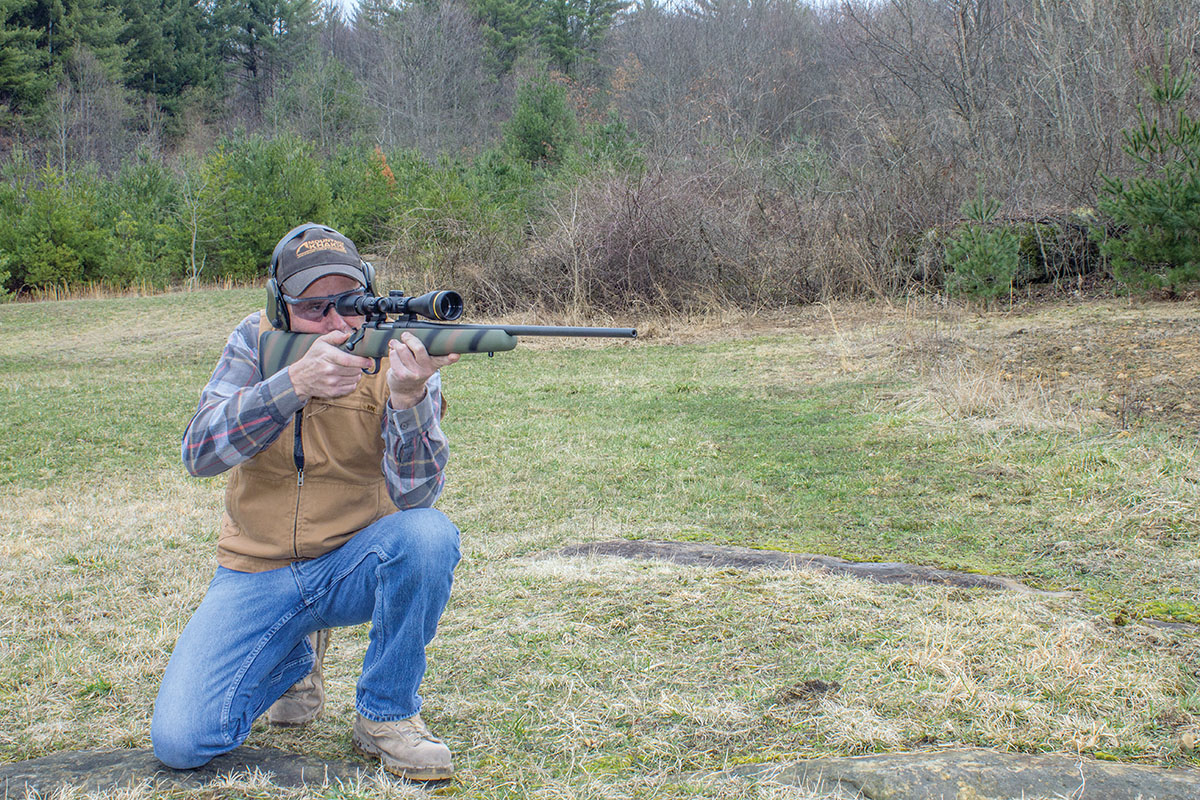
Any rifle weighing more than seven pounds scoped is viewed as an anchor, but I’ll make an exception and accept a 10-pound rifle, if I’m carrying it from the truck to a shooting bench set up on a prairie dog town a few yards away. Most of my personal rifles are not very heavy and were made in West Virginia by New Ultra Light Arms (NULA). I’ve owned or used more than a dozen NULAs, including a 243 Winchester, which is perfect for coyote, fox or bobcat calling, or for walking the edges of pastures or fields looking for groundhogs. It is one of three rifles used for developing the loads listed here.
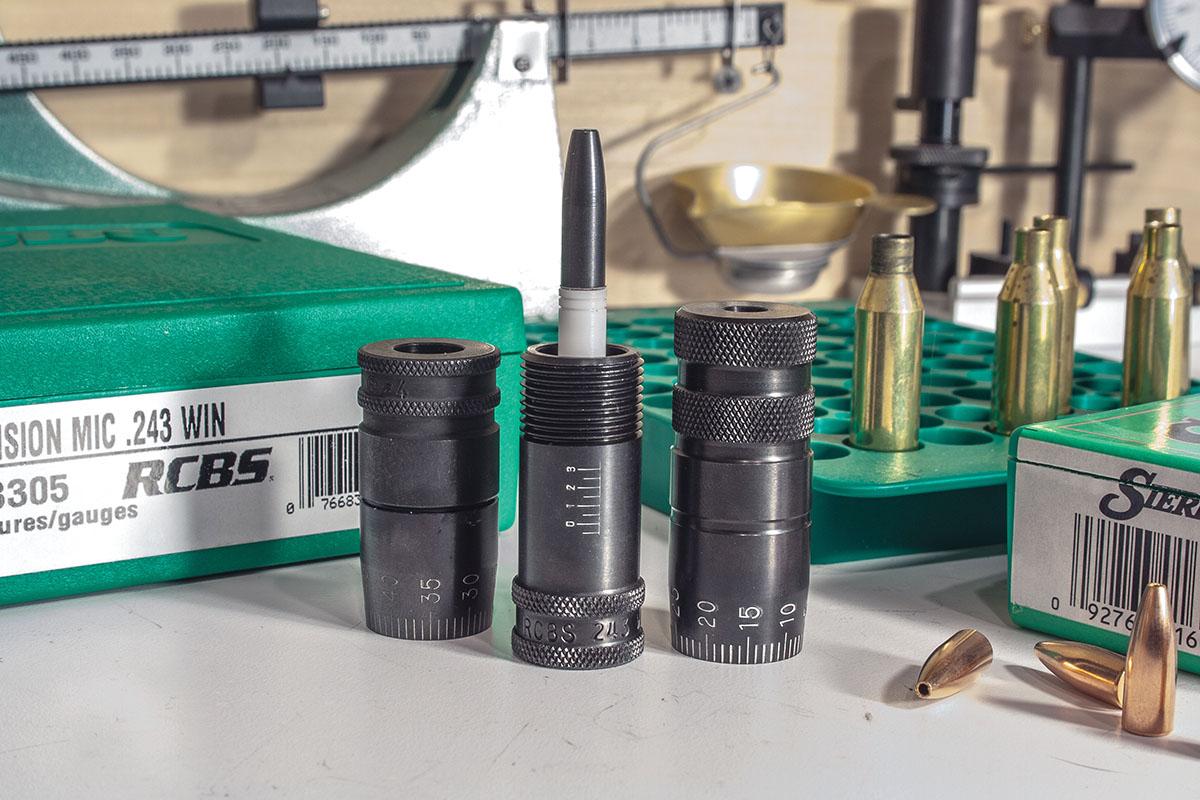
The 243 Winchester and Hunter
Some folks say handloading the 243 Winchester can be problematic. I’ve never found that to be true. In fact, I’ve been loading it longer than any other cartridge and have not experienced any of the “weirdness” others complain of. That said, every 243 Winchester I’ve loaded for, including my current NULA, seemed to be picky when it came to bullet seating depth; they seem to shoot better when bullets are close to the lands.
Anyone interested in loading the 243 Winchester should consider investing in an RCBS Precision Mic. This little tool is excellent for establishing the proper seating depth, and it can also be used to fine-tune sizing die adjustments to account for headspace variations. In fact, if you’re serious about accuracy – and most varmint hunters are – an RCBS Precision Mic is a good investment, regardless of the cartridge being loaded.
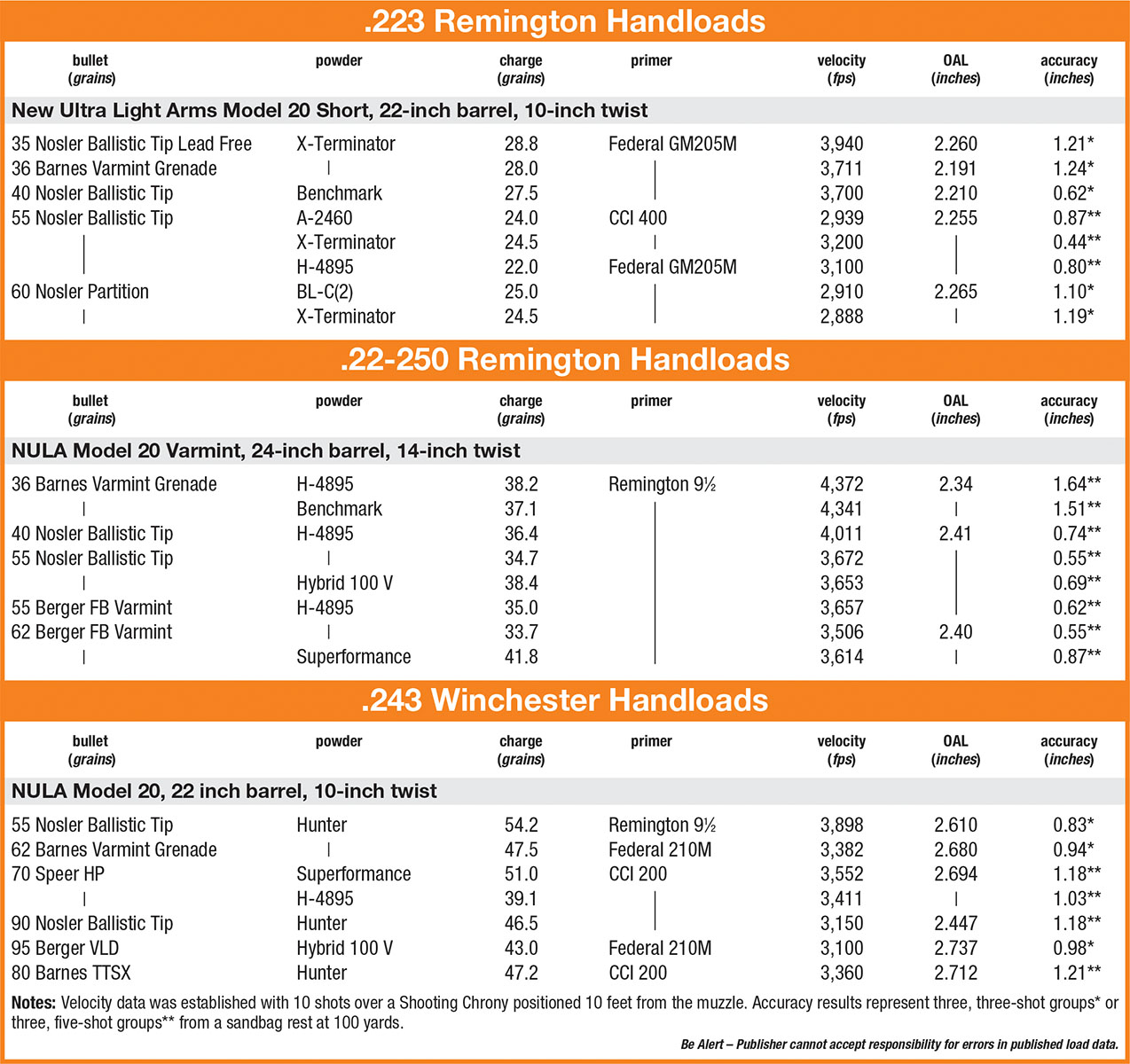
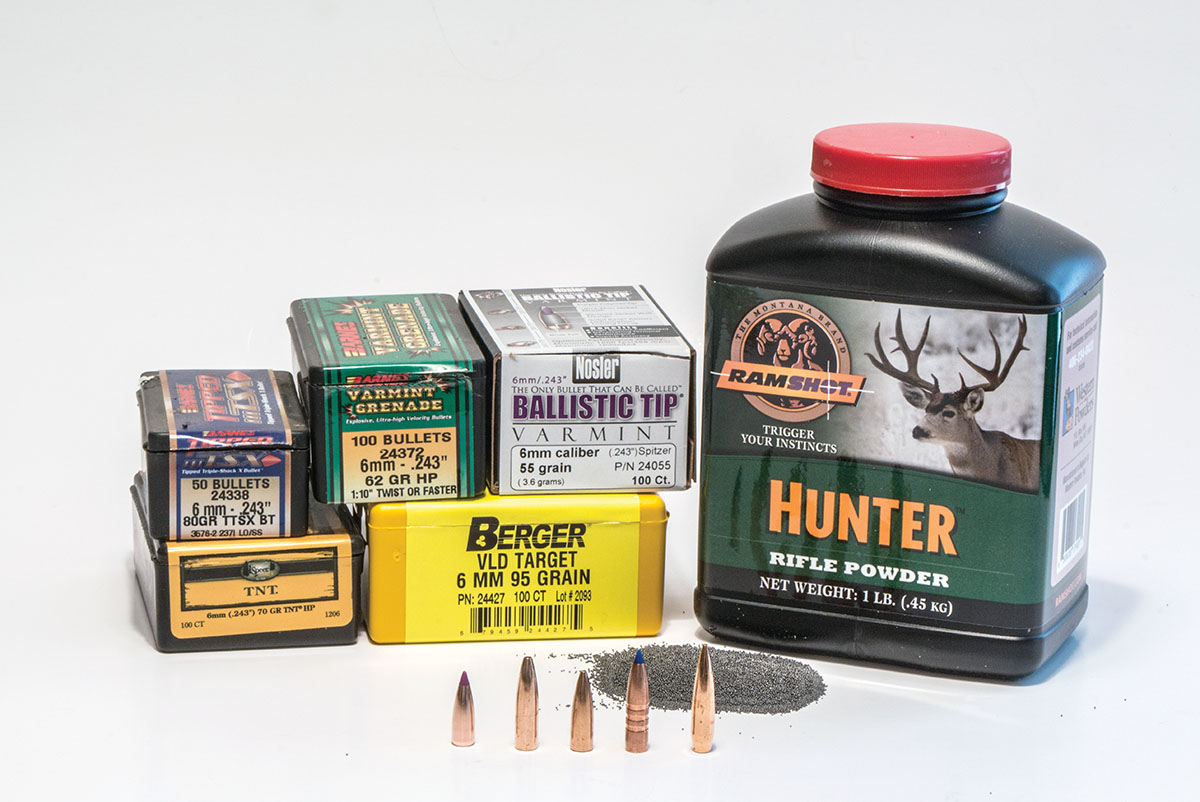
Over the years I’ve found one powder and several varmint-capable bullets I really like in this cartridge. The Barnes 62-grain Varmint Grenade is perfect for small to midsize varmints, and 47.5 grains of Ramshot Hunter will push it to 3,300 fps from a 22-inch barrel. In some rifles you might see 3,400 fps. From most rifles, recoil is light enough you can watch the bullet impact through the scope. For coyotes or feral hogs, the Barnes 80-grain TTSX and 47 grains of Hunter is deadly.
In this cartridge, Nosler’s 90-grain Ballistic Tip, with its even higher 0.365 ballistic coefficient (BC), will shoot flatly and stand up to the wind. With between 46 and 46.5 grains of Hunter, this bullet has a muzzle velocity of 3,150 fps out of the NULA’s 22-inch barrel, and I’d not hesitate to use it on ground squirrels, coyotes, hogs or deer.
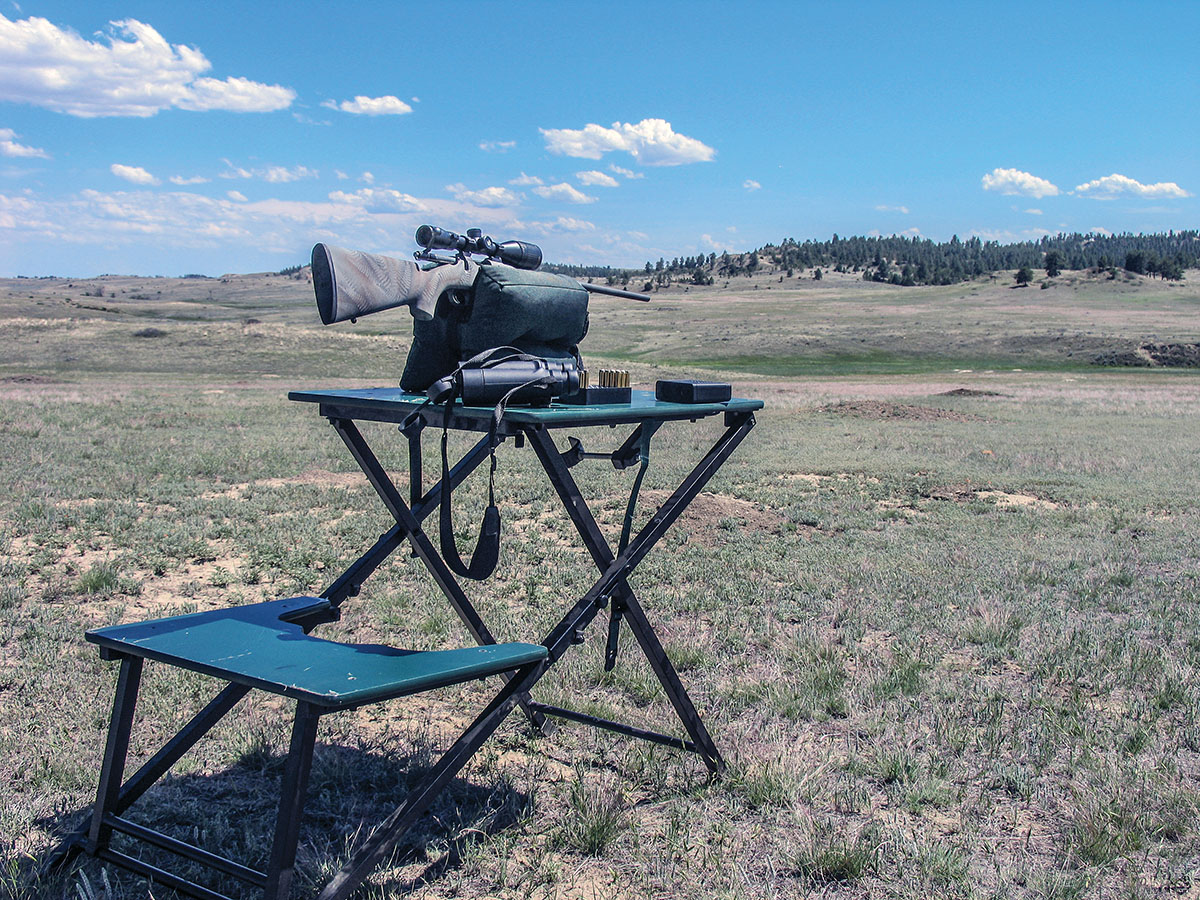
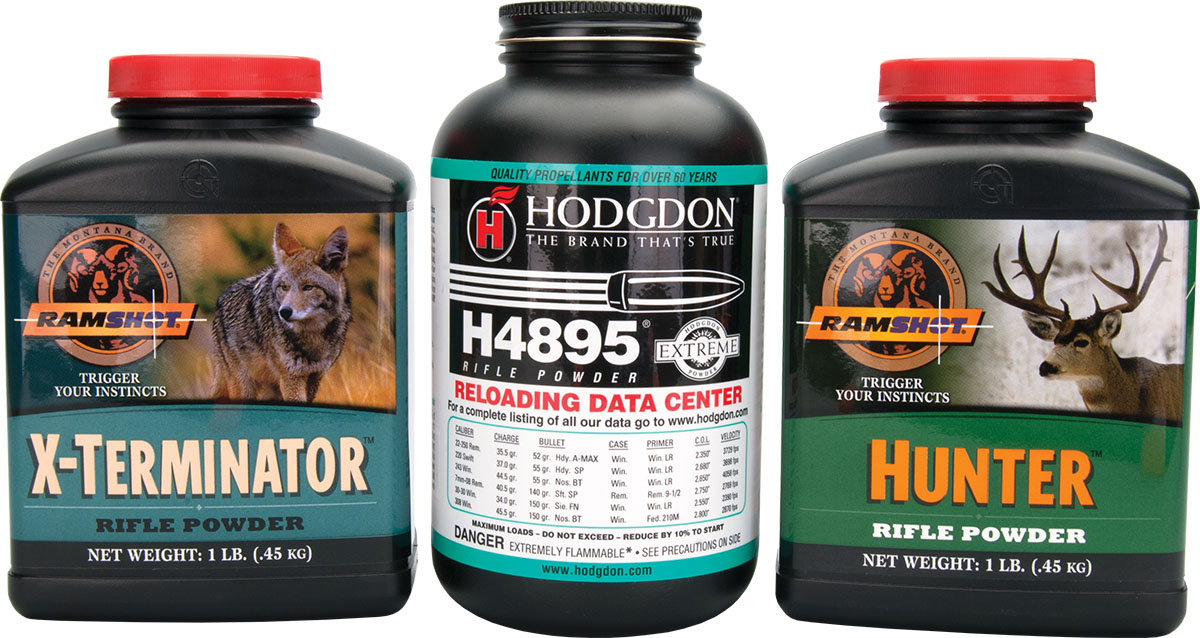
I’ve had good luck with Hodgdon Hybrid 100V and Superformance in the 243 Winchester, but I’ve found that Ramshot’s Hunter works well with about any bullet weight. Just as importantly, being a spherical powder, it meters exceptionally well, and this helps with loading consistent ammunition. It’s the powder I start with anytime I’m working up a new load for a 243 Winchester, for any purpose.
Hunter is a double-base powder that burns cleanly. It is imported from Belgium and packaged at the Western Powders laboratory in Miles City, Montana. In the Ramshot powder line, Hunter fills the gap between the faster-burning Big Game and the slower-burning Magnum, and it is the only spherical powder in the popular 4350 burn range.
The 223 Remington and X-Terminator
Lots of people think varmint rifles are .22-caliber rifles, and if the ranges are not excessive, that makes sense. In fact, for mass varmint eradication on gopher fields and prairie dog towns, I prefer a .22-caliber rifle. In that respect, the 223 Remington seems to be the perfect choice, because it will not generate so much recoil that I cannot see a hit or miss in the scope.
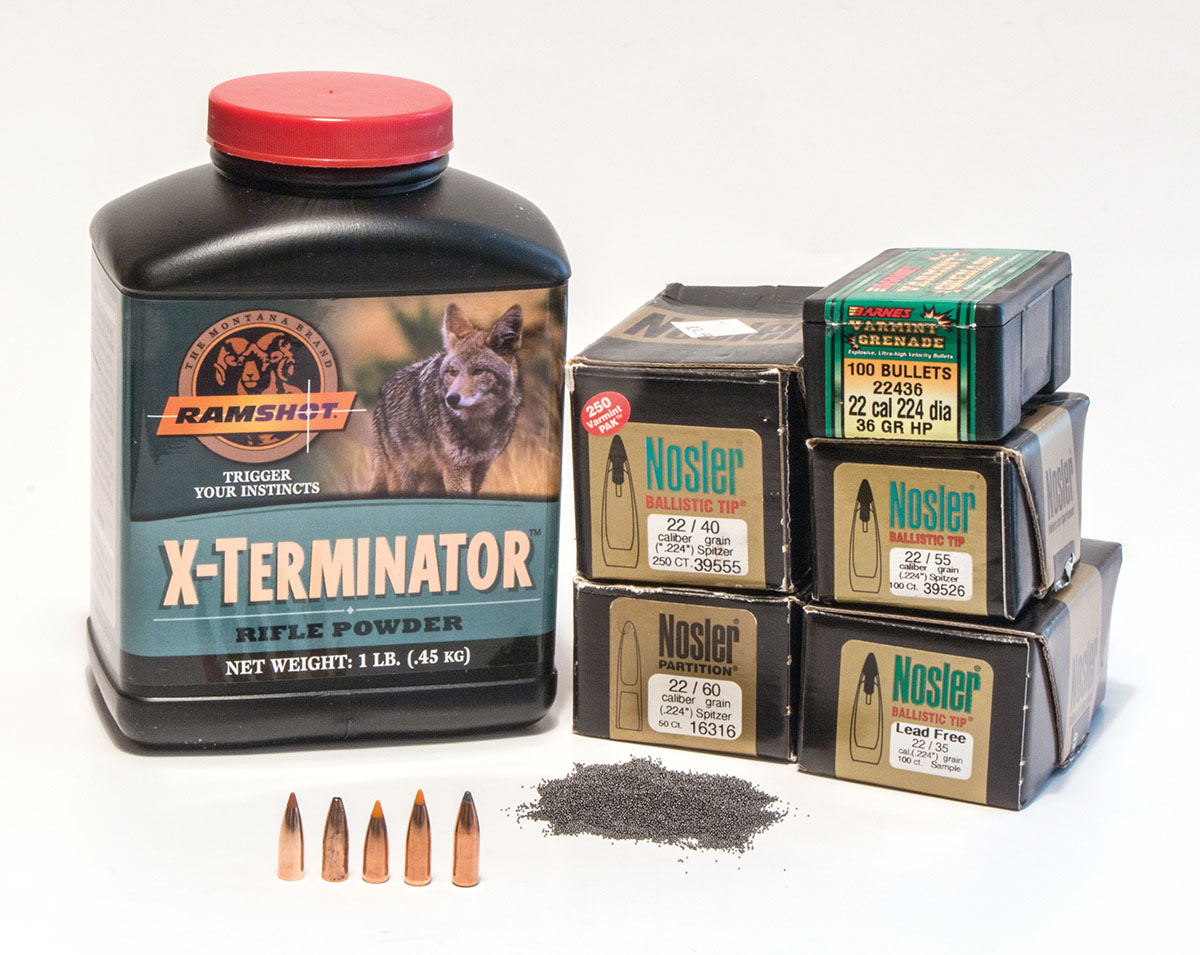
As much loading as I did for that light, little 223 Remington, I did not experiment with a lot of bullets or powders. When you find something that works, there’s not a lot of reason to change. For the same reason I like Hunter in the 243 Winchester, I like Ramshot X-Terminator in the 223. It seems to work with any bullet weight, and being a spherical powder like Hunter, it meters smoothly.
I’ve always preferred Nosler 55-grain Ballistic Tips for groundhogs, rockchucks and predators. If feral hogs are the targets, the 60-grain Partition is the way to go. I even used that little rifle in Africa on warthogs. The lighter 40-grain Ballistic Tips are great on gophers and such, but due to their inability to buck wind, I tend to stick with the 55s. My NULA has a one-in-10 twist, which worked great for bullets weighing less than 60 grains. With the heavier bullets, particularly the 60-grain Nosler Partition, accuracy was not outstanding but was still sufficient for shots on coyotes and such out to around 200 yards.
Like Hunter, X-Terminator is a double-base powder that burns cleanly. It too is imported from Belgium and packaged at the Western Powders laboratory in Montana. In the Ramshot line of rifle powders, X-Terminator is the fastest powder sold and it is, by my best scientific guess, just slightly faster than Ramshot TAC.
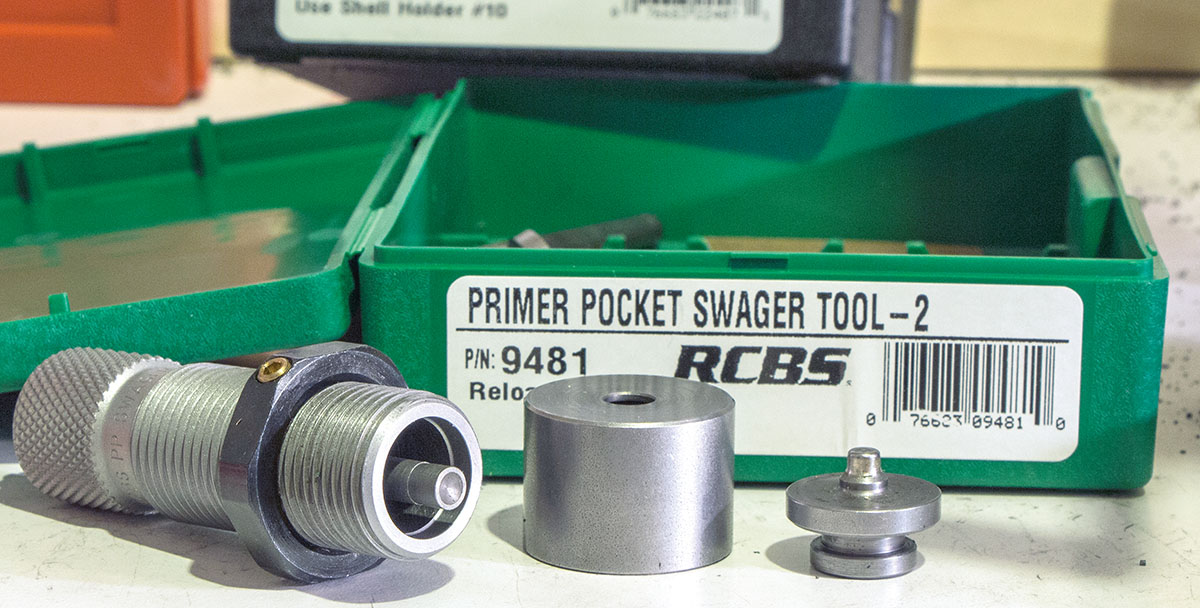
For a handloader who doesn’t have a lot of experience loading the 223 Remington and wants to be able to use any brass, invest in a primer pocket swaging tool. Lots of factory 223 Remington/5.56 NATO brass has crimped-in primers, and the only way to seat a new primer is after the pocket has been swaged to an appropriate shape. RCBS makes a great tool for this, and while it might be time consuming, it can allow a shooter to use a larger variety of 223/5.56 brass.
The 22-250 Remington and H-4895
Lately I’ve been shooting the heaviest NULA rifle I’ve ever fired. It’s an 8.5-pound varmint/bench-style 22-250 Remington that weighs 10 pounds with an 8.5-24x Leupold VX-III scope attached. I’ve not done a lot of loading for the 22-250, mostly because I figured if I could not get the job done with a 223 Remington or a 243 Winchester, there was no need.
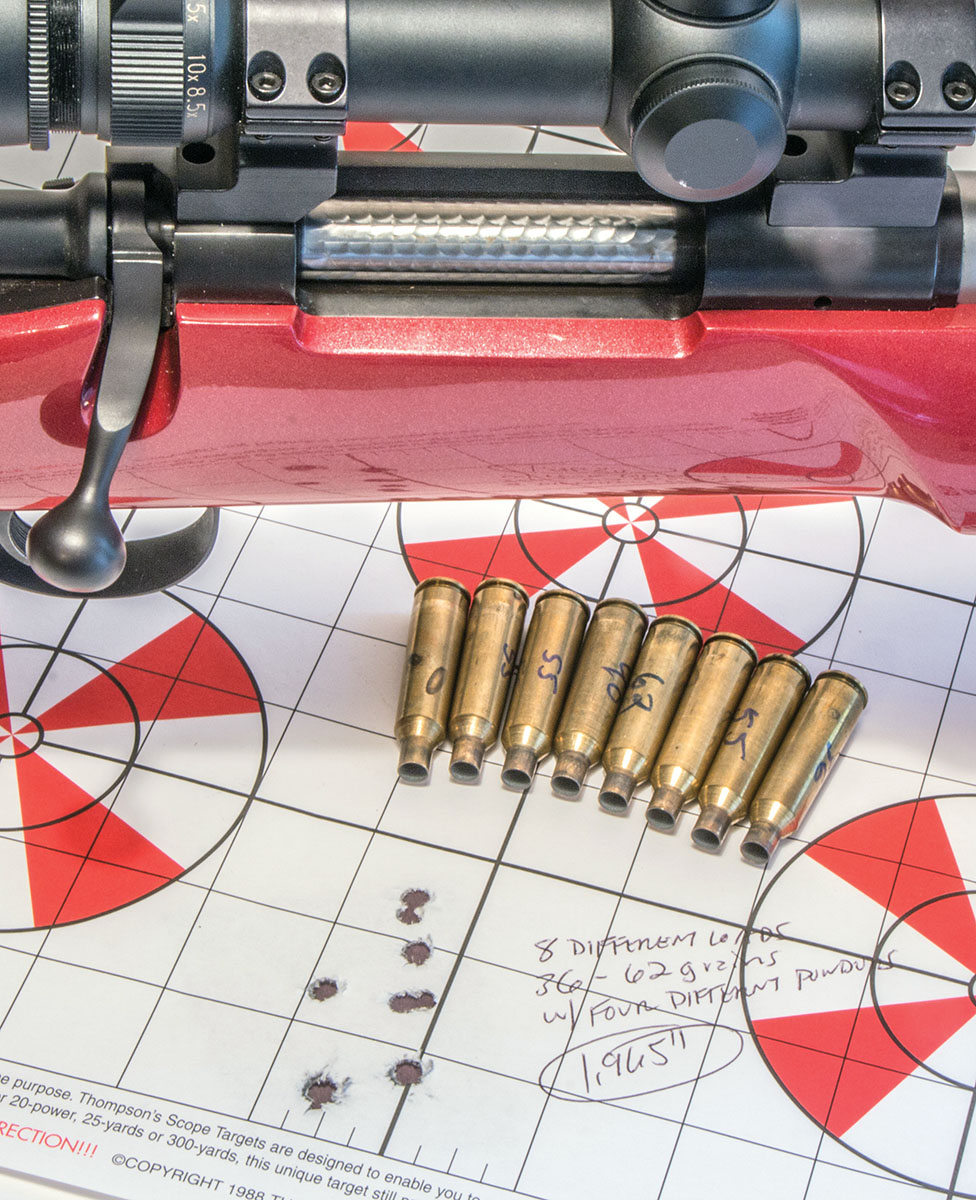
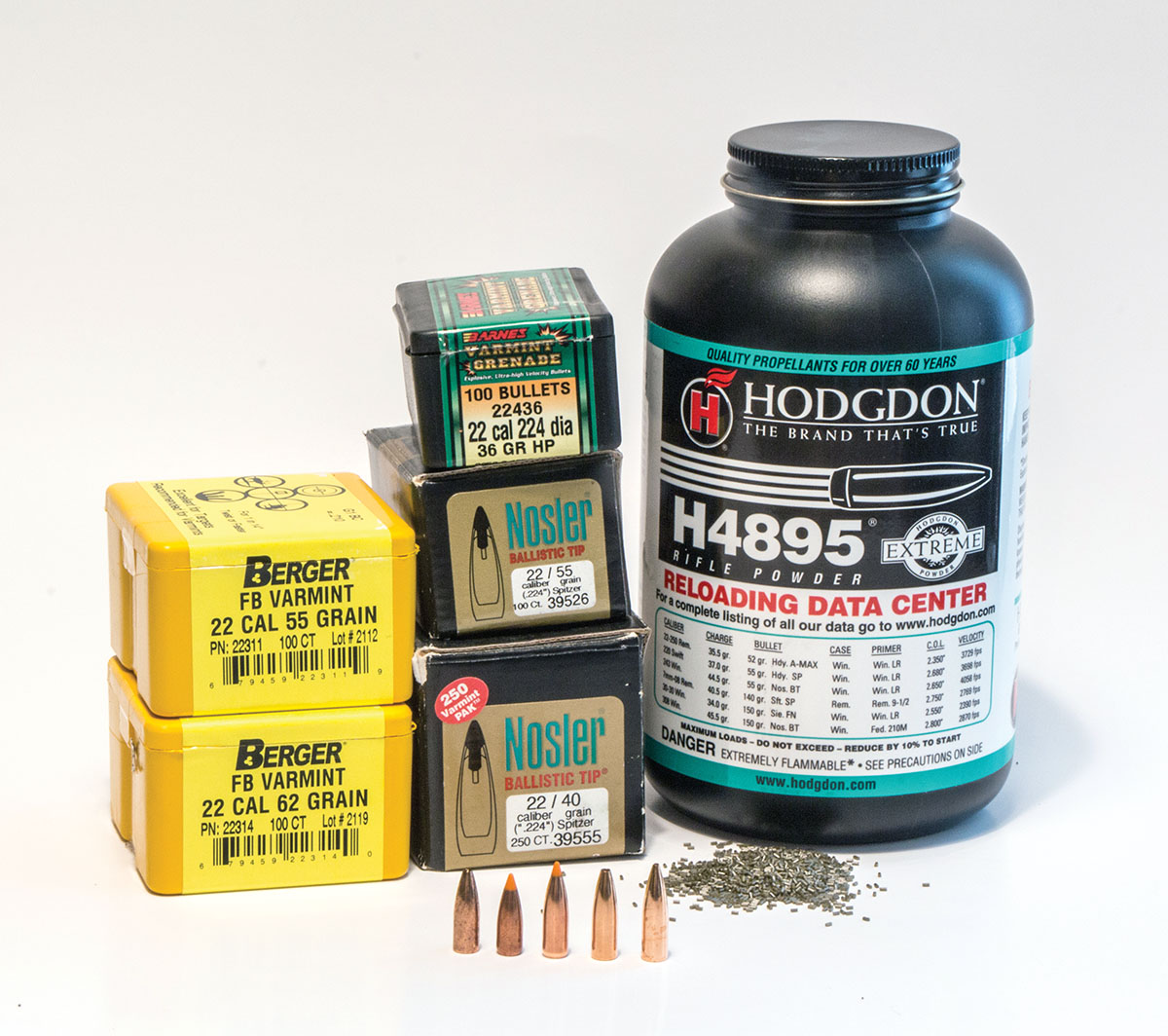
It appears Sisk knows his stuff. With the exception of the Barnes 36-grain Varmint Grenade, all the H-4895 loads gave sub-MOA, five-shot results at 100 yards. That’s pretty good considering that when putting the loads together I simply picked sub-maximum powder charges and seated the bullets where they looked right, and fired three, five-shot groups with each load.
For these random loads, velocity deviations averaged in the mid-20s with H-4895. Using other powders, a varmint shooter might reduce standard velocity deviations a bit. For example, some shooters suggest that with heavier bullet weights – 60 grains and above – slower powders like H-414, Hybrid 100 V or Superformance might be better choices. For what it’s worth, with a 62-grain bullet and Superformance powder, this was not the case in this experiment. Standard velocity deviations were similar to those with the same bullet loaded ahead of H-4895.
Why are lower standard deviations important? Accuracy. At 100 yards a .5-inch group is good enough for any varmint hunting. However, a standard velocity deviation of 25 fps can equate to a maximum velocity deviation perhaps as much as 100 fps. A 100-fps velocity variation at 500 yards can open groups by 4 inches or more, depending on a bullet’s ballistic coefficient. That’s enough to miss low on a prairie dog.
The 62-grain bullets shot very well even though the NULA’s barrel had a one-in-14-inch twist, but the most interesting discovery with the heavy-barreled rifle was how it shot all these loads to almost the exact point of impact at 100 yards. I noticed this during the testing and went back and loaded one more round of each load, not just the H-4895 loads. I fired these eight shots at the same point of aim, and the resulting eight-shot group measured 1.9 inches, and that was with four different powders, five different bullets ranging from 36 to 62 grains and a velocity spread of 800 fps. Impressive!
Hodgdon’s H-4895 is an extremely versatile powder, suitable for use in the 223 Remington, 22-250 Remington and the 243 Winchester. In fact, you could put together good loads for all three of these cartridges – or just about any other rifle cartridge – and never use another powder. It also works very well for reduced loads. The only thing I’ve noticed with H-4895 is that velocity can become erratic with heavily compressed loads.
Unlike days of old, when load manuals or experienced handloaders were the source for load data, today you can find all the load data you need right on the Internet – a caveat being that it must be from a reliable source, such as powder manufacturers. Ramshot has all its load data available online in a printable format, and Hodgdon has a very user friendly, searchable database for almost every cartridge.
What these libraries don’t reveal is which powders or loads have proven to be very consistent or accurate in most firearms. The best way to figure this out is to experiment on your own. This, of course, is not a bad thing, and the resources listed above are a nice place to start.