25-45 Sharps
An AR-15 Compatible 25 Caliber
feature By: Richard Mann | April, 15
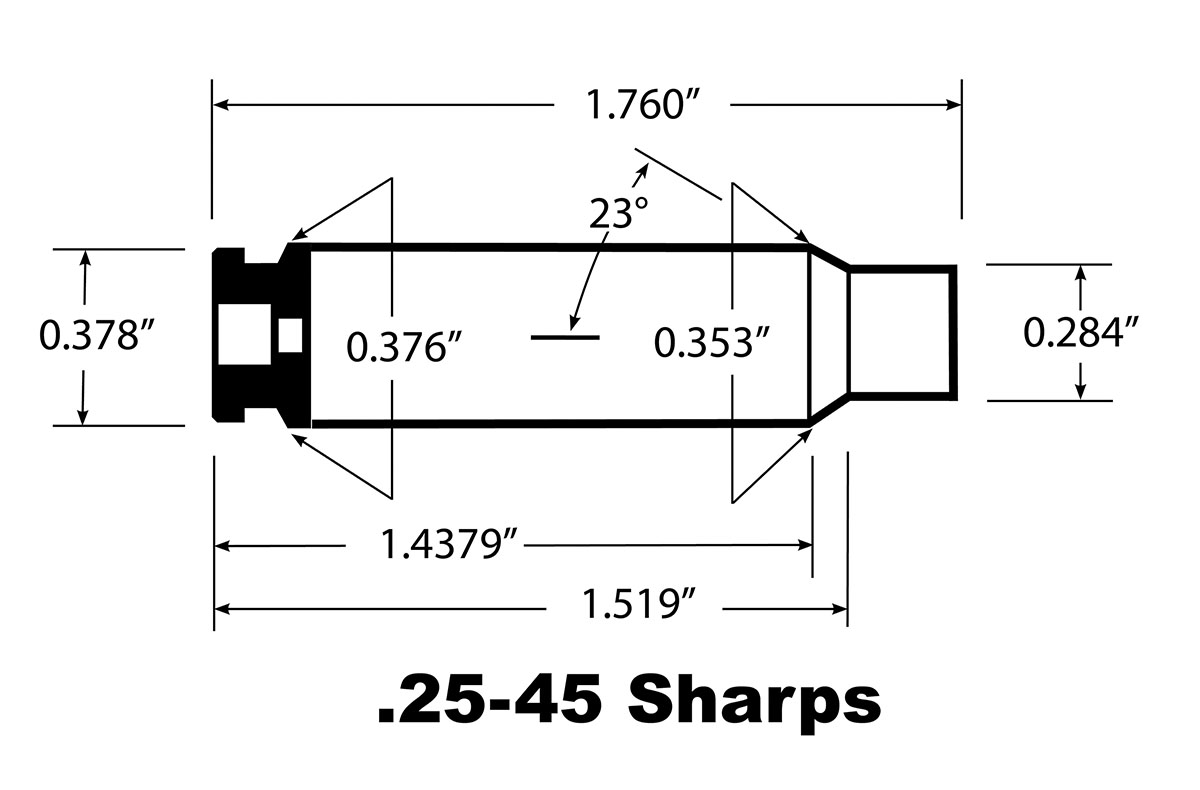
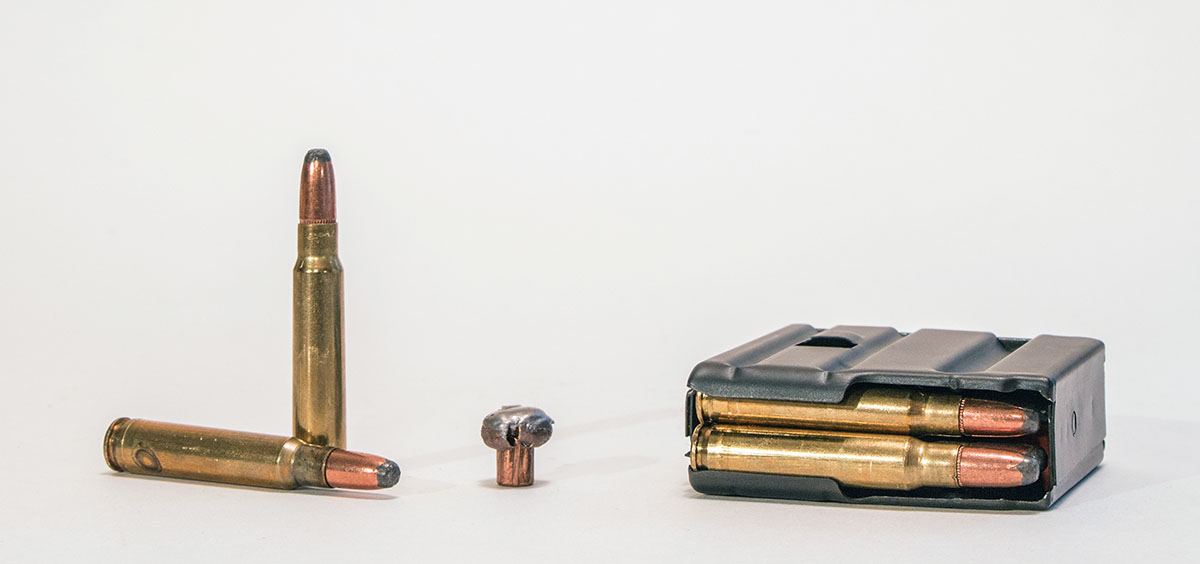
The cartridge is nothing more than a 223 Remington case necked up to .25 caliber. The “45” comes from the length of the cartridge in millimeters. Today, credit for the cartridge goes to Michael H. Blank of the Sharps Rifle Company (SRC). Wildcat historians may argue, but it really doesn’t matter. SRC was the first to submit the cartridge to the Sporting Arms and Ammunition Manufacturers’ Institute (SAAMI).
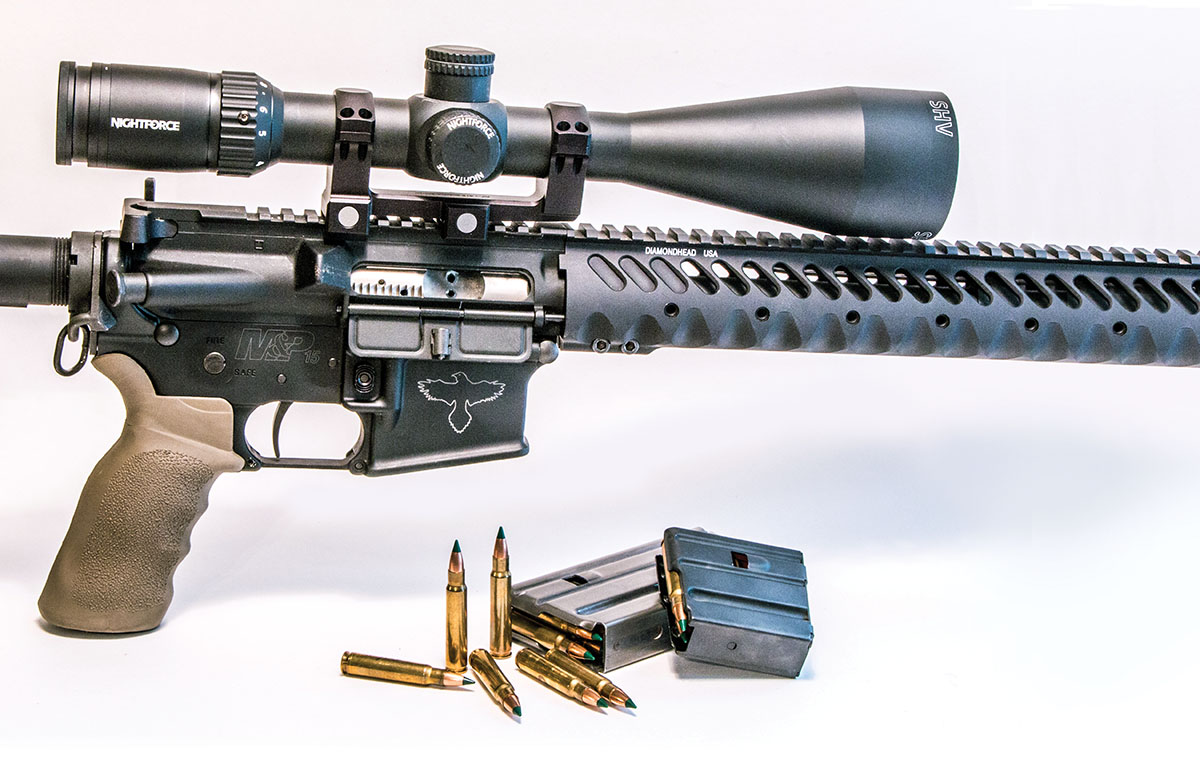
The push behind the 25-45 Sharps was mostly focused at deer hunters and for tactical applications. By last count, there were eight states allowing rifle hunting yet precluding the use of cartridges of .224 caliber. Hunters wanting to use an AR in those states can do so with the 25-45 Sharps, and it’s an easy conversion; all it takes is a new barrel. The 25-45 allows a bit more energy on target than the 223 Remington without sacrificing ammunition capacity.
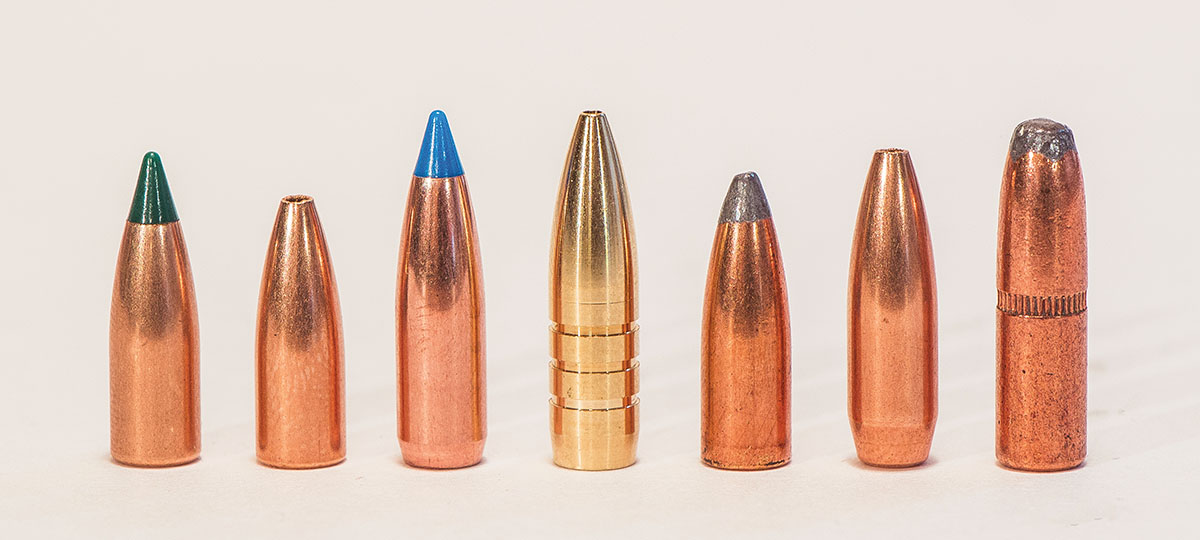
There is, however, a problem with this concept. With a case length the same as the 223 Remington, cases are easy to make; just run once-fired 223 brass through 25-45 Sharps expanding, then sizing, dies. This sounds simple enough, but .257-caliber bullets of any weight intended for deer-sized game are long. With an AR-15 the overall cartridge length must be kept within the limits of the magazine, about 2.23 inches. Most of the good .257-caliber deer bullets, if seated to this depth, will have the start of the ogive behind the case mouth.
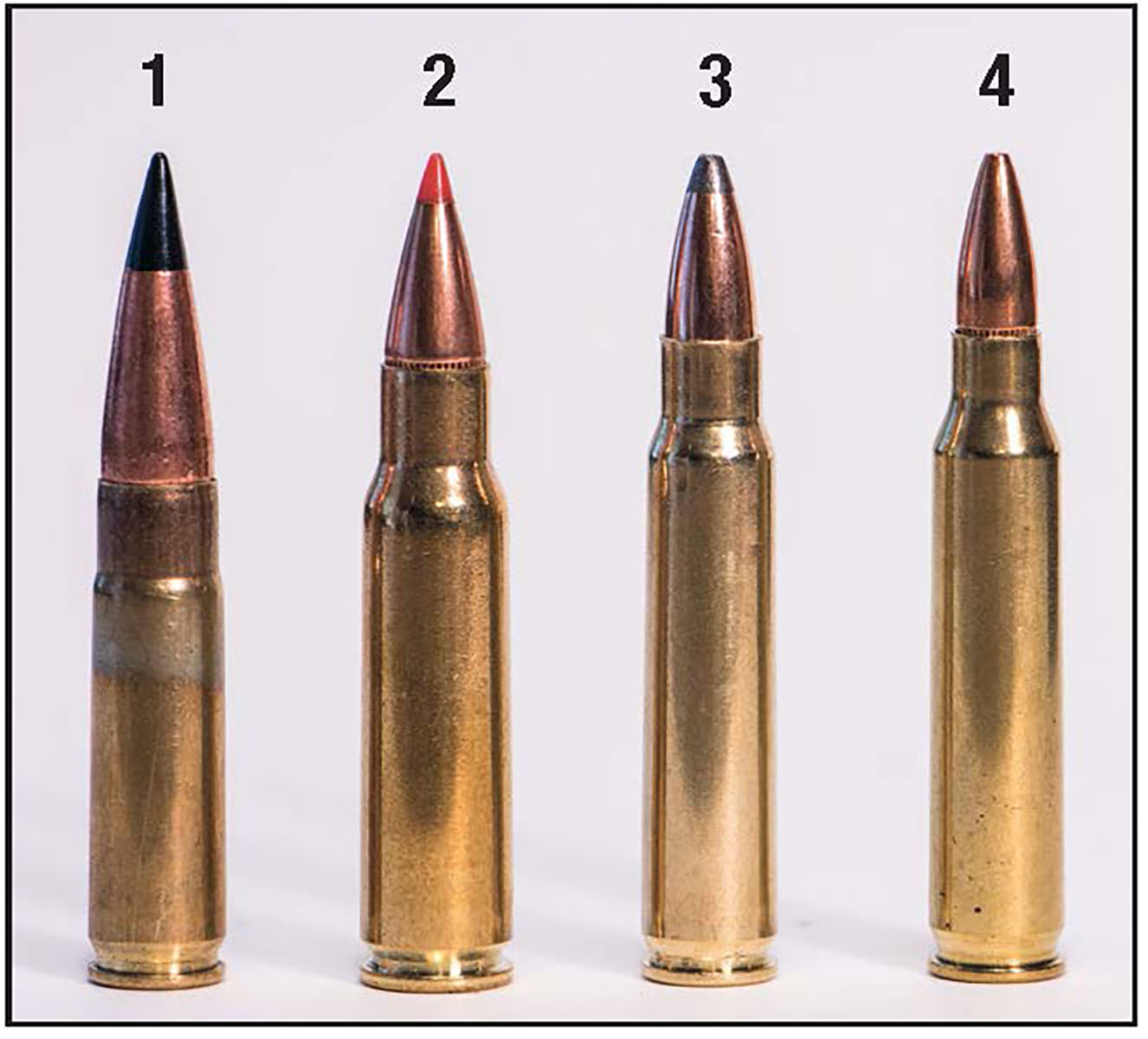
So what space is the 25-45 Sharps to fill? I see it as the modern version of the 250 Savage and a dual-purpose varmint/big game cartridge that can be legally used anywhere. This is not a stretch – 25-45 Sharps ballistics comes very close to duplicating those of the 250 Savage. By doing nothing more than swapping the barrel in an AR-15, lightweight varmint bullets for groundhogs and coyotes and hardier constructed bullets for big game work well.
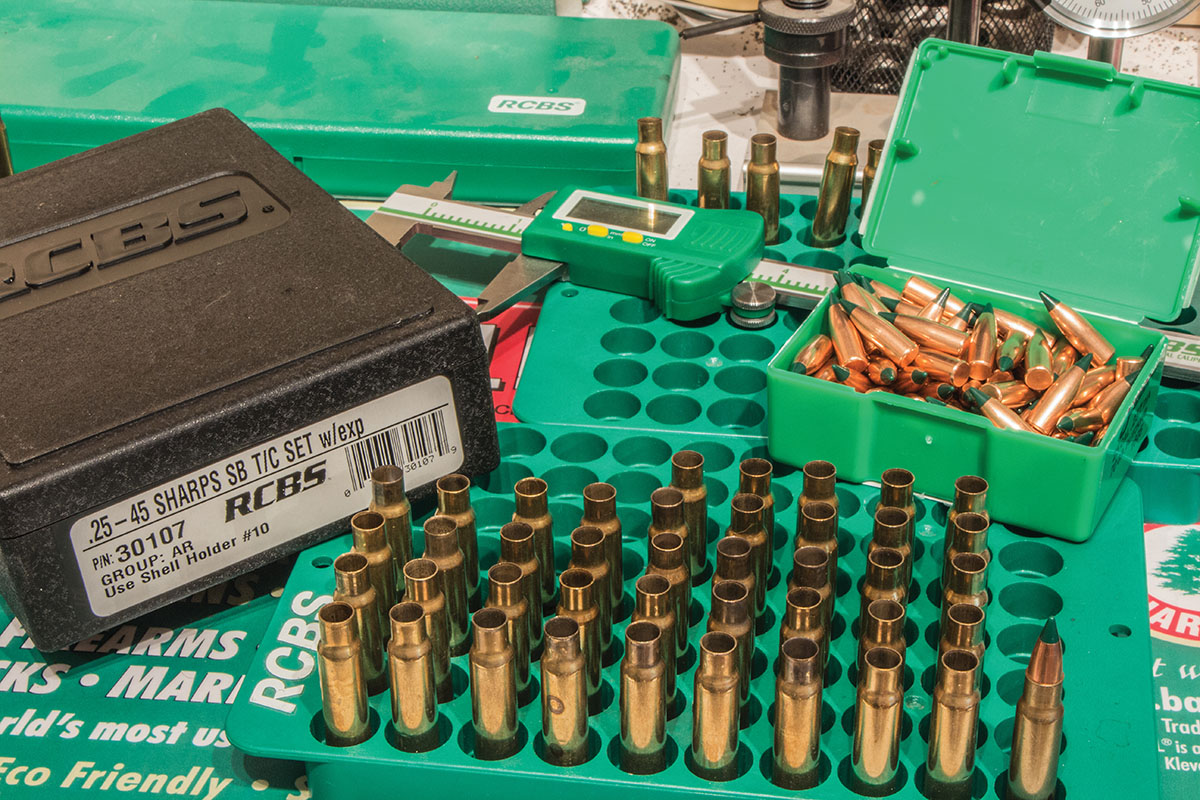
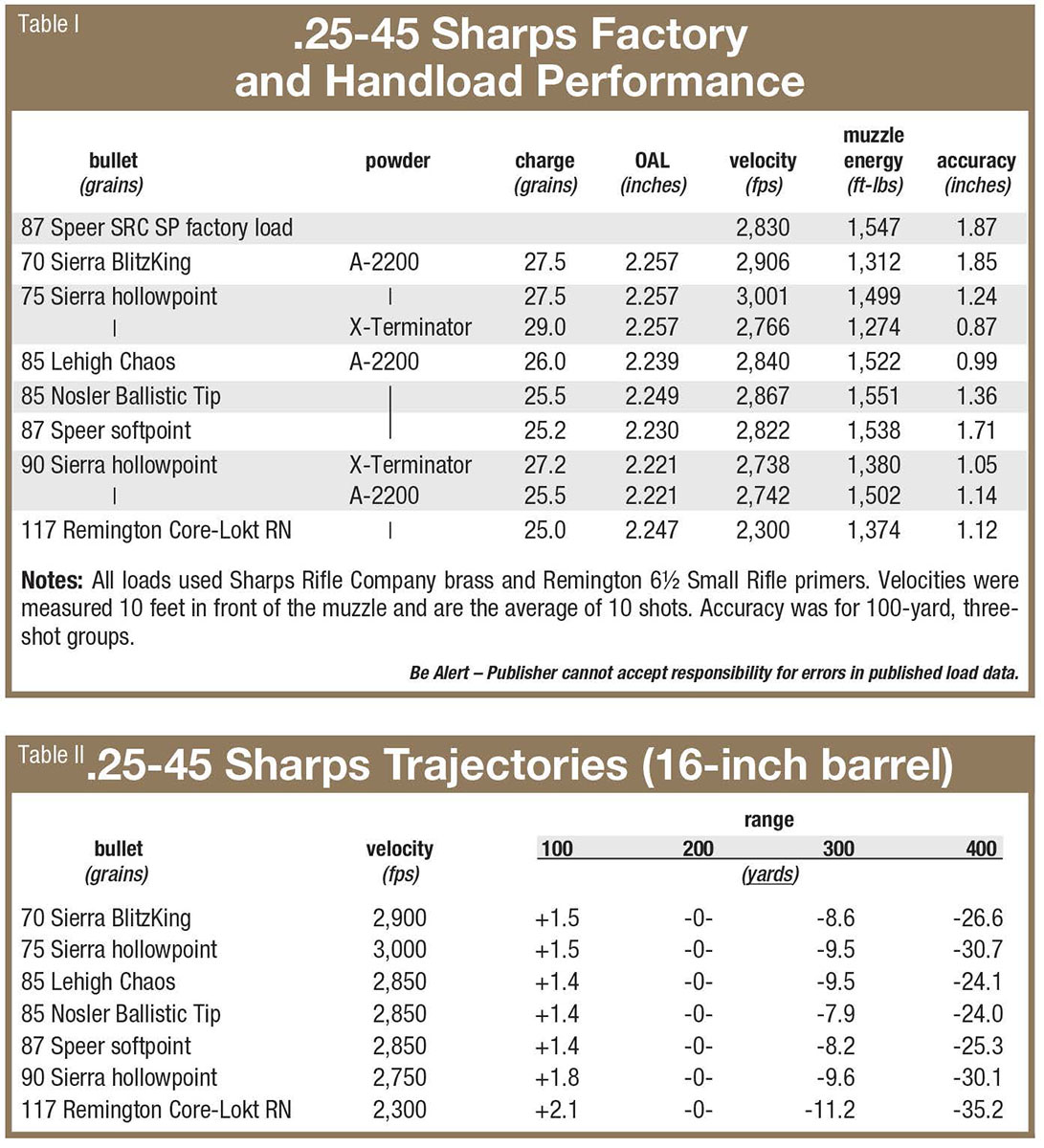
With the AR-15’s evolution to a hunting rifle, a .25-caliber version was intriguing. SRC sent an upper with a 16-inch barrel and 200 rounds of ammunition to test. Yes, factory ammunition is available for the 25-45 Sharps. It comes in 20-round boxes and is loaded with an 87-grain Speer Hot-Cor bullet. Based on years of testing ARs of varying quality in multiple calibers, I’ve found that average accuracy for five, five-shot groups at 100 yards is about 1.5 inches. Disappointingly, the SRC factory loads would not meet that standard. The 25-45 Sharps did, however, live up to advertised ballistics, pushing the 87-grain bullet to about 2,850 fps from the 16-inch barrel.
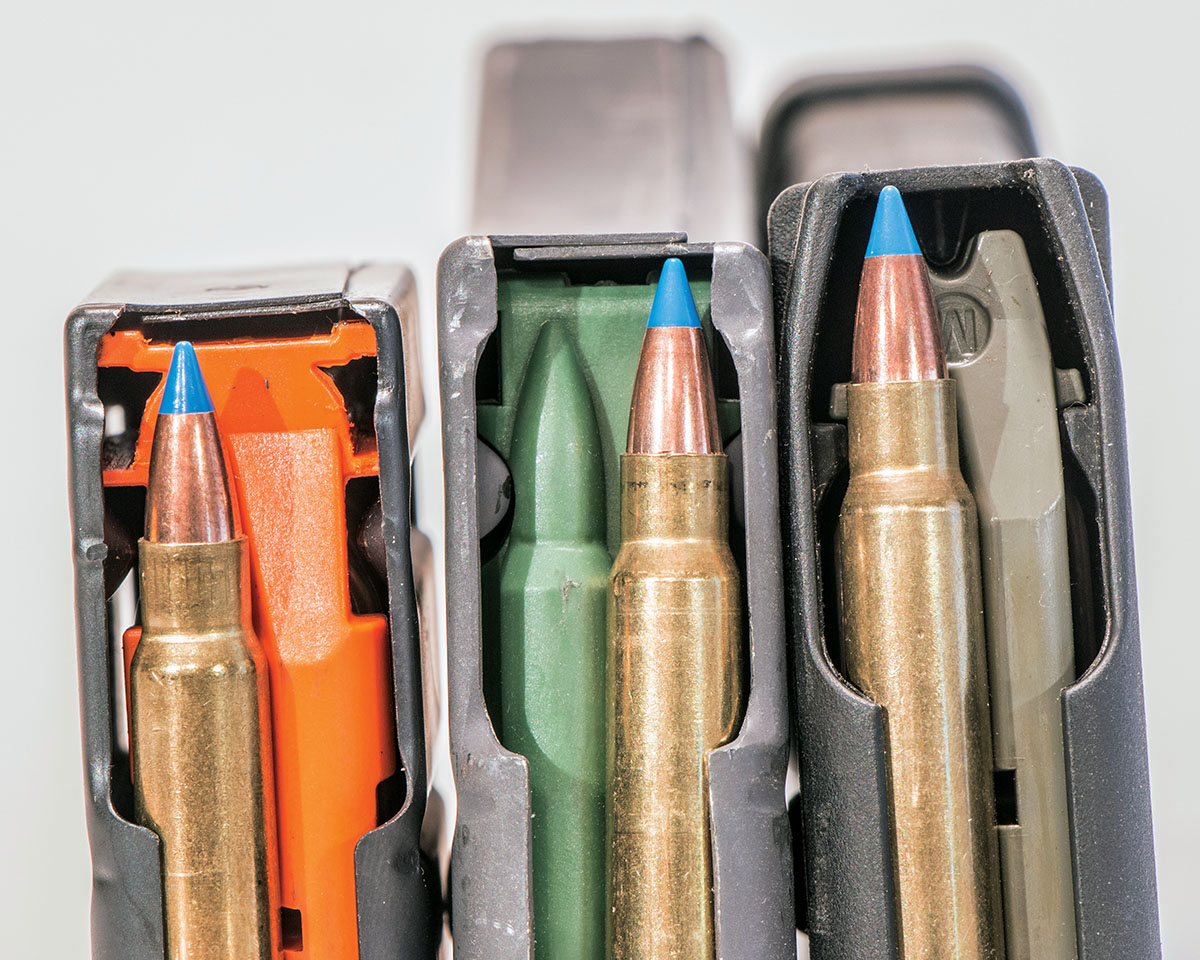
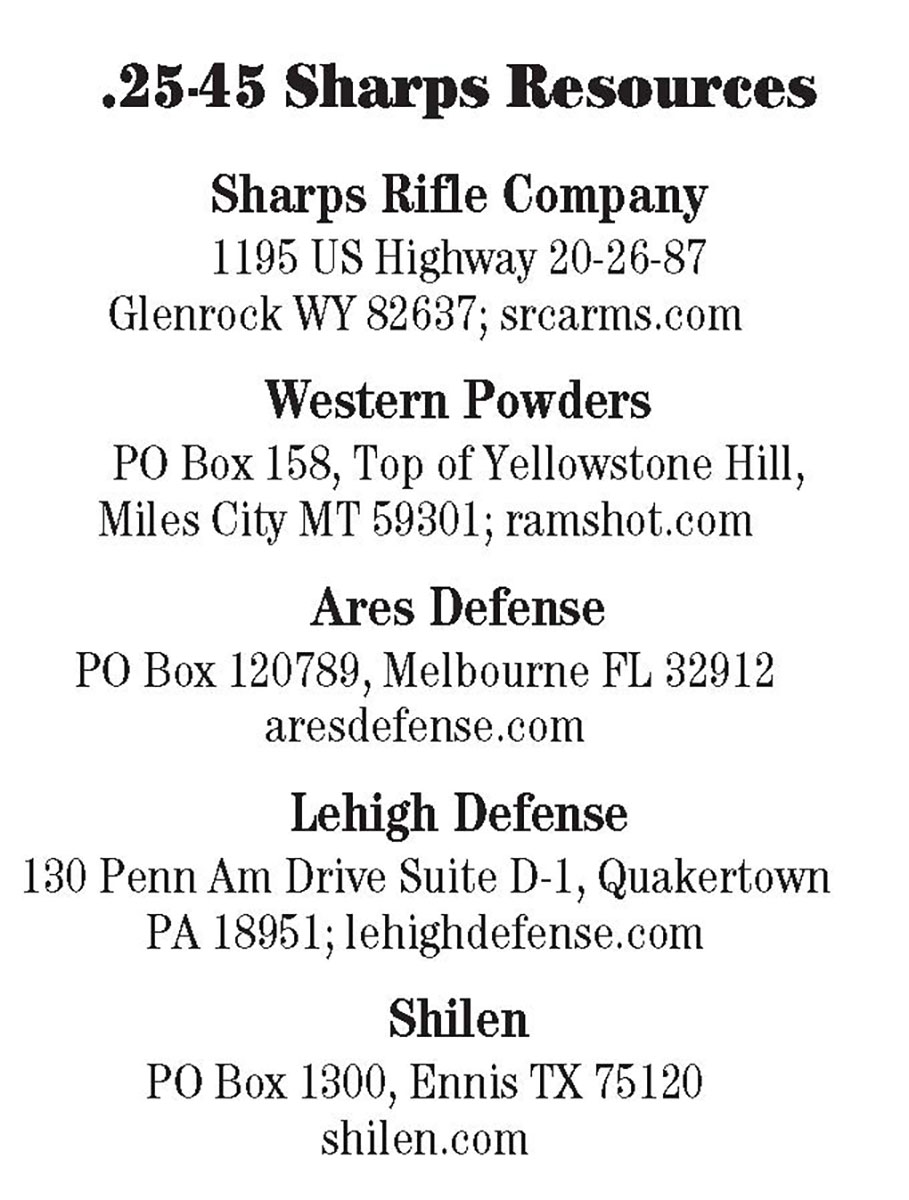
There is a fly in the ointment with the 25-45 Sharps, and that’s working with the standard space available in AR-15 magazines. Fortunately, while working on this project, I was also shooting a new AR-type rifle from Ares Defense. Supplied with that rifle were Ares Defense magazines that had a bit more cartridge space than other magazines. This allowed an overall cartridge length of 2.26 inches. That’s not a monumental difference, but it was enough.
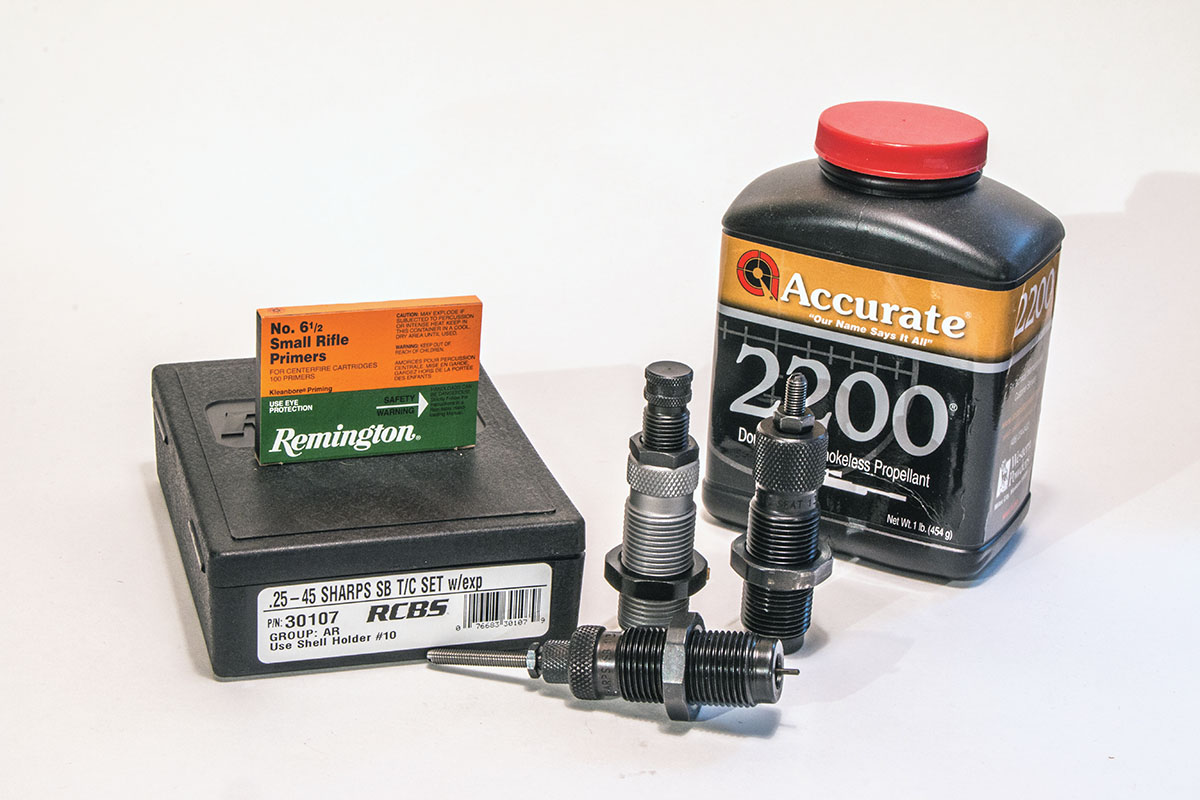
Recoil with all loads was hardly distinguishable from the 223 Remington, and with handloads accuracy was very good in the AR, so I decided to take another step. On hand was a Mossberg MVP I’d wanted to convert to a utility-type rifle suitable for varmints, deer and home defense. An 18-inch Shilen barrel with a one-in-10-inch twist was installed and chambered for 25-45 Sharps. All handloads were tested in it as well. Velocities ran about 50 fps faster, and accuracy was improved, on average, by about 12 percent.
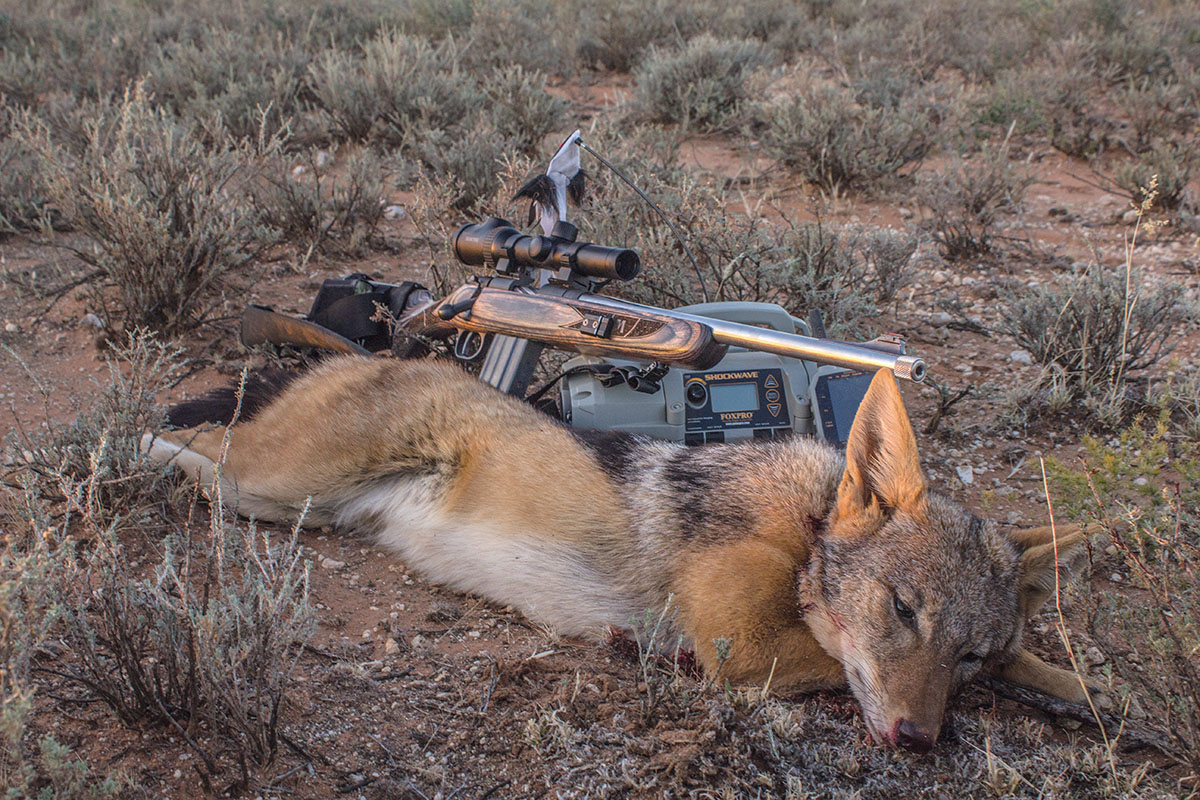
About the time the MVP 25-45 Sharps was complete, I took it to Africa planning on some predator calling, and when my son flew over to join me, I’d let him shoot some critters with it too. Forty rounds were loaded with Nosler 85-grain Ballistic Tips, 20 with Lehigh Defense 85-grain Controlled Chaos bullets and another 20 rounds with an unusual suspect. Folks have complained for years about factory 257 Roberts loads that use the 117-grain roundnose Remington Core-Lokt. It works great in the Roberts but ballistically cannot compare to more streamlined spritzer-type bullets. However, I was looking for a warthog bullet and pulled one from a 257 Roberts case on a whim. Loaded to the cannelure in the 25-45 case, overall length was 2.26 inches, and they fed perfectly from the Ares Defense AR-15 magazine. With 25 grains of A-2200, the bullet was pushed 2,300 fps from the AR or the MVP, and in 10 percent ordnance gelatin, it expanded to double diameter and penetrated about 18 inches.
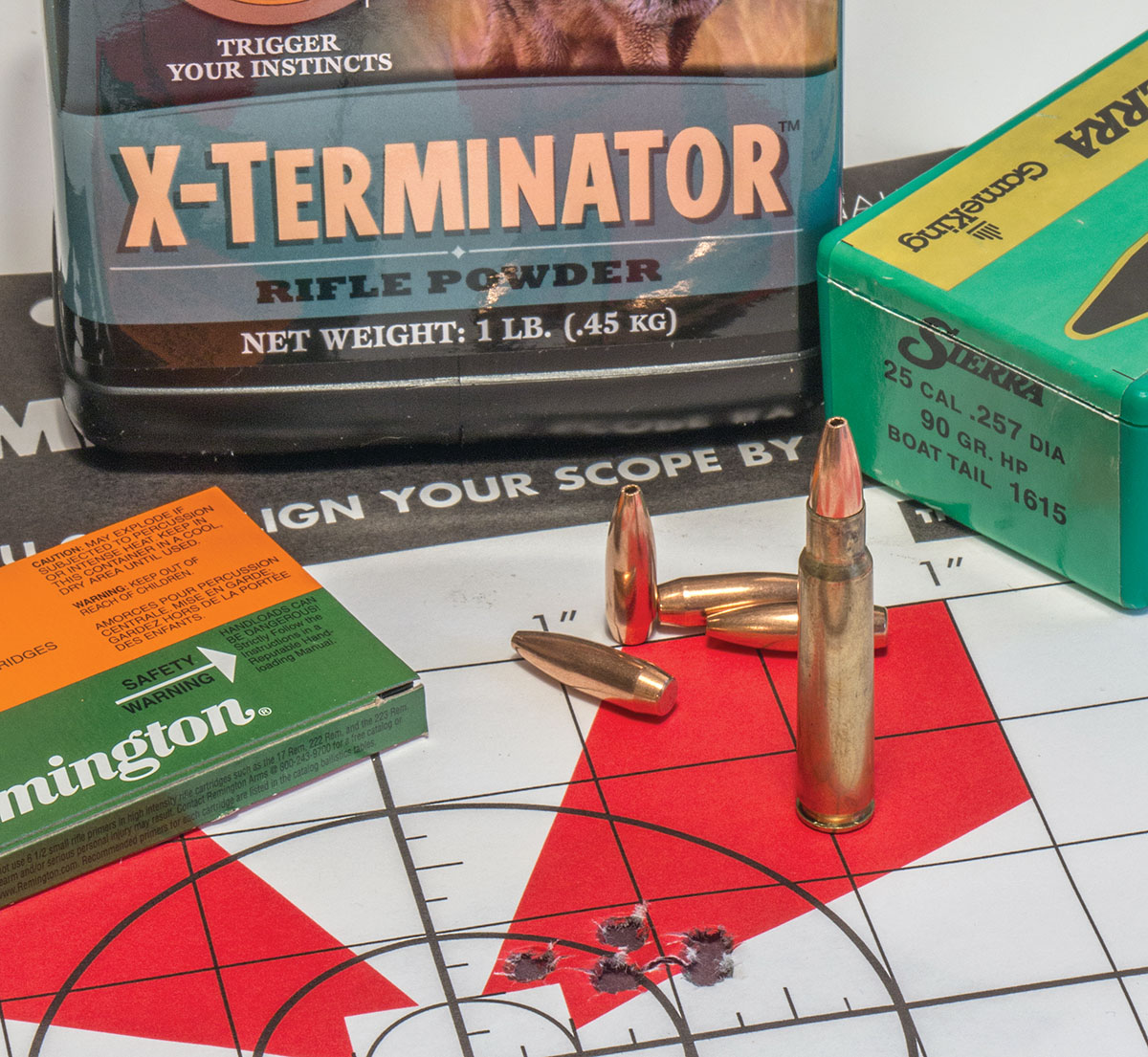
Having used a 223 Remington for everything from prairie dogs to warthogs, I’m convinced that with proper bullets it would have worked just as well in Africa as the 25-45 Sharps. So, again, what’s the point? The 25-45 Sharps is an easy conversion and fairly mirrors the 250 Savage. It allows a hunter one rifle suitable for all varmints and game up to the size of wild hogs and deer. Recoil is minimal, and though factory ammunition is limited, cases are easily made from 223 Remington brass.
I have been told this year Sharps Rifle Company will be offering complete rifles in 25-45 Sharps. New rifles from SRC will come with the company’s innovative Balanced Bolt Carrier (BBC) and Relia-Bolt. The BBC is a complete bolt carrier that is machined from S7 steel, heat-treated and NP3 coated inside and out. The new BBC helps eliminate rotational camming issues during the unlocking process and bolt canting during cycling. The Relia-Bolt has redesigned lugs to help eliminate common AR malfunctions. The BBC and the Relia-Bolt are available as parts for upgrading current ARs or to help with a 25-45 Sharps build. SRC has also been working with various ammunition manufacturers, including Hornady (varmint loads) and Nosler (85-grain big game loads) to offer several new, AR-magazine compatible factory loads. Of course, for shooters who prefer a bolt action, there are any number of 223 Remington-chambered options available both with and without AR-style magazines.