Terminal Ballistics
A Look at Rimfire Performance
feature By: Richard Mann | April, 15
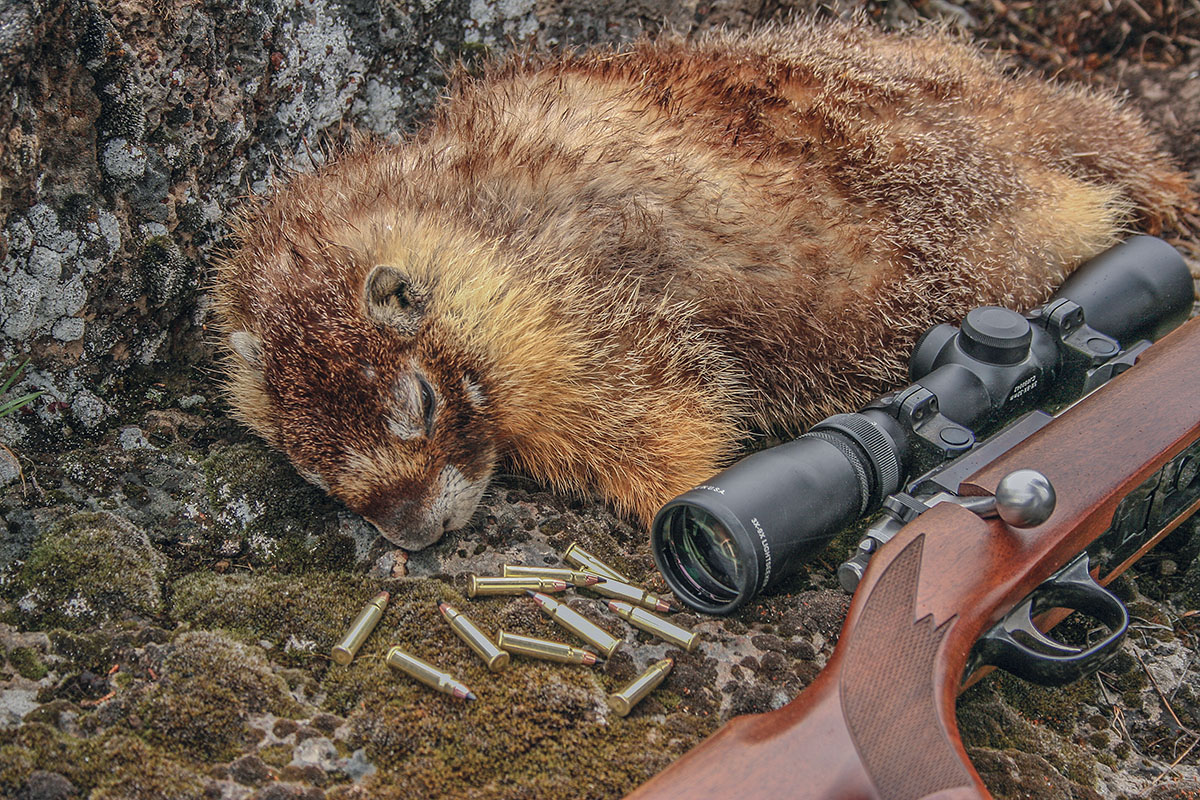
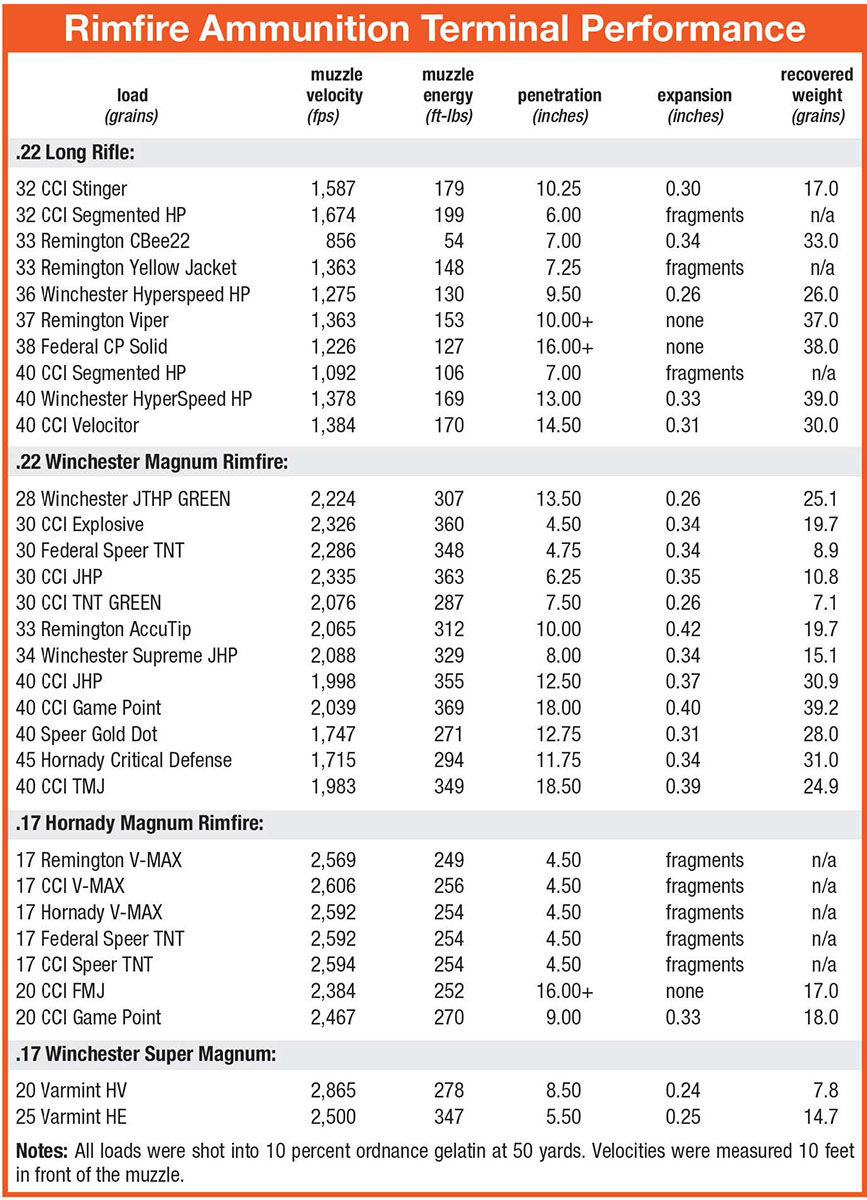
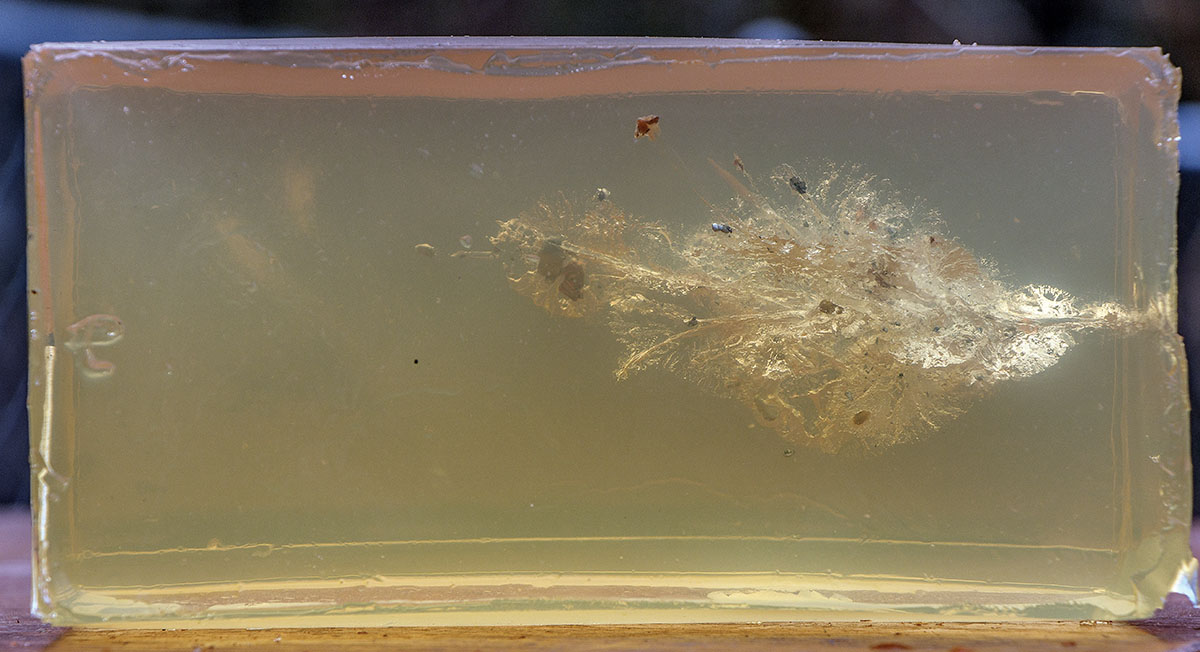
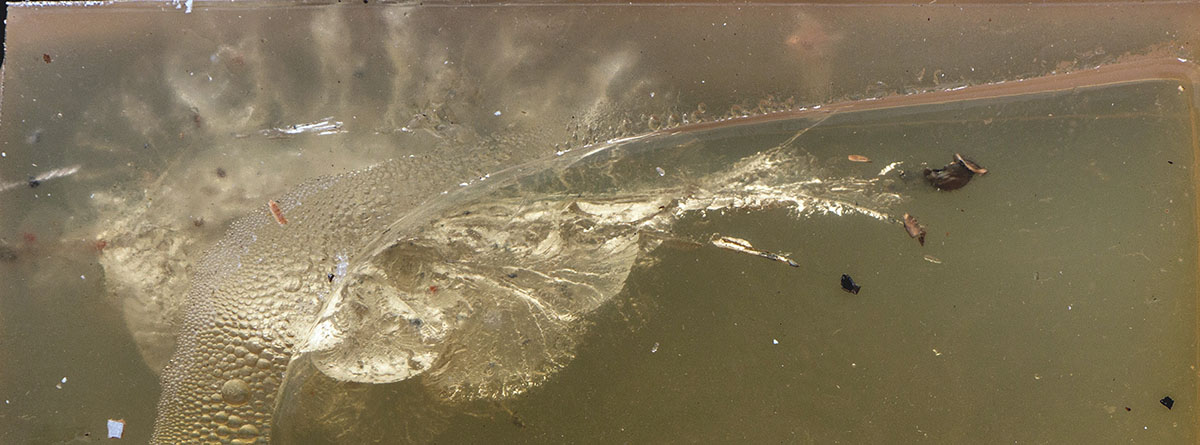
More than 30 blocks of 10 percent ordnance gelatin was mixed to catch bullets. Some loads were surprising, and others were underwhelming. All shooting was conducted at 50 yards, a reasonable rimfire range. Upon completion of testing, a great database of information remained that a varmint shooter might find useful when selecting a rimfire load, or even a rimfire cartridge, to hunt with. What follows are notes on the various loads used and how they held up in ballistic gelatin. An accompanying table shows terminal performance.
22 Long Rifle
Unquestionably the most popular rimfire cartridge, it’s so popular right now ammunition is hard to find. The good news is there are lots of options, and there are loads good for everything from gophers to coyotes.
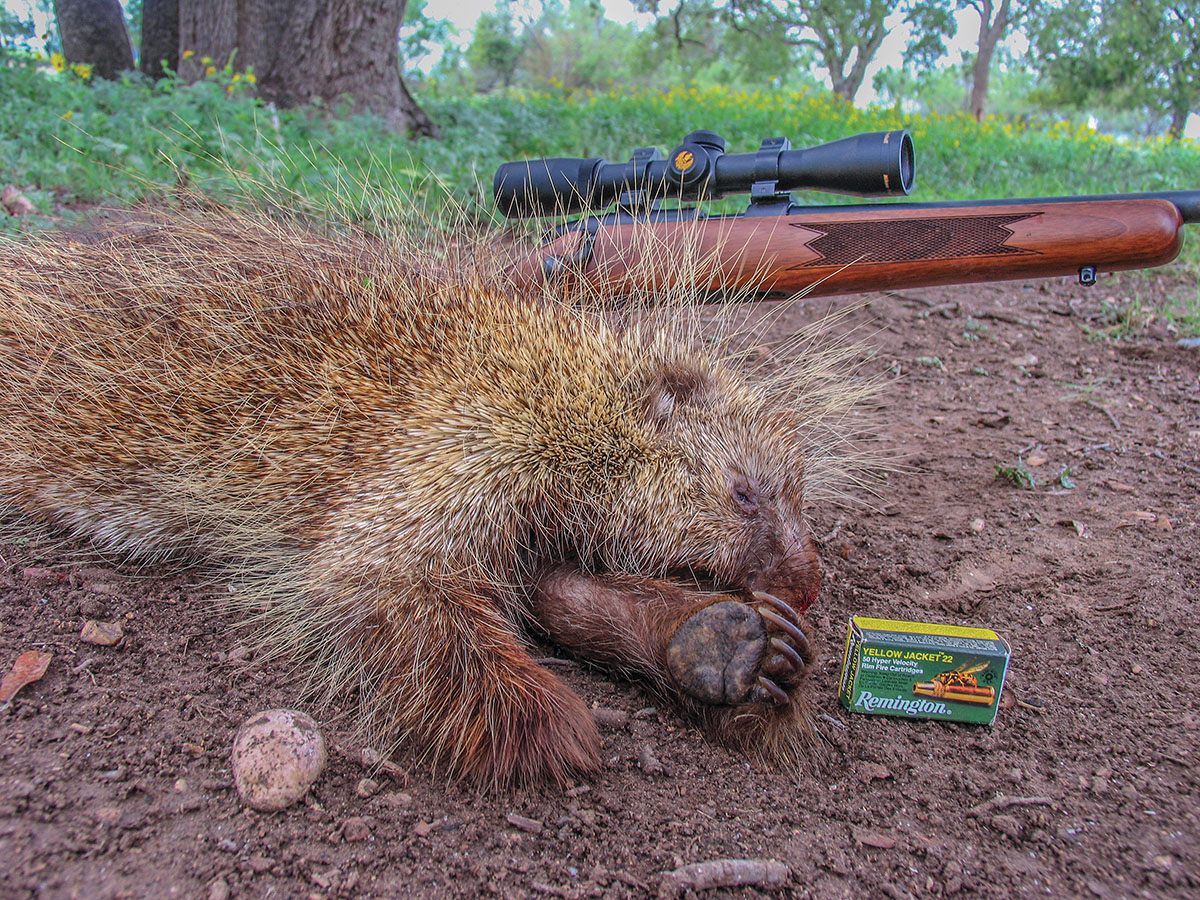
CCI Stinger: The Stinger has a fine reputation for use on small game. This is because, by 22 LR standards, it’s fast and hits hard, despite its 32-grain bullet weight. It also expands well and creates decent wound cavities while penetrating about 10 inches. It makes quick work of gophers and will work well on rockchucks and badgers, but it is a bit volatile for anything but headshots on edible small game. Stingers shoot great out of some rimfires, not so much from others.
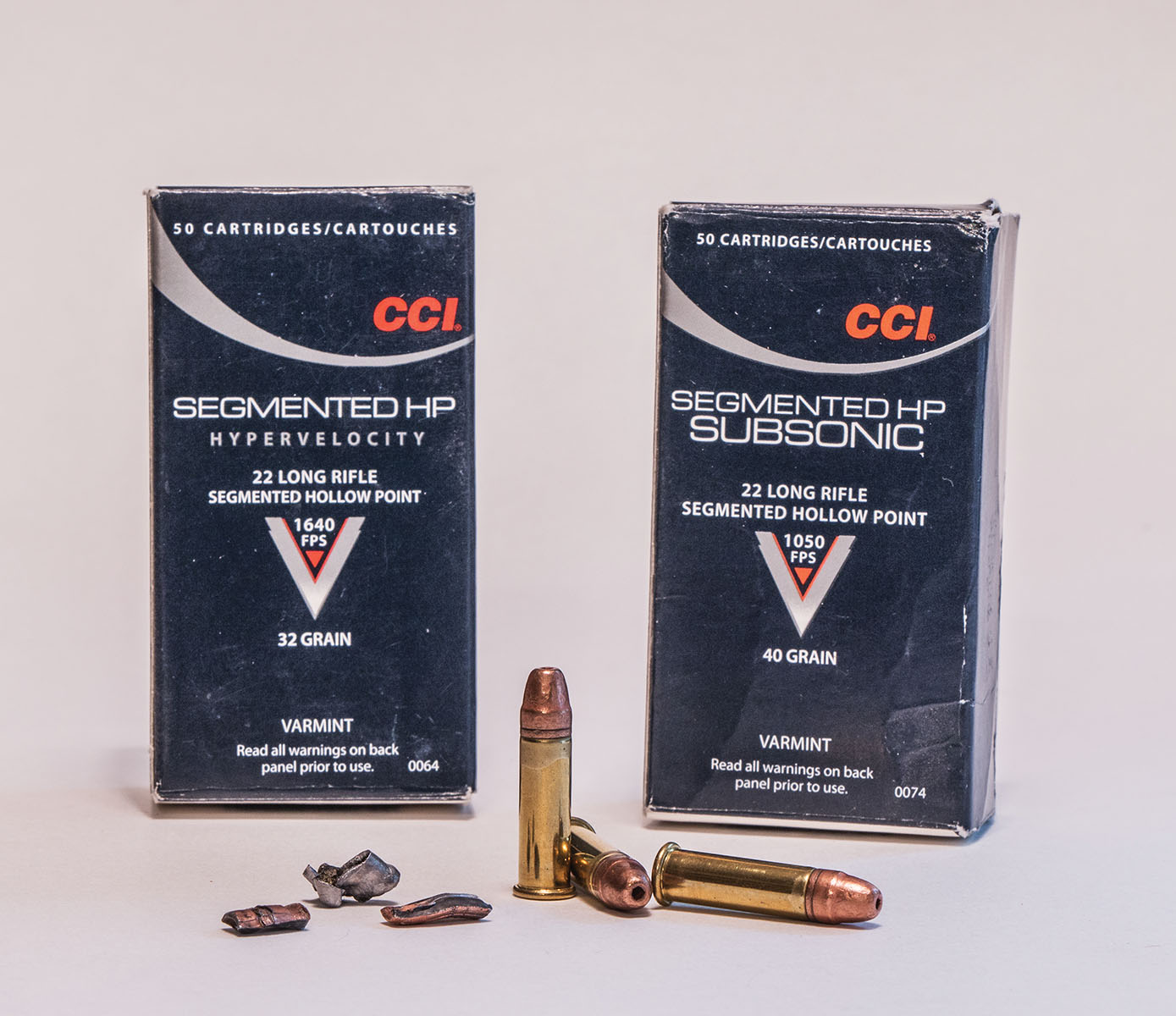
CCI Segmented Hollow Point: Two versions of this load are offered. One is a 32-grain load, the other 40 grains. The lighter bullet is blistering fast and delivers almost 200 foot-pounds of energy on target. The 40-grain load is subsonic, will penetrate about an inch deeper but with only about half the energy. Neither are the most accurate 22 LR loads available.
Remington CBee22: This load was a surprise. Intended to be a low-noise load great for young shooters, Remington reengineered this bullet a few years ago to deliver good terminal performance. Even at a very slow velocity of 850 fps, it will expand and makes for a fine edible game load inside 35 yards or so. Accuracy is about average.
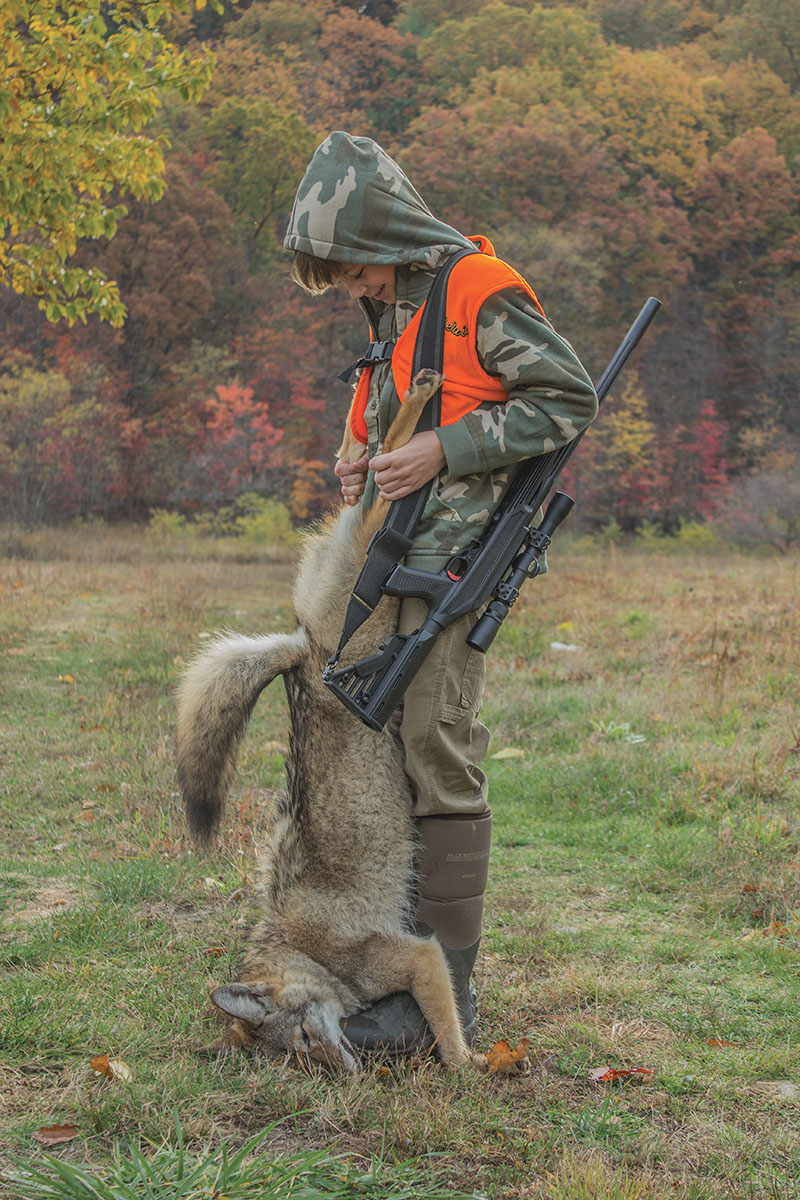
Winchester Hyperspeed Hollow Point: This bulk box load can, at times, be purchased for a savings. Its velocity would be considered normal for a 36-grain bullet, and it will shoot very well out of some rifles and handguns. With almost 10 inches of penetration, it should make for a decent, all-round 22 LR hunting load.
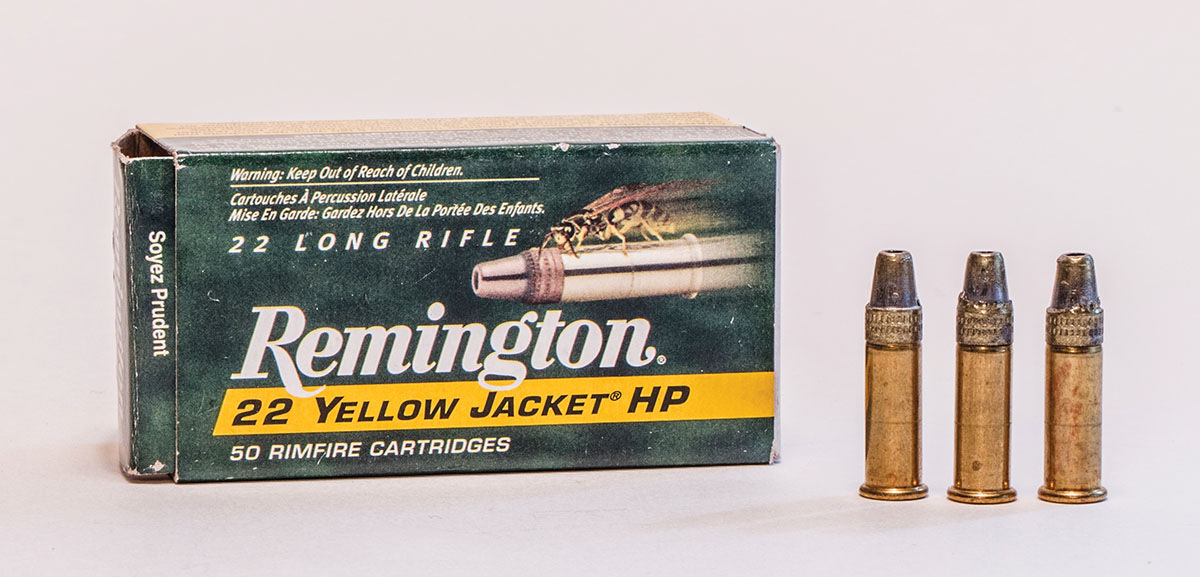
Remington Viper: With about the same velocity as the Yellow Jacket, the Viper differs in that it does not expand. Penetration exceeded 10 inches, and recovered bullets retained 100 percent of their weight. It would make a great, flat-shooting load and should penetrate the largest varmints – but with minimal internal damage. Like the Yellow Jacket, accuracy ranges from good to average.
Federal Copper Plated Solid: This 38-grain load represents the nonexpanding 22 LR loads. It will penetrate very deeply. For head shooting squirrels, it should be sufficient. For edible game, body shots will not damage a lot of meat. Accuracy was outstanding to good, but don’t be surprised if a big fox squirrel makes it in its den after a body shot.
Winchester Hyperspeed Hollow Point: Of all the 40-grain 22 LR loads, this seemingly common hollowpoint might have been the most impressive. Not only did it expand to 0.33 inch, it penetrated 13 inches. It was also tested from a handgun at 10 yards, and the performance was almost identical. Accurate, versatile and affordable, it would make a good go-to 22 LR load.
CCI Velocitor: This was the fastest and hardest-hitting 40-grain load tested. It expanded to 0.31 inch and penetrated more than 14 inches. Like the Winchester 40-grain Hyperspeed HP, it qualifies as an all-around 22 LR load but is a bit more expensive. It shoots reasonably flat and is coyote capable.
22 Winchester Magnum Rimfire
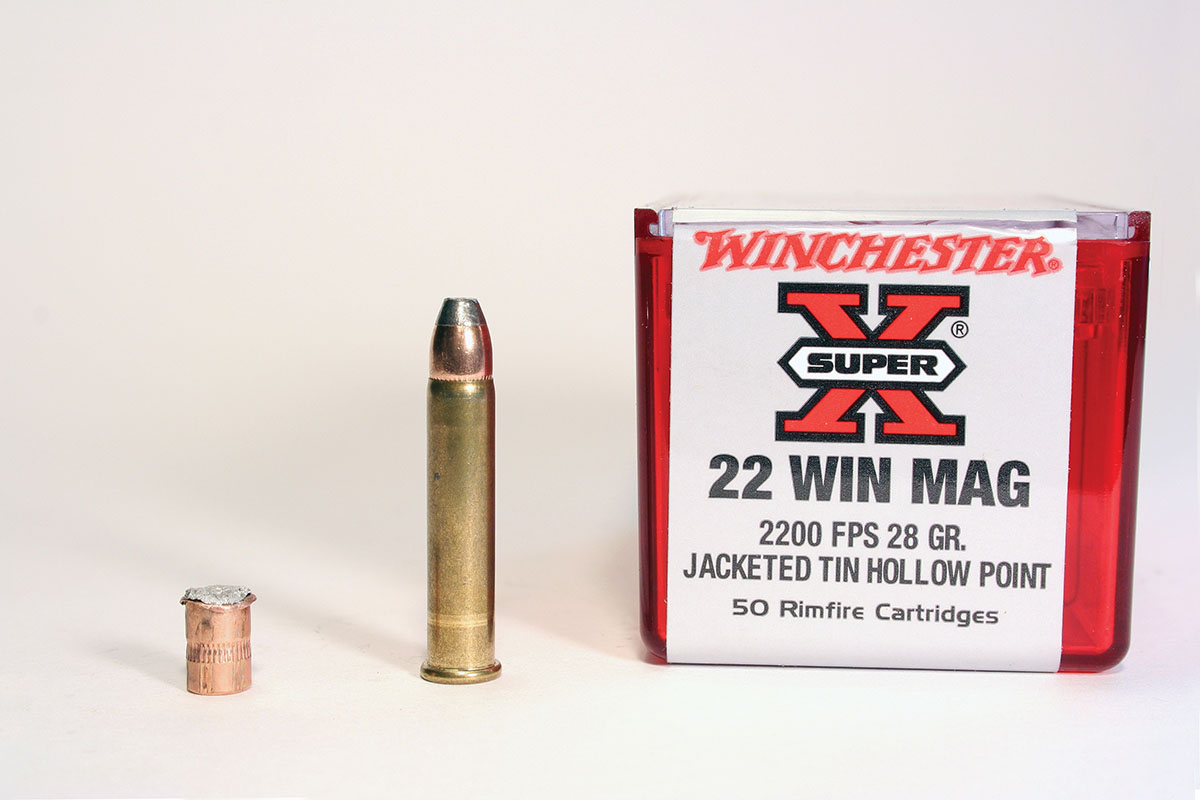
Winchester JTHP Lead Free: If you hunt where lead bullets are not allowed, this load is an option. Penetration is good but expansion is poor, and accuracy is decent to marginal.
CCI Explosive: Don’t overlook this load when it comes to shooting prairie dogs and gophers. Muzzle velocities were high at more than 2,300 fps, and it erupts inside a critter. For all practical purposes, this load equals the 17 HMR 17-grain loads with about 4.5 inches of penetration and a massive wound channel.
Federal Speer TNT: Another eruptive 22 WMR, it’s not quite as potent as the CCI Explosive, but even the largest prairie dog would not know the difference. Recovered bullets weighed less than 10 grains and accuracy was generally excellent.
CCI 30-grain JHP: Though not as violent as the Explosive or TNT, this is still a volatile bullet. Don’t try hunting squirrels with it unless you can make head shots, because there will not be much left to chew on. Headshots should be easy, as accuracy is generally very good.
CCI TNT Green: Another lead-free bullet option for the 22 WMR, testing revealed it to be more accurate than the Winchester green load, and it will penetrate about half as deeply. This is probably not the best choice for shooting edible game in the body.
Remington AccuTip: A good middle-of-the-road offering for the 22 Magnum with performance very similar to the 30-grain Hornady V-MAX load. Penetration was just shy of a foot and expansion was wide and reliable, even out past 100 yards.
Winchester Supreme JHP: One of the most accurate 22 Magnum loads, its 34-grain bullet delivers a nasty wound cavity to about four inches then penetrates about four more. It’s not a great choice for edible game but accurate enough to hit them in the eyeball.
CCI 40-grain JHP: This is the old standby 22 WMR load. It will penetrate a foot or more and deliver expansion out beyond 100 yards. It’s a great general-purpose load and can be had for a few cents less than premium offerings. It’s not as fast or glamorous but still hits as hard as the speedier, lighter bullets.
Speer Gold Dot: This load was created solely for personal protection in handguns. Speer’s intent was to beef up 22 Winchester Rimfire Magnum performance with its Gold Dot bullet technology. Though slower than most loads, expect decent expansion and good penetration. If it shoots accurately in your rifle – and it’s likely to – it might make a decent general-purpose load.
Hornady Critical Defense: With a 45-grain bullet, it’s one of the heaviest 22 WMR loads, was designed with the same intent as the Speer Gold Dot load and delivers nearly identical performance. Accuracy was in the good to average range.
CCI TMJ: At less than 2,000 fps muzzle velocity, it will not impress a chronograph, but it will get a varmint’s attention. It hits hard and expands, even though it’s an FMJ design. Performance is similar to that of the Game Point load.
17 Hornady Magnum Rimfire
Introduced in 2002, it was thought the 17 HMR would be the end of the 22 WMR. For a time it was. The 17 HMR shoots flatly, is very accurate and is still very popular. For long-range shooting at small varmints, the 17 HMR might be the best rimfire option.
17-Grain Loads: All 17-grain 17 HMR loads can, for all practical purposes, be lumped together. They all generate about the same velocity and energy, and they all fragment on impact. Penetration will be around the 4.5-inch mark, and if the bullet has a plastic tip, it will likely be the largest recoverable part. Due to their volatility, none of these loads are ideally suitable for small, edible game unless headshots are taken. With headshots, they will work for any varmint.
17 Winchester Super Magnum
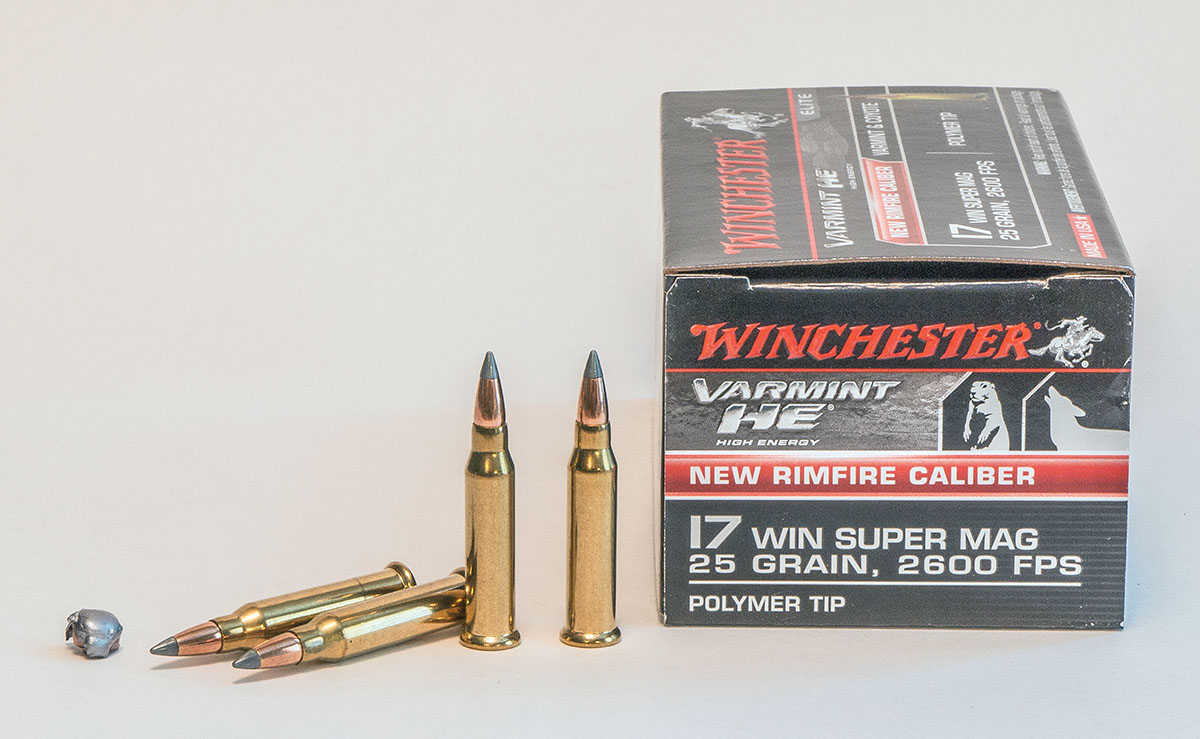
Winchester/Hornady 20-grain polytip: These loads are identical; they just come in different boxes. Like the 17 HMR and 22 WMR loads utilizing Hornady bullets, this is a common practice. One company loads the ammunition and other manufacturers repackage it. From a terminal performance standpoint, it is very similar to 17-grain, 17 HMR loads. It creates a massive wound cavity and penetrates about 5.5 inches. It should be perfect for gophers and prairie dogs as far out as you can hit them, and it should work well for rockchucks and groundhogs out to around 200 yards or so.
Winchester 25-grain polytip: Though slower, this load delivers the same energy as the 20-grain load but does not shoot as flatly. It will penetrate about twice as deeply. This is probably the best option for larger game, such as bobcats and coyotes.