6mm Norma BR
Now Available in a Savage Production Rifle
feature By: Stan Trzoniec | April, 20
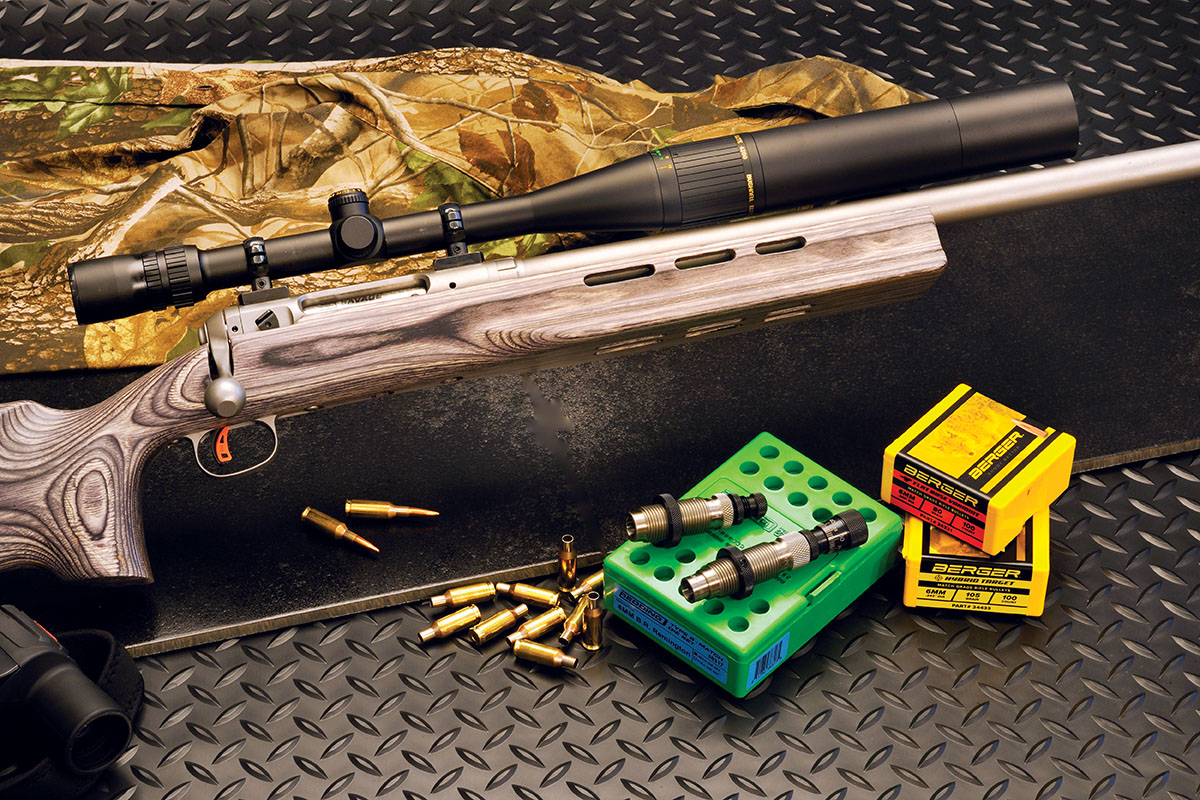
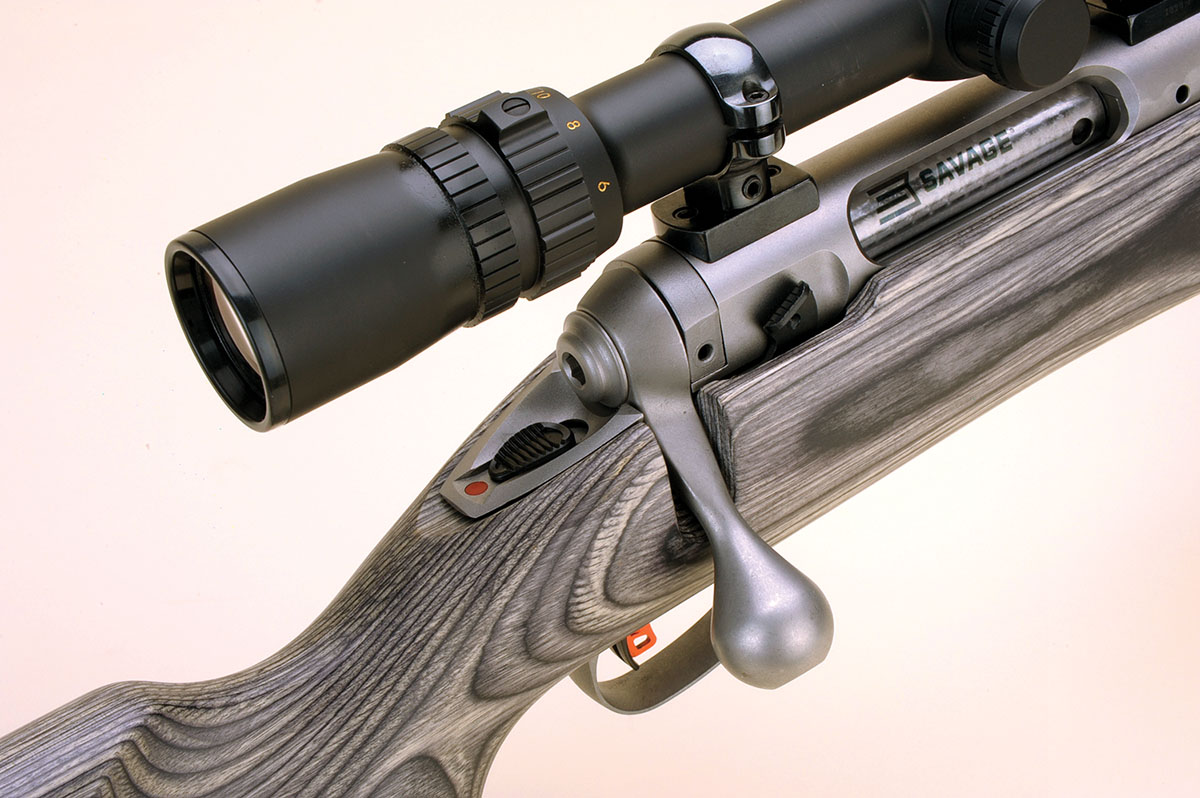
Looking at the catalog, the Model 12 Benchrest is listed under precision and target rifles. When it comes to specialty rifles, Savage is there to supply the need. On the pages of the catalog you will find rifles with names to fit their applications, like the Model 12 Palma, 12 F/TR, F Class, Benchrest, Long Range Precision and the Model 112 Magnum Target. With chamberings from the 223 Remington up to the 338 Lapua and stocks to fit many requests, there is really something for everyone.
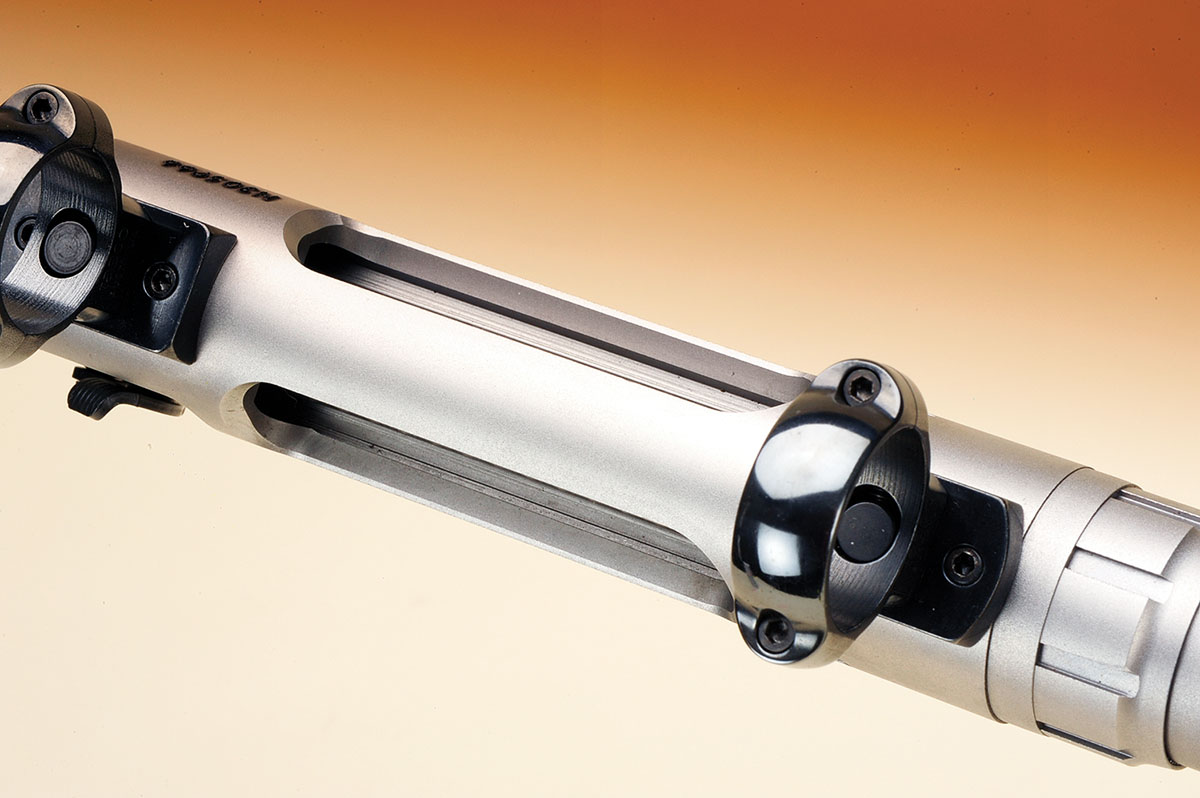
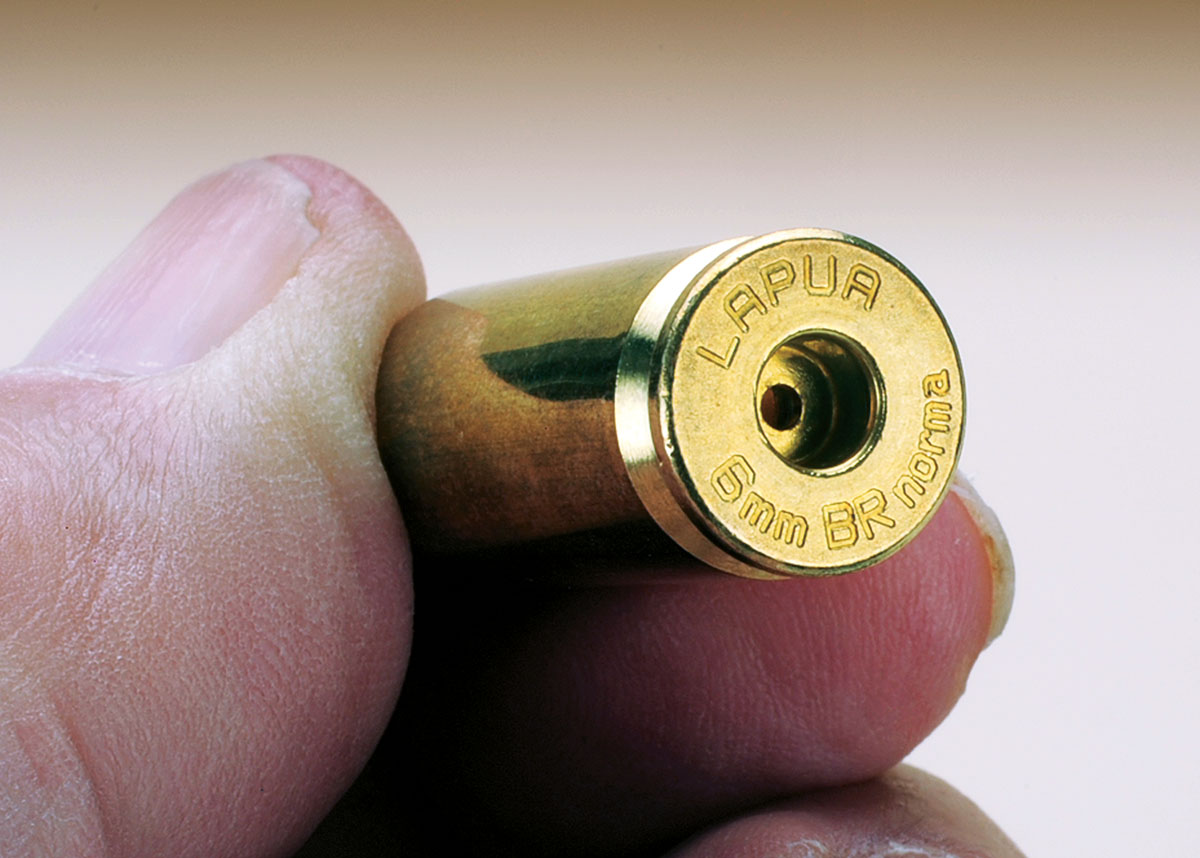
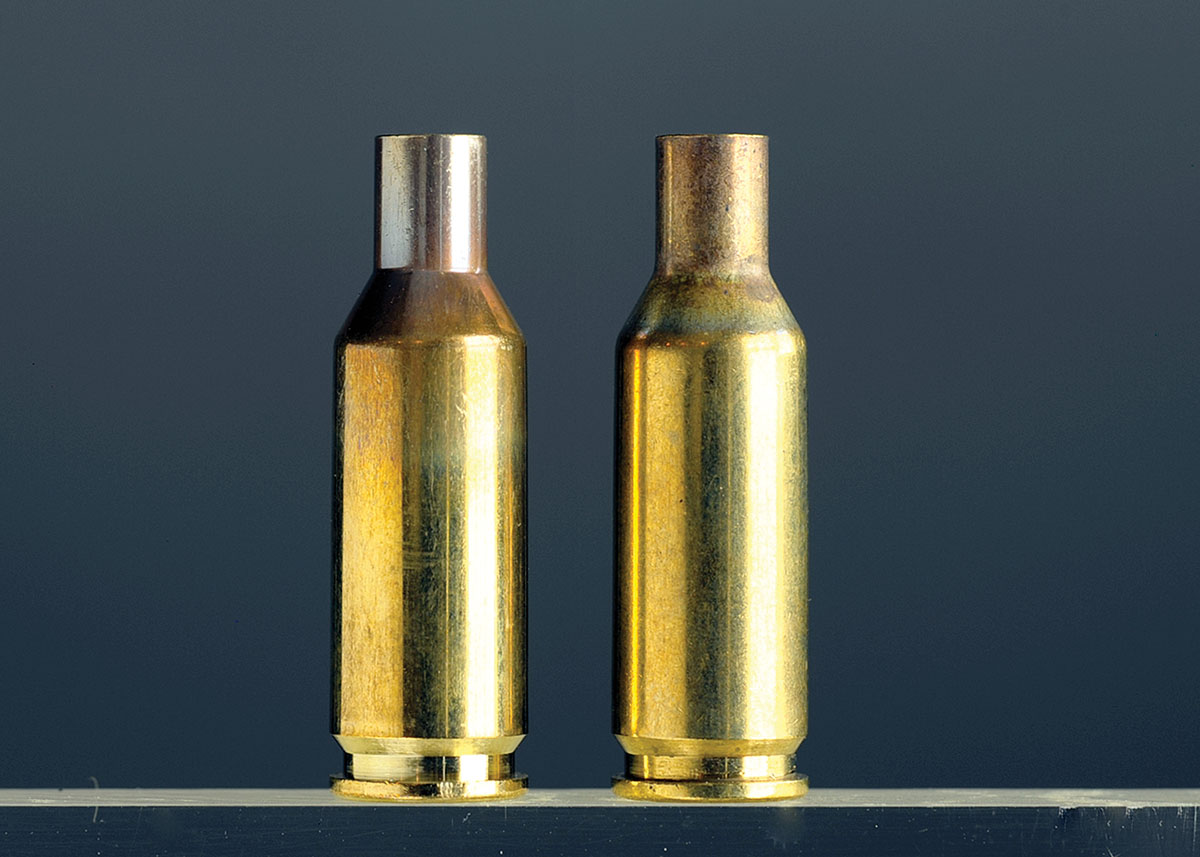
With the test rifle all set, the 6mm Norma BR cartridge is next. First, let’s consider the 6mm Bench Rest Remington and the 6mm Norma BR.
Essentially, both cartridges are the same. In short, and what I have researched, is that while the Remington made rifles are machined with a shorter throat to accept bullets up to 70 grains, the Norma version was designed for rifles with longer throats to accept bullets over 100 grains for
Working with this cartridge, a few more interesting facts came to light. For shooting long strings of test or hunting loads in the field, recoil is extremely easy to take. Granted we are dealing with a long-barreled, 15-pound gun from a rest, but after all the smoke has cleared, I am going to have a sporter rifle chambered for this cartridge for woodchuck hunting using lighter bullets. When it came to overall length of the case with the bullet, I found that for most use, setting the seating die between 2.100 to 2.115 inches, especially for the 90-grain bullets, put me on the mark all the time.
According to many, and I concur, the cartridge is easy to work with, very accurate, versatile, and for serious target shooters is good for distances at least as long as 600 to 1,000 yards. Match grade bullets are now available made to extremely close tolerances, powders are the best they have ever been, and while there may be some Remington cases around, it seems the “go-to” brass right now is from Lapua. Uniformity is excellent, as is quality, and right out of the box, this product is ready to go. My experience with the short, stubby 22 Remington BR set the pace for me years back for precision to the point where I had a custom rifle made, and on a Remington Model 700 action, accuracy was better than I expected.
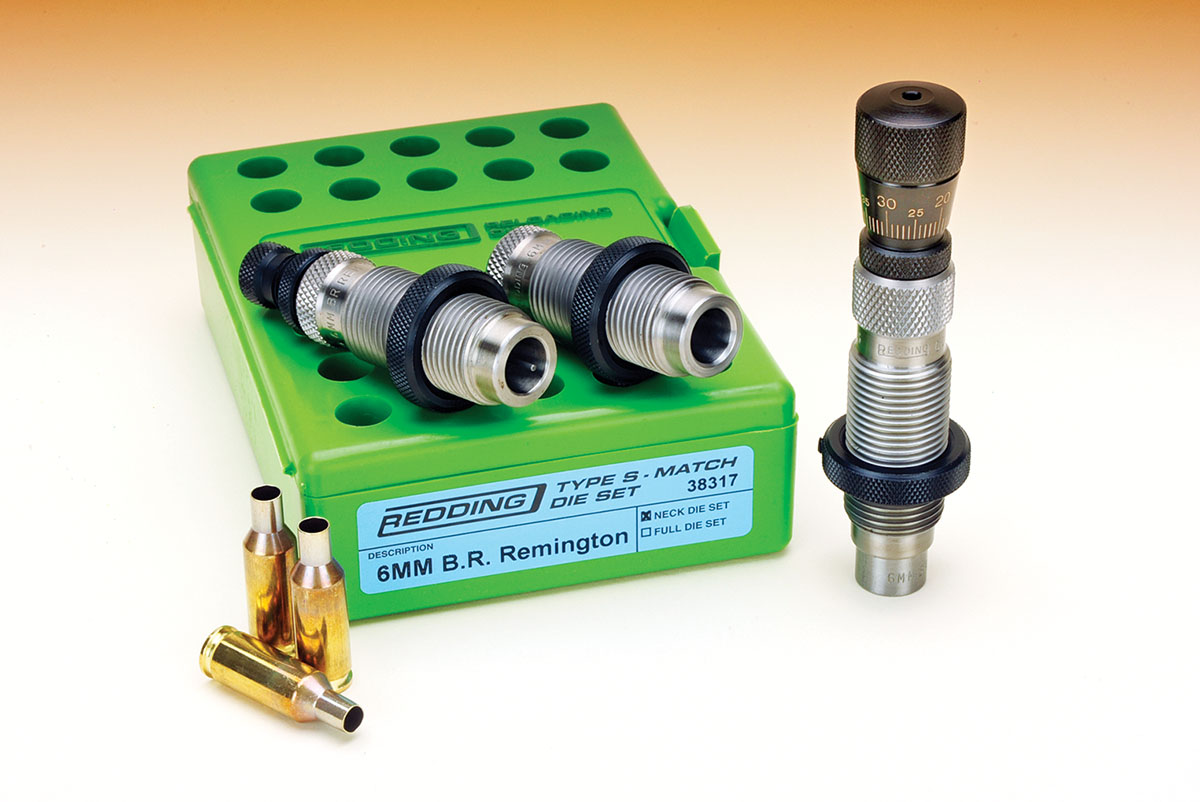
With the new rifle on hand and Lapua brass in the works, the next item was a good set of bench rest dies. For this, I turned to Redding and with an inquiry, friend Robin Sharpless returned with the following information. He noted I would need their Type-S Match Bushing neck die set that includes a Bushing Neck Die, a Body Die to bump the shoulder and resize the case, plus its Competition Seating Die. Redding would also need some samples of my brass to make sure I had the right bushing based on the physical dimensions of my cases. As it turned out, the .266-inch bushing did the trick and I was on my way.
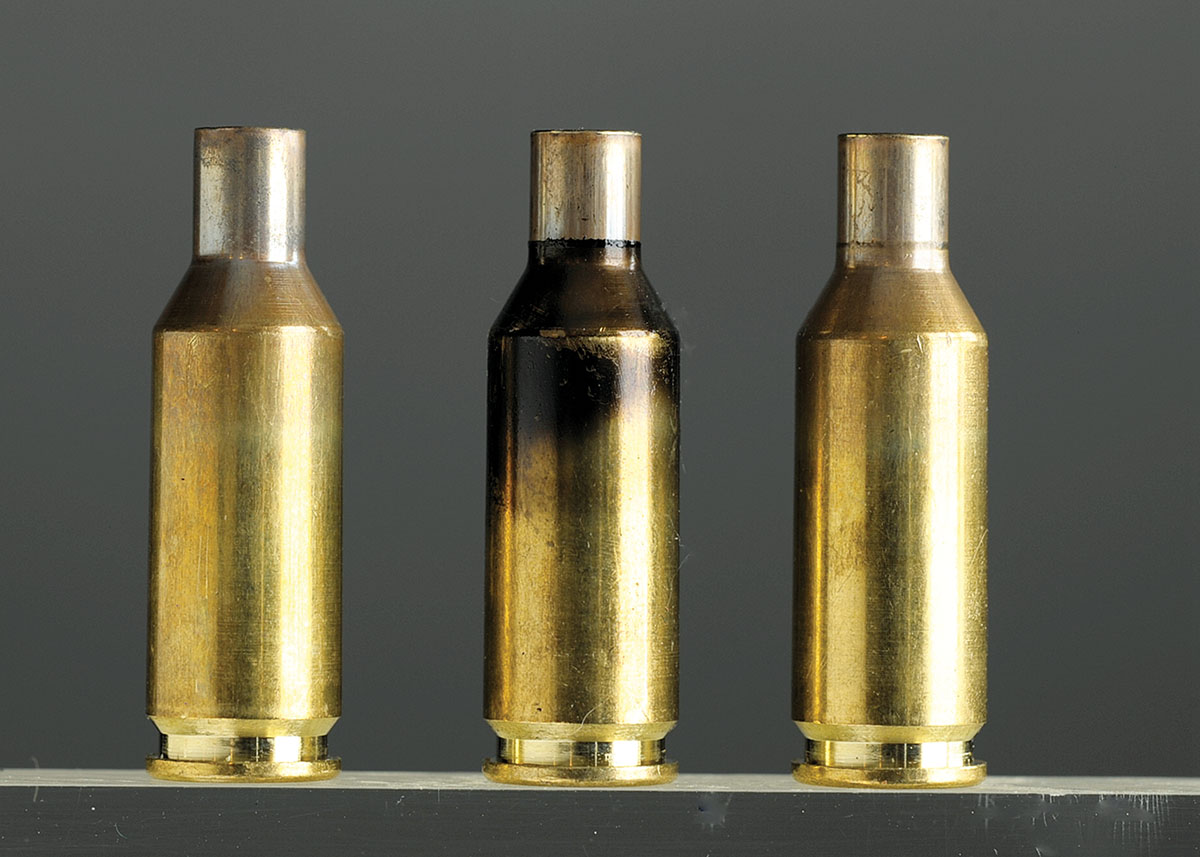
For an initial run, I sized, loaded and fired off over 50 cases in the Savage. Looking at the brass, out of the box, outside dimensions (OD) came in at .268 inch. After firing, it was .270 inch, and with sizing the neck came in at .266 inch with the inside diameter at .242 inch. By the way, on this first run with the rifle to get it sighted in, I used Berger 80-grain FB Varmint bullets with 30 grains of Varget. After firing 10 shots to get the barrel settled in, I fired a casual three-shot group at 100 yards that measured a curt at .590 inch. I was hooked on this 6mm variant!
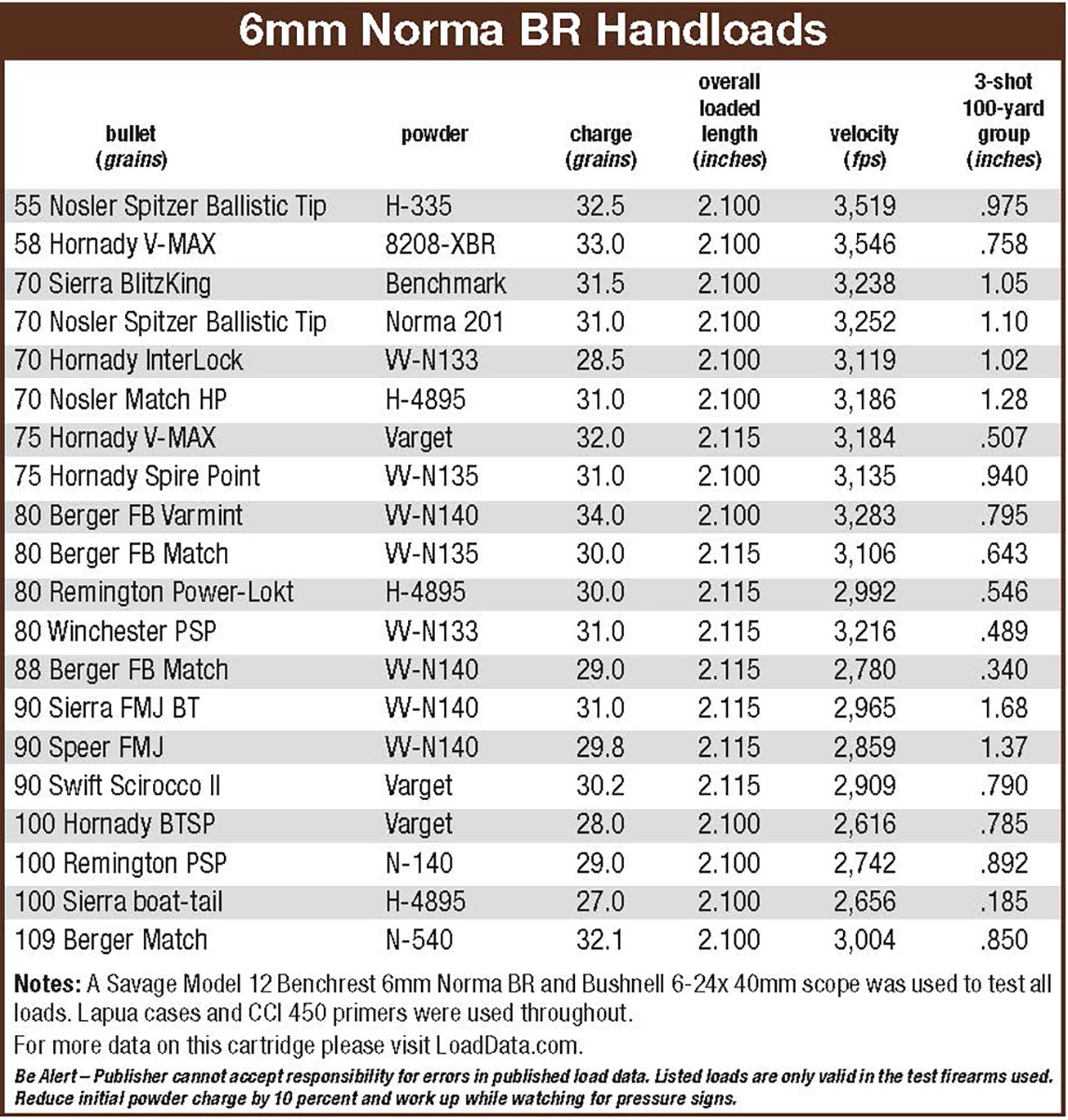
Bullet choice is wide. I tried a lot of them in the Savage with no favoritism to any. Studies showed many shooters favor the Berger line; others go to Hornady, Sierra, Speer or Swift. After many trips to the range, the Sierra, Berger and Hornady products seem to be the best in my rifle. For a complete list and the outcome of all, see the table in this article.
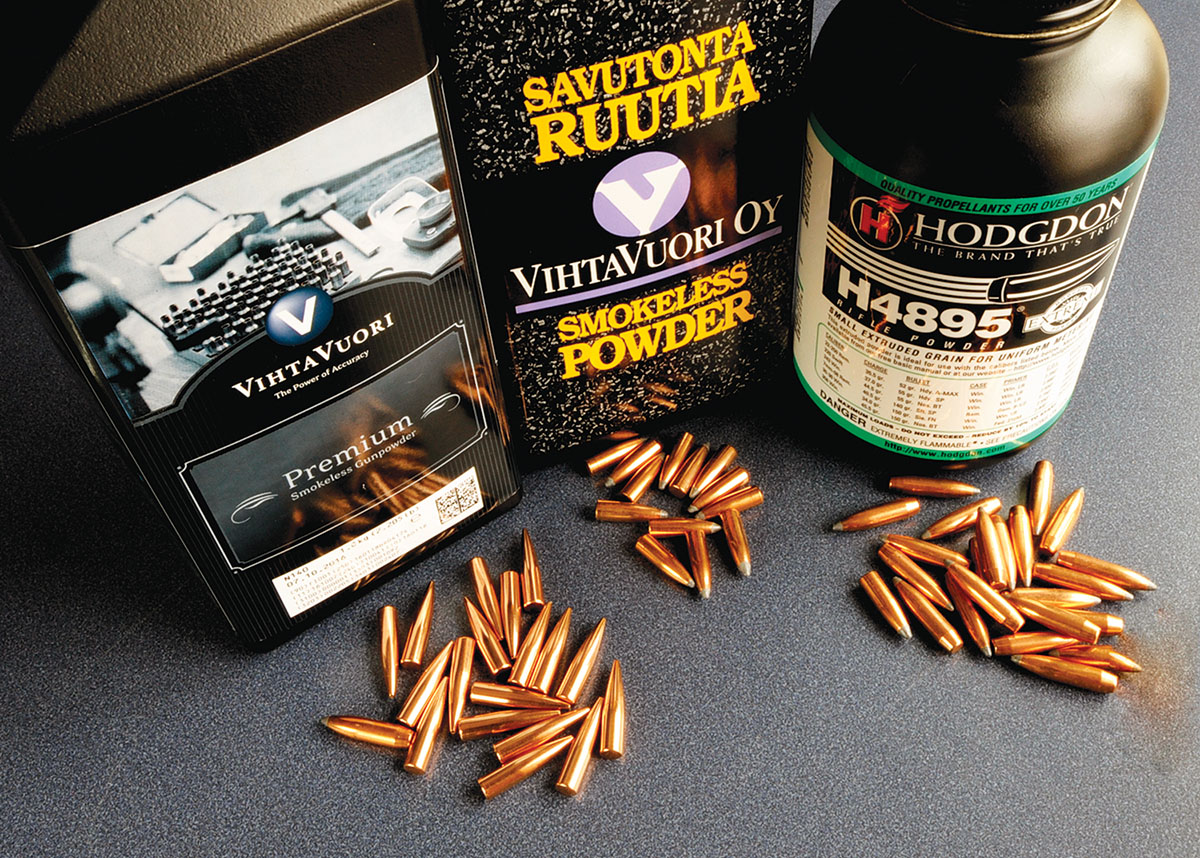
Powders are yet another matter. Since I am going by various manuals and research now, when it came down to the final results, I found five powders that stood out from the rest. For the record, my recommendations go to H-4895, Vihtavuori N-133, N-135, N-140 and Varget for bullets up to 105 grains, which is the area we will be dealing with. Other powders handloaders might try including Accurate 2015, Accurate 2230, Benchmark, Norma 201, H-335, IMR-8208 XBR and Vihtavuori 540 with equally fine results.
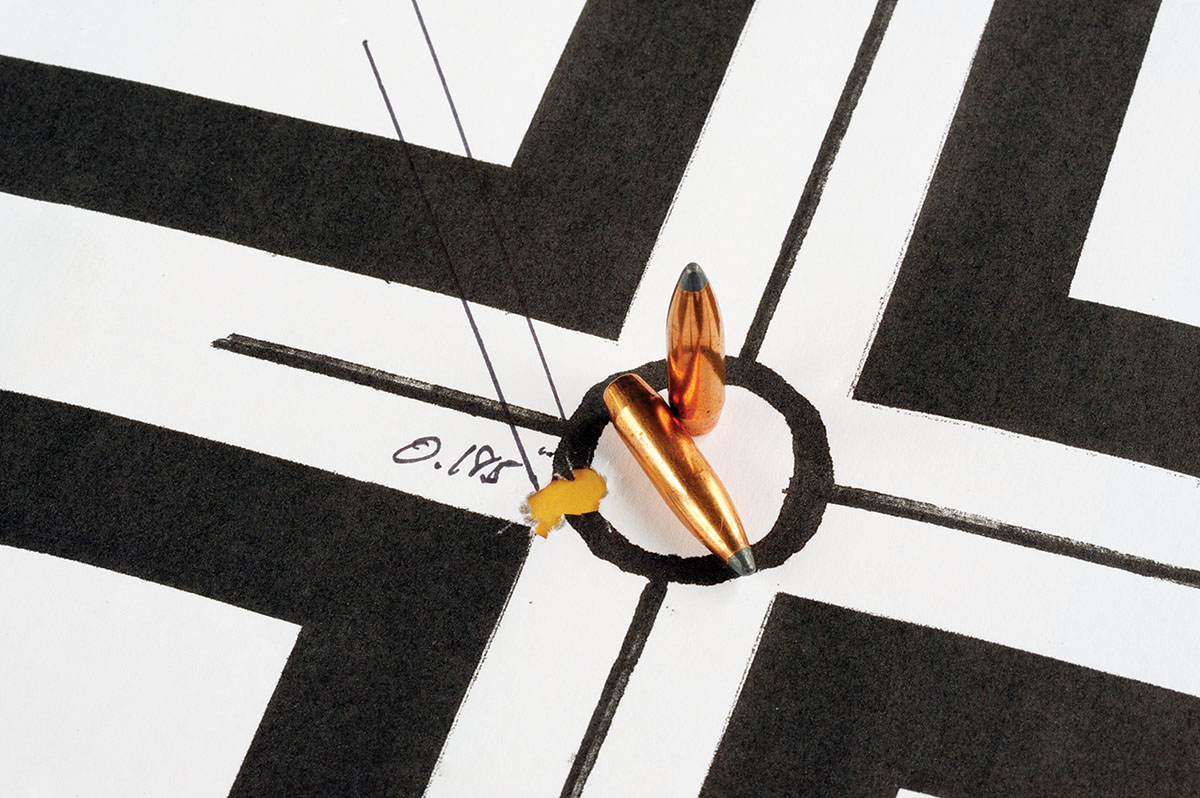
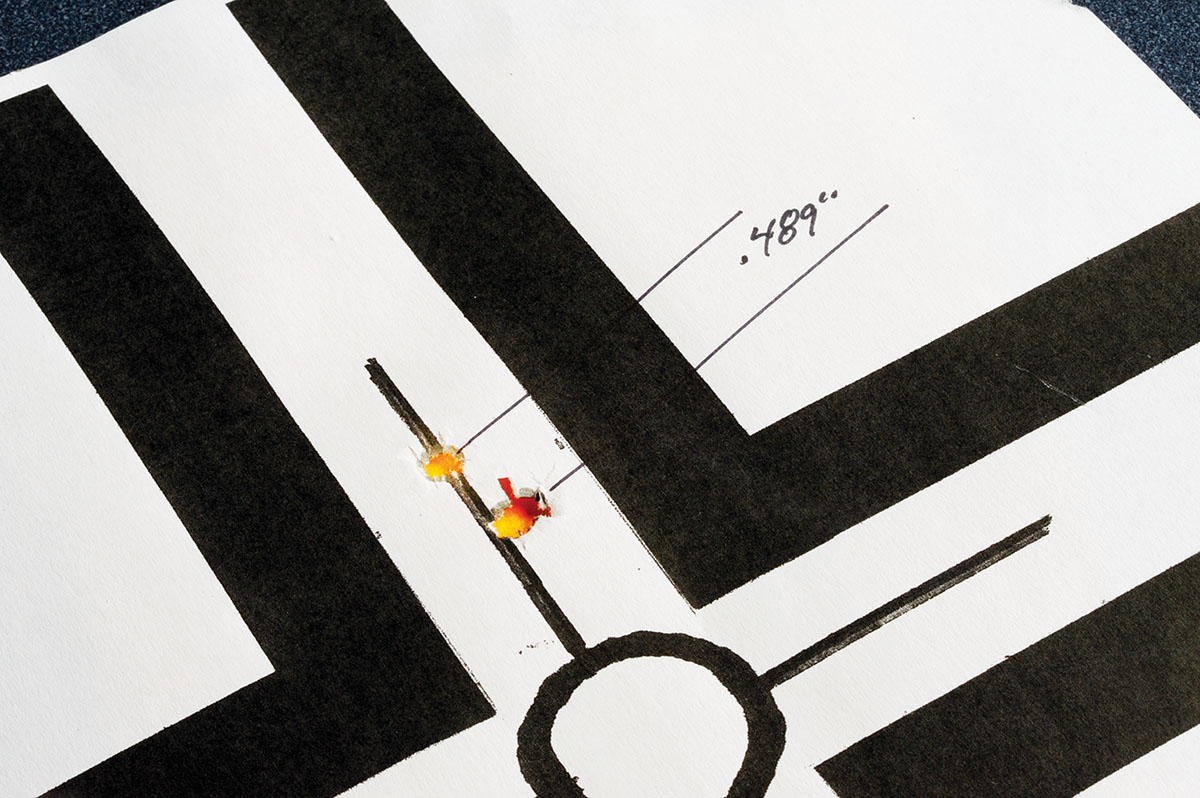
Working with these powders, I immediately found them ideal for precision shooting, especially when you want to load dozens of loads at a time for extended shooting sessions. They are easy to meter, economical and accurate. For example, Vihtavuori N-133 was easy to meter and could be counted on to give exact charges. In the 80-grain bullet range, it gave the best velocity (3,216 fps) with the best group .489 inch. Hodgdon’s H-4895 is outstanding with this cartridge and produced the best group of the whole session at .185 inch at 100 yards. All of the rest shot very well, and working with each showed that it seems the manufacturers made these powders with the precision shooter in mind. For primers, I will stick to the CCI 450 for all testing.
After I had enough fireformed cases, reloading began in earnest. For the most part, this cartridge is one of the most accurate I have ever used, with records being held for long-range and benchrest competition out to 600 yards and beyond, so attention to details will net groups to be proud of off the bench and for use in the field. The first thing would be to get a good target to shoot at. With my scope, the reticle was a dot with crosshairs out to the sides in four directions, so I designed my own. To make shooting as accurate as possible, I wanted the circle on the target to just show daylight around the dot at 100 yards. In this way, I could use the crosshairs to level the scope, while the dot would center the rifle and scope perfectly downrange. Trial and error showed the right diameter, and once I had it right, 100 copies were made for range use.
Coming down to the wire, I found equally good results over a wide range of bullets and manufacturers. Ranking them in order of group size, the pick of the litter was the Sierra 100-grain boat-tail over one of my all-time favorite powders with 27.0 grains of H-4895. Group size at 100 yards was an incredible .185 inch for three shots at 2,656 fps. This was not a onetime event either, as other groups with the same bullet/powder combination came in plus or minus .200 inch.
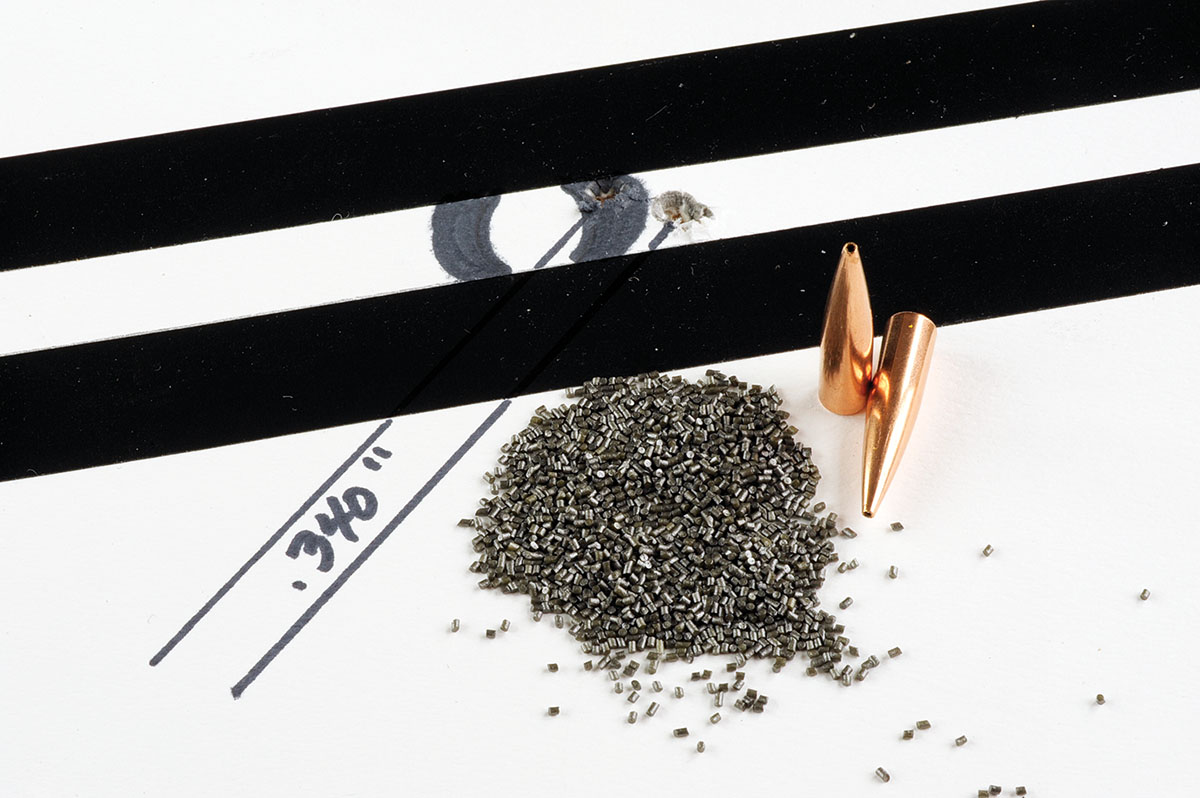
Next was the Berger 88-grain Match with 29.0 grains of Vihtavuori N-140 for a nice tight group of .340 inch at 2,780 fps. From Winchester, its 80-grain pointed softpoint with 31.0 grains of Vihtavuori N-133 hit the mark with the best grouping of .489 inch at 3,216 fps. Fourth place went to Hornady and its 75-grain V-MAX that is going to be perfect summer chucking. With a mean velocity of around 3,200 fps and groups circling .507 inch, this is going to be a great load when the weather turns balmy and the chucks range further out. Fifth place is reserved for a batch of Remington 80-grain Power-Lokt hollowpoint bullets that came in at a half inch with 30.0 grains of H-4895. Finally, to roundup a half dozen selections, Berger again made the list with its 80-grain flat base Match bullet with 30.0 grains of Vihtavuori N-135 for a group measuring .643 inch at 3,106 fps. Looking at the list for the most accurate weight in accuracy, one came in for the 100-grain bullet, four were in the mid-weights or 80 to 88 grains, while one finished in the 75-grain category.
For those who might like to try factory ammunition as a standard to compare your reloads to, Lapua and Norma offer commercial ammunition in 90- and 105-grain offerings. With its 90-grain Scenar bullet, the company gets 3,050 fps out of a 26-inch barrel. Checking my results, I got up to 2,909 fps in a 29-inch barrel with a 90-grain Swift Scirocco II spitzer and groups hitting .790 inch.
If you are looking for a final word on the 6mm Norma BR, I found it a pleasure to work with. The cartridge seems to be accurate, easy on the recoil and economical to load. While not going into too many hard to understand or technical details, the round gives you just enough of a challenge to work out in your gun room and shooting bench with powders, bullets and precision loading dies. While most of us don’t need a benchrest rifle like the Savage, Cooper Arms and E.R. Shaw chamber this cartridge in their rifles, so you have no excuse in not trying it in the future.