Hodgdon Varget
The Do-All Varmint Cartridge Powder
feature By: John Haviland | April, 20
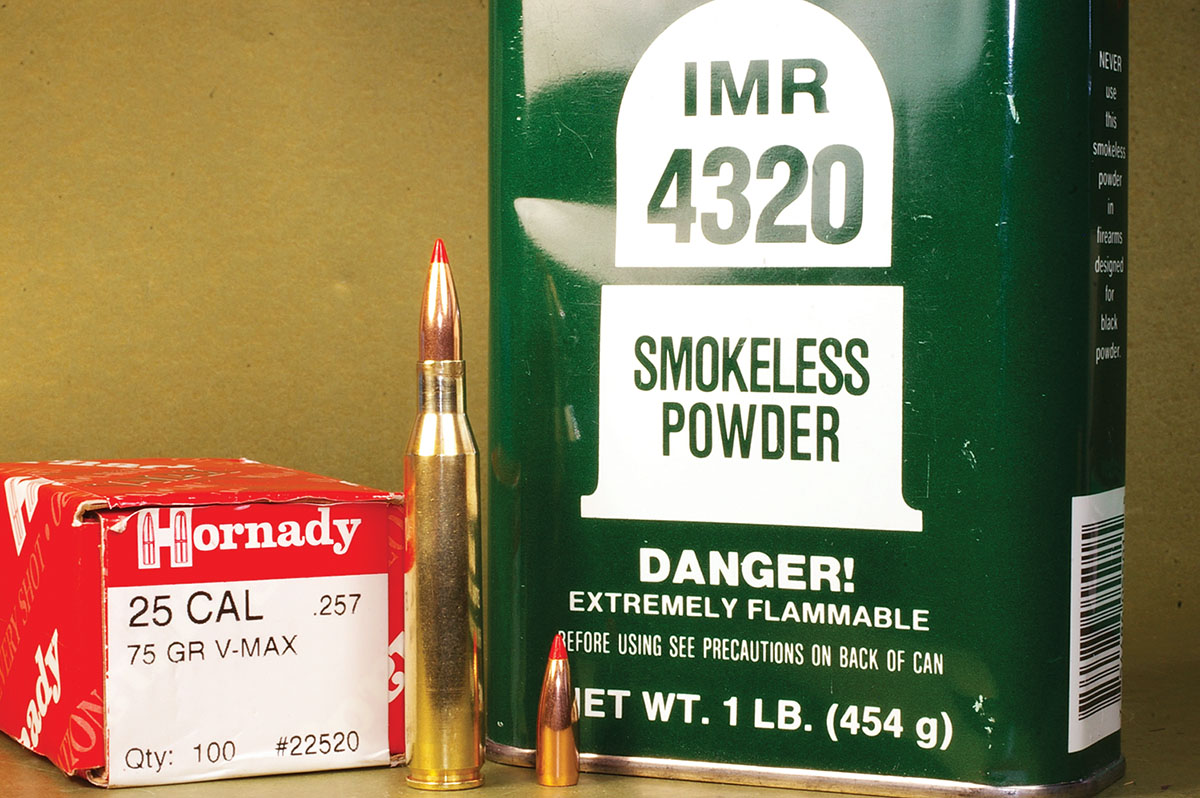
When I started handloading for the 22-250 in the 1980s, I experimented with several popular powders for the cartridge. Maximum amounts of W-748 and IMR’s 3031, 4064 and 4320 gave Speer 52-grain bullets a muzzle velocity between 3,500 and 3,600 feet per second. Jim Carmichel, in his book, The Modern Rifle (1975), wrote of the 22-250: “My favorite handload is one of the 52- or 53-grain benchrest-grade bullets made by Hornady, Speer, Sierra, Nosler etc., backed by 38 grains of IMR-4320. This goes close to 3800 fps in a 26-inch barrel and will usually squeeze the last dollop of accuracy any rifle has to offer.”
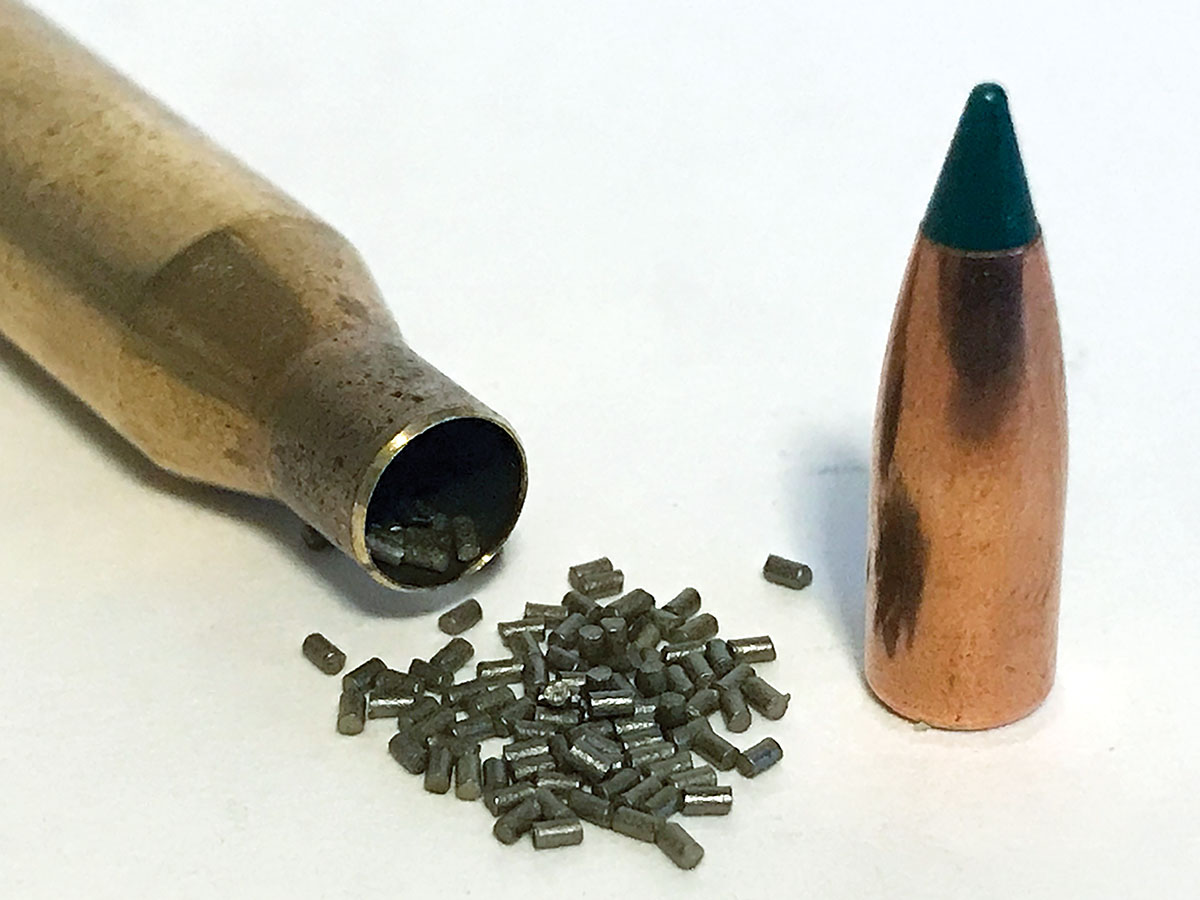
However, that amount of powder was a grain or two over the maximum listed in various reloading manuals of the time. I settled on 36.0 grains of IMR-4320 for a velocity of 3,539 fps for Speer 52-grain hollowpoint bullets. Groups at 100 yards with this combination averaged .75 inch. Once in a while groups shot tighter. They never went over an inch. IMR-4320’s short kernels also allowed dispensing a precise amount of powder from my powder measure. That saved a lot of time at the loading bench, because over the following years I burned 12 pounds of IMR-4320 through the barrel of my Ruger 77V 22-250.
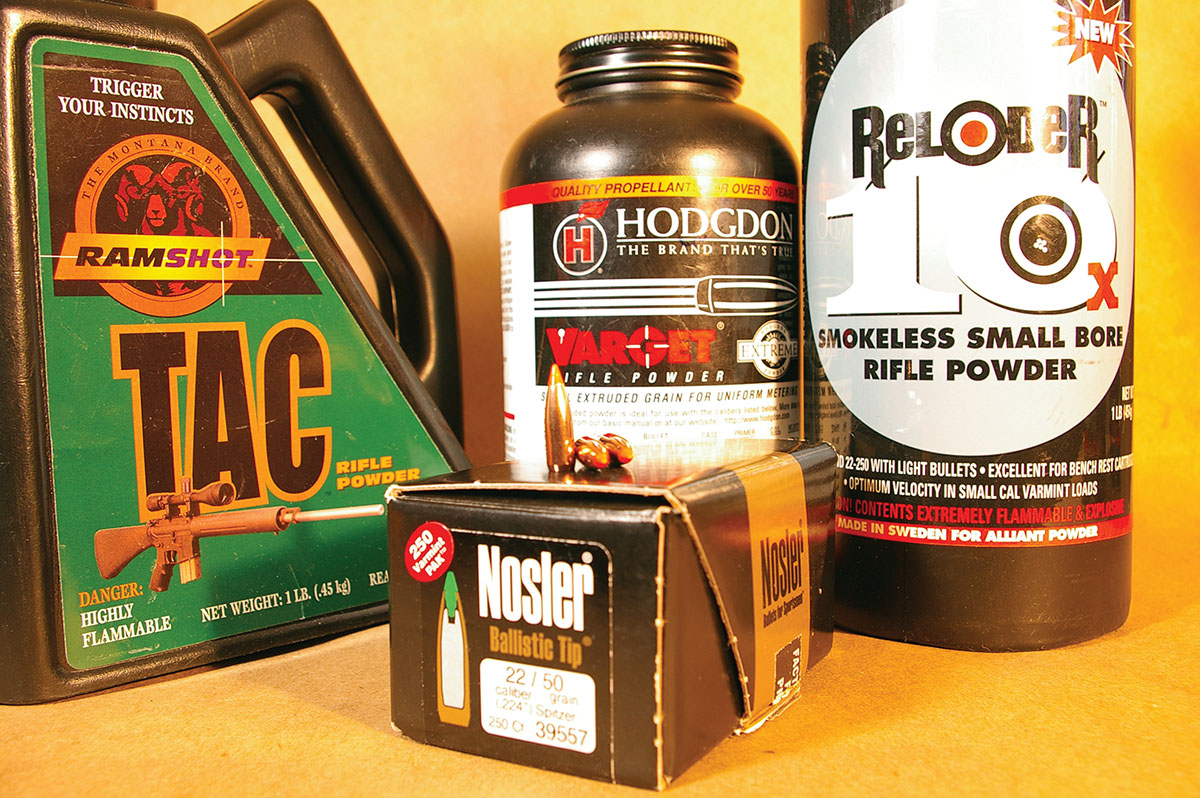
I eventually pulled my head out of the IMR-4320 can in ensuing years when I started shooting numerous other rifles chambered in 22-250 and also 223 Remington, 243 Winchester and several other cartridges about the time when the spring green grass starts to grow. Too, advancements in powder technology further cemented a switch to Hodgdon Varget, which has a relative-burn rate similar to IMR-4320.
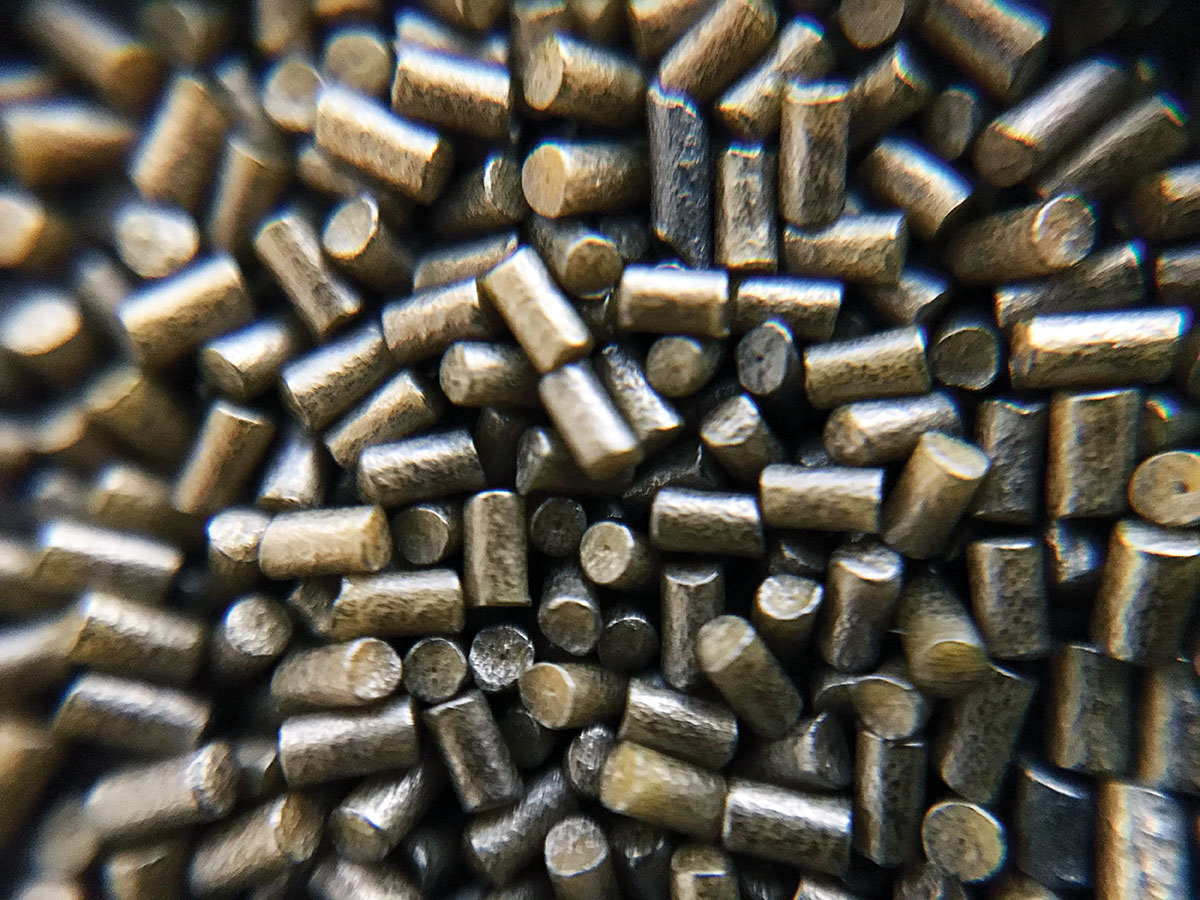
Hodgdon introduced Varget in 1996 as its first Extreme extruded single-base powder that, according to Hodgdon, provides consistent velocities shooting during the sweltering heat of summer and cold of winter. Hodgdon also states Varget contains higher energy for increased velocities compared to other powders in its burning-rate class and easily ignites and burns cleanly. Varget’s small extruded kernels also flow smoothly through a powder measure to produce precise charge weights. Varget likewise produces fairly low extreme velocity spreads when used for reduced velocity and cast bullet loads.
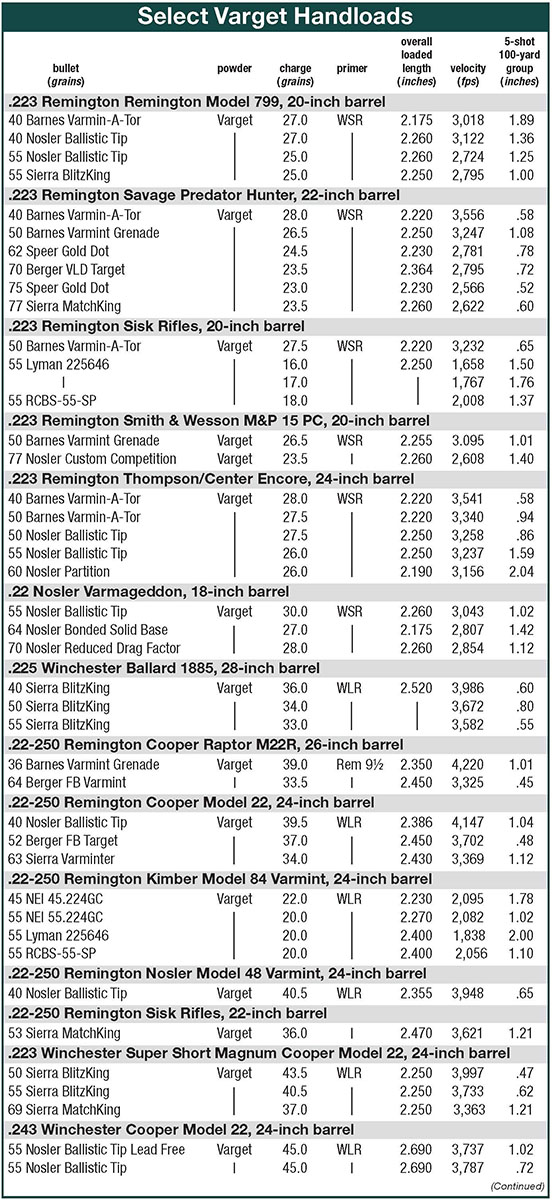
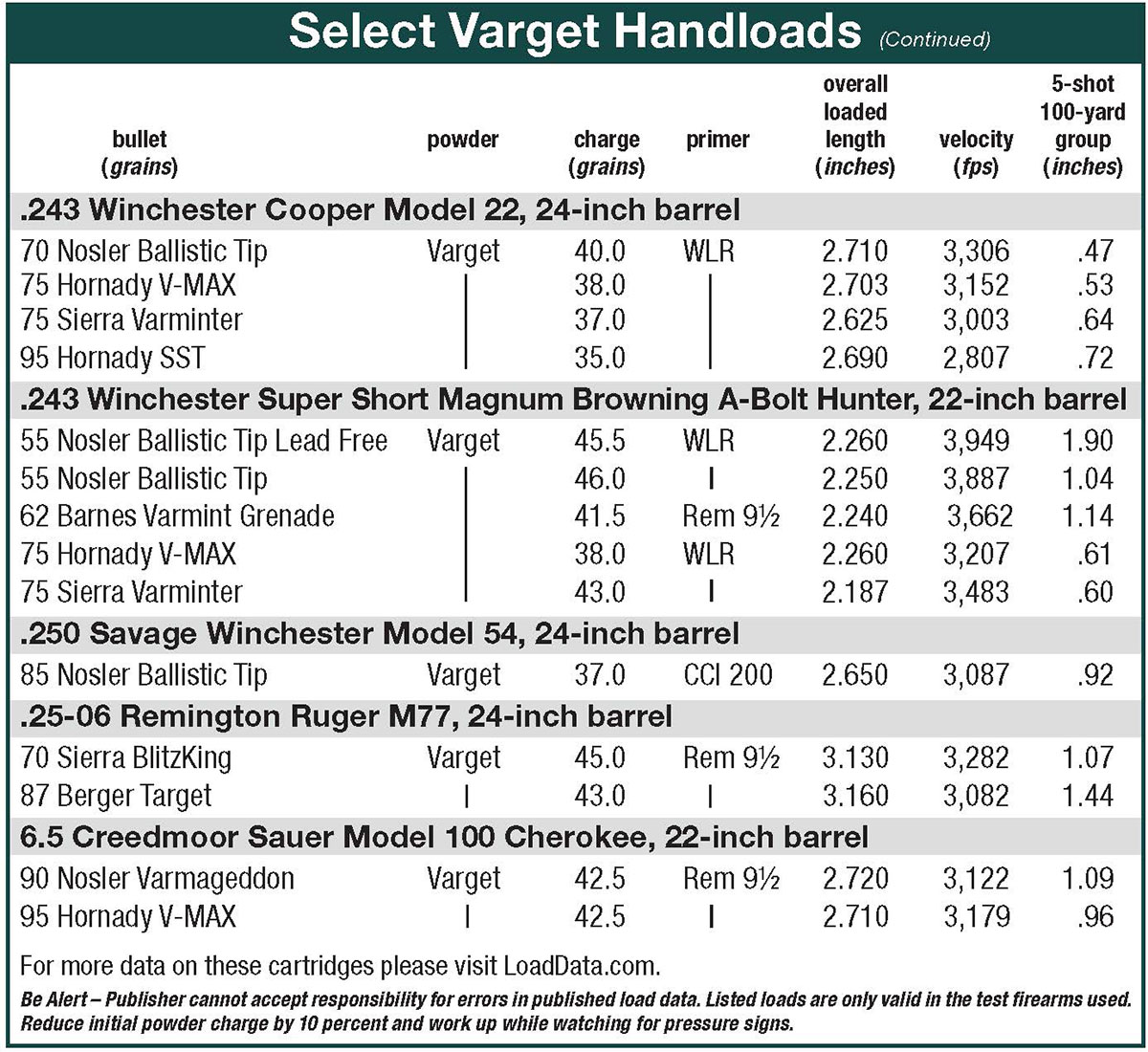
When I bought a Sisk Rifles 22-250, I went all-out testing the rifle based on a Stiller’s Precision Firearms Predator action with a Lilja sporter-weight 22-inch barrel with a 1:8 twist. For a trial load, I shot Sierra 53-grain MatchKing bullets paired with 36.0 grains of Varget and Winchester Large Rifle primers in Nosler cases. Seven, five-shot groups fired at 100 yards ranged in size from .44 to 1.46 inches, for an average of 1.21 inches. Velocities of five shots ranged from 3,586 fps to 3,621 fps. One five-shot string turned in an extreme velocity spread of 57 fps. Extreme spread of velocity averaged 27 fps for the six other series of shots, which is very consistent. The internet is brimming with bloggers bragging about how the velocity of their handloads vary only a few feet per second. Occasionally that occurs, but not consistently.
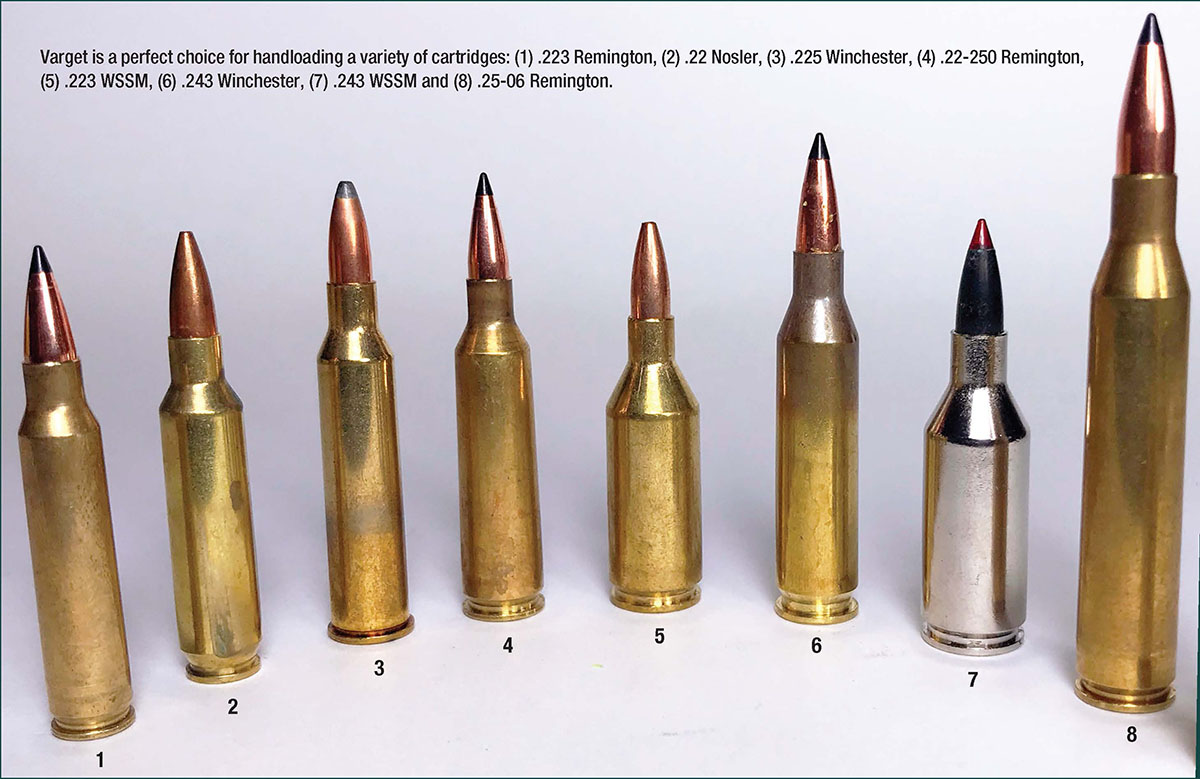
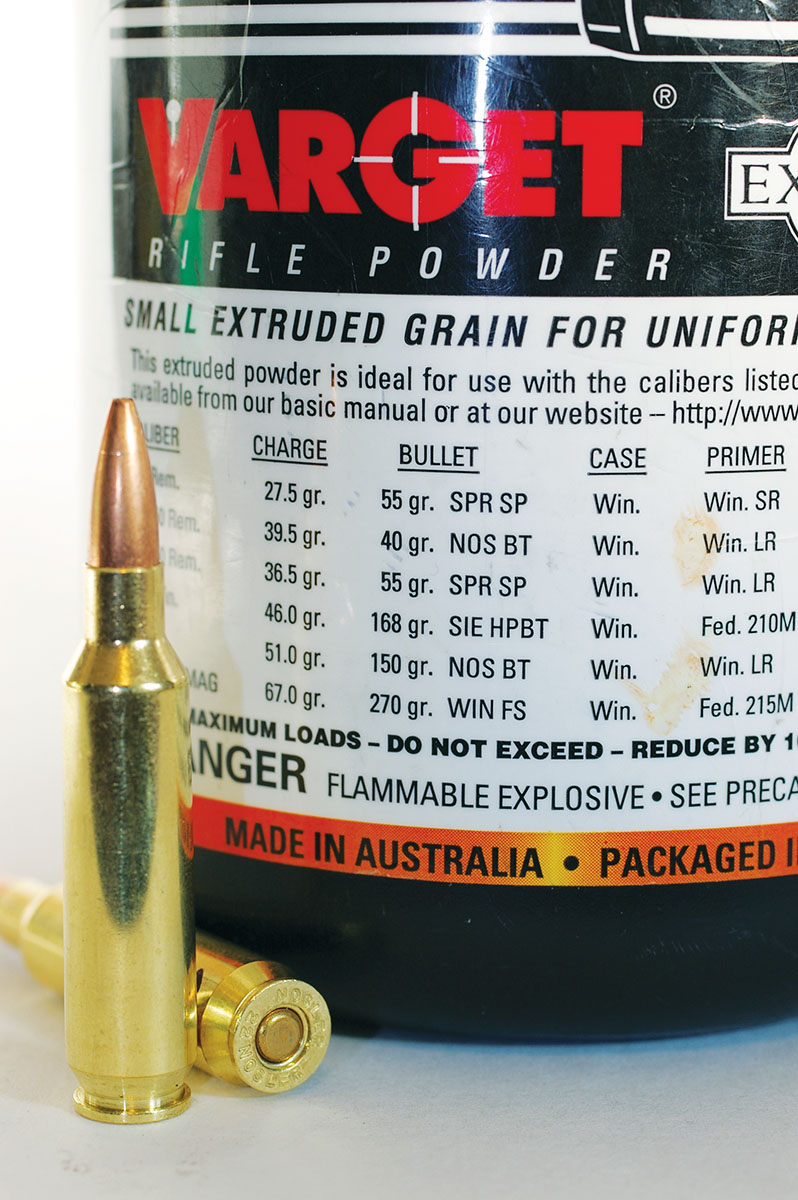
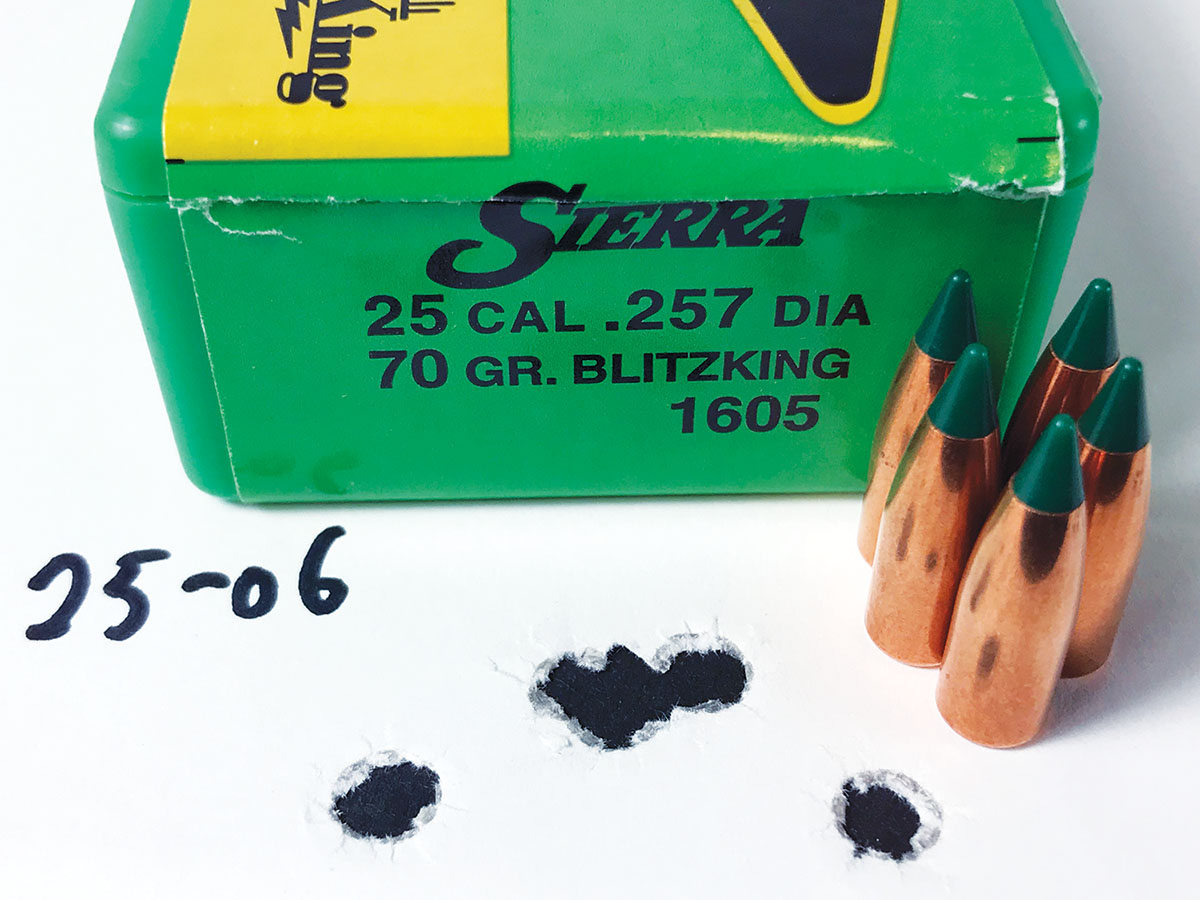
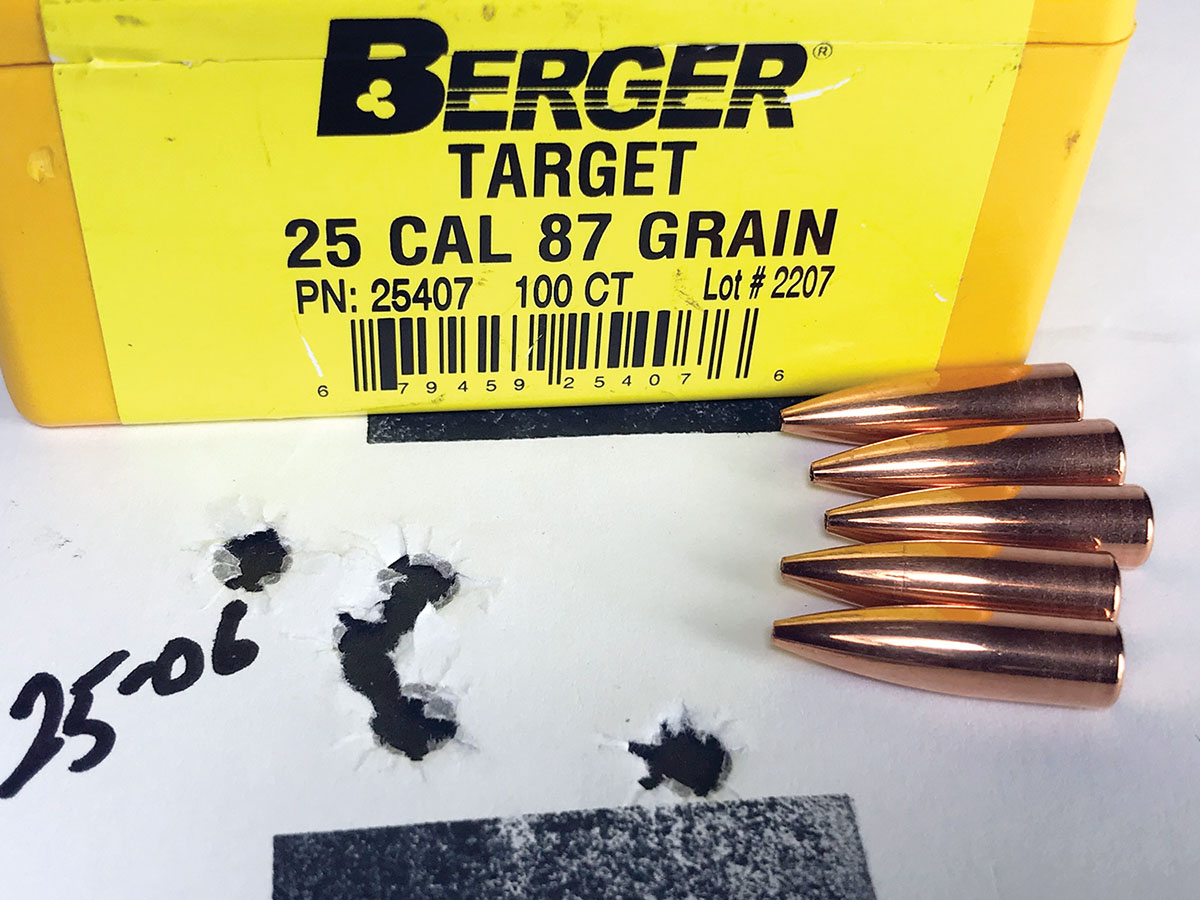
I recently loaded Sierra 70-grain BlitzKing and Berger 87-grain Target bullets with a reduced amount of Varget in preparation for the upcoming spring ground squirrel campaign. Berger bullets averaged 3,082 fps with an extreme spread of 39 fps shot with 43.0 grains of Varget. BlitzKings averaged 3,282 fps fired by 45.0 grains of Varget with an extreme spread of velocity of 84 fps for five shots that formed a 1.07-inch group at 100 yards. Dispensing Varget from an RCBS Uniflow powder measure directly into cases sped up handloading. I weighed five charges to check if weights were consistent. Three weighed 45.0 grains, one 45.1 grains and one 45.2 grains.
Varget also performs well at even further reduced velocities. When the skinflint in me sits in front of the handloading bench, I load cast bullets in 223 and 22-250 cases to fairly-well duplicate the ballistics of the 22 Winchester Magnum Rimfire. At least a dozen powders from Unique and Green Dot to Varget and H-4895 provide suitable accuracy for 45- and 55-grain cast bullets at velocities close to 2,000 fps. One of the more accurate 22-250 loads consists of bullets cast from an RCBS-55-SP mould paired with 20.0 grains of Varget. Velocity was 2,056 fps from the 24-inch barrel of a Kimber Varmint with five bullets forming a 1.10-inch group at 100 yards.
These loads are effective out to 150 yards or so for shooting ground squirrels. Their recoil is only a nudge, and all the action is visible with a scope’s magnification turned up. During a good day it’s possible to fire 100 shots. No matter how steady the shooting, barrels never heat up enough to cause mirage to boil up and blur the view through a scope.
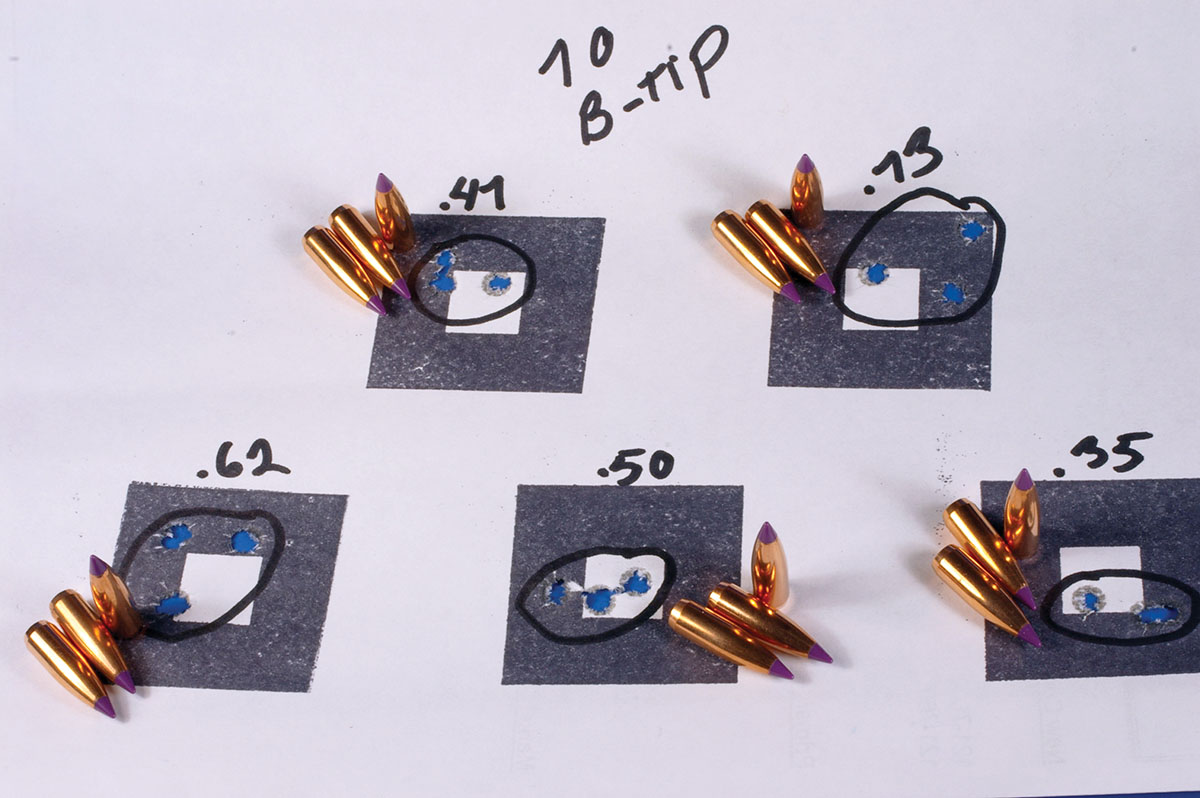
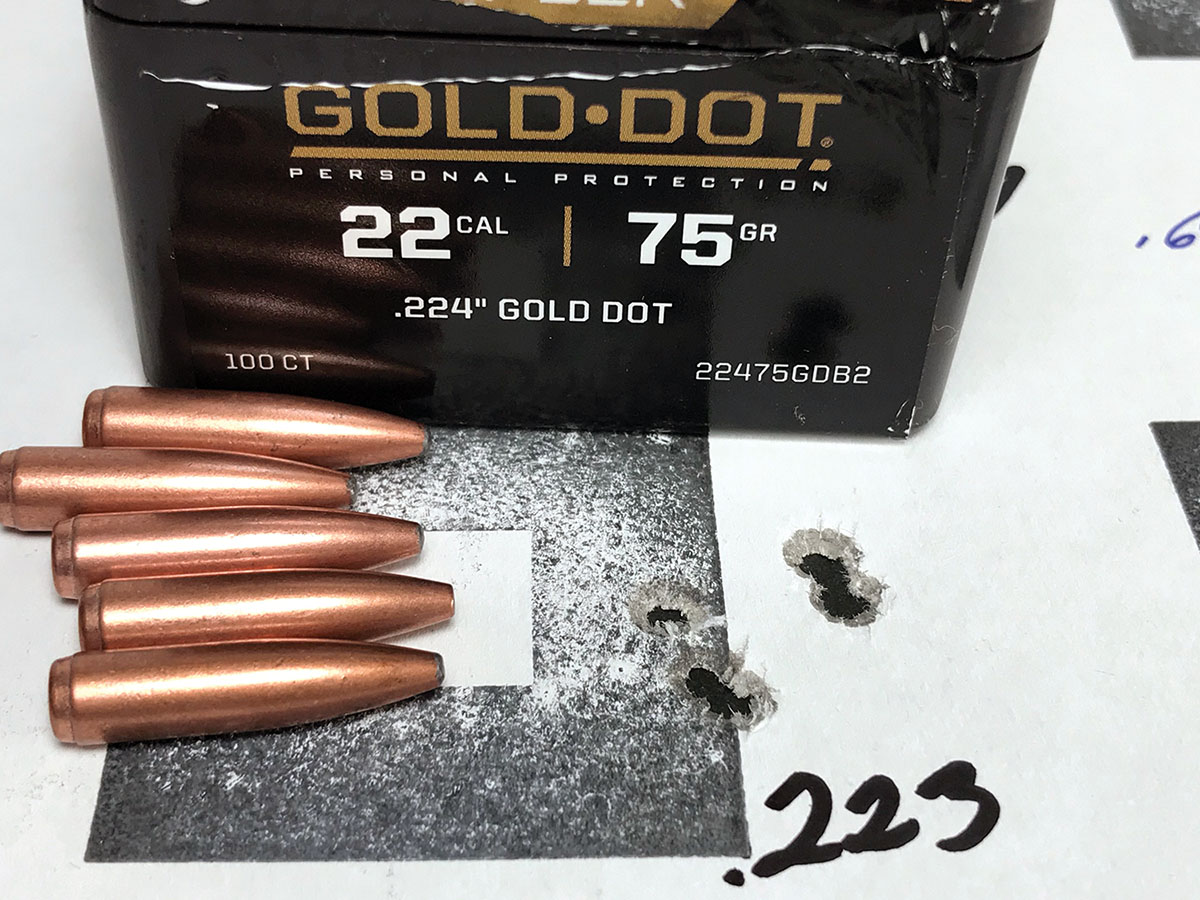
We can thumb through reloading manuals to cherry-pick loads that beat the velocity of Varget in cartridges from the 204 Ruger to the 243 Winchester. However, Varget compares quite favorably to other powders of similar burn rate for velocity developed from each grain of powder. Over the years I have compiled a tall stack of chronograph data for several cartridges loaded with Varget and other powders loaded with the identical lots of brass, primers and bullets seated to the same overall cartridge length, with the cartridges shot within an hour or two of each other.
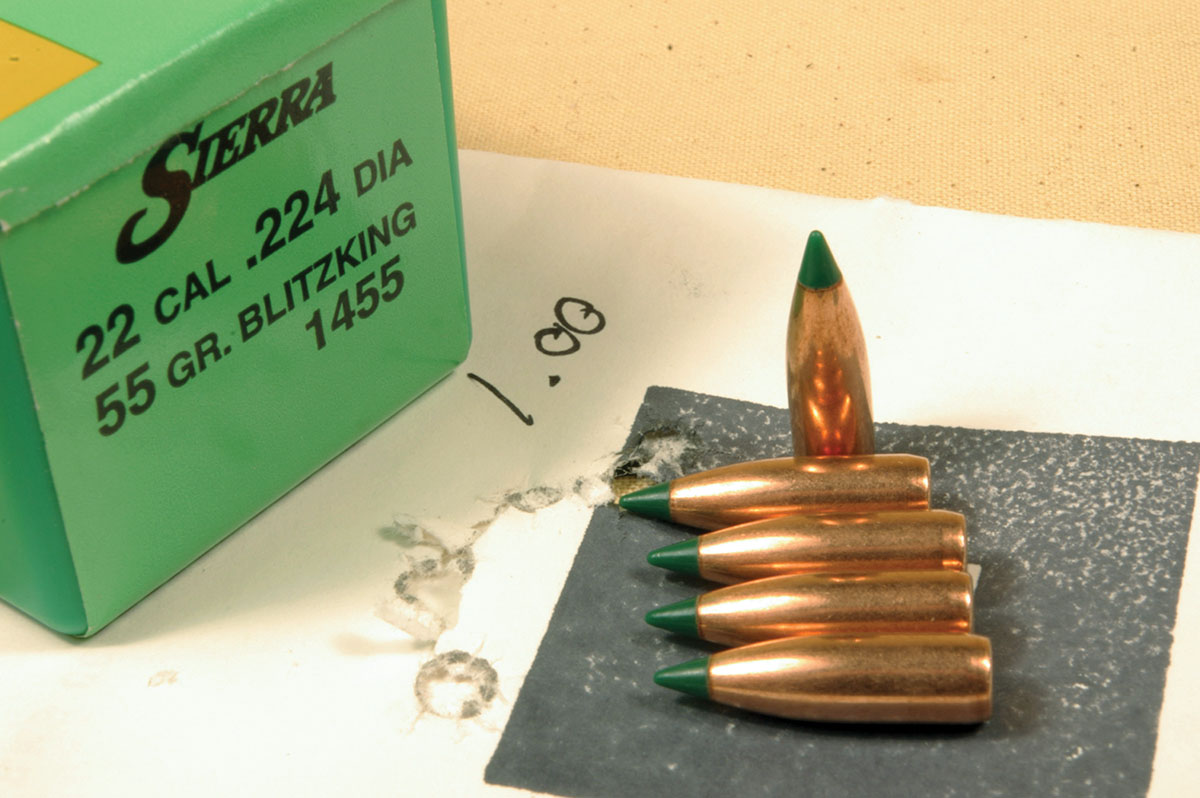
Another round of shooting included a Cooper Firearms Raptor with a 26-inch barrel chambered in 22-250 shooting Berger 64-grain FB Varmint bullets. Each grain of Varget produced 99 fps for the Berger bullets, 97 fps for IMR-4064 and 96 fps for Norma 203B. Standard deviation of velocity was 12 fps for Varget, 29 fps for IMR-4064 and 13 fps for N-203B. The Raptor is an extremely accurate rifle and a shooter would have to go out of his way to make it shoot poorly. The rifle grouped five Berger bullets in .45 inch at 100 yards shooting Varget, .27 inch paired with IMR-4064 and .40 inch with N-203B.
Those good results shooting Varget also apply to a variety of loads for other cartridges, too. Handloaders could chase after this and that powder in the hope of improving ever so slightly on Varget’s performance. But really, there is truly no compromise loading Varget in nearly all varmint cartridges for every purpose.