Cooper Model 38 In 218 Mashburn Bee
A Baby Benchrest Rifle for Varmints
feature By: Jeremiah Polacek | April, 25
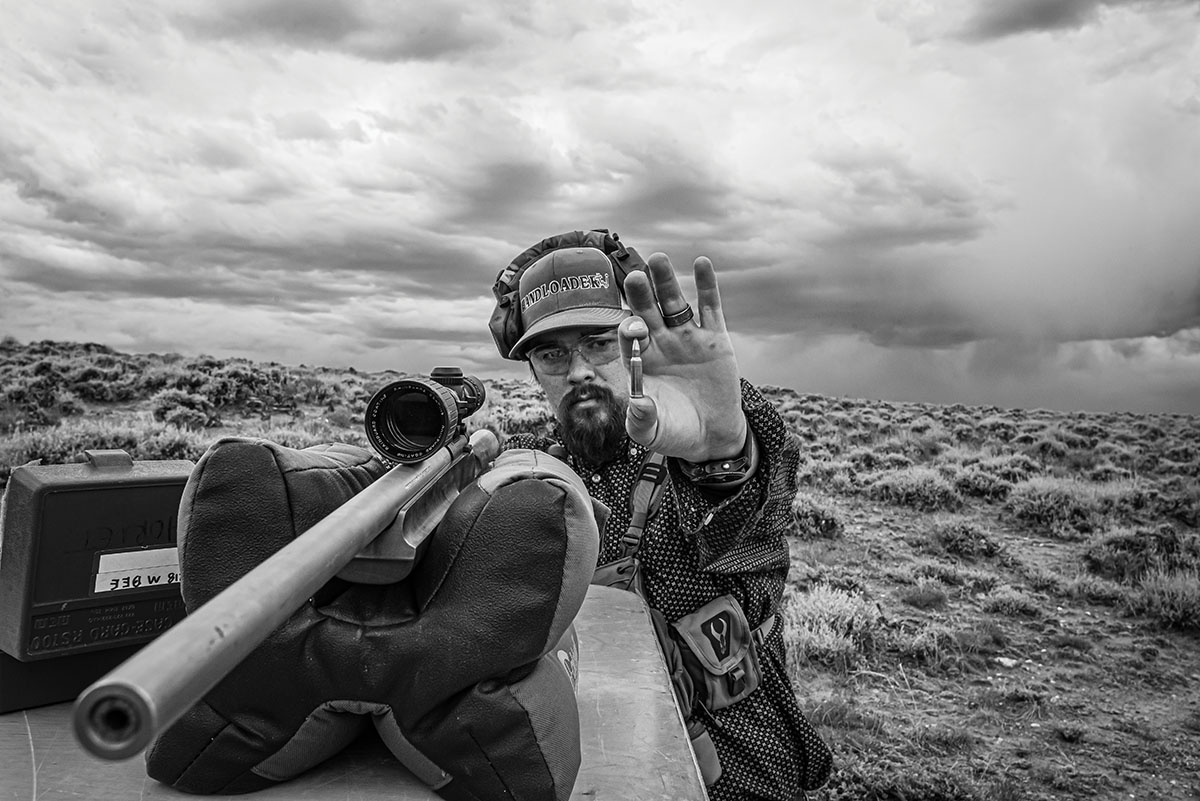
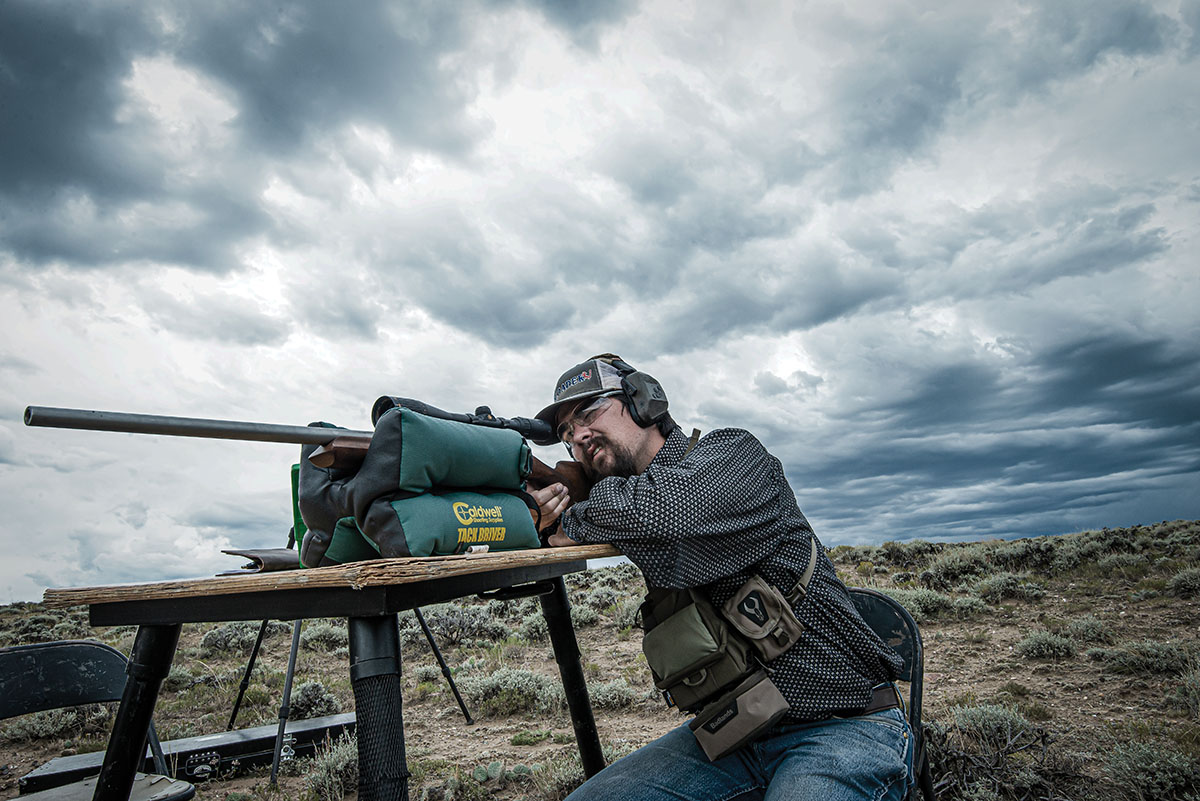
Our primary predator and coyote rifle had already been selected and set aside for that part of the hunt. It was a reliable setup that had proven itself in previous outings. However, our arsenal for the Wyoming trip was still coming together, and I was on the lookout for something that could fill a specific role. Something that balanced accuracy, ease of handling, and the ability to deliver round after round without overheating under extended use. Something that would be well suited for use off a portable bench and bags for when a prosperous town of cattle-crippling rodents was discovered.
As I went over the rifles Stan had offered us, it quickly became clear that one of them was ideally suited for the kind of high-volume, mid-range shooting we’d be doing in Wyoming. It wasn’t just a good rifle it checked every box that was previously mentioned. Its configuration, caliber, and overall feel seemed to match the terrain and targets we’d be facing perfectly.
What began as a casual glance turned into a serious consideration, and before long, I was weighing the pros and cons of taking this rifle on this trip. It’s funny how certain firearms seem to find their way to you just when you need them. Almost as if they know where they belong. This rifle was one of those. And so, its story with us officially began.
The 218 Mashburn Bee is likely the most popular chambering of the improved versions of the original 218 Bee cartridge. It also pushes the shoulder the furthest forward out of any of the other versions of the cartridge that I am currently aware of. This can also mean that fireforming is hard on cases, and that was a major consideration when choosing a rifle for which to load thousands of rounds; another consideration is component availability. The 218 Mashburn Bee is a wildcat cartridge and since it is an “improved” cartridge meaning the shoulder of the case is blown forward and to a sharper angle. The only way to form such a case is to fire it in the chamber of a rifle (with the exception of special hydraulic form dies); after firing, you will have a fully fireformed 218 Mashburn Bee cartridge and from there, you can begin your accuracy testing and experimentation.
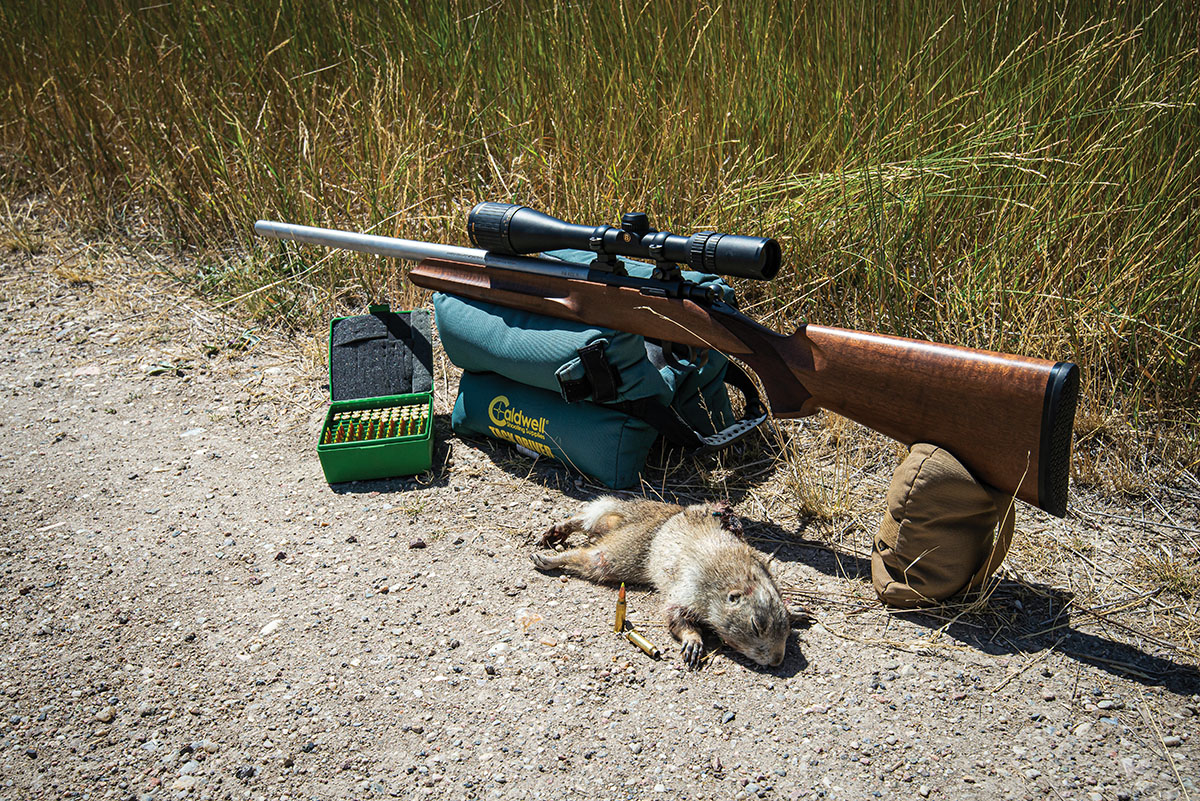
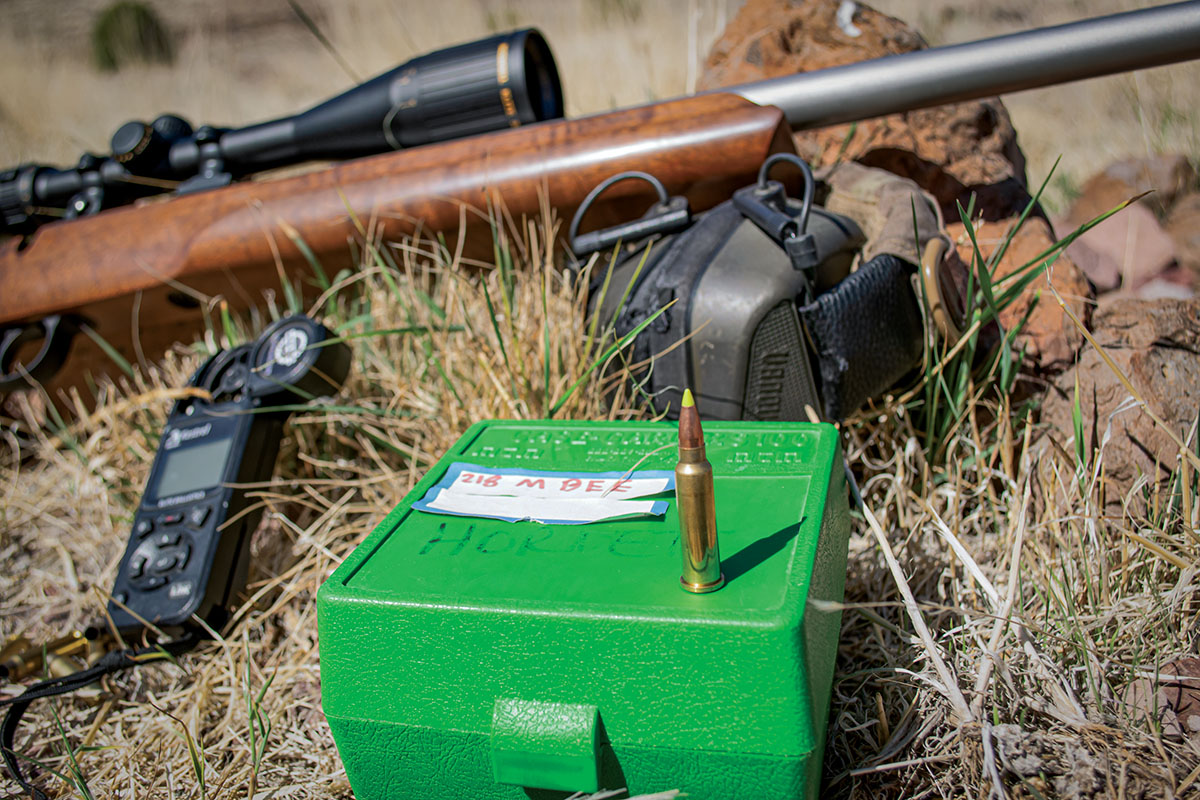
Taking all of this into consideration and after much debate, I decided that I would take the plunge and begin developing loads for this rifle and if the accuracy was good, this rifle would be going on a road trip. The first order of business was ensuring I had components on hand or on order for loading this cartridge I know brass would be a challenge but thankfully, Hornady still offers 218 Bee Brass at the time of this writing. They are the only ones currently offering brass, and it’s frequently out of stock. Winchester will occasionally make a run, but it has been several years since the last time I saw it in stock. I was fortunate enough to snag a reasonable amount from a local gunshop as well as some clearance 22 caliber 50-grain Hornady Z-MAX bullets, which are identical in every aspect to the V-MAX bullet, just with a green tip instead of red. Everything else, from powder to primers, was already on hand.
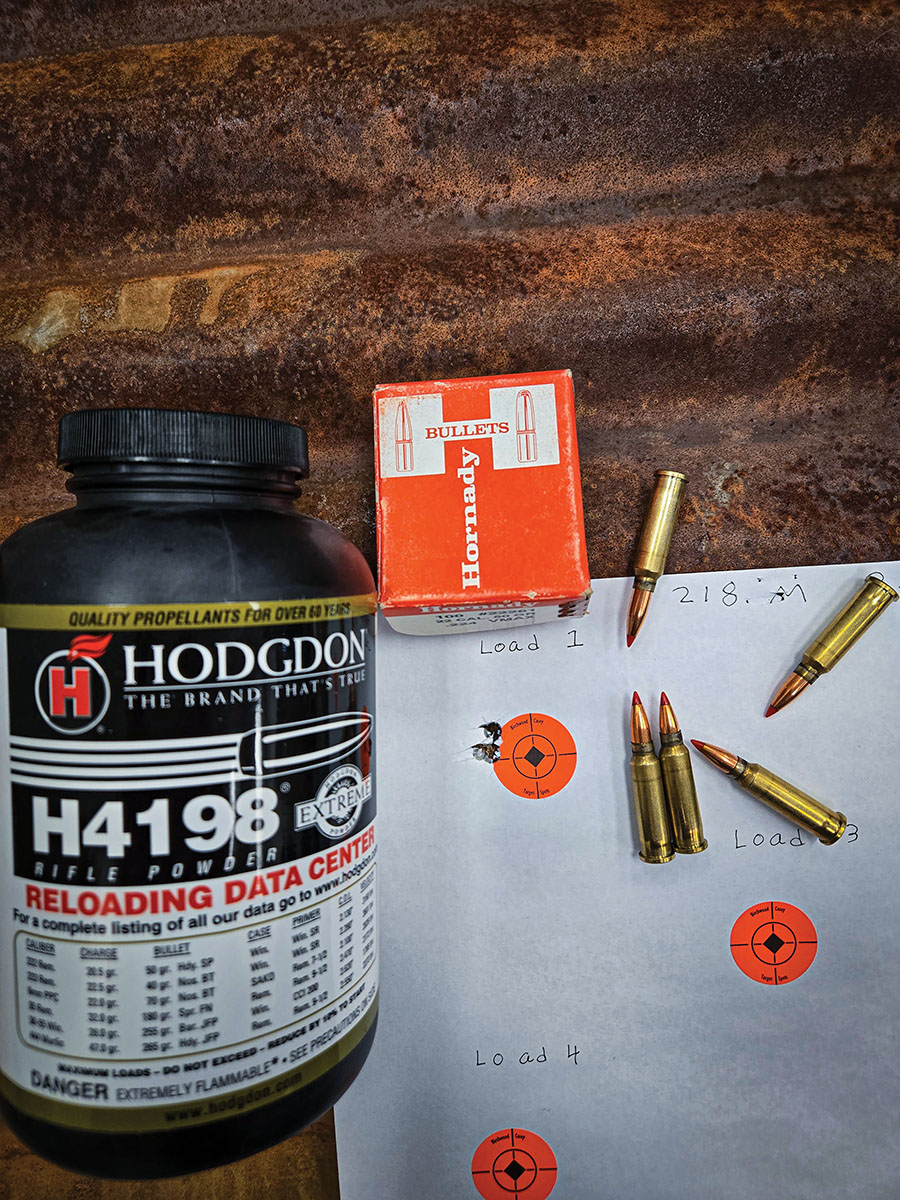
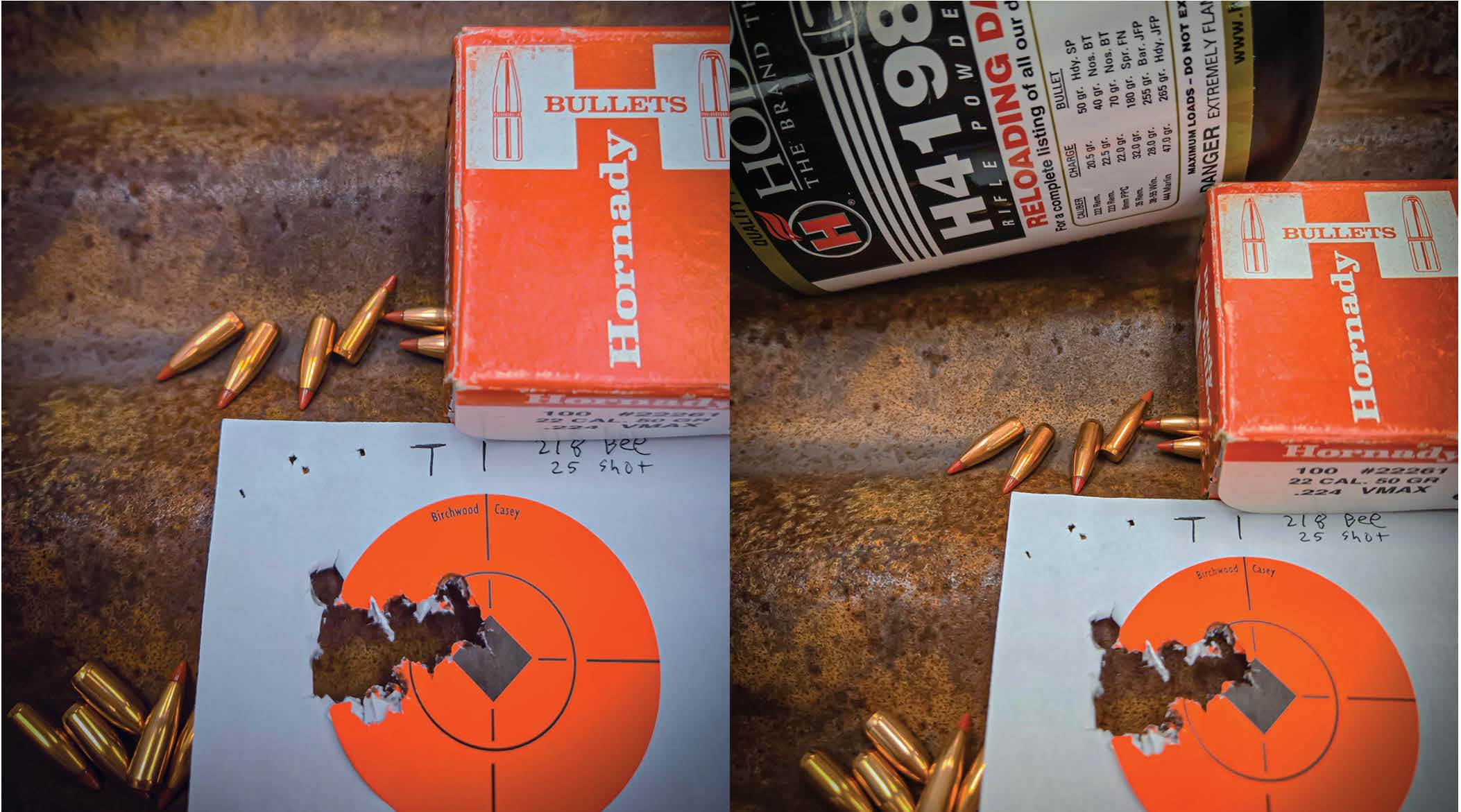
When it comes to the 218 Mashburn Bee Handloading is the only way to secure ammunition. Using an RCBS Rock Chucker IV reloading press and an RCBS two die set I started by assembling ammunition for fireforming. If I was going to be taking this rifle up to Wyoming, I would need a large amount of accurate ammunition. About 500 rounds were assembled using Hornady cases, a primer was seated, the case was charged using 15.0 grain of Hodgdon H-4198 and a bullet was seated long in the case so that it would just slightly jam in the lands. A light coat of Hornady Unique case lube was applied to every case prior to firing. No other case preparations were made in an effort to save time and labor. Since these were fireforming loads, accuracy was not the primary concern and I used some bulk 22 caliber FMJ bullets that I had lying around. Despite this, I shot a 25-round group on paper at 100 yards, the result was about a 2.75-inch group. These loads with the proper bullet could have easily replaced the need to bring a rimfire for the close-range varmint work. This is something I will take into consideration next time I have to fireform a large batch of ammunition. The fireforming was done slowly, taking great care not to heat the barrel up, in an effort to preserve barrel life.
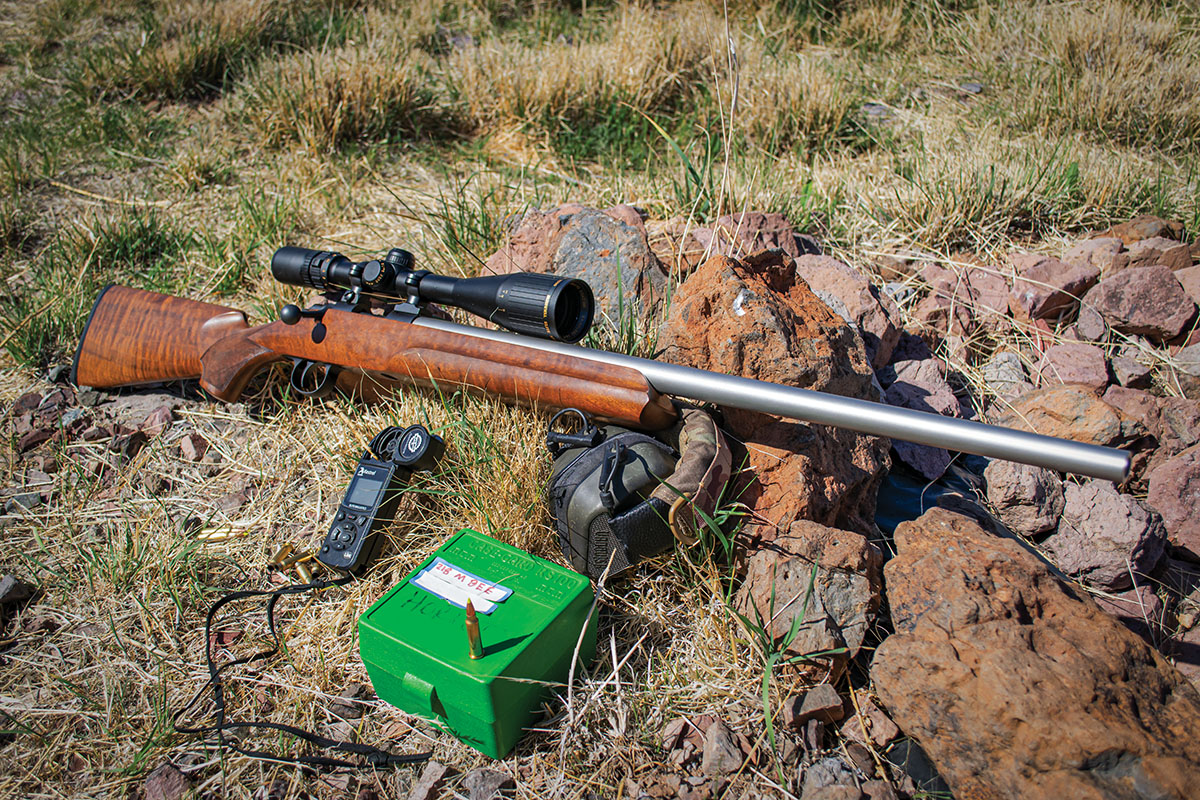
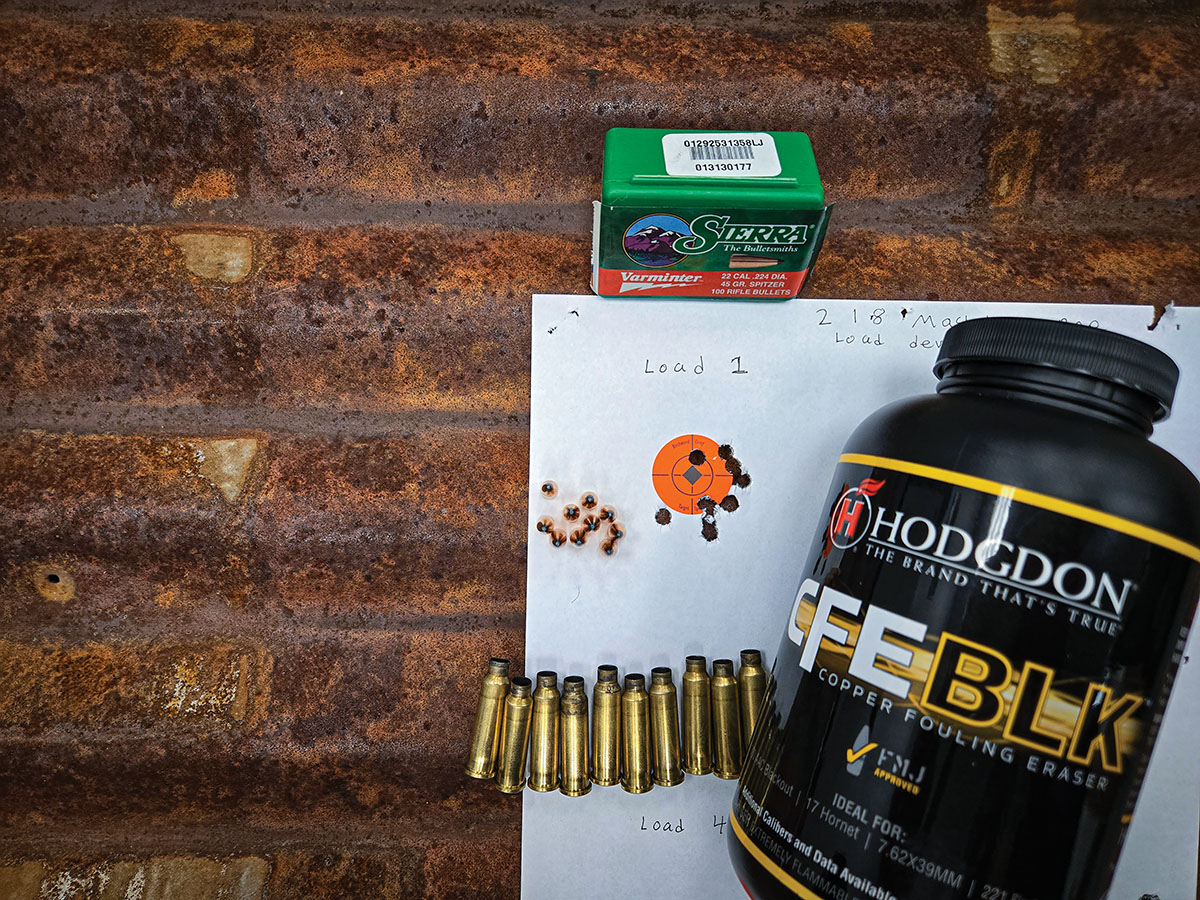
With all the cases trimmed to a uniform length, the tedious task of case prep was finally complete. Cases were then primed using an RCBS Automatic Priming Tool. This bench-mounted unit produces consistent results by seating primers to .003 inches below flush and making quick work of the procedure. Finally, it was time to decide which powders to use. In conducting research, it seemed that Hodgdon H-4198 was a clear winner in this cartridge after reading past articles published in Handloader magazine. However, the handloader in me wanted to make sure as well as test out some newer powders. After some recent testing with the 17 Remington Fireball Hodgdon CFE BLK, it seemed like a good candidate for achieving the highest velocities. However, it is not in their extreme line and perhaps is not as temperature stable as Hodgdon H-4198, which is a member of the extreme line boasting of temperature stability. This is an important consideration when selecting a powder for varmint hunting, especially when pursuing coyotes, where temperatures can swing from freezing in the morning to hot in the afternoon. This all can affect velocity in ways that few folks take into consideration. At longer ranges these variations in velocity can not only change the zero and bullet drop at varying ranges but could also be the difference between a hit and a miss at extended ranges.
It was for these reasons I also attempted to try some extremely slow-burning powders in this cartridge, such as StaBALL Match and Alliant AR Comp, as well as some older, more established powders near that burn rate, such as Accurate 2230 and RAMSHOT X-Terminator. I settled on using 10-shot groups with a charge weight that would fill the case with minimal compression. Rather than run through traditional ladder tests, I took this shortcut thanks to my familiarity with the cartridge and the fact that I knew it would be used for high-volume shooting. Therefore it made sense to shoot a minimum of 10 shots on paper to see what the rifle really does then reconfirm that the load is consistent and to get an overall idea of how well the load is working in the rifle. There are some shortcuts you can take along the way, but we’ll cover them in a moment.
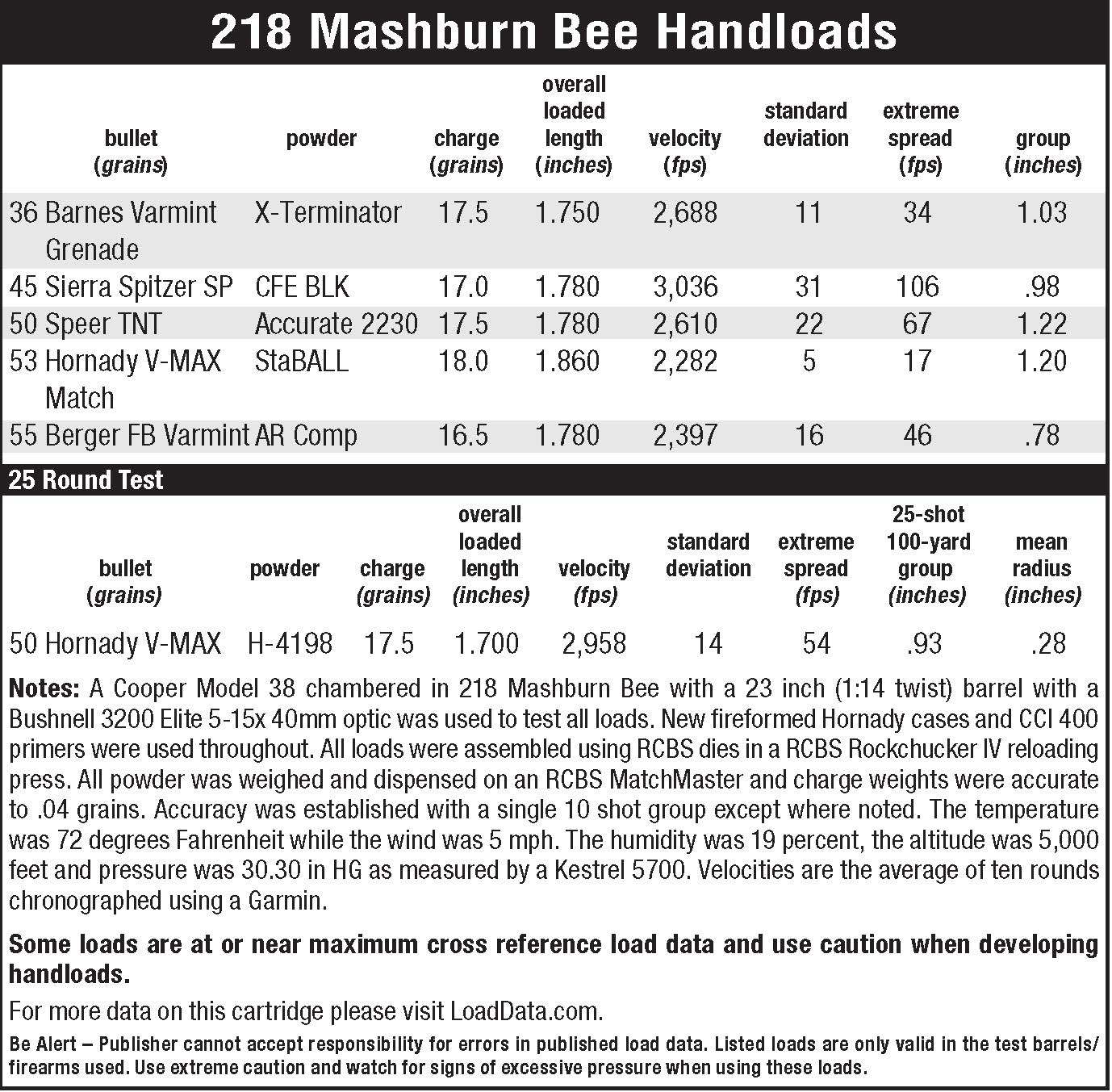
Now that we had powders selected the next step was to try some bullets since this rifle has a 1:14 twist rate, which I measured using the cleaning rod trick. The rifle should be capable of stabilizing bullets up to 55 grains, which really is the upper limit for this case, given its capacity. I selected six different bullets ranging in weight from 36 grains all the way up to 55 grains with a decent mix of flat base and boattail bullets, all designed for use on varmints ranging from ground squirrels to coyotes. Should the opportunity arise to bag a coyote with this rifle, I did not want to feel under-gunned, even though this would primarily be a bench gun for shooting prairie dogs. Having that versatility would be good peace of mind. The bullets selected are shown in the handloading table as well as the powders for this test.
With the powders selected, all the cases were charged with the appropriate charge weight using an RCBS MatchMaster powder dispenser, all charges were accurate to .04 grain. Over the years, I have come to greatly appreciate the hands-free operation and ease of use offered by the Matchmaster. Previous scales were only accurate to .1 grain, which meant I would be using my Creedmoor Sports TRX 925 Precision reloading scale or my A&D FX 120i scale to hand trickle powder to the exact charge weight. Which I still do from time to time with small batches or load development where I’ll be using many different powders. However, when it comes to bulk loading, it’s tough to beat the RCBS Matchmaster with a custom tune, most ball powders are dispensed in about 10 to 15 seconds. With the addition of a second unit on the bench, I can not keep up with charging cases and seating bullets; this means the MatchMaster is waiting on me instead of the other way around, which is typical of other dispensers. Best of all is the fact that it is accurate. When cross-checking it with my other scales, so long as it is calibrated with precision check weights, there is no difference in accuracy.
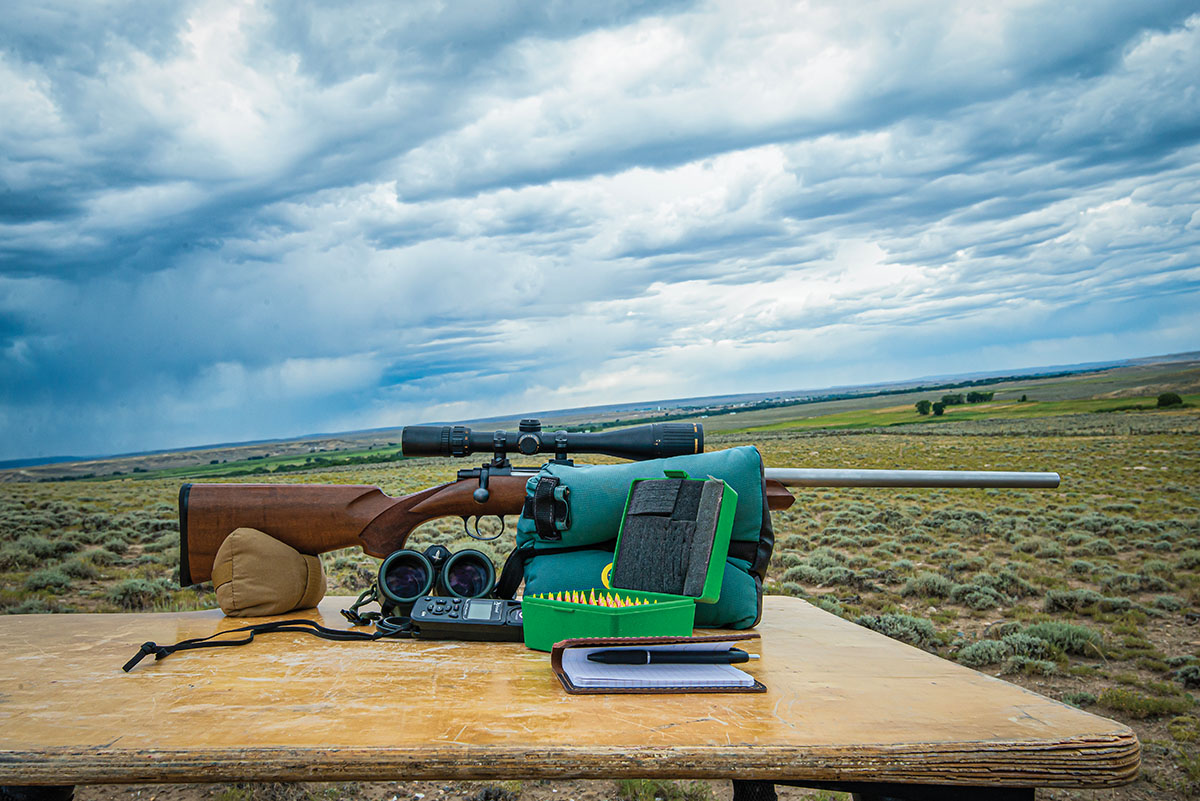
Once all of the cases were charged and bullets were seated, it was time to test these loads and see how they performed. A target was set up at 100 yards, and the rifle was securely benched using heavy-filled bags and a leather rear bag. The Garmin Zero C1 Pro chronograph was set up to record velocities, this little unit has been a game changer for accurately recording muzzle velocities. Thankfully, it proved to be a pleasant day with minimal wind, around 5 miles per hour, blowing from about 5 o’clock. Ten shots were fired for each load, and the barrel was allowed to cool between ten shot strings. After testing five different loads, there were a few that stood out. Hodgdon CFE Black offered good velocity and accuracy, but some of the other slower-burning powders, as expected, had low velocities. StaBALL Match proved too slow to be useful in this particular cartridge, as did Alliant AR Comp., though the velocities were uniform and consistent from shot to shot. When it came time to test Hodgdon H-4198, the first three rounds went into the same hole, and the next two nearly touched. After consulting the velocity and standard deviation of the velocities recorded it showed an excellent standard deviation of 8. I decided that this would likely be the load to use, so I took the shortcut of saving the remaining five rounds for a 25-shot group. When it comes to sorting out the accuracy of a given rifle, especially a varmint rifle or match rifle, I like to shoot a 25-round group to get a feel for the rifle’s cone of fire as well as the overall accuracy during long shot strings. In this instance, I chose to test the best load last. This was a mistake on my part and could have saved me greatly on components. The articles and data were correct H-4198 is a tough powder to beat when it comes to the 218 Mashburn Bee.
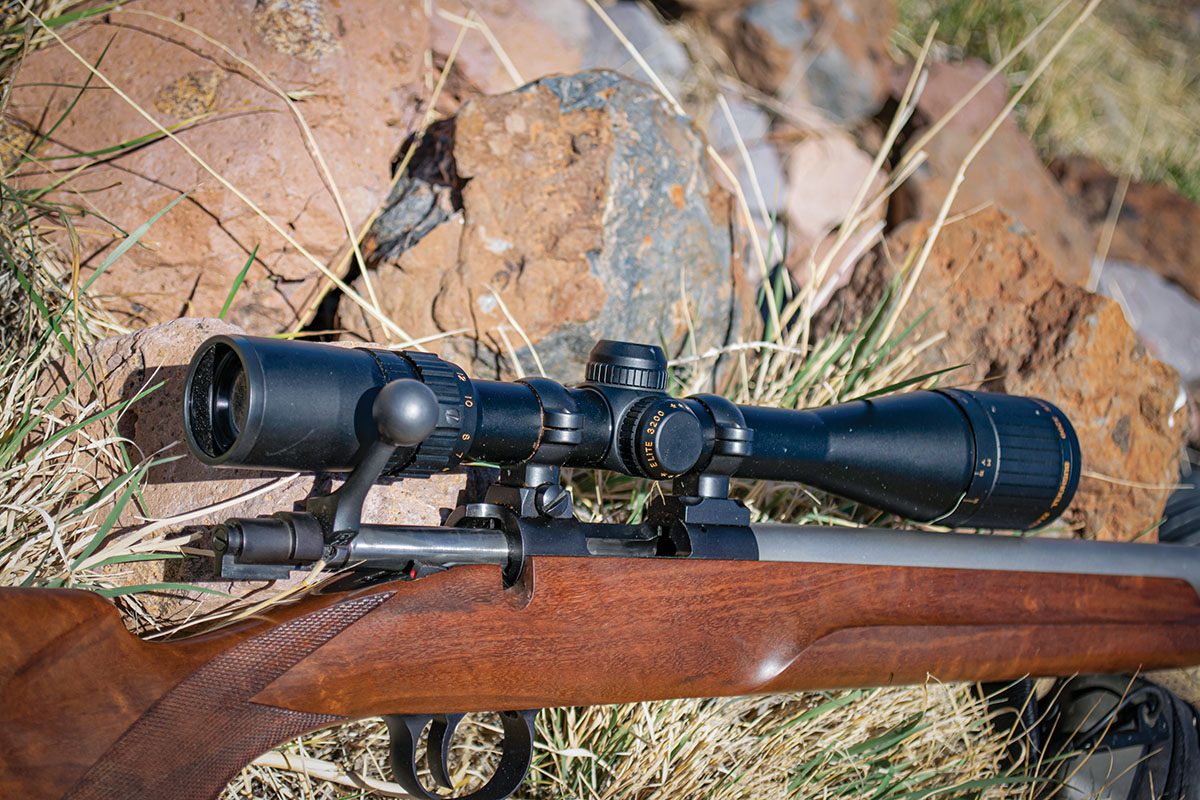
Now it was time to get busy handloading as I had about 500 pieces of brass and just a few weeks before we left for Wyoming. Thankfully, I was able to assemble loads for all the rifles I was taking before we left, including this Cooper rifle in 218 Mashburn Bee. The rifle made the trip to Wyoming in a padded case, and patiently waited while we made the trek from Arizona to Wyoming, passing along some gorgeous scenery along the way. We had some foreshadowing of what was to come when we hit northern Colorado as prairie dog towns were popping up alongside the rural route we took to Encampment, Wyoming. After about 15 hours in the truck, we had finally made it to our destination, the SPUR Ranch. We had a week-long hunt scheduled through Spur Outfitters, and this was my second time staying at the Hanging Bull Lodge. The Lodge itself is large, with plenty of room to house friends and family alike. It has a great central dining area as well, where excellent cooks prepared three square meals a day. Compared to the varmint hunting I usually do in Arizona, I felt like royalty. There was no roughing it out of the bed of a pickup curled up next to boxes of ammo and a cooler. Everything was top-notch and squared away. My favorite part of the Lodge was the front porch, where we could all gather among friends and enjoy some evening conversations and gun talk.
Over the course of about a week, we enjoyed world-class prairie dog shooting and some ground squirrel shooting. We did too much to cover in a single article, so we’ll keep our focus here on the Cooper Model 38, chambered in .218 Mashburn Bee, and its performance in the field. The first few days were beautiful – warm, sunny, and with minimal wind. This is where the Cooper Model 38 did its best work, at ranges from 175 to 350 yards, and it almost seemed like you couldn’t miss with the rifle. The terminal performance of the 50-grain Hornady V-MAX bullet was outstanding, leaving no doubt if you made a connecting shot on a critter.
As the days went on, the Wyoming wind made its inevitable appearance, and while that added a layer of difficulty, the Model 38 held its own. With a solid understanding of wind drift and some thoughtful hold-offs, the rifle remained a reliable tool for making precise shots. Even out past 300 yards – well beyond what any of the rimfire rimfires could do – the Cooper stayed consistent. The slick action and the crisp, clean break of the trigger made it easier to stay on target, even when environmental conditions were less than ideal. Its repeatable accuracy and good zero allowed us to confidently take shots that many would consider marginal in windy conditions. Having a good zero on the rifle and knowing its cone of fire is a huge help when taking shots at extended ranges in poor conditions. This is something that is often overlooked by many hunters.
One of the standout features of the rifle over the course of the week was its ability to maintain zero and deliver consistent performance despite long days in the field. With temperatures fluctuating from cool mornings to hot afternoons, some rifles and or loads suffer shifts in point of impact. Not so with the Model 38. We noticed no meaningful change in accuracy or zero, even after back-to-back days of firing hundreds of rounds. The stock handled the temperature and humidity swings well, and the overall bedding and fit of the action contributed to its rock-solid stability.
We also put the rifle to work on ground squirrels in nearby pivots with shortcut alfalfa, where smaller targets and shorter distances called for rapid follow-up shots and a high degree of precision. The Cooper excelled here, thanks to its smooth bolt throw and virtually no recoil, allowing you to spot your hits and or misses and make a quick correction to hit the intended target. The rifle’s build made it easy to carry across fields and pivots from one burrow to the next. Many shots were taken from improvised field positions off of sticks or a tripod and bag, and the Model 38’s balance and ergonomics made it manageable, even when shooting from less-than-ideal rests.
By the end of the trip, the Cooper Model 38 in .218 Mashburn Bee had more than proven its worth. It wasn’t just a capable varmint rifle – it was a joy to shoot day in and day out. Whether dealing with calm conditions, unpredictable gusts, or long stints in the sun, the rifle remained steady and sure out to 300 yards. There’s something to be said about a rifle you can trust completely in the field, and the Cooper earned that trust one shot at a time. At the end of the trip, there was only one box of ammunition left, which contained a mere 18 rounds. The rifle certainly got a workout and after all of that, I am already looking forward to the next adventure with this rifle. It rides the bags like a full-size benchrest rifle with half the weight and twice the efficiency when it comes to varmint hunting.