Coyote Rifles & Bullets
Advice from a 50-Year Veteran
feature By: L.P. Brezny | October, 18
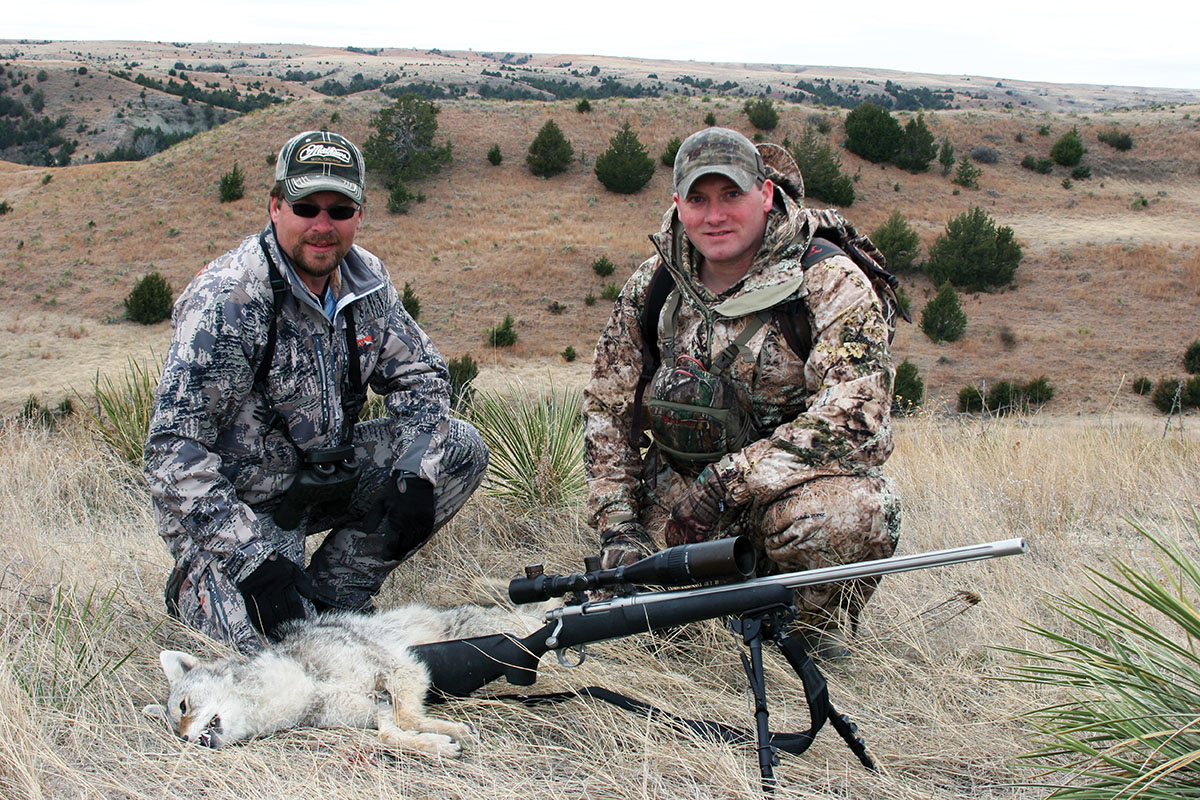
The Remington factory 40-grain lead bullet went downrange, and when it met the coyote’s chest it cut through both lungs, sending the animal to the ground in a cloud of snow. It was a low-tech shot to be sure, but these were, for the most part, average varmint loads shot from a popular cartridge of the day in the middle of Minnesota farm country.
Up to that point in time I had worked with and reloaded 30-06 cartridges for a pre-’64 Model 70 Winchester, the above illustrated 22 Hornet and a lone standout performer in my rifle rack. It was a real varmint-gunning cartridge, a factory variant of the old and well-established 22-250 wildcat that I had used for coyotes and fox. The rifle was a Remington Model 700 BDL with a 28-inch barrel stamped “22-250 Remington.” Life was simple, and few decisions were required regarding what ammunition or handloading components to buy at the local hardware store. Bullets, for the most part, were bulk war surplus, Korean-vintage stock in the .30 caliber, and those for the rest of the pack included pure lead bullets, half-jacket gas check bullets or basic jacketed softnose bullets.
Nosler Ballistic Tip
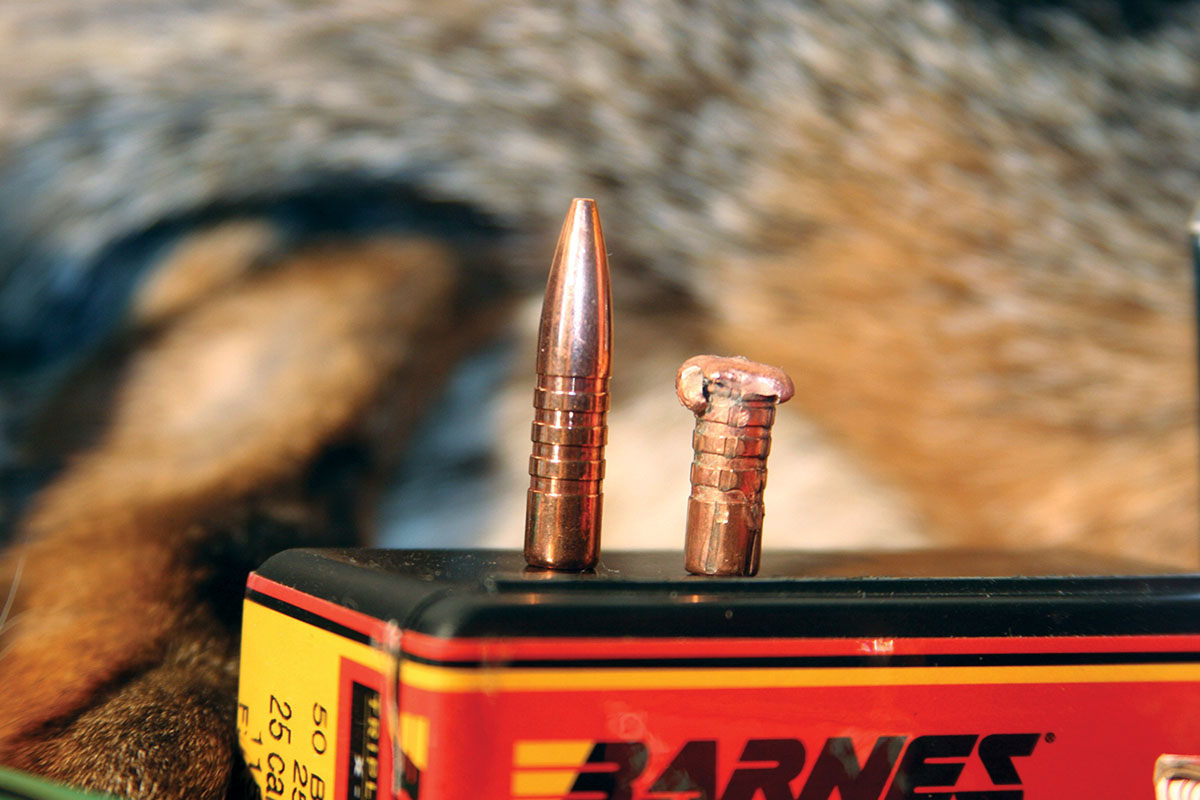
Coyote Bullet Anatomy
After hunting the wily song dog for better than 50 years to date, I believe I have seen just about everything when it comes to the performance associated with coyote rifles and cartridges. While rifles are the tools of preferred choice, cartridges and bullet design fall under a whole set of rules. We can basically put cartridges and bullets into three different performance profile categories: “calling range,” “midrange” and “long-range.” Regarding all three categories, choices in effective bullets and loads are so massive today that it is indeed difficult to concentrate on one or two brands of bullets or factory ammunition for field use.
Calling coyotes generally requires bullets that will perform well out to a maximum range of 200 yards. There are exceptions to the rule, but while working with Winchester for almost a decade in South Texas on called-in dogs, we put mostly poly-tip Ballistic Silver Tip (BST) bullets against hundreds of warm targets within the above indicated range.
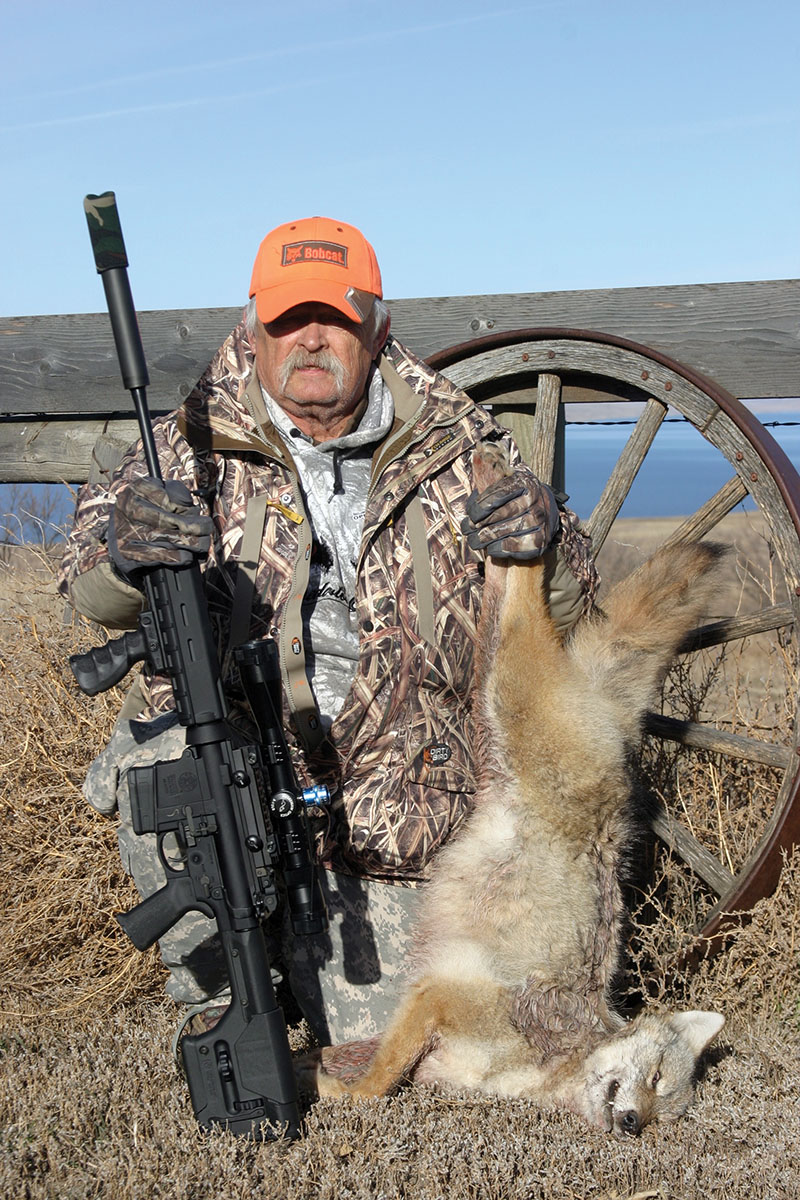
When shooting both the 223 Remington and 22-250 Remington, it was common to stack up 20 Texas dogs a day with a one-time record high of 49 coyotes killed in a two-day period of time. The bottom line here is that coyotes quickly died when bullets were sent into vitals and not where an old dog sits.
Midrange
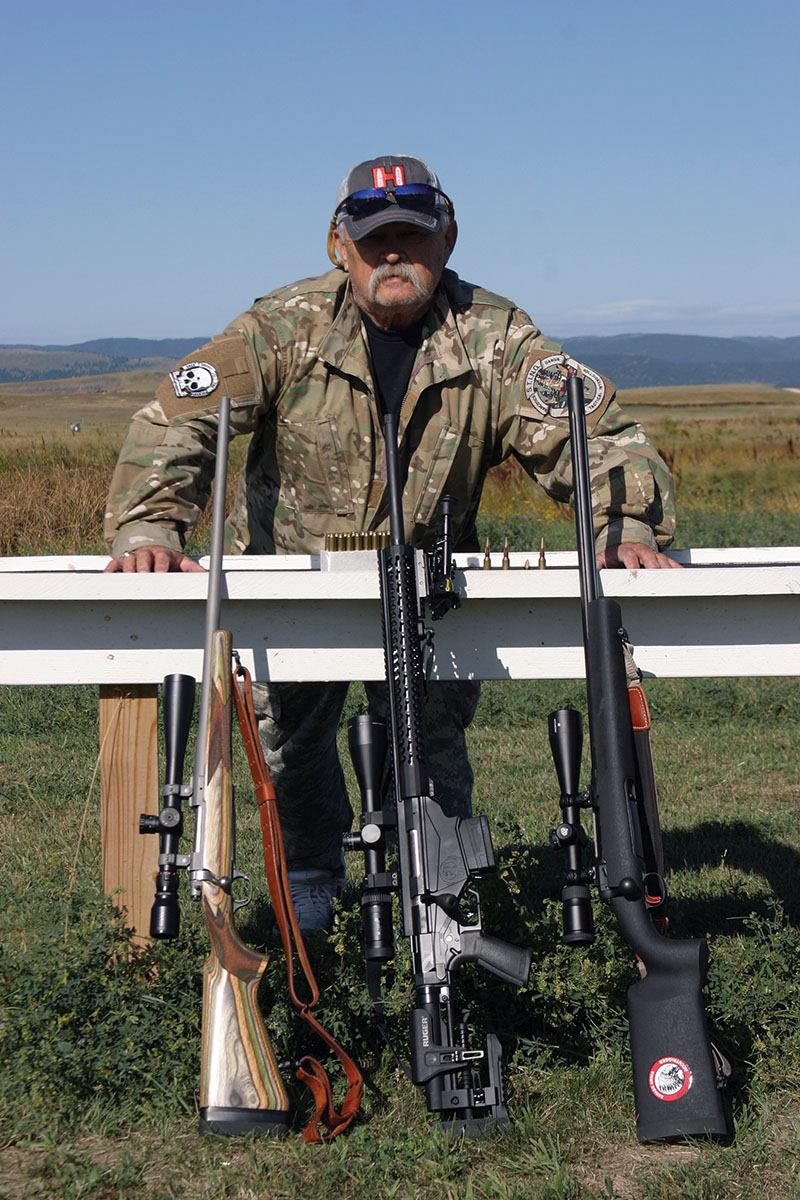
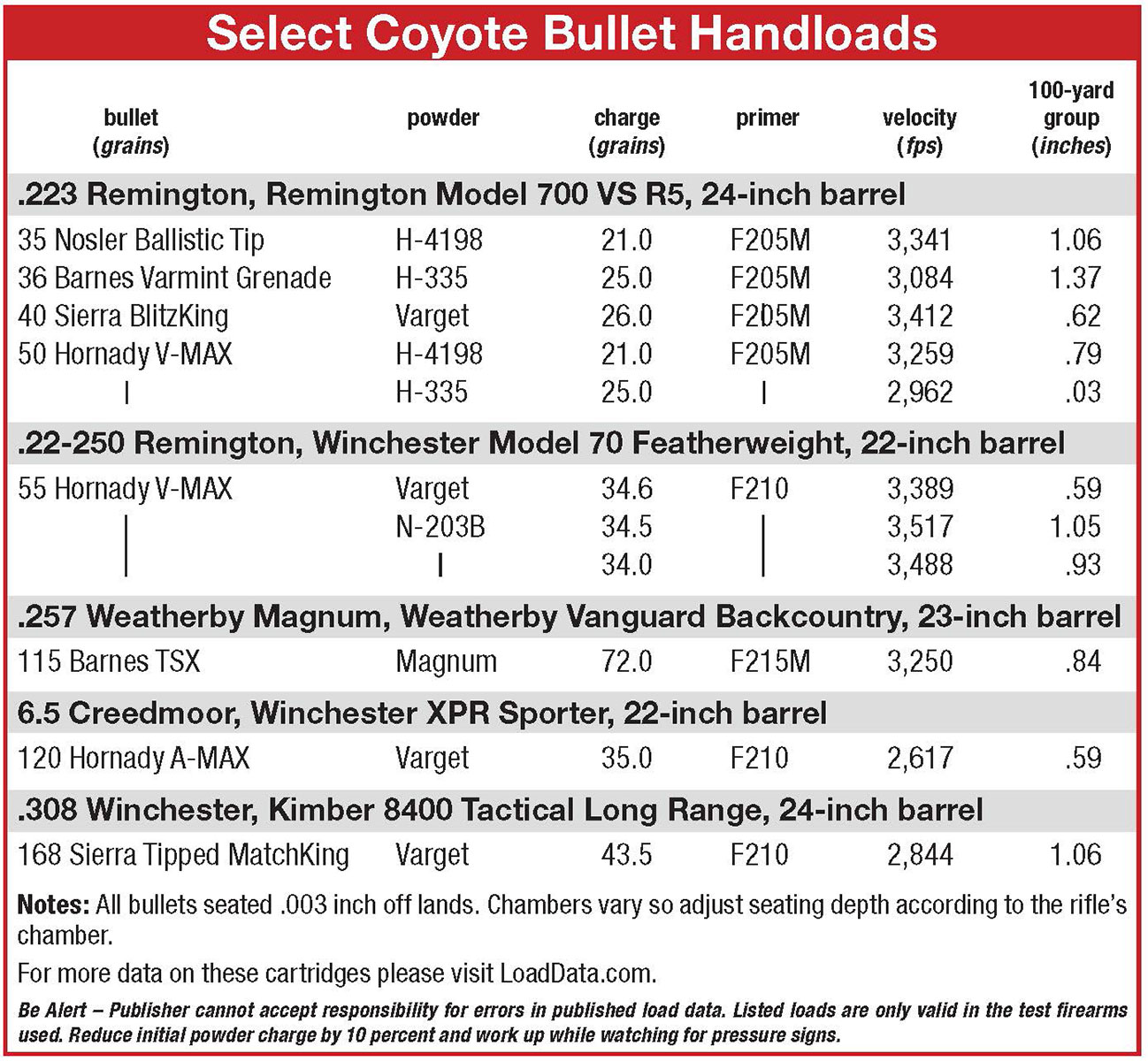
In this group of coyote rifles there are two favorites. The first is a custom Model 700 25-06 Remington, and the second offbeat choice is a 257 Weatherby Magnum shooting the same handloaded Barnes 115-grain X-Bullet as the 25-06. The rifles I used then were solid performers at any distance I cared to send a bullet downrange. In South Dakota, wind is always aggressive, and when hunting the White River badlands on the Rose Bud reservation by example, target angle and up or down drafts tended to plague riflemen almost every day afield. Therefore, fast-moving, heavy bullets fought wind, carried the mail well in terms of energy and made for short blood trails at the point of target contact.
Because I hunted a good deal of the time with professional coyote contest callers, I also observed a number of variants in cartridges that fit between short and midrange field requirements. The 243 Ackley Improved stood out, as did the 220 Swift, along with some additional heavier 6mms, .25s and .30 calibers. Even the tried-and-true 264 Winchester Magnum cartridge found its way into the mix every now and again. The main point here is that the coyote hunters I tagged along with were putting down hard money in terms of entry fees, and they were on the hunt for a return on their investment. Every dog down, regardless of field conditions or weather, was money in the bank, and these guys were not messing around.
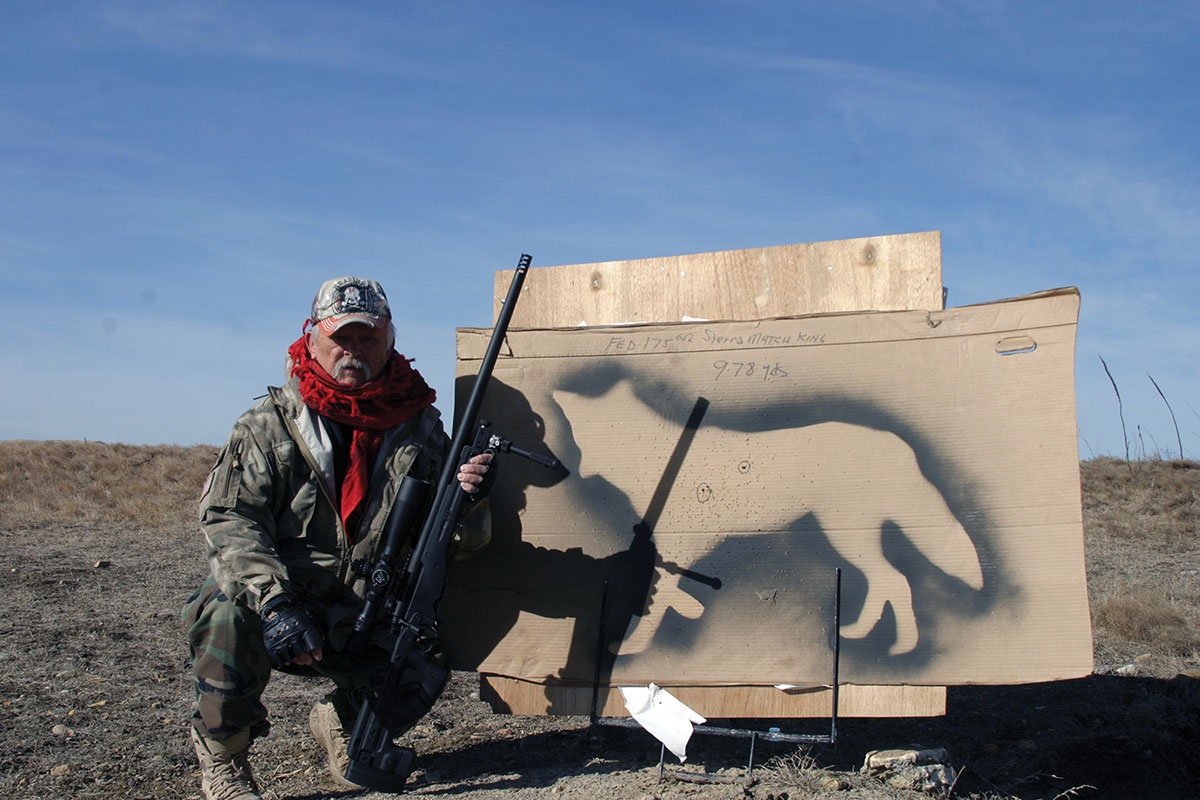
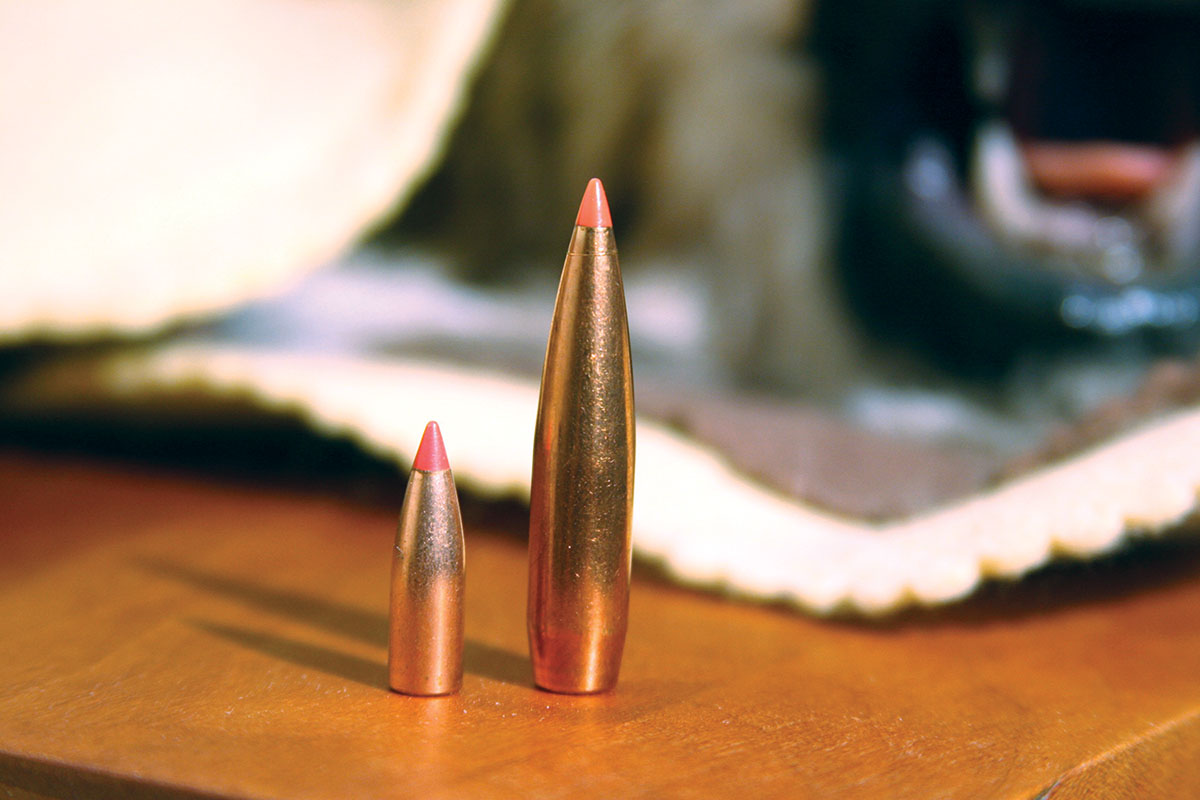
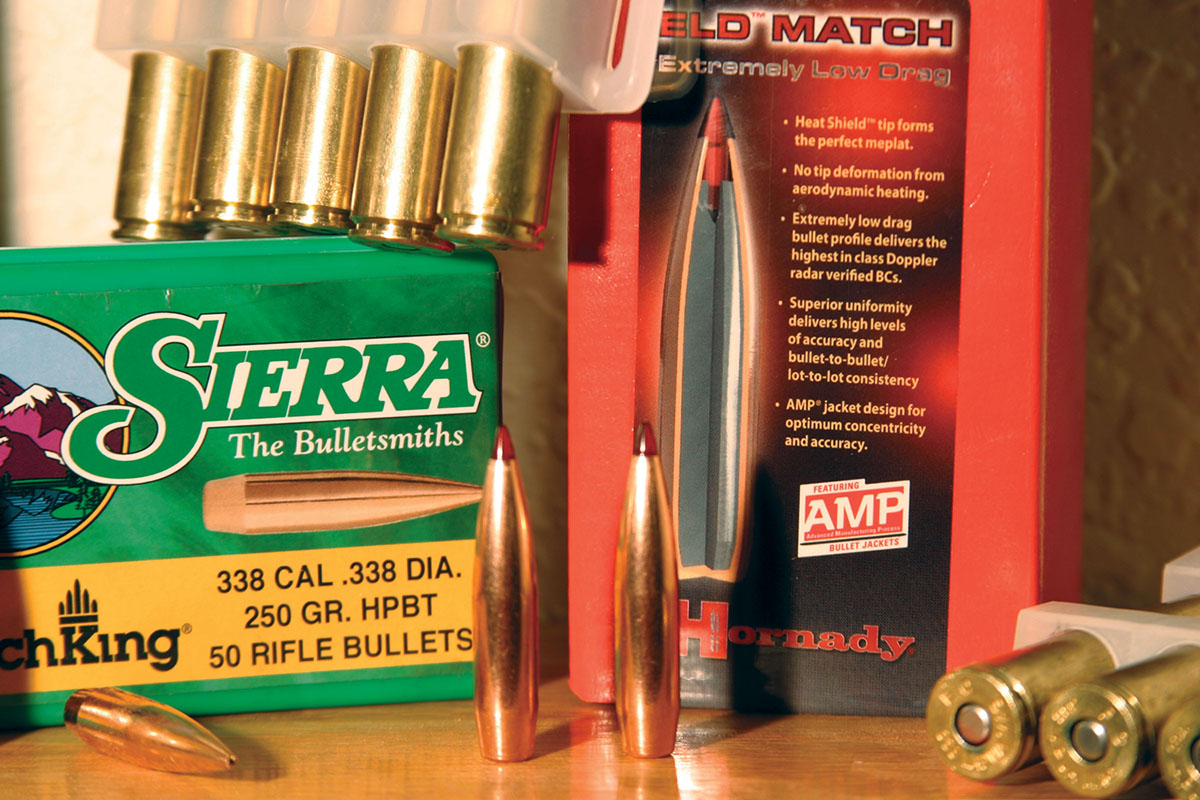
If you are asking the question, “What about all those standard hollowpoint, copper solids and softnose, lead-core bullets?” the answer is to simply have at them by all means. Sierra MatchKings, Hornady BTHP Match bullets and high-velocity Barnes Varmint Grenade bullets, by example, have a place in coyote hunting. I have shot many coyotes with these bullets, resulting in some very successful outcomes. It just depends on the bullet selected for the task at hand on a given day afield.
Long Range
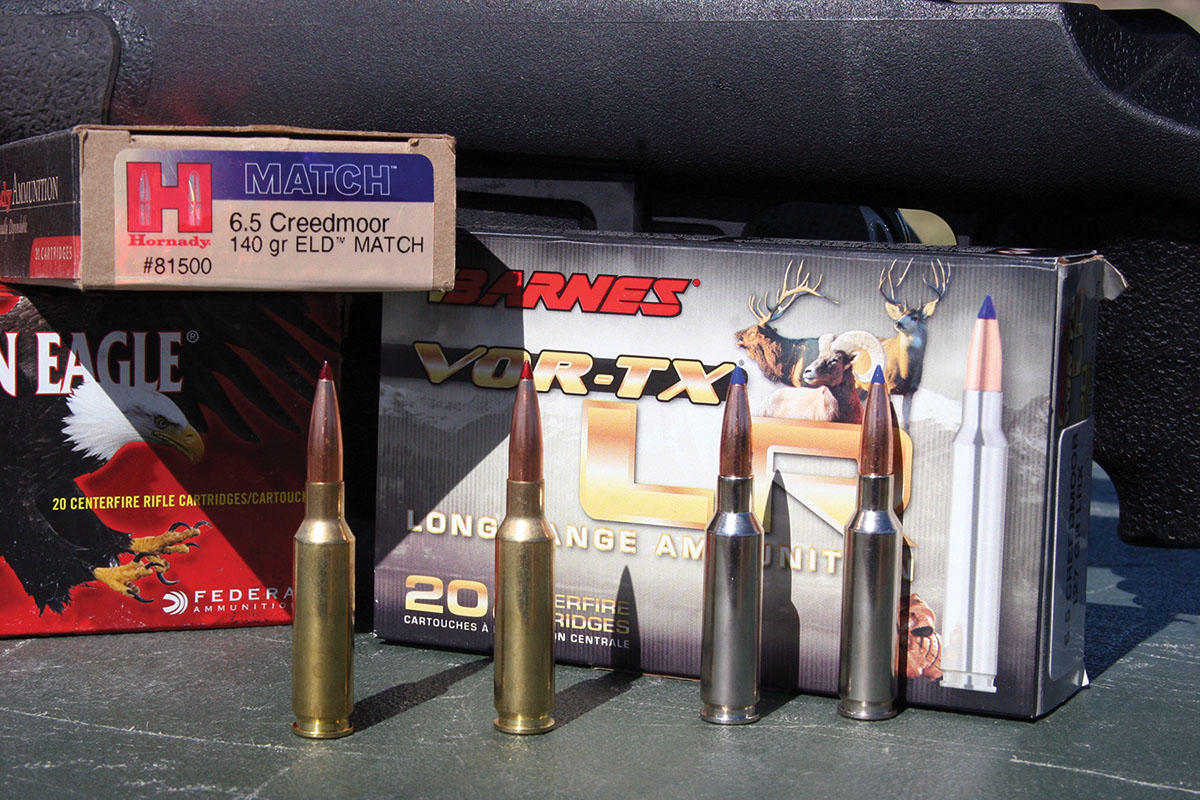
Long-range coyote hunting is almost in its infancy. Within the past several years, coyote hunters out in the Dakotas that are not shooting in tournaments or for winter fur have started to shoot for extended-range success on dogs. The polymer-tip bullets are highly popular, with Hornady leading the pack with its ELD Match and game bullets. Tack on Norma’s new heavy rifle TipStrike line or Winchester’s Nosler Long Range AccuBond loads, Federal’s EDGE TLR and Barnes’ VOR-TX LR ammunition, and a pattern quickly emerges in terms of shooting 1,000 yards and beyond. Even Sierra, with its age-old and totally military tested 168- and 175-grain .30-caliber MatchKing bullets, has moved to the polymer-tip system to gain every bit of extra ballistic coefficient downrange as applied to an already excellent ultra-accurate boat-tail bullet. The bottom line here is that all rules are being left on the table in the modern rifleman’s handbook. In many cases, both large-caliber wildcat loads as well as cartridges like the basic workhorse 300 Winchester Magnum have been popular among distance shooters for both steel and varmint work west of the Missouri river. During the past three years I have shot as many coyotes with large .30-caliber cartridges as I have with the tried and true 22-250 Remington.
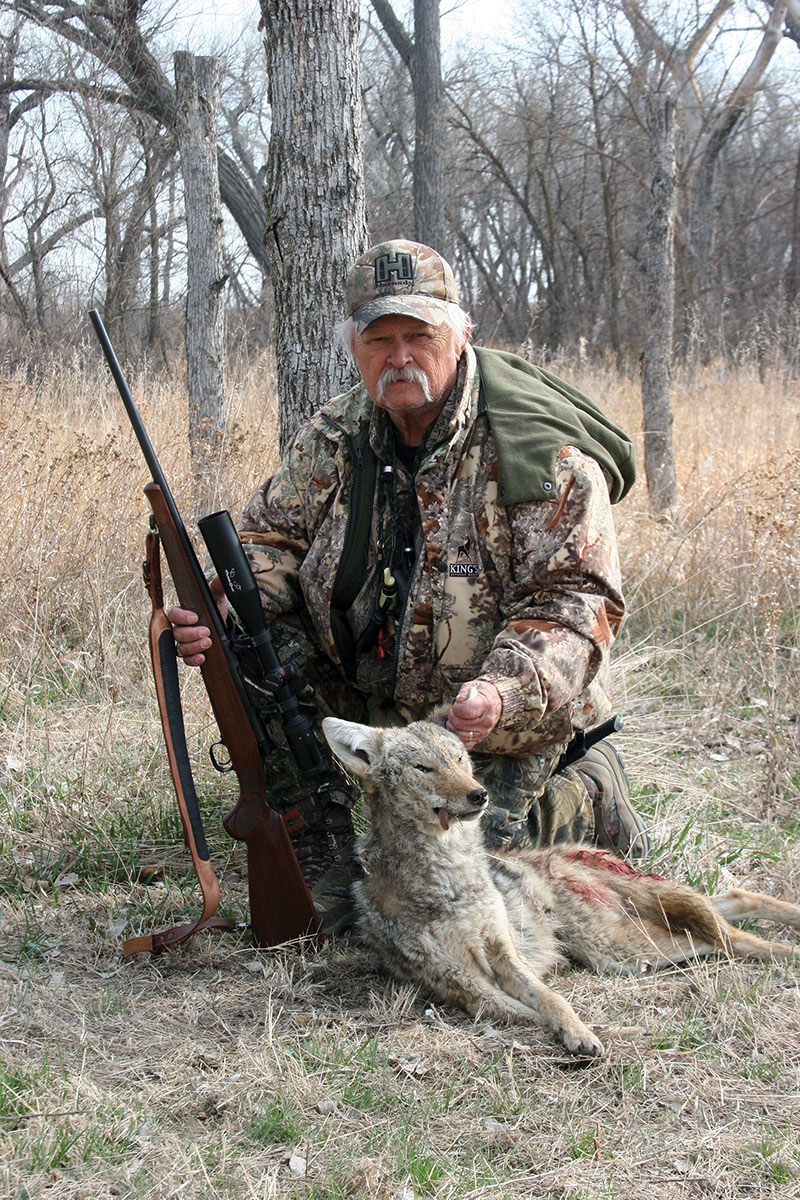
This past summer I ran a bullet recovery test on a freshly dead coyote carcass out to 800 and 1,000 yards for evidence of simulated bullet penetration performance at ultra-long range. Shooting the new 6.5 Creedmoor – a long-range predator cartridge – with the Hornady 140-grain A-MAX bullet, I made center of mass body hits with ease with the use of a Ruger M77 Hawkeye Predator rifle with a Leupold MK 5 open turret sniper scope. The same was done with my 257 Weatherby Magnum Back Country and the Barnes 115-grain X-Bullets, one of the few nonpolymer-tipped bullets I shoot.