Mountain Snow Rifle
Testing Montana Rifle Company's 204 Ruger
feature By: Stan Trzoniec | October, 18

Over the years, I have always looked for a lighter rifle for varmint hunting. Granted, and with no excuses, in my youth my attention grew toward varmint rifles with heavy bull barrels. The thinking at the time was that they were more accurate than sporter-weight barrels, and it took longer for them to heat up and start throwing shots all around the target downrange.
Like every company, there has to be a starting point, an idea, and in 1990 Keith Sipe started making his dream a reality. As a gunsmith, most of his work consisted of repairs and modifications of sporting arms for serious hunters that had depended upon him for his technical expertise in firearms. Knowing that he could squeeze more accuracy out of any given rifle, he built his own barrel drill and reamers, which eventually led to his company becoming one of the largest barrel manufacturing facilities in the world.
The next step was to make his own custom rifles, mainly based on Mauser-type actions. With a good economy and more and more sportsmen able to afford higher quality rifles, in 1995 Sipe decided that since he already had his barrel-making facility, the next step was to create his own action. To this end, he incorporated some of the features of the trusted Winchester Model 70 action, calling it the Model 1999, the year that it was introduced to the public. He added a dual-lug, controlled-round feeding system for flawless operation, forming the nucleus of the Montana Rifle Company.
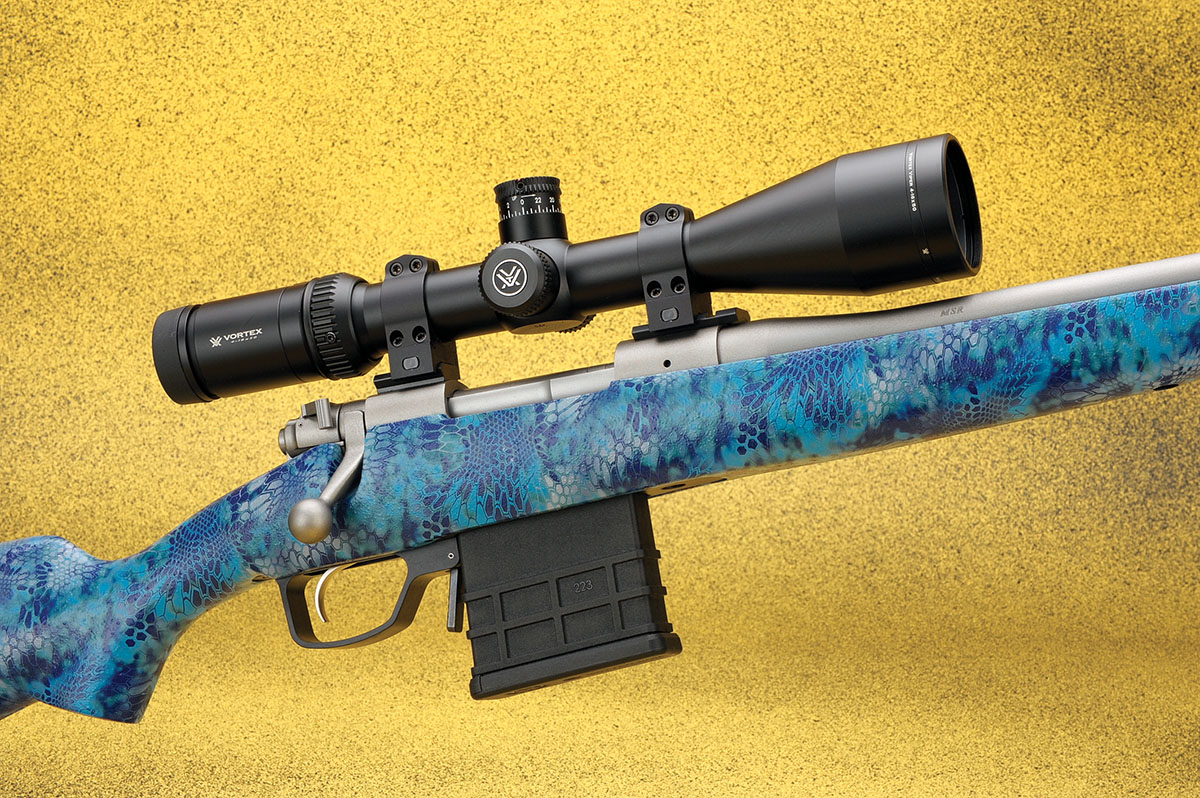
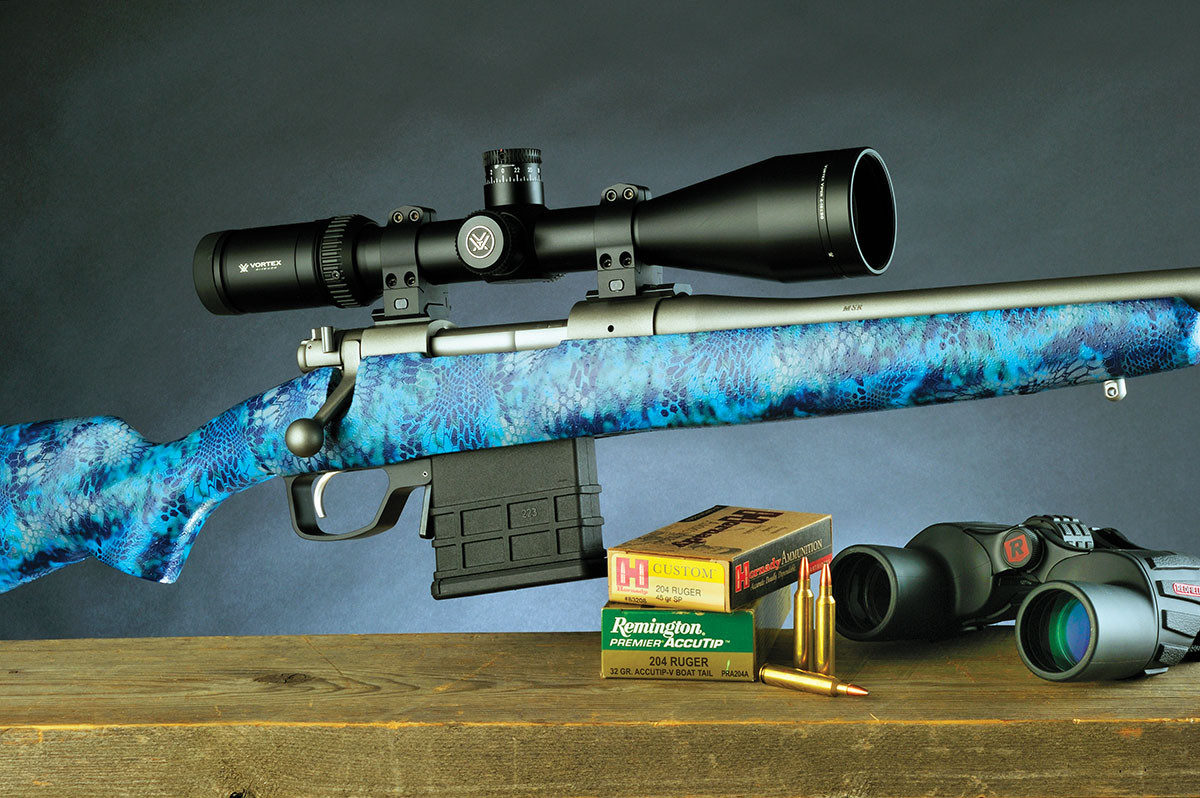
The stock is very comfortable. With a classic profile, there is no high comb, nor is there a cheekpiece for right-hand shooters. That is not a problem as it is available with either a right- or left-hand action. With the extended magazine that came with my sample, carrying the rifle on the shoulder could be a problem. To get around this, Montana Rifle installs quick disconnect flush cup swivel studs on both sides of the stock at the forearm and butt. In regard to the extended 10-round magazine, some riflemen may perhaps like it for prairie dog shooting while others think it is suitable for field use off a casual rest like a downed tree or backpack. As an option, Montana Rifle now offers five-round Magpul magazines for a trimmer look. Either way, cartridges go in and out of the magazine with little or no effort.
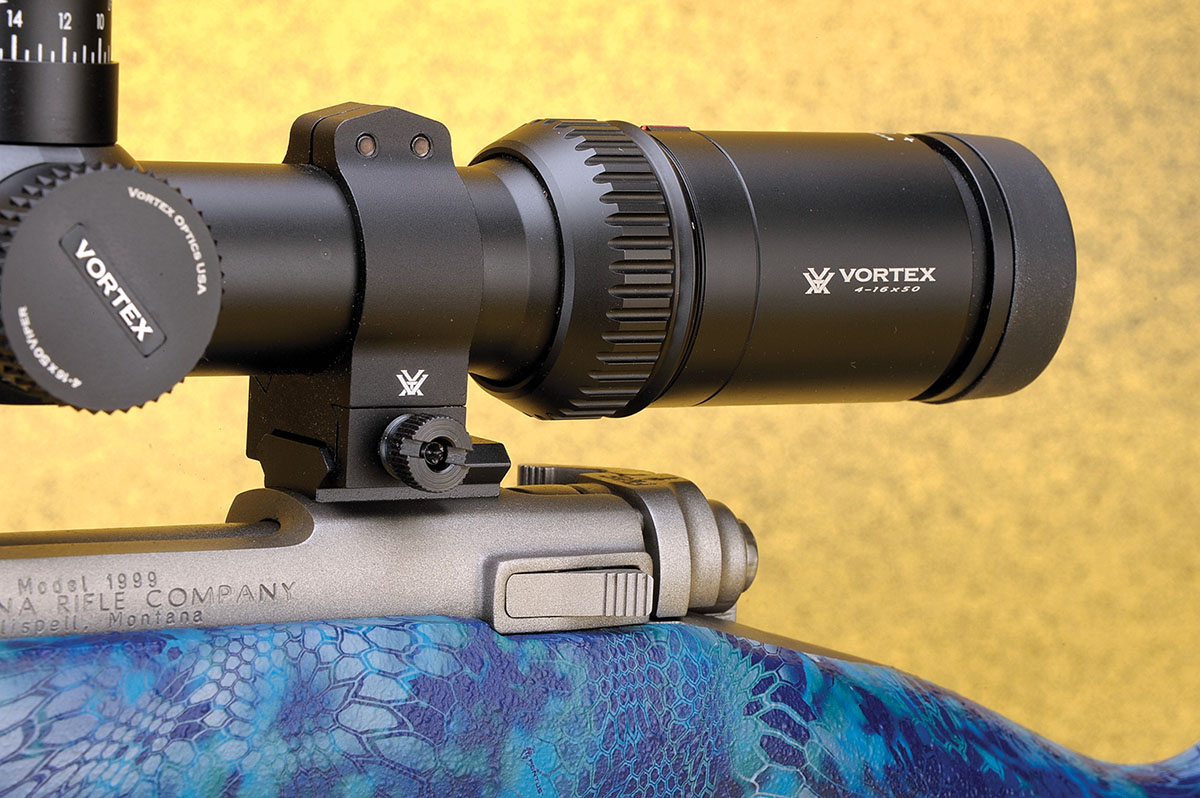
Along with the cartridge offerings, the rifle is equipped with barrels that match the ballistics of the cartridge. For example, if the 204 Ruger is ordered, it comes with a longer 24-inch barrel with a No. 1 contour and a muzzle diameter of .565 inch, making it a true sporter weight. The 223 Wylde has a 20-inch barrel, the 300 Blackout has an 18-inch barrel and the rest of the list includes the more traditional 22-inch barrel. Specifications include a stainless steel, button-rifled and hand-lapped barrel without sights that is free floated within the stock.
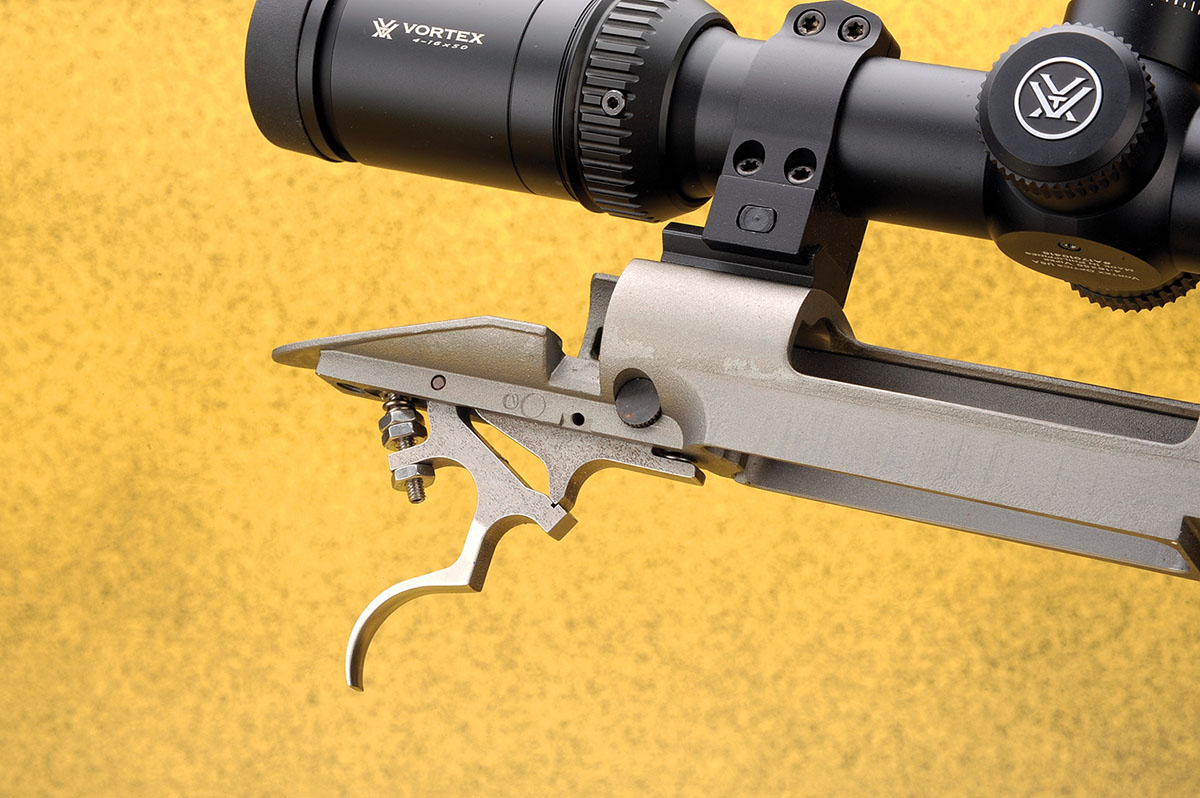
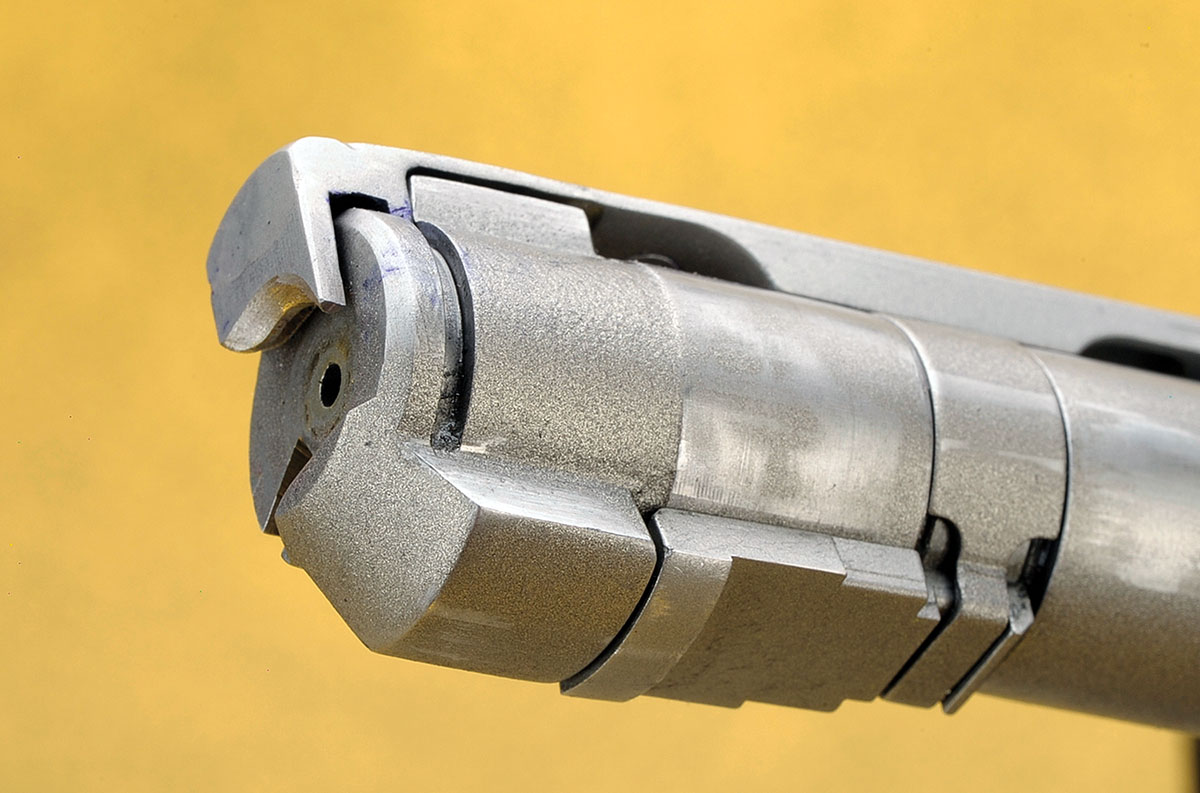
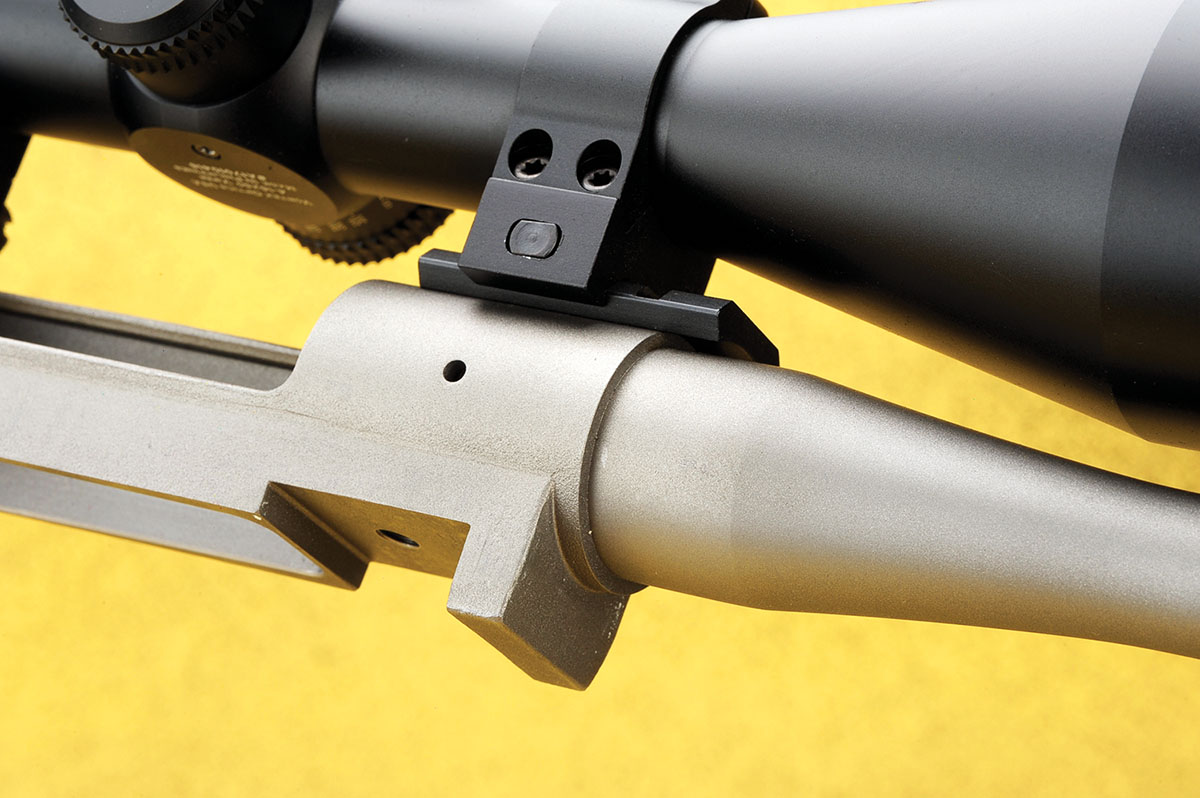
Under the front bridge, the recoil lug is machined right into the base of the receiver rather than having a separate spacer or ring attached between the barrel and receiver. Inside the stock, the barreled action is glass bedded for accuracy and secured with twin stock screws; one at the front and one at the rear of the “bottom metal” or floorplate.
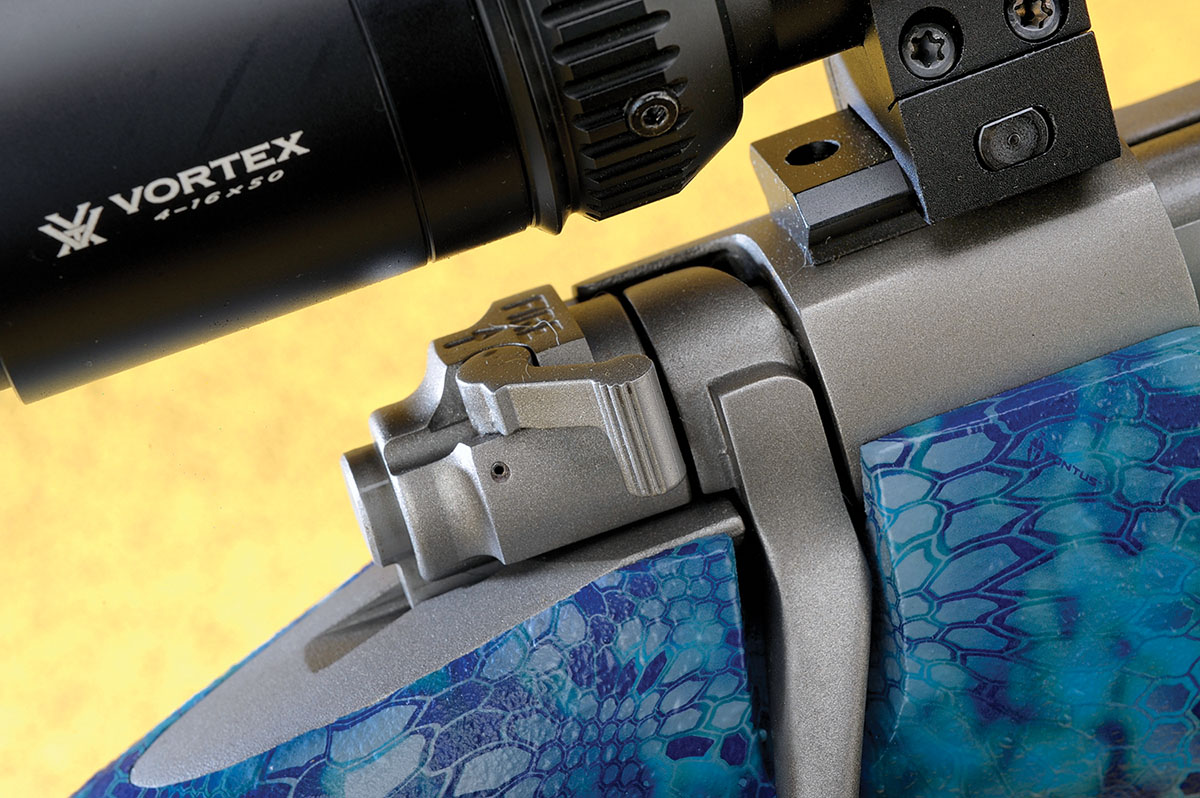
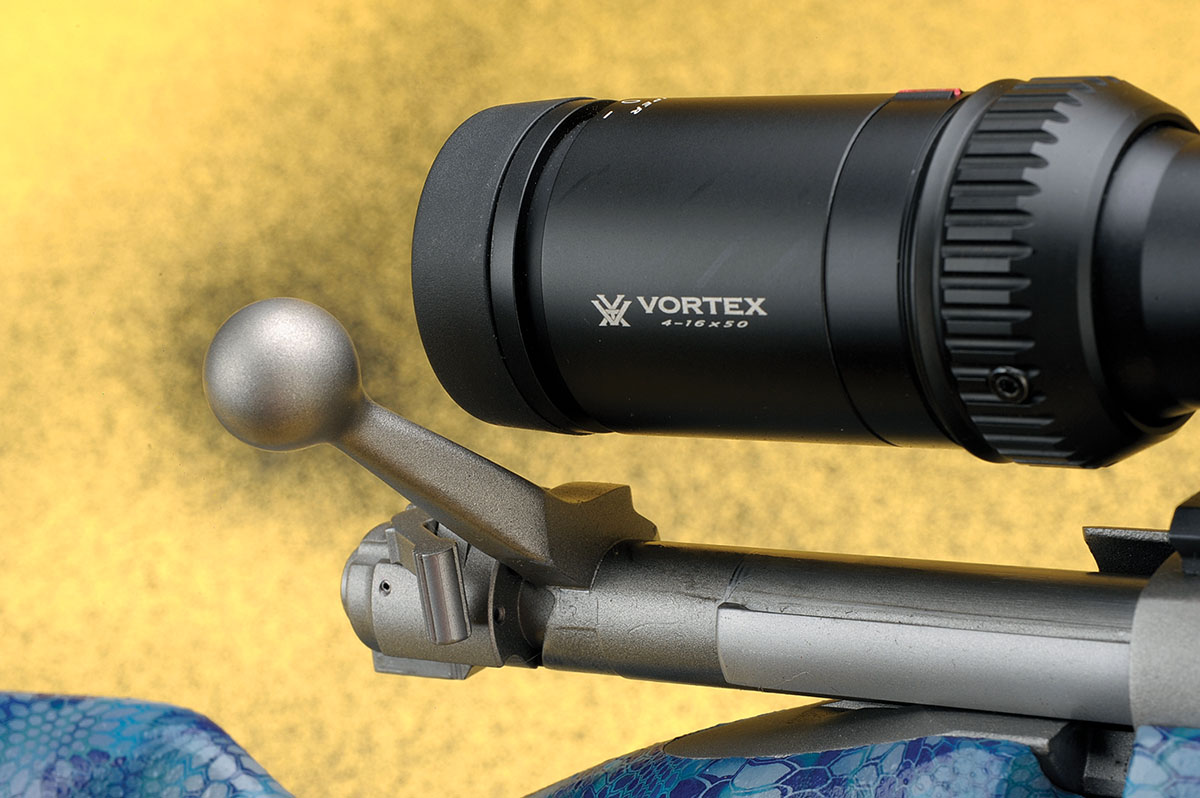
On the left side, the bolt release is an improvement of those on other rifles; it is larger than most and easy to operate, with just an inward rocking motion releasing the bolt while pulling it back and out of the action. For a short action, the bolt measures almost a full 7 inches from the bolt face to the cocking indicator when fully extended to the rear. The 1999 receiver has been engineered as a two-lug, controlled-round-feed design and is patterned after the notable Winchester Model 70. The extractor is massive, covering almost half of the bolt face. Spent cases are cleared by a mechanical ejector under the rear receiver bridge. In operation, the bolt picked up rounds from the magazine without hesitation. In fact, complete cycling of the bolt was extremely smooth. For those who may like to shoot the rifle as a single shot, dropping a round into the ejection port on top of the magazine resulted in no malfunctions.
The diameter of the bolt body is .700 inch from the front of the bolt to the bolt knob. As usual, the bolt handle is set at a mild angle to clear the eyepiece of any hunting scope on the market today. The bolt knob is smooth and carries the same satin finish as the rest of the action. The safety is located on the shroud and is a three-position design patterned after the Winchester Model 70. When fully back, it renders the rifle inoperative. The midposition locks the firing pin while allowing the hunter to move the bolt to change rounds or clear the rifle. The forward position permits the rifle to be fired. The “fire” position is clearly marked on the shroud for convenience.
It is always nice to receive a test rifle from the manufacturer with a scope mounted, sighted in and ready to go. On the test rifle, Montana Rifle installed a Vortex Viper 4-16x 50mm in the same company’s mounts. With a 30mm tube and a side parallax adjustment corrected for 100 yards, I was ready to shoot.
Without a doubt, the 204 Ruger is one of my personal favorites when it comes to varmint cartridges. The 204 made headlines several years ago when it was introduced by Hornady Manufacturing, and this Montana Rifle makes an excellent choice for the small-game hunter.
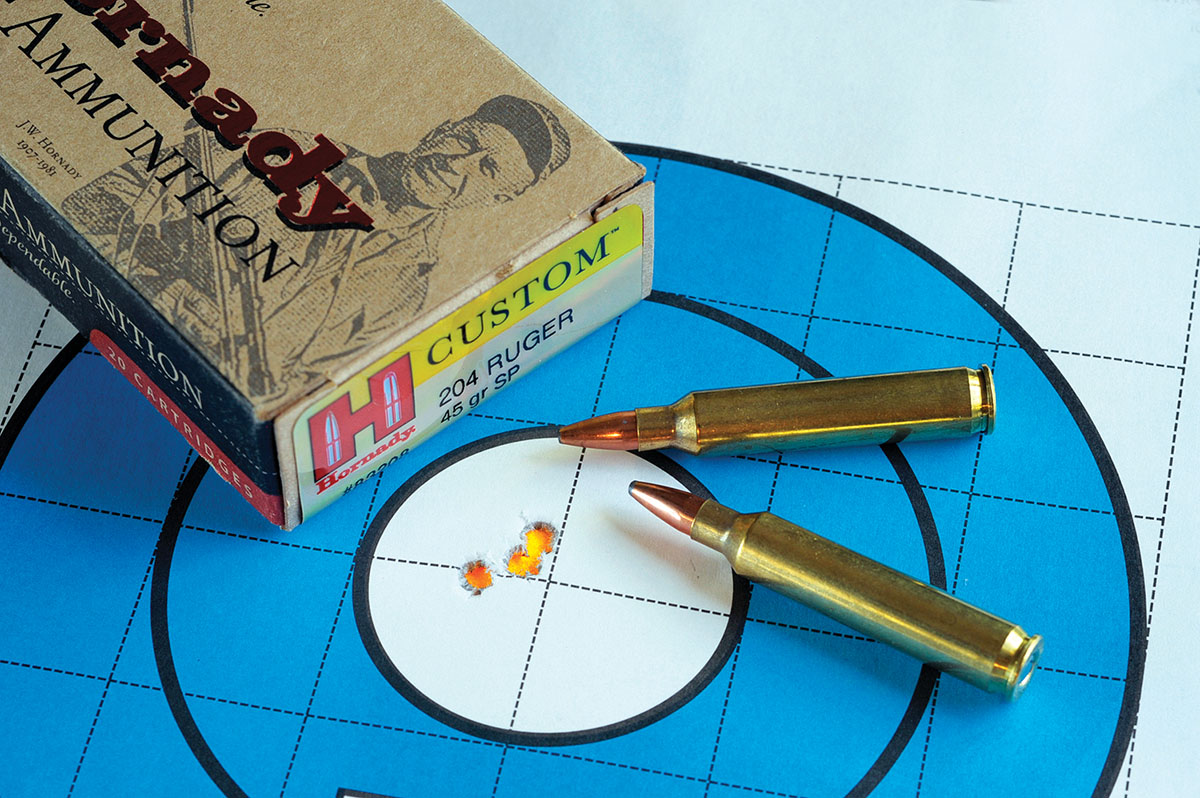
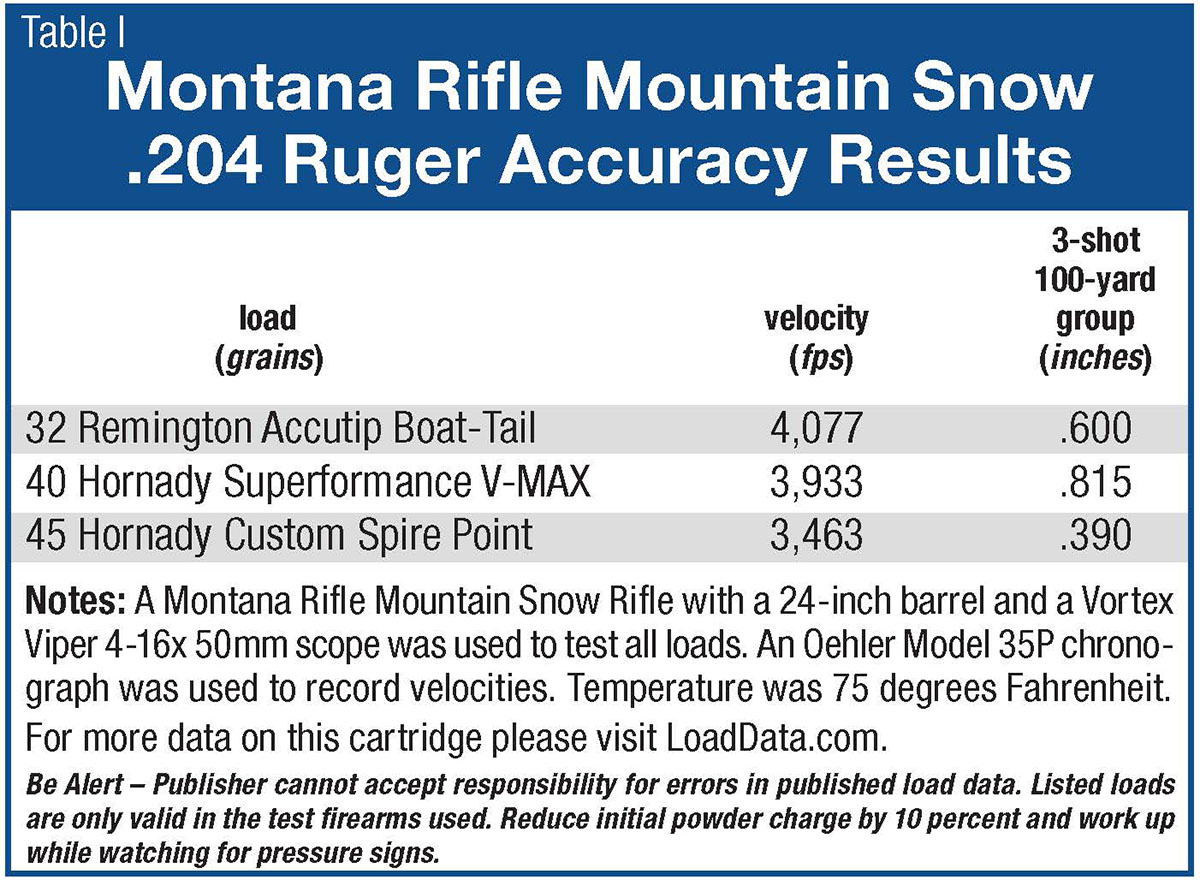
On the range, the Mountain Snow Rifle never gave me pause for concern. It performed flawlessly with the bolt cycling smoothly in the action. Ejection of spent cases was positive, and the rifle never failed to easily toss the empties to my right. Groups were always within a minute of angle, with the best groups shown here in Table I for each brand of ammunition.
I could not ask for more in a small-game rifle, and the only thing I would change would be to make sure I ordered it with the nonstandard five-round magazine. Even at the bench, the 10-round magazine sometimes got in the way, but I’m sure out in the field during a hot day of prairie dog shooting, for example, it would be fine.
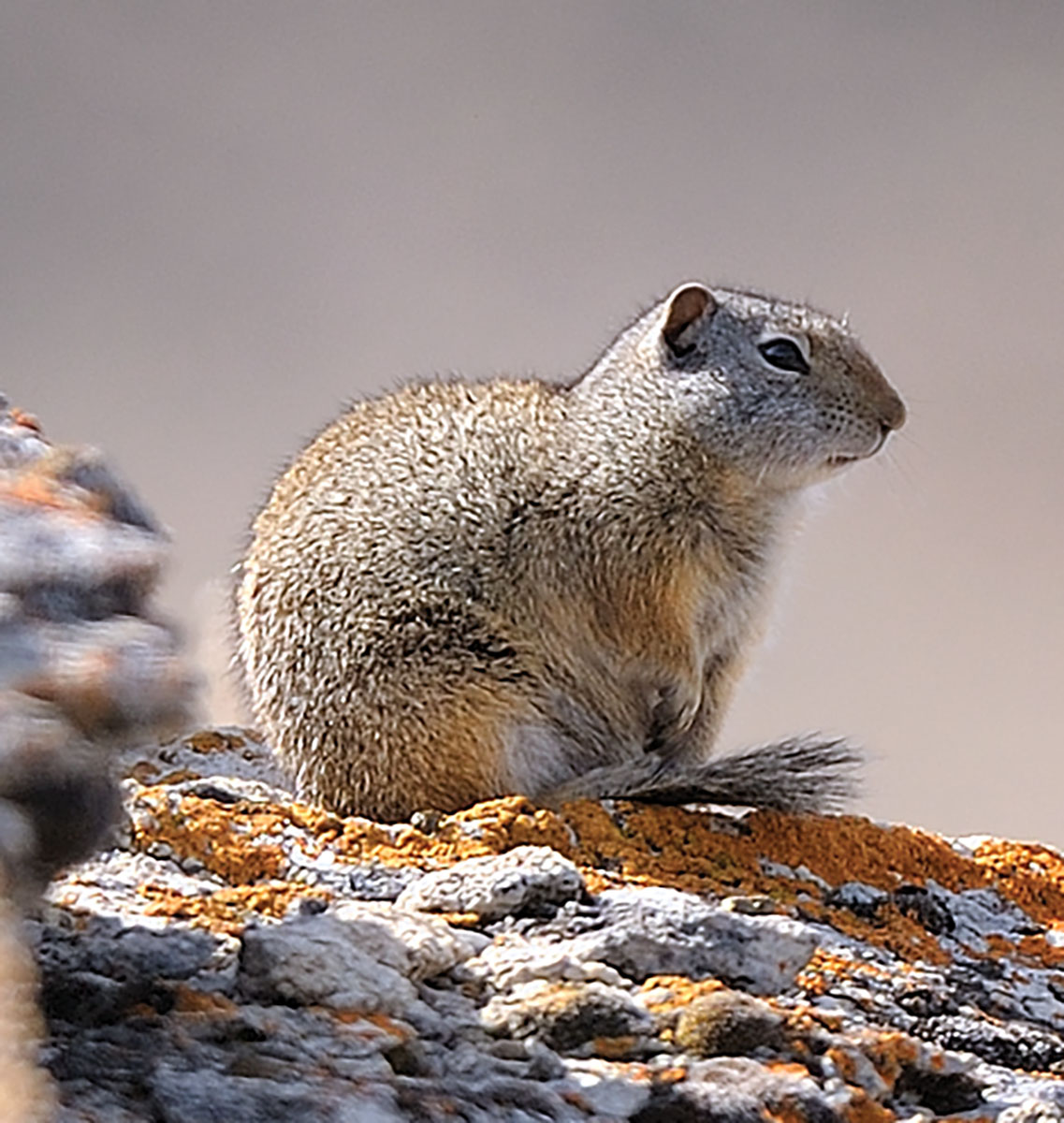
Over the years in the Northeast, the ’chucks are getting smarter because of the coyote population and tend not to den in the fields, but rather on the periphery of the fields, making them a bit harder to see and hit. The Montana Mountain Snow Rifle will make potting groundhogs easier for sure. I look forward to it all. Contact Montana Rifle Company at 3178 Mt Hwy 35, Kalispell, MT, 59901 or visit montanarifleco.com.
[As this story was being prepared for publication, we learned that Keith Sipe retired. Current management intends to continue offering high-quality rifles. - Ed.]