

Rifle Talk
Bolt-Action Rimfire Trends
column By: Lee J. Hoots | October, 18
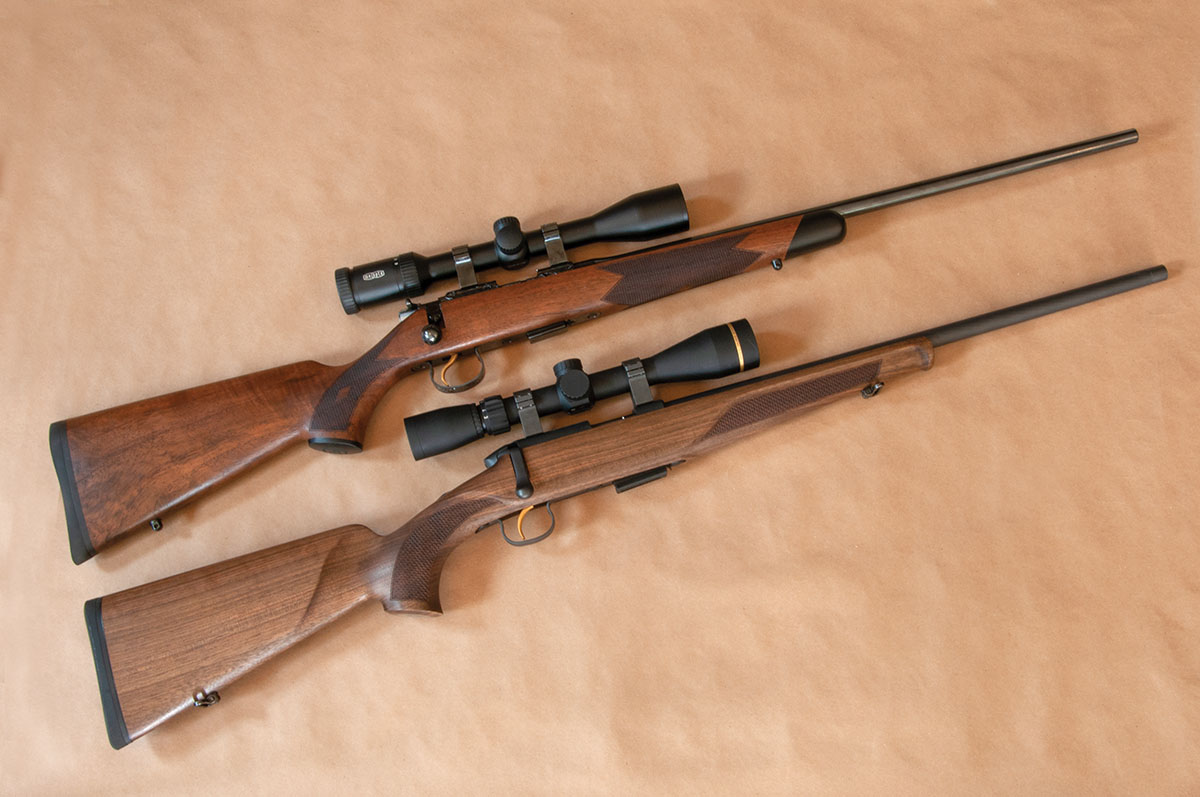
There are a few exceptions like the Browning T-Bolt and several rifles listed by CZ-USA and Ruger, and semi-custom makers such as Cooper, but the American consumer seems increasingly disinterested in polished blued steel and fine walnut. This begs a question for which there may be no clear answer: Does the firearms industry drive the market, or do shooting enthusiasts and varmint hunters no longer see a need to own beautifully stocked rimfires that can be passed down from one generation to the next, all the while maintaining or increasing in value?
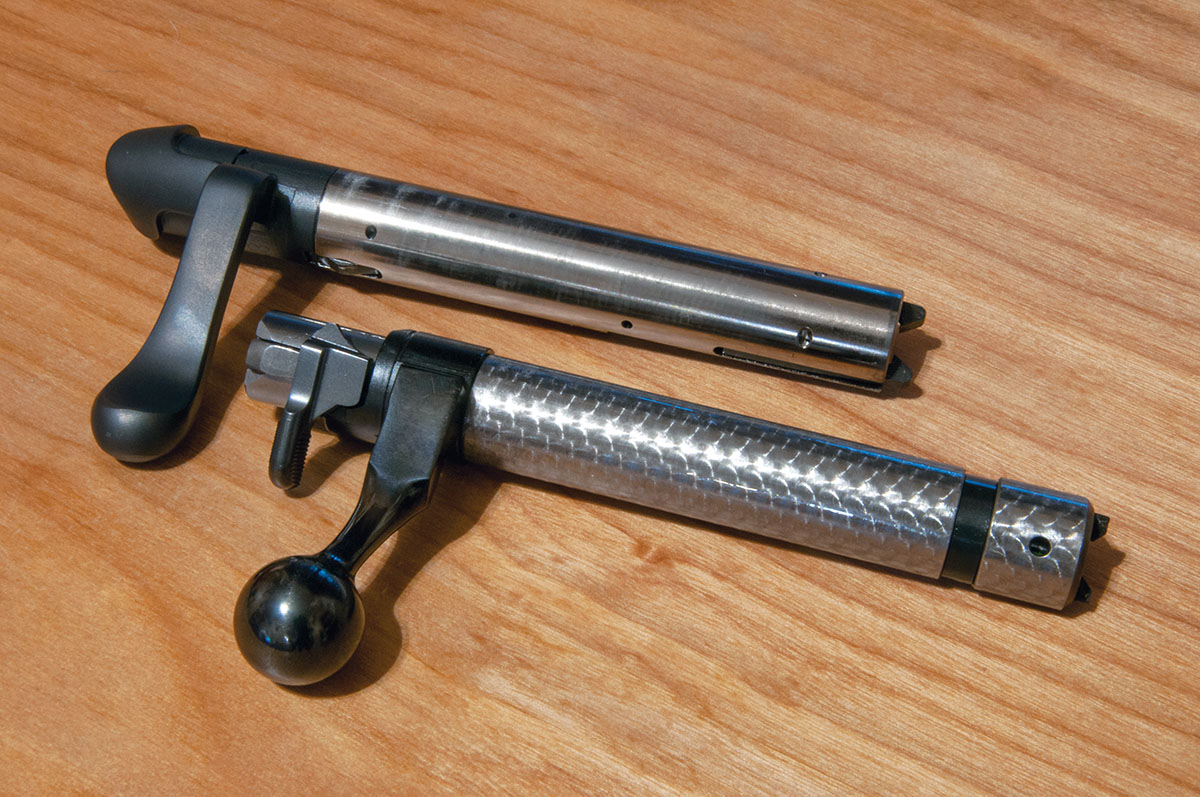
As examples, in 2004-05 Remington introduced its Model 504 22 LR that at the time was labeled by the shooting press as perhaps the “best” rimfire bolt rifle the company ever offered. Suggested retail was $710, meaning the rifle sold for around $600; today a Model 504 in good condition can bring the same or higher price. When Kimber introduced its Kimber 22 Classic in 1999, suggested retail was $919; if online auctions count as a “price barometer,” today used rifles in fine condition sell for $1,000 or more.
Fortunately, inexpensive rifles have not totally displaced “blued and walnut.” The Steyr-Mannlicher Zephyr II (roughly $800 retail) and the limited edition CZ-USA 452 Grand Finale (about $1,000 retail) are two examples. Yes, these rifles are costly, but consider how those listed above have maintained or increased in value.
Steyr-Mannlicher Zephyr II 17 HMR
With so few rifles assembled, it’s highly unlikely that many of them made it to the U.S., though there are hints that some of them did, even if slightly reconfigured. A 1953 Stoeger Arms ad touts the “amazing Mannlicher Schoenauer Carbine in 22 Long Rifle Caliber.” The rifles were listed at $136. The end of the ad reads, in part: “We suggest early ordering to insure delivery this year from the small initial production.”
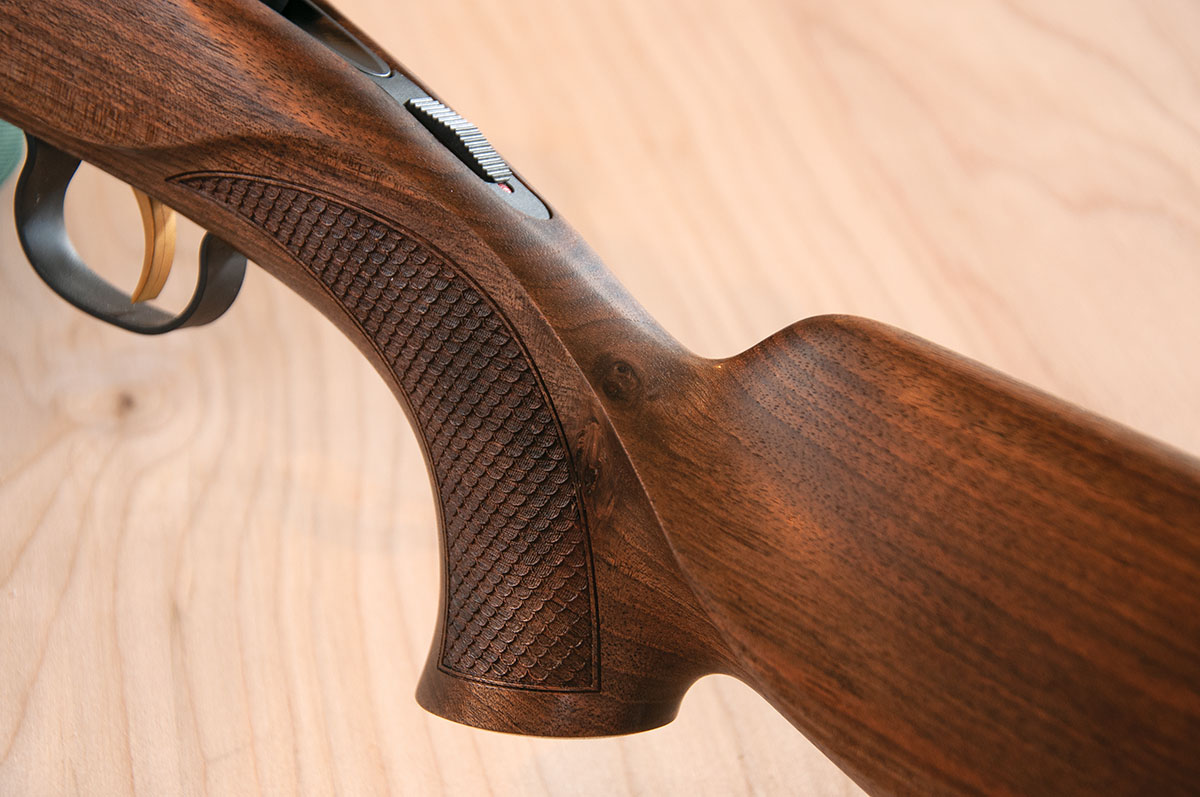
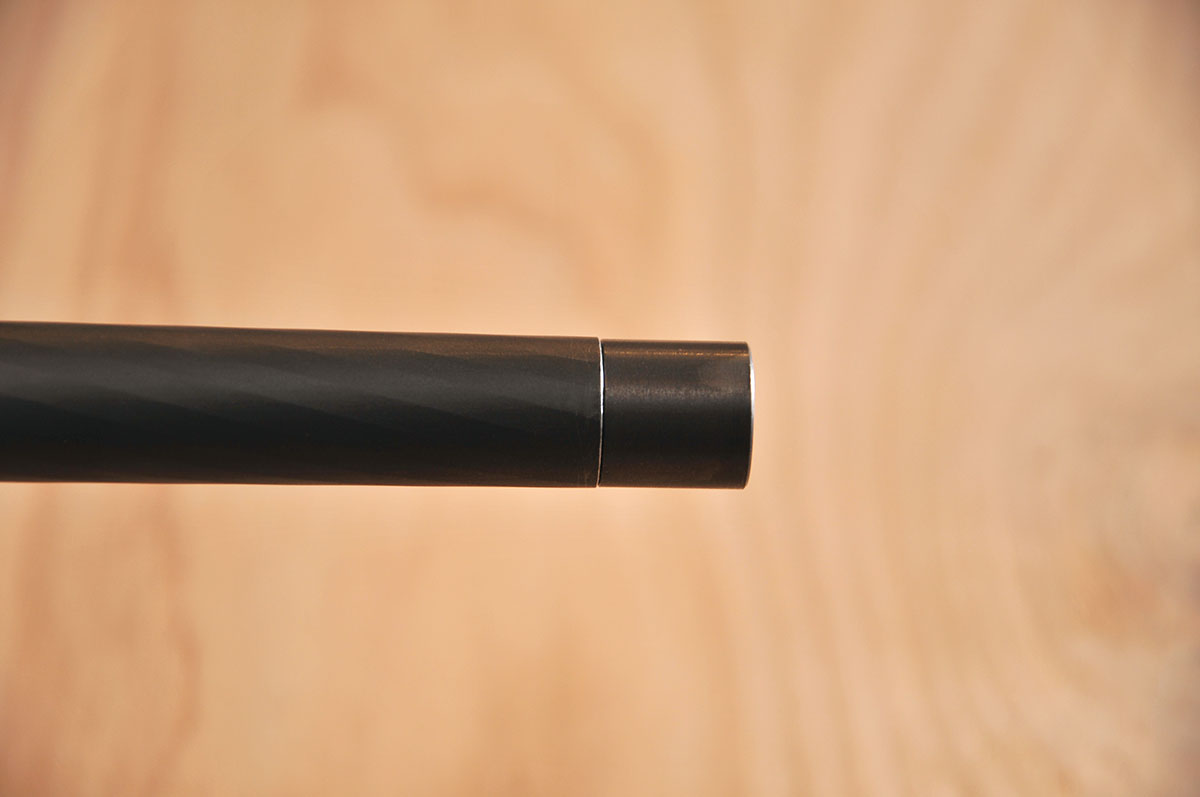
The current Zephyr II was introduced this year and is available in 22 LR, 17 HMR or 22 WMR. Barrel length is listed at 19.7 inches, and its hammer forged barrel exhibits the spiraling texture found on most Steyr sporting rifles. Its straight grain walnut stock is appropriately trim for a rimfire, and it features a Schnabel forend tip and a Bavarian cheekpiece. The comb is nice and straight, and the checkering is of a fish scale pattern. Having grown up shooting Ruger and Remington bolt rifles, I’m not a great fan of traditional European stock styling, but it appears that when Steyr designed this stock, it considered the American market. There is nothing offensive in its old-meets-new lines.
The rifle is listed at 5.8 pounds, and with a Leupold VX-Freedom 3-9x 40mm scope attached total weight comes to 7 pounds, 4 ounces. The new Leupold scope is a bit of a departure from the company’s previous rimfire scopes. It features a Rimfire-MOA reticle with horizontal lines on the descending crosshair that allow for bullet drop compensation. I rather like the idea for 22 LR loads, but since the 17 HMR sample was tested at 50 yards, the advantage of such a reticle was not needed. Steyr warns against adjusting the trigger, but doing so was not warranted anyway. As it came from the U.S. distributor (steyrarms.com), the single-stage mechanism exhibited about a quarter-inch of take-up, then broke cleanly with a measured pull weigh average of 3 pounds, 10 ounces.
There is little to discredit on this rifle, except that the Schnabel forend tip is a little shallow and is of little utility because the front sling swivel is roughly 2.5 inches below it. What good is a Schnabel forend if the shooter cannot wrap his fingers around it because the sling and sling attachment gets in the way? As decoration it is otherwise quite nice. The rifle’s plastic magazine fed flawlessly, but considering its price, a steel magazine is warranted.
CZ 452 Grand Finale 22 LR
The Model 452 is on its last leg, partially due to the fact that CZ (cz-usa.com) began revamping many of its product lines to include centerfire rifles that now feature push-feed bolt designs with twin locking lugs, rather than the massive Mauser-type claw extractor. Frankly, I never had trouble using the 452’s safety in the past, and there was no apparent problem when my children learned to shoot with a 452 Scout 22 LR many years ago, but I digress.
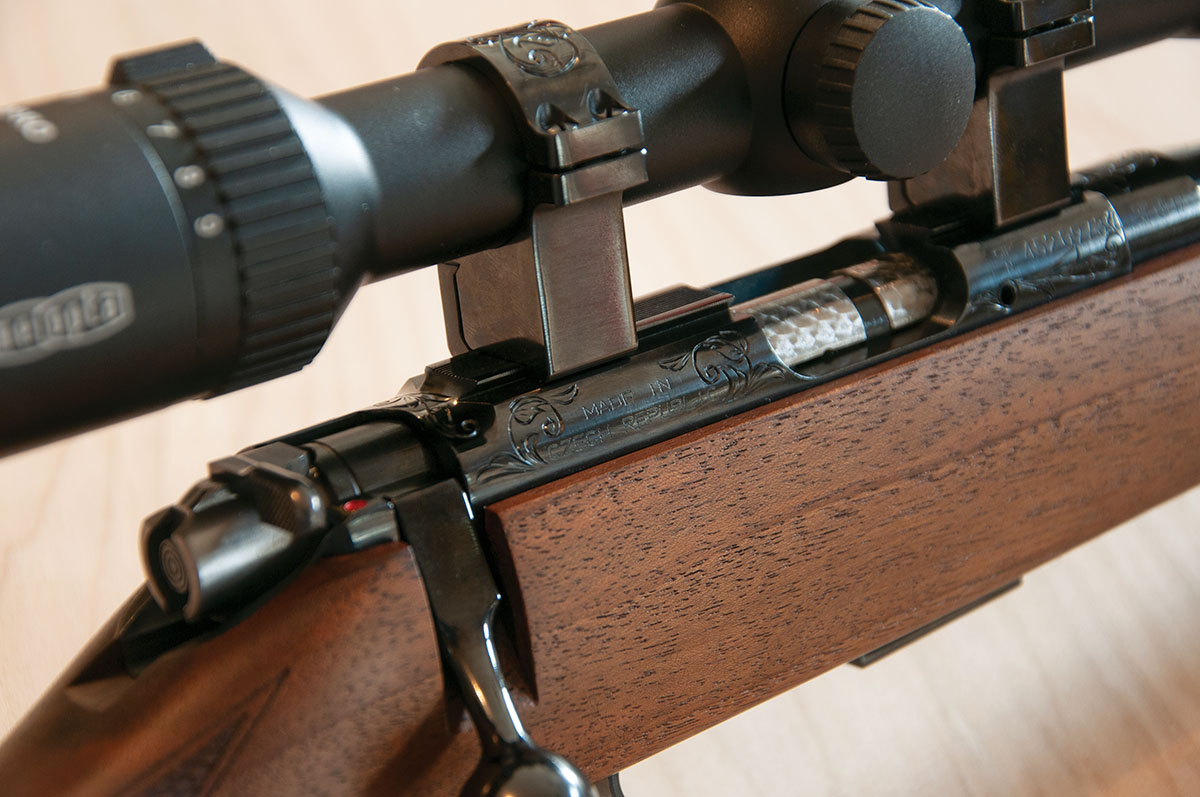
Accordingly, the limited edition rimfire will represent the end of the 452 and will be “Built using the last 452 actions ever produced…at the Brno workshop.” The barrel on these collectible rifles is engraved as “One of One Thousand,” and the rifle is otherwise fittingly adorned with just enough tasteful hand-engraved scroll on the receiver, barrel, bottom metal and scope rings. However, it is the beautiful dark, oil-finished American walnut tastefully shaped into what some aficionados describe as an “American classic” stock that catches the eye. It’s further embellished with an ebony forend tip and grip cap. Checkering wraps around the forend, and panels adorn both sides of the grip. The bolt shank is jeweled and slides slickly in and out of the receiver, and the five-round magazine is made of steel. The trigger is adjustable, but as it came from CZ-USA, five measured pulls using a Lyman digital trigger-pull scale revealed that the review sample had a crisp break of 3 pounds, 4 ounces.
With the exception of the safety mechanism, this rifle looks and feels like it was designed expressly for American riflemen. To complement its highly polished gloss blueing, while waiting for a test sample to arrive a search was made high and low for a black-gloss Leupold rimfire scope. The company is unfortunately no longer making gloss-finished scopes, so a Meopta MeoPro 3-9x 40mm MC scope – an excellent rimfire scope – was mounted to the rifle, bringing its weight up to 7 pounds, 8 ounces.
As this is written, and as is typical during the month of July in northwest Arizona, heavy monsoon downpours made range testing difficult. The first time out I paced off 50 steps and shot five-shot groups after getting the rifles rough zeroed. Two days later during a clear morning, I shot groups again with each rifle. With a rangefinder on hand the second time, it was realized that the earlier groups were shot at 42 yards instead of the preferred 50 yards (those first targets and group tabulations were tossed out.) At 50 yards, both of the small-game rifles still shot impressively well.
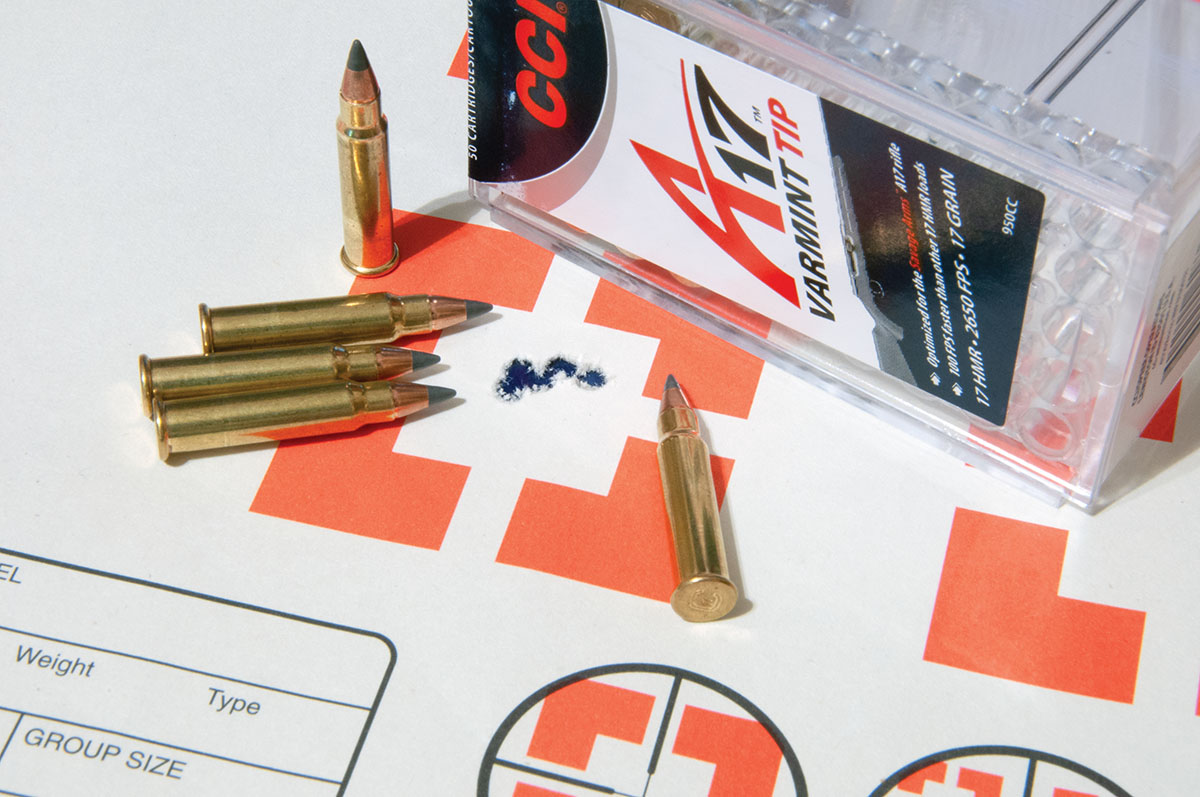
I have yet to shoot a 17 HMR that would not provide tiny clusters, and the Zephyr II followed that trend. Shooting Hornady XTP loads containing 20-grain hollowpoints, average five-shot velocity was 2,453 fps and extreme velocity spread was 88 fps. Five groups with this load averaged .625 inch. However, the rifle shot somewhat better using CCI A17 Varmint Tip loads with 17-grain bullets that provided groups that ranged from .356 on the small side to .532 inch on the large side. Average velocity was 2,758 fps with an extreme spread of 50 fps.
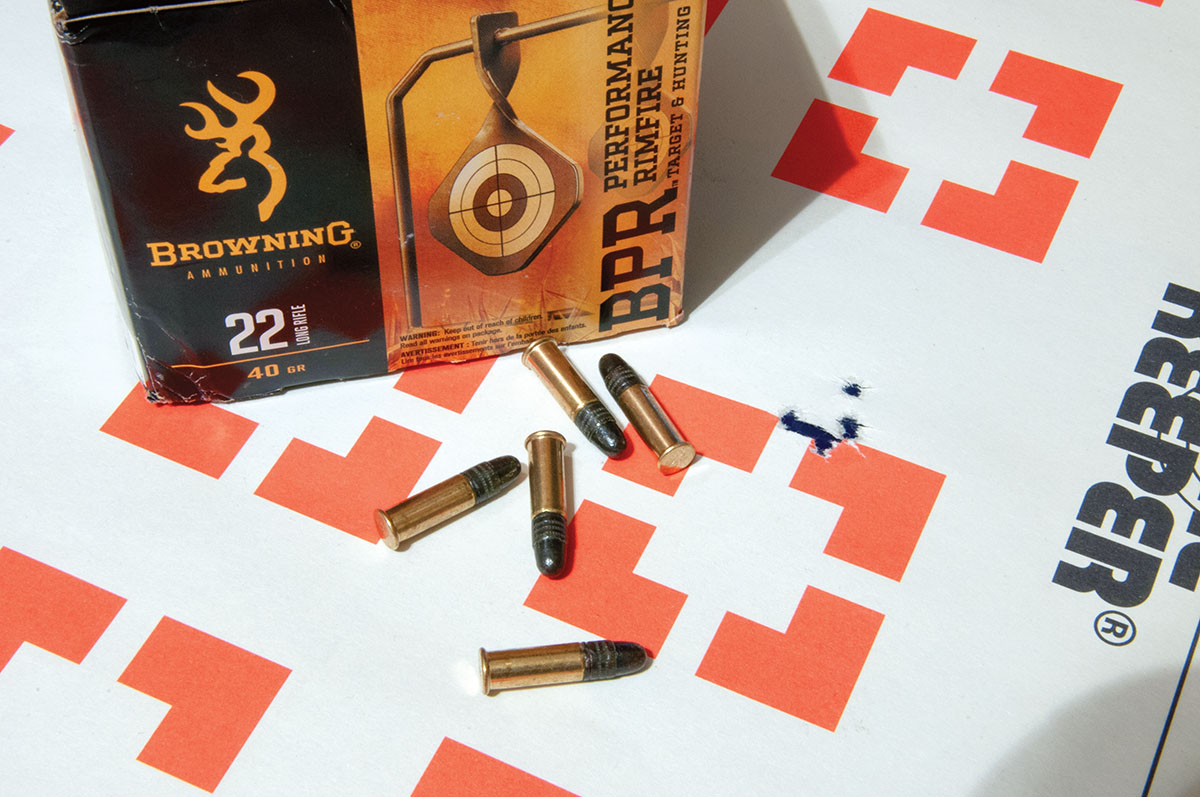
The CZ 452 Grand Finale 22 LR provided groups that were about what I expected with small-game loads chosen on purpose because it is a hunting/plinking rifle rather than a match grade competition rig. Ammunition included Browning Performance Rimfire (BPR) loads with 40-grain lead roundnose bullets, and Winchester Super-X Power-Point 40-grain loads. At 50 yards, the BPR loads sped along at 1,053 fps with an extreme velocity spread of 56 fps. The smallest groups measured .475 inch, but average accuracy for five, five-shot groups was .678 inch. Winchester Super-X loads with Power-Point bullets have long been a favorite for small-game hunting and chronographed 1,312 fps with an extreme spread of 27.3 fps. The average group size was just larger than .790 inch, with the smallest cluster measuring .600 inch.
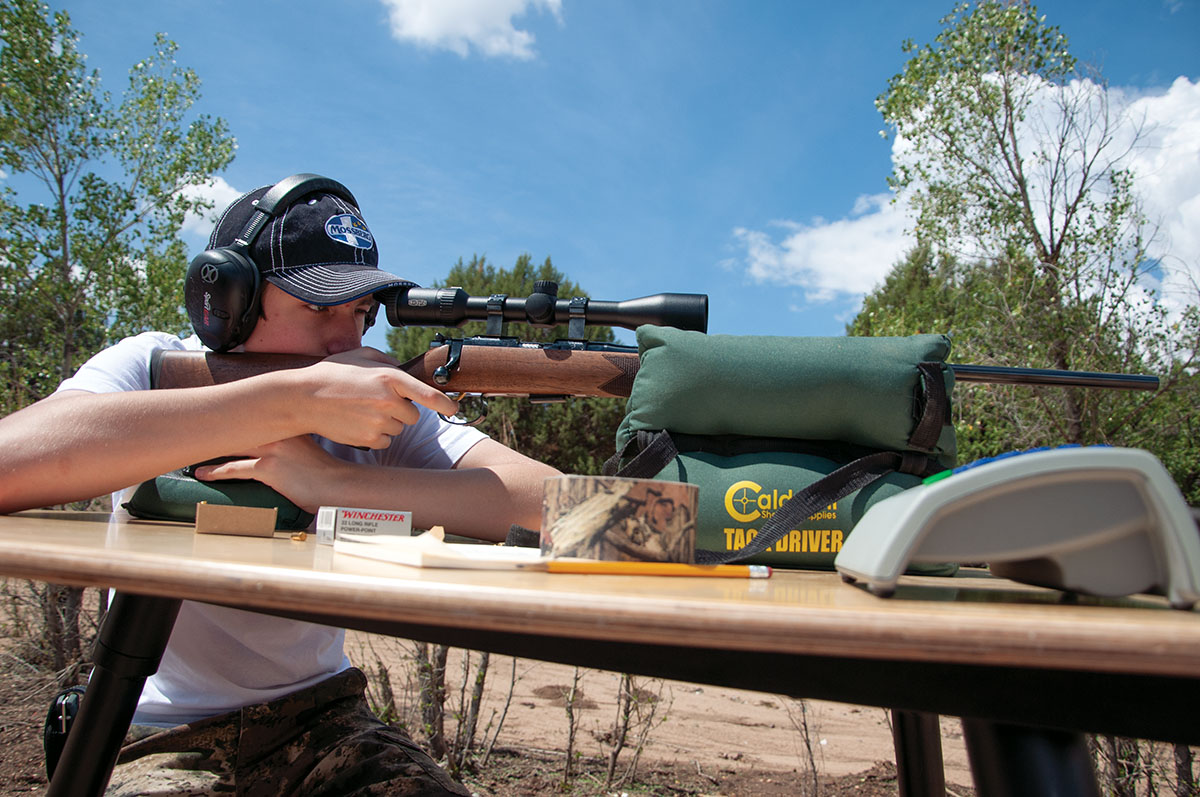
All these loads were shot from a Stukeys Sturdy Shooting Bench and a sandbag rest. As a final test, it seemed appropriate to shoot a couple of 25-shot groups rather quickly – to sort of duplicate ground squirrel or prairie dog shooting. For this I enlisted my youngest son, requesting only that he aim carefully between shots. The somewhat ragged groups are listed here measured outside to outside: Winchester Super-X 22 LR, 1.14 inch; Browning BPR 22 LR, 1.25 inch; CCI A17 Varmint Tip 17 HMR, .921 inch; Hornady XTP 17 HMR, 1.12 inches.