221 Remington Fireball
The Little Cartridge That Can
feature By: Randy Bimson | April, 21
For those of us city dwellers who are ardent varmint hunters, it seems with every passing year, the ever-growing urban sprawl encroaches further on our favorite varmint hunting territory. With the sprawl comes a change in social attitudes, and where the friendly farmer once welcomed you in keeping the coyote, woodchuck or crow population in check, nowadays suburbanites living on the rural edge of cities and towns are not accustom to, nor as tolerant of, the report of a varmint rifle. If, like me, you are one such varmint hunter, I suspect that at some time or another you have thought about what the ideal “urban” varmint rifle and cartridge would be.
You have likely considered or tried the classic 22 Hornet. I did, shooting a very nice double-set triggered Brno model 465, which was an honest five-shot, one-inch rifle. The Hornet comes with its own foibles and eccentricities, none that are insurmountable for sure, but I was looking for a cartridge that I envisioned as being more accommodating and could extend the effective range out to 200 or 250 yards to handle a wider spectrum of chores.
Sometime in the late 1990s, I came to the realization that the near-perfect cartridge I was looking for had been with us since 1963. I guess you could call me a slow learner.
Let me digress. In March of 1963 (often incorrectly stated in print as 1962), the then-Remington Arms Company introduced to the shooting public the radically different XP-100 single-shot, bolt-action pistol and the 221 Remington Fire Ball (two words as it was then spelled) cartridge expressly developed for the XP-100. The previous November, a number of gun scribes were invited to the Remington Bridgeport, Connecticut, plant for an introduction to the XP-100 and its companion cartridge. Noted gun writer of the time, Les Bowman, recapped the reaction of those in attendance: “To report that some these gun scribblers were flabbergasted, shocked and generally undone is to put it mildly indeed. Others, the more youthful scribes, of course, were lavish in their praises.”
Remington advertising at that time was more to the point, stating that the 221 Fire Ball cartridge and XP-100 pistol combination “shoots faster, flatter, farther and tighter than any handgun in history.” Many shooters got their first look at the XP-100 on the front cover of the June 1963 edition of Guns and Ammo, accompanied by an in-depth article penned by Bowman. Bowman had been “in the know” about Remington’s development of the 221 Fire Ball cartridge and the XP-100 pistol for some time and, outside of Wayne Leek’s research and development team at Remington, had more hands-on experience with shooting the XP-100 and handloading the 221 Fire Ball than anyone.
Growing up in Saskatchewan, Canada, I only knew of one person who owned an XP-100, an industry acquaintance, William J. Davis. Bill, being in his later years, found his interest in heavy-barreled benchrest and varmint rifles waning as they became more cumbersome for him to handle and he had purchased one of the first XP-100s available in Canada. When I met Bill, he had been shooting his XP-100 for seven years and had his loads dialed in to the ninth degree.
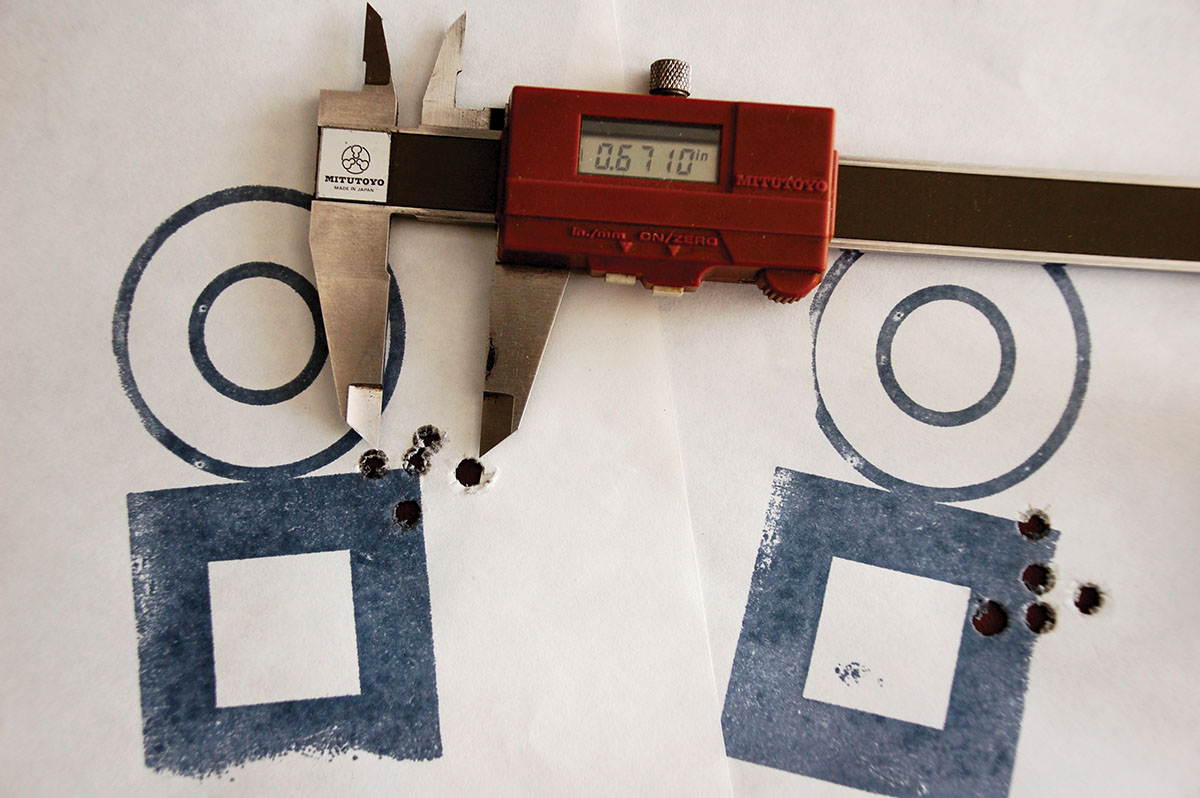
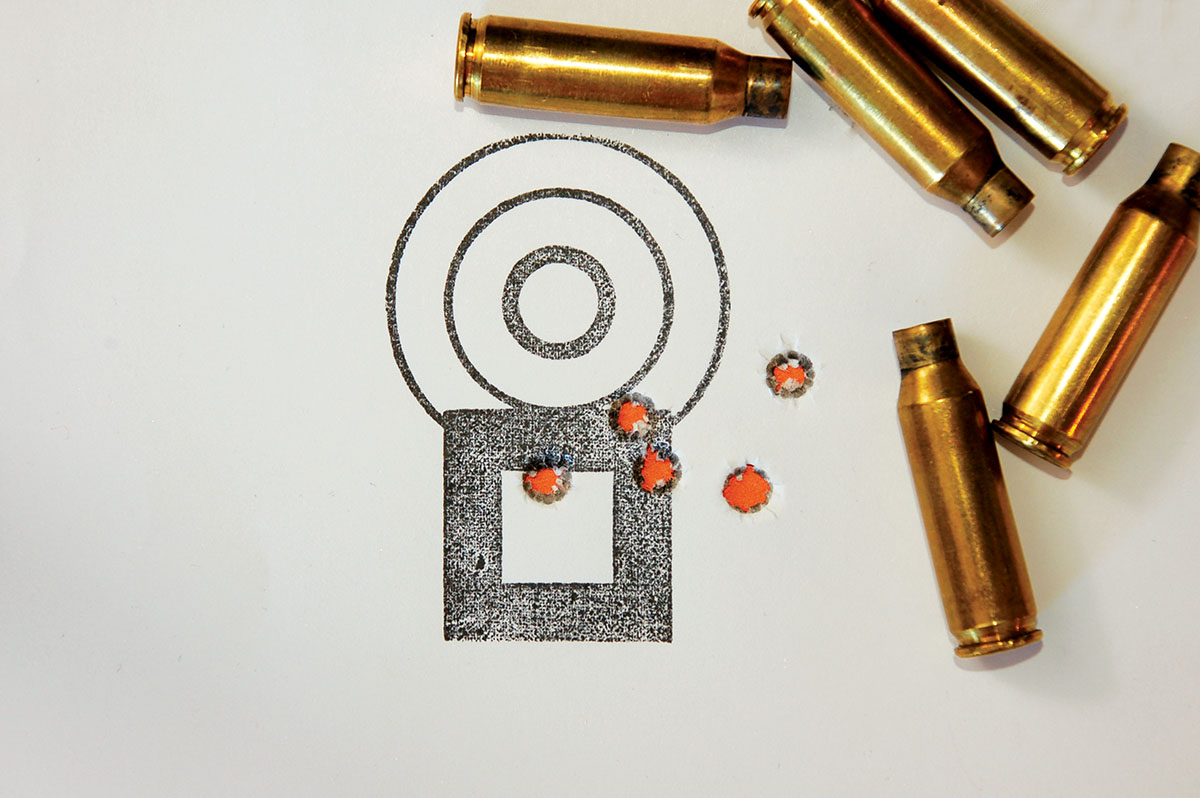
Bill’s was the first XP-100 I had the opportunity to actually handle and shoot, and shoot it would. This was in the not too distant past, when a factory rifle that would consistently group under an inch was considered something exceptional. The first-time shooting Bill’s XP-100, I shot two five-shot groups that measured just under three-quarter inch, and a third five-shot group which measured .620 inch. I learned about sucker bets that day. Bill bought me lunch with his ill-gotten gains acquired by suckering me into betting there was no way his “pistol” would shoot sub-inch groups at 100 yards.
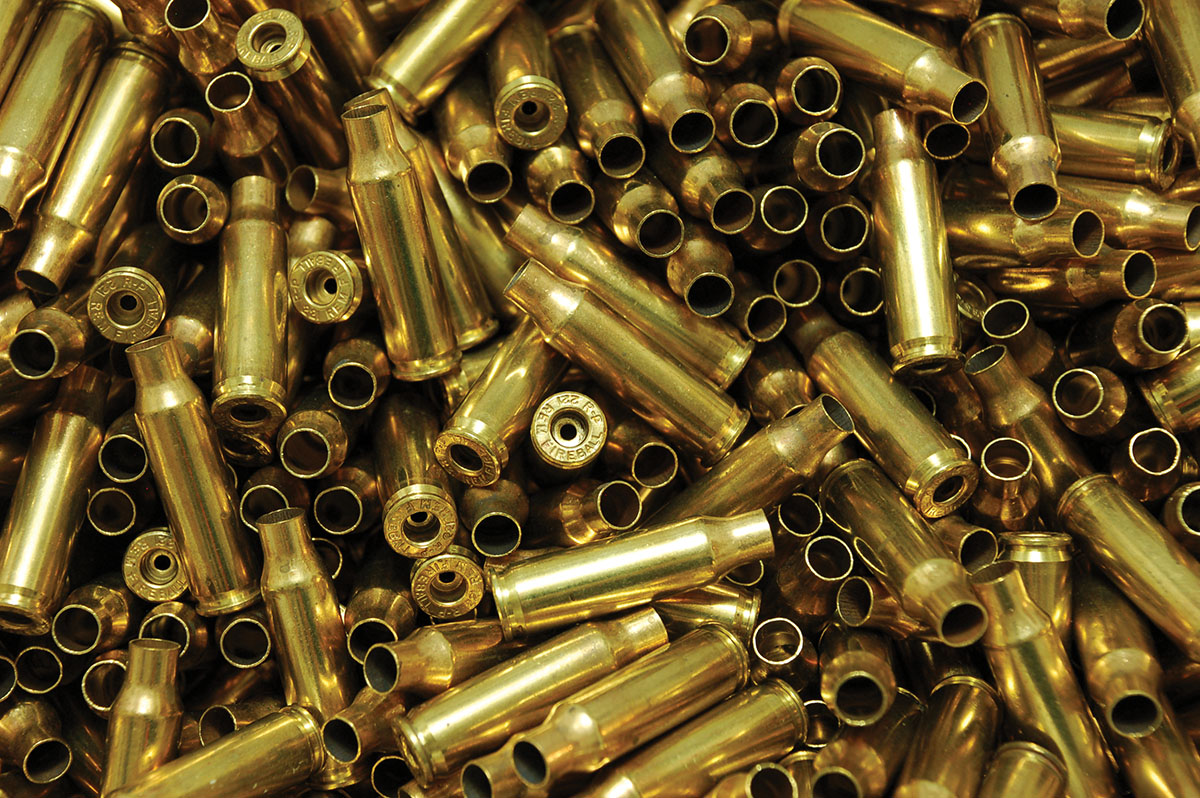
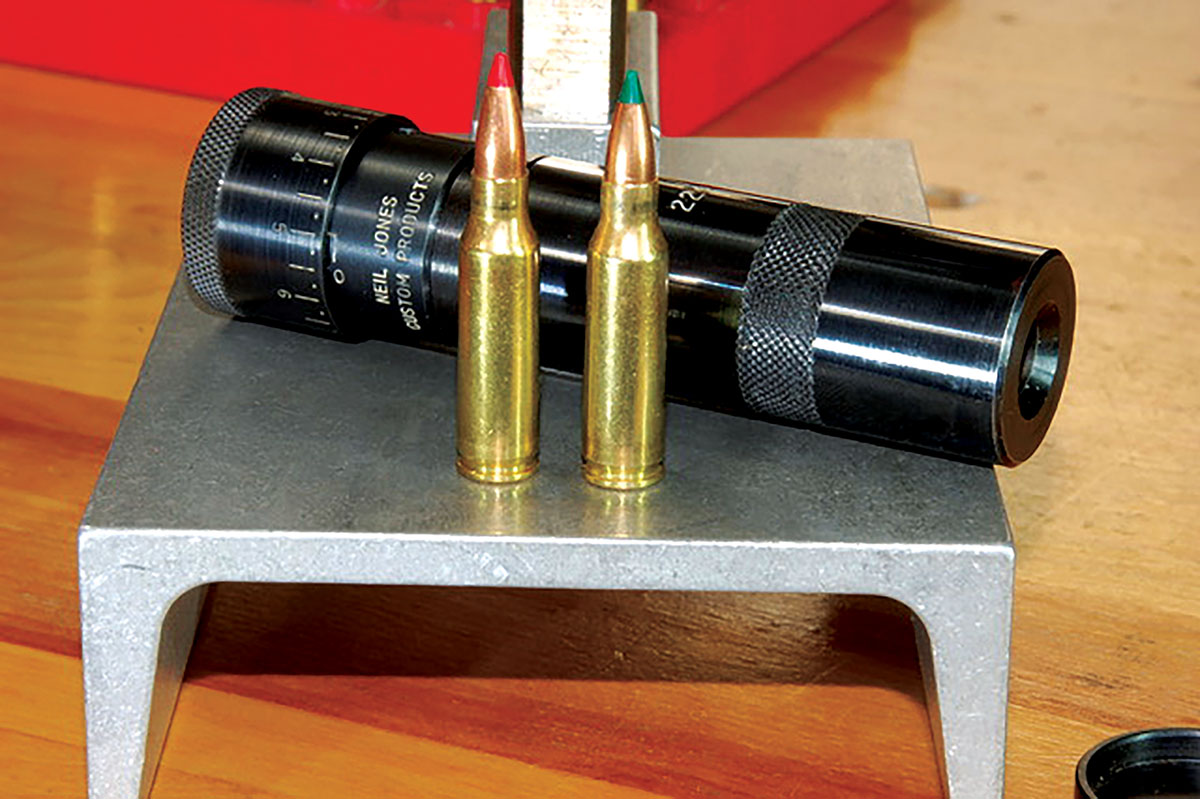
The 221 Fireball is a unique little cartridge that is based off the 222 Remington case. The Fireball shares the same rim, body taper, and shoulder angle as the 222. New 221 Fireball unprimed cases are listed by Remington, Nosler, Lapua, and Norma. Fireball brass can also be formed from 222 Remington, 223 Remington or 5.56x45 brass using RCBS or Redding forming dies, or they can be purchased commercially from firms such as highplainsbrass.com.
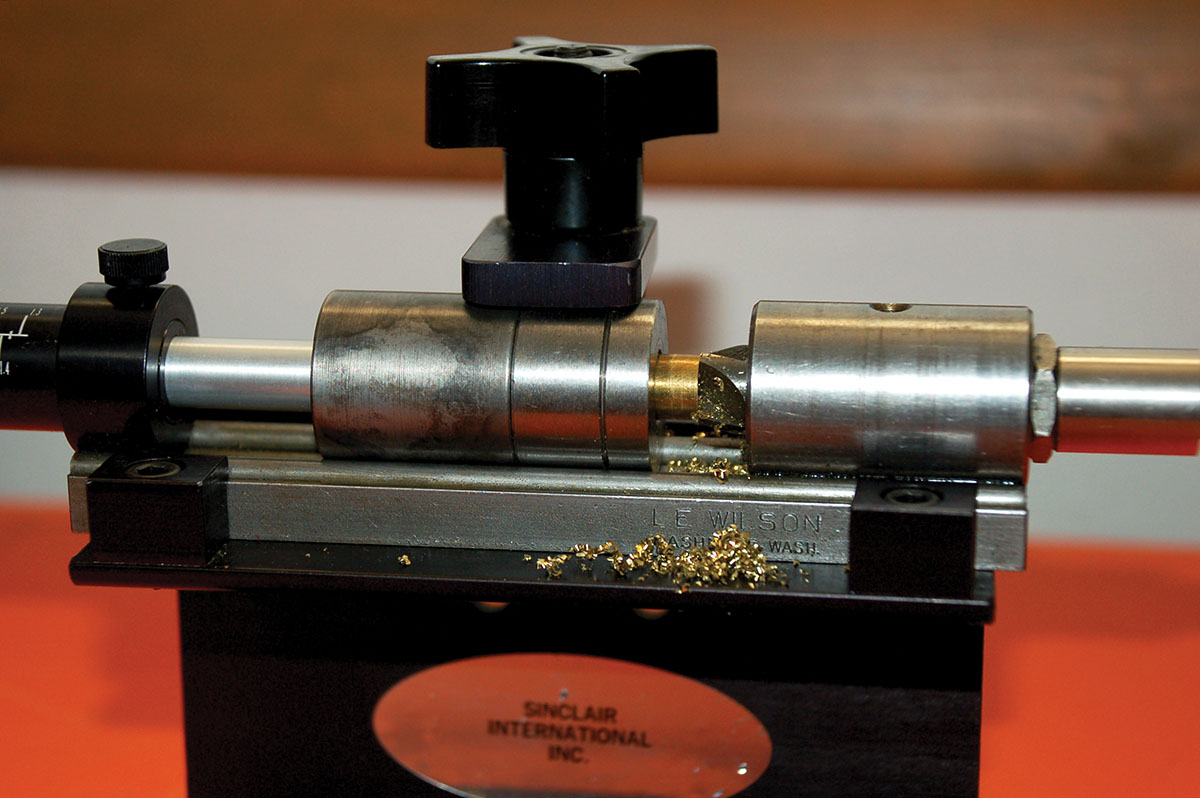
If forming brass, pay attention to details. Different makes/lots of cases may require neck reaming/turning, and military cases may require annealing. Interestingly, the 221 Fireball’s maximum average chamber pressure (MAP) is set at 52,000 copper units of pressure (CUP) while its parent cartridge, the 222, is set at 46,000 CUP. The industry is currently transitioning the 221 Fireball from CUP to piezoelectric transducer protocol, with MAP tentatively set at 60,000 psi versus the 222 MAP of 50,000 psi.
It is said that Remington’s Wayne Leek, the design team lead, wanted to offset the Fireball’s smaller case capacity by way of increasing its MAP chamber pressure in an effort to gain all the velocity possible from the XP-100’s 10½-inch barrel. The higher MAP pressure allows the 221 Fireball to almost equal the velocities of the 222 Remington in comparable barrel lengths.
The current fashion dictating the use of the small rifle magnum-type primers when handloading the 221 Fireball and its sibling, the 222 Remington, finds these cartridges “guilty by association” and needs to be clarified, but that is for an article at another time. Suffice to say, regular small rifle primers have, and continue to be used successfully in handloading these cartridges, given the correct selection of propellant. This is often resulting in better accuracy than if a magnum-type primer is used.
From the onset, I had been more interested in the 221 Fireball cartridge than the XP-100 pistol it was chambered in. The idea of the Fireball cartridge chambered in rifle, that really enticed me. It had “urban varmint rifle” written all over it!
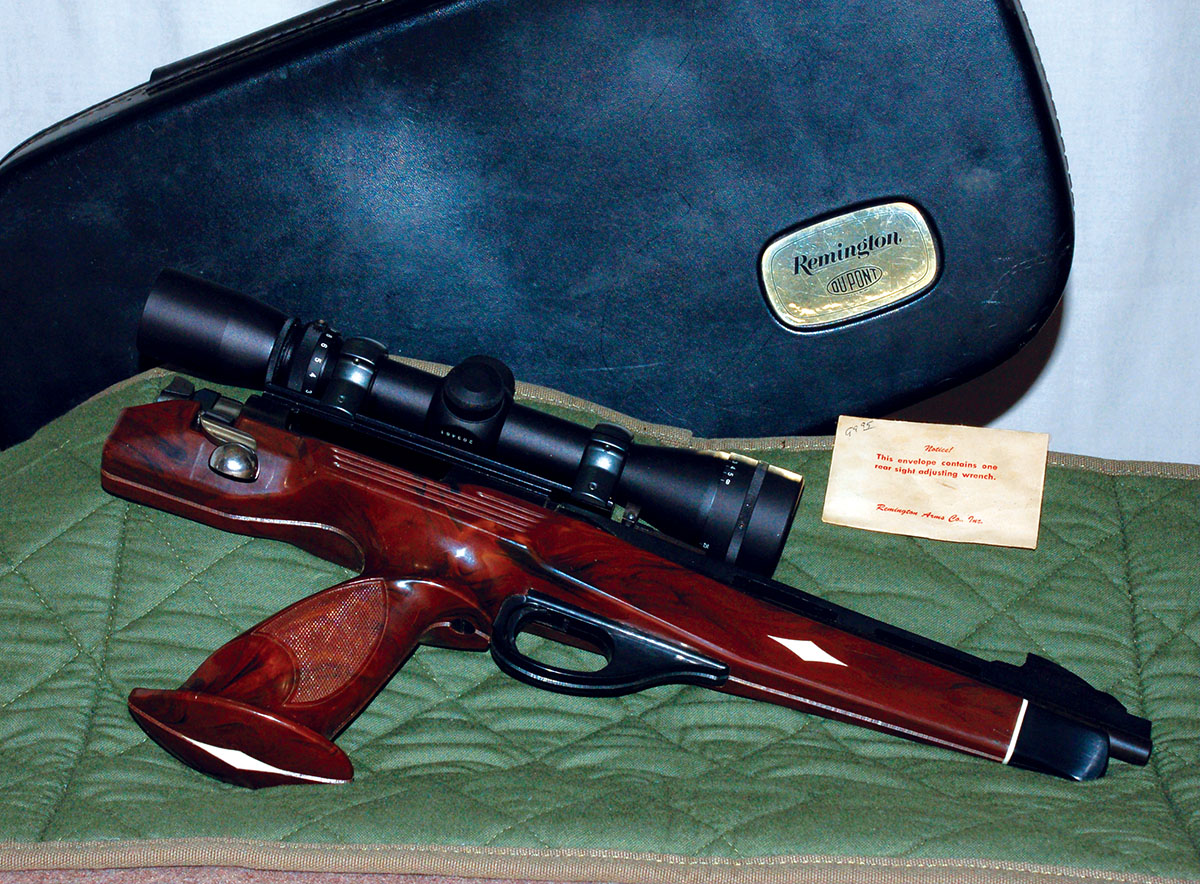
When I picked it up from the dealer I was surprised to discover my new-found XP-100 was “as-new” with the original case, all the papers, the rear sight adjusting hex wrench in a little Remington branded paper envelope, and a period-correct 20-round box of 221 Remington Fireball factory ammunition with 10 rounds fired. The four-digit serial number and “KL” date code indicated it was manufactured in May of 1964. A handwritten note from the seller that accompanied the XP-100 indicated he was the original owner. He had fired it 10 times and found it to be “too noisy for shooting foxes from my tractor.” What a find! What a conundrum! Would I strip it for the action or regulate it to being a gun-vault queen only to be shot on occasion?
I could not bring myself to sacrifice this piece of history for the action, and the XP-100 remains today in the same pristine condition as I received it, but, it does get used. It makes a great prairie walking pistol and has accounted for its share of coyotes, prairie dogs and jackrabbits over the years. The XP-100 is, very literally, a blast to shoot. If the fireball emitted from the muzzle end of the barrel does not grab your attention, the accuracy of this diminutive “hand rifle” most certainly will. I have a number of loads with bullet weights ranging from 40 to 55 grains that will constantly shoot sub-.75 inch groups.
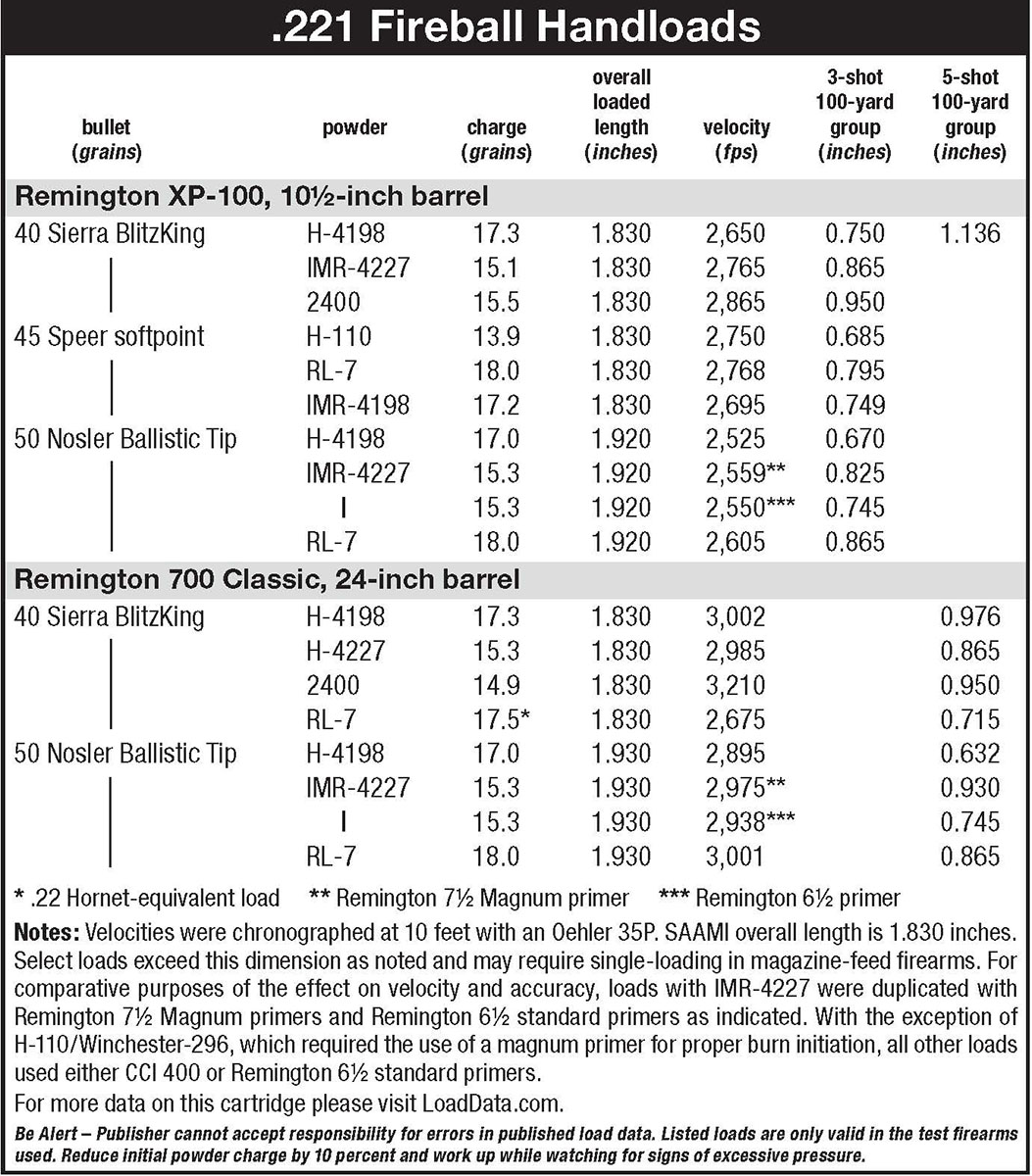
I have two go-to loads for my XP-100. The first includes a CCI 450 primer and 13.9 grains of H-110 and the Speer 45-grain softpoint bullet at 2,750 feet per second (fps). With a charge of only 13.9 grains, this is a super economical load for all-day hunts in prairie dog country. The second, a coyote load, is the CCI 400 primer with 17.3 grains of H-4198 behind a Sierra 40-grain BlitzKing bullet at 2,650 fps. I prefer to shoot three-shot groups with the XP-100, rather than five-shot groups, just because it takes a huge amount of concentration to steady the XP-100’s odd forearm-shape on sandbags compared to shooting a rifle.
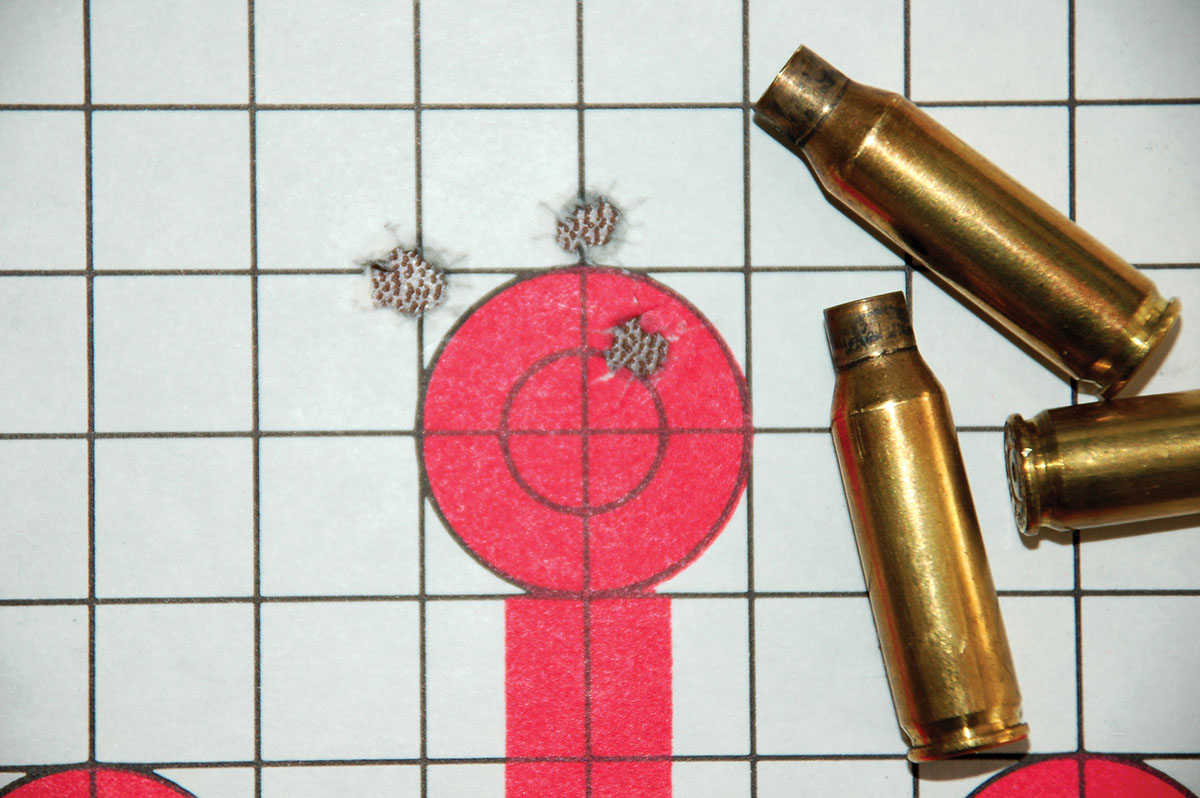
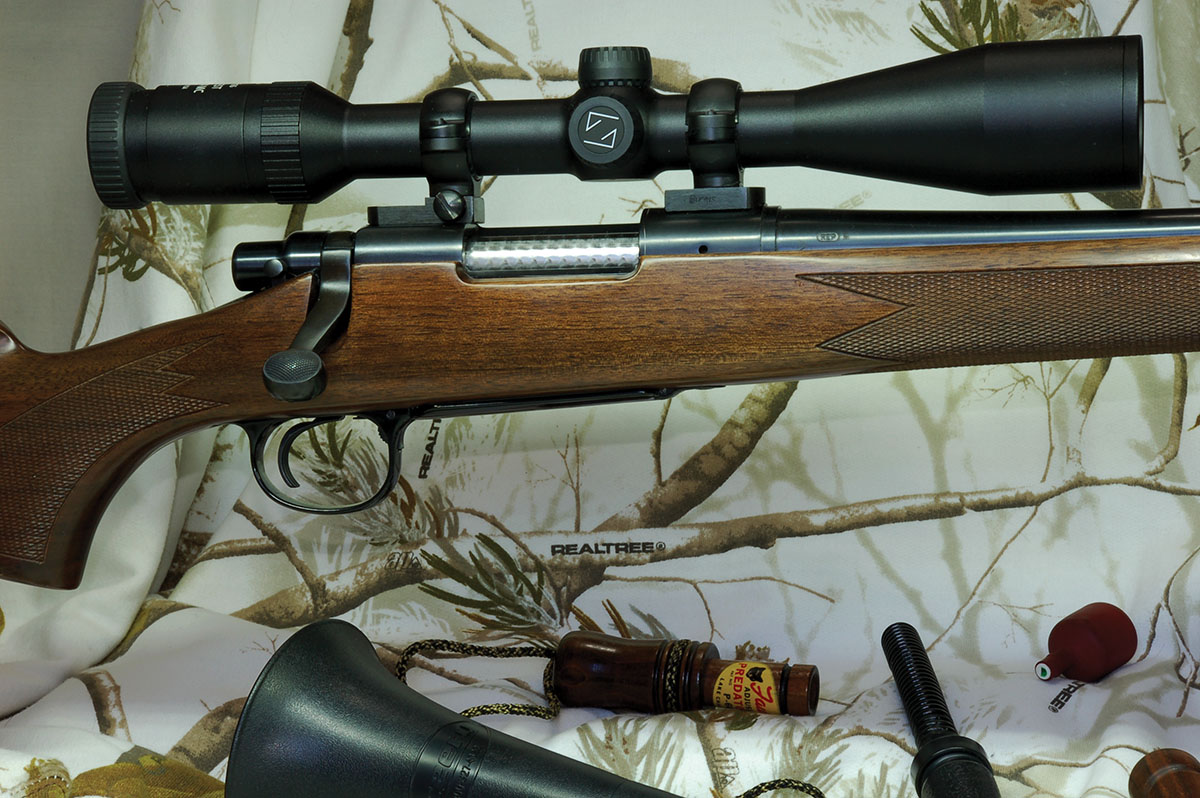
I snapped up the first 221 Fireball Model 700 Classic I could get my hands on in 2002, and it continues to scratch my itch for a Fireball to this day. With a 24-inch barrel measuring .662 inch in diameter at the muzzle and fitted with a Zeiss 4.5-14x Conquest MC scope mounted in Burris Signature series rings and two-piece bases, the 700 Classic weighs in at 8.6 pounds. Light enough to carry all day hunting Colorado coyotes and heavy enough that it dampens the Fireball’s already minimal recoil to the point where, nine times out of 10, I can see my bullet impact on a prairie dog. With the trigger set at 2 pounds, a weight of pull I am comfortable with for hunting rifles, the 700 Classic is a consistent five-shot, .640-inch grouping rifle with its favorite load of 17.0 grains of H-4198 behind a Nosler 50-grain Ballistic Tip bullet lit up by a CCI 450 primer.
At current demand prices, a handloader can reload the 221 Fireball at a cost of about forty-five cents a round or less, for bullet, powder and primer. At the going rate for rimfire ammunition, that is as cheap, or cheaper than 22 WMR or 17 HMR ammunition and way more effective.
If you have a desire for a light-recoiling, quiet, midrange varmint rifle cartridge capable of truly impressive accuracy, that you can shoot all day in the best prairie dog town and not burn out a barrel, the 221 Fireball should be at the top of your list.
When looking for a handgun that is just fun to shoot and will pay for itself in money earned from sucker bets, check out the next XP-100 221 Fireball you run across for sale.