

Rifle Talk
22 Hornet - Hit and Miss
column By: Lee J. Hoots | April, 21
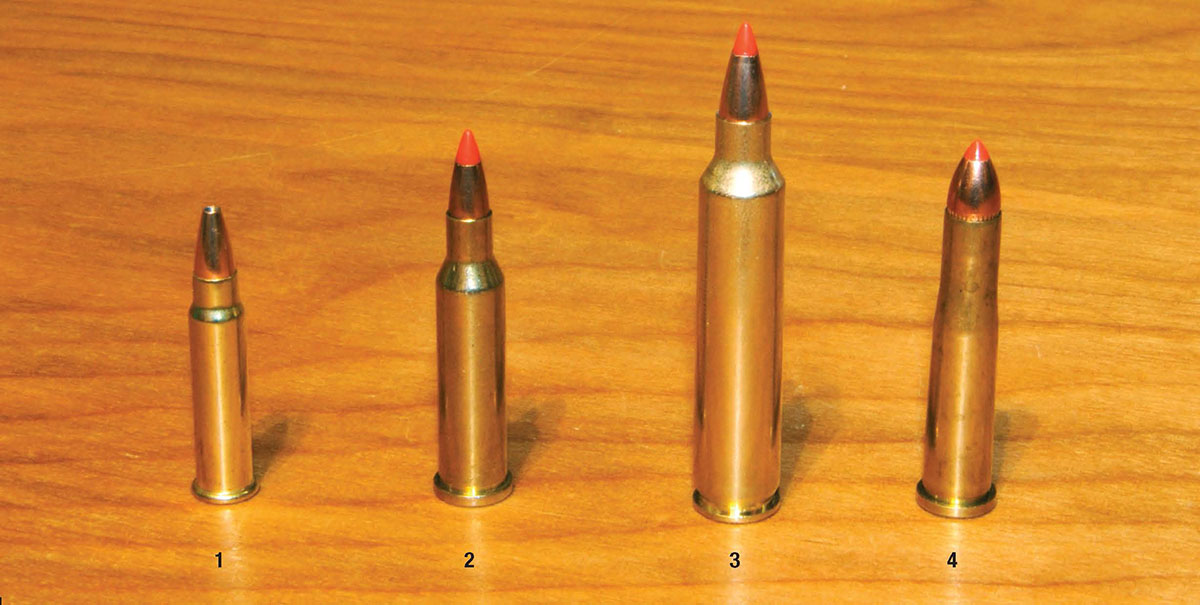
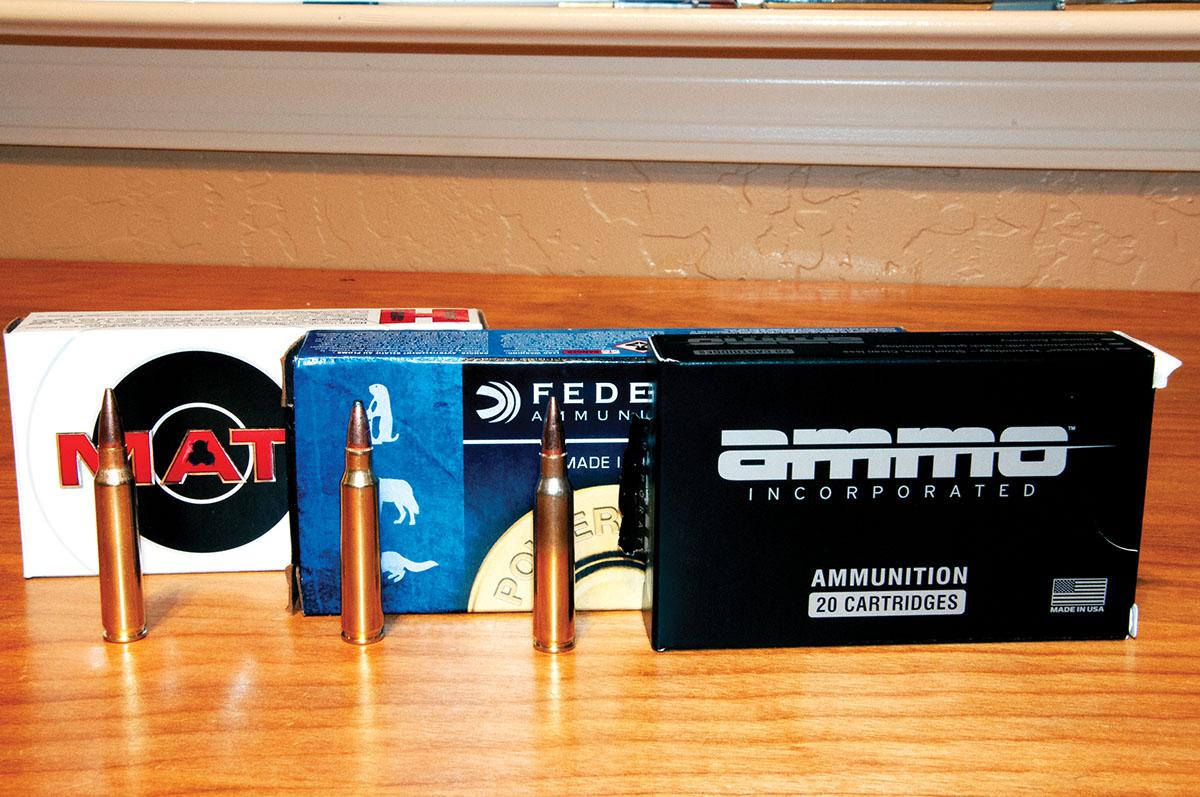
The 22 Winchester Hornet cartridge, or 22 Hornet, at least as riflemen know it today, is the 1930’s product of Winchester, which used the old 22 WCF cartridge case, as explained by Layne Simpson in his “Wildcat Cartridges” column in Handloader No. 329 (December-January 2020/2021). Ammunition was available long before early rifles showed up. Sources differ somewhat, but it is generally known that early bolt-action options were soon brought to market by the likes of Griffin & Howe (semi-custom Hornet-Springfield, 1931), Savage with its 1931 Model 23-D (1932) and Winchester with the Model 54 (1933), and later the Model 70 (1973). The Winchester rifles were largely responsible for the 22 Hornet’s early, booming appeal among American shooters and hunters. Today, these classic rifles, in good condition, bring a stunning price at auction, if and when they show up. Even the comparatively short-lived Ruger No. 3 was so chambered in the mid-1970s, and some fans of that company would consider the homely-looking, single-loader a classic rifle as well.
The 22 Hornet’s flat trajectory, reasonably quiet muzzle report and lack of recoil immediately appealed to American hunters for potting small, edible game such as squirrels, turkeys, cottontails and perhaps even deer. It eventually supplanted the then-highly popular 25-20 cartridge, once the be-all and end-all, small-game number introduced for Winchester’s Model 1892 levergun around 1895. The Hornet further became the preferred cartridge for shooting near growing suburbs due to its mild report.
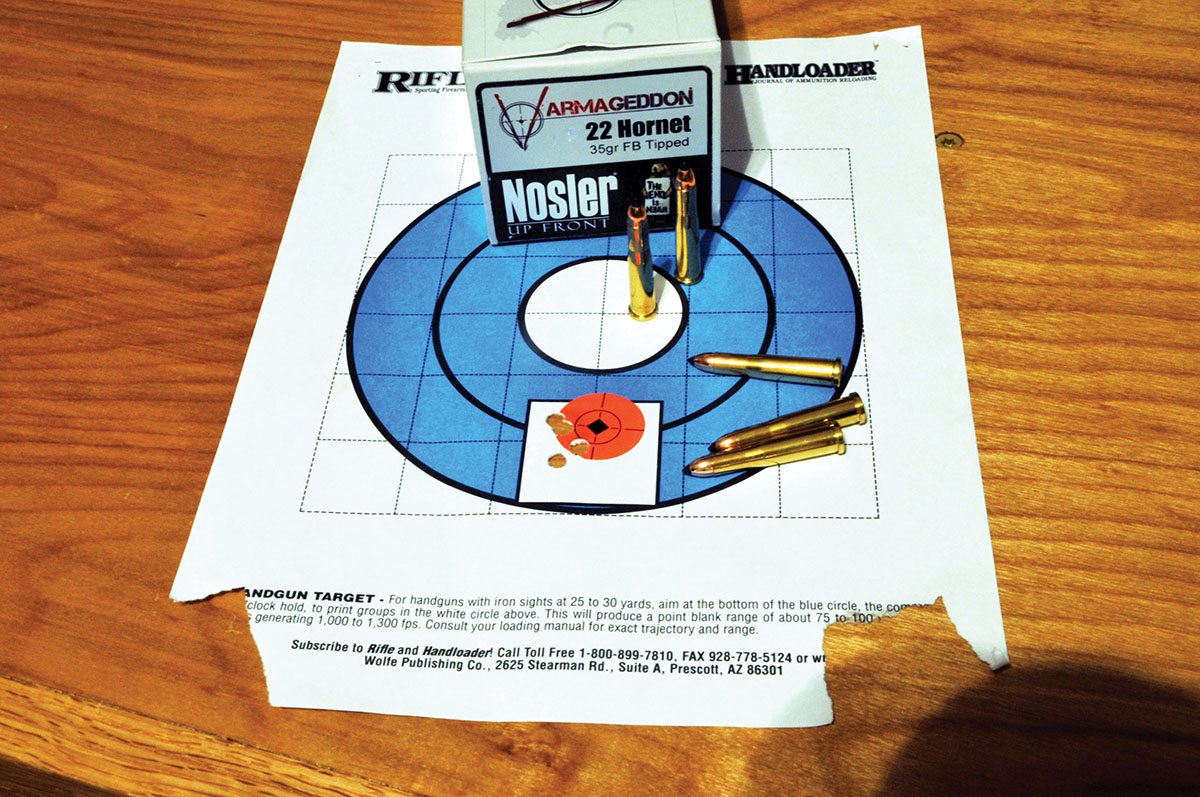
Twenty-Two Hornet rifles were eventually offered by most large firearms manufactures in the U.S. and Europe, including revolvers and so-called “survivalist” rifles. These days, that trend has waned quite a bit, partly due to the current shortage of all shooting gear in general. Ruger, CZ, Anschutz and Savage still list rifles, and other manufacturers have been known to offer rifles now and then – usually as limited runs for partner distributors like Lipsey’s (Lipseys.com). That same firm currently lists a Ruger No. 1 Light Sporter and a CZ LUX in 22 Hornet, both of which are very classy rifles, along with other options. There is also a Winchester Model 1885 single shot.
It’s also worth mentioning that a few recent phone calls to “industry insiders” revealed that 22 Hornet rifles, ammunition and handloading components are currently near the bottom on priority lists. I suppose this trend will change once the firearms industry calms a bit and returns to some form of normalcy.
The centerfire Hornady 17 Hornet has the ability to send a 25-grain bullet at more than 3,100 feet per second (fps), and velocity seems to rule these days; never mind the fact that the 22 Hornet does the same with heaver bullets that also have greater ballistic coefficients. The 204 Ruger is in a different ballpark altogether. It launches little 40-grain bullets downrange at a whopping 3,500-plus fps. Of course, there are other small, high-velocity cartridges (many of which are wildcats), but modern consumers in general don’t tend to look back very far (or very often), unless they’re handloaders, which has, understandably, been true for a mighty long time.
This reality inspires manufacturers to design new cartridges, and rifles from which to shoot them. Furthermore, the evergreen 223 Remington endures as the most popular varmint cartridge in use today, bar none, either in bolt-action or semiauto form, and new 223 bullets continue to pop up each year that are suitable for increasingly faster rifling twist rates – another prominent trend. It’s no wonder new 22 Hornet rifles have become few and far between in the last several years.
In spite of all this, the little 22 Hornet retains many ardent fans. My rifle is of the current crop of modern bolt actions, a Ruger Model 77/22 topped off with a Leupold VX-II 3-9x 40mm scope and the company’s traditional trademarked Duplex reticle – a most useful option for an otherwise ordinary small-game and plinking rifle. Its barrel measures 20 inches, and total weight with the scope is roughly 6.5 pounds. As with my Ruger Model 77/22 22 Winchester Magnum, its factory trigger has been swapped with a Rifle Basix aftermarket drop-in replacement.
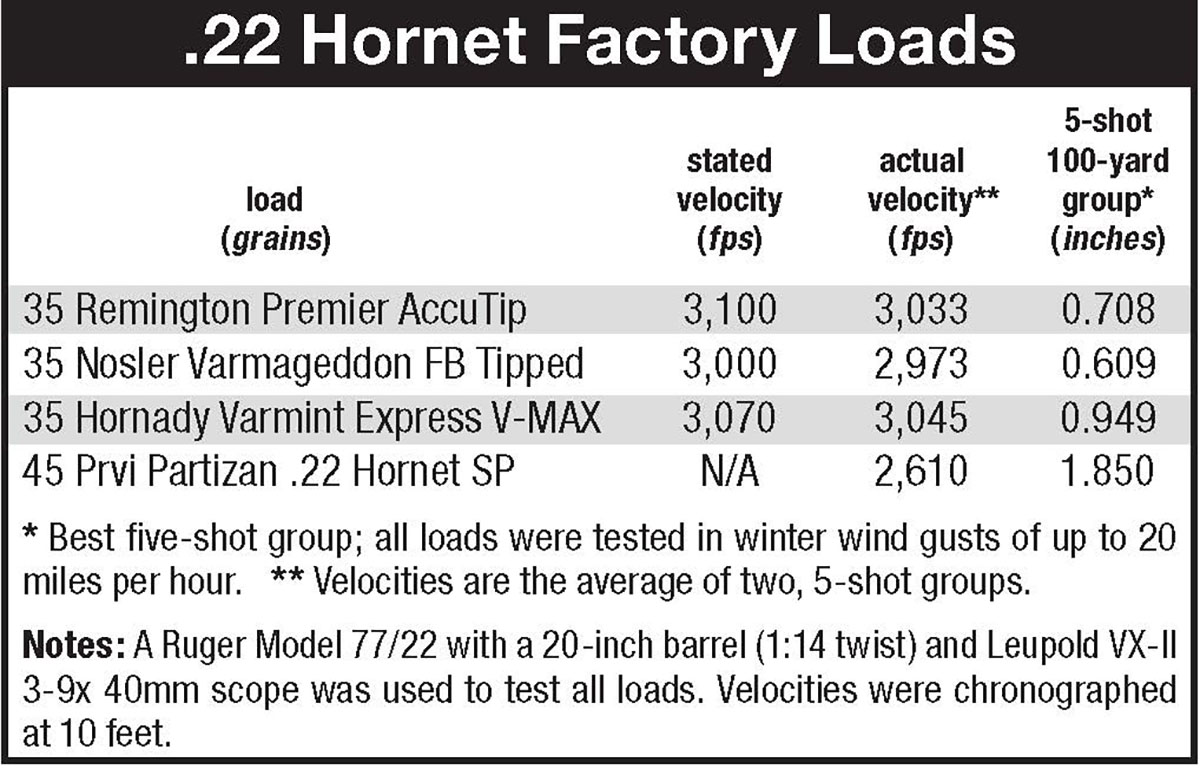
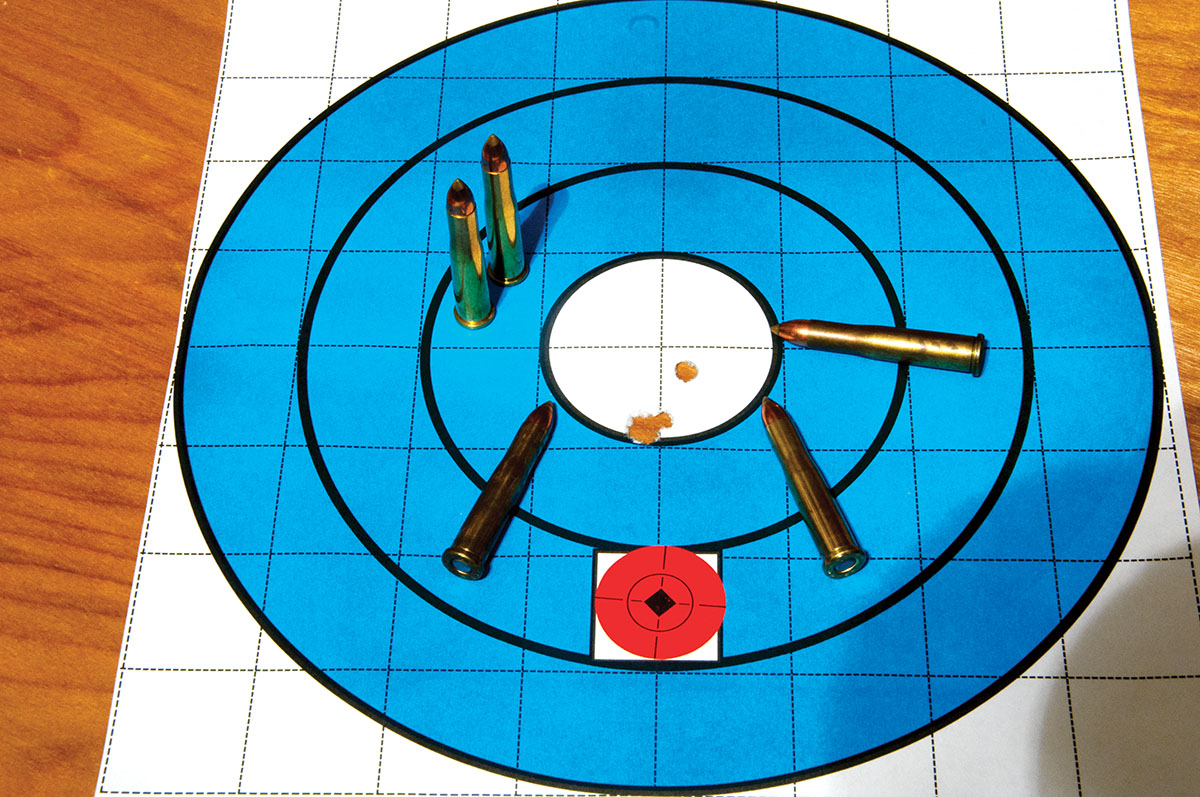
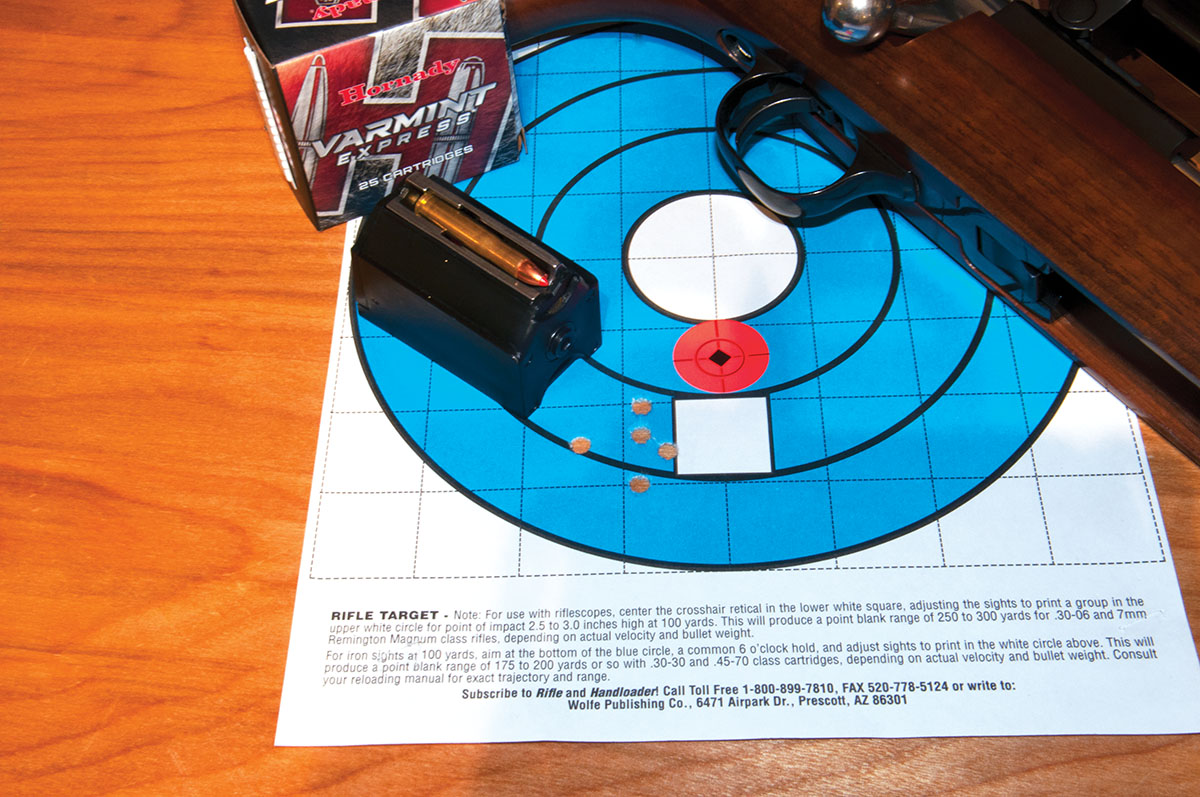
This provides an average pull weight of 2 pounds, 14 ounces. As such, some readers might believe the rifle shoots tiny clusters with about any load, as if a light and consistent trigger let-off heals all ailments. On the contrary, this rifle naturally shoots some loads better than others (see table). I have read many times that 22 Hornets can be quite finicky. This is obvious with the rifle used here; there have been loads that don’t warrant mention because of this.
Still, the 22 Hornet remains a worthwhile cartridge for anyone who enjoys light recoil and varmint cartridges. It’s soft on the shoulder, generally light to carry in the woods for targets of opportunity and lacks the loud report provided by the likes of the 223 Remington. Like so many other 22 Hornet fans, I intend to keep mine shooting. It’s classic cartridge that’s likely to never disappear.