Favored Varmint Loads
Wildcats and Factory Fodder
feature By: Stan Trzoniec | April, 21
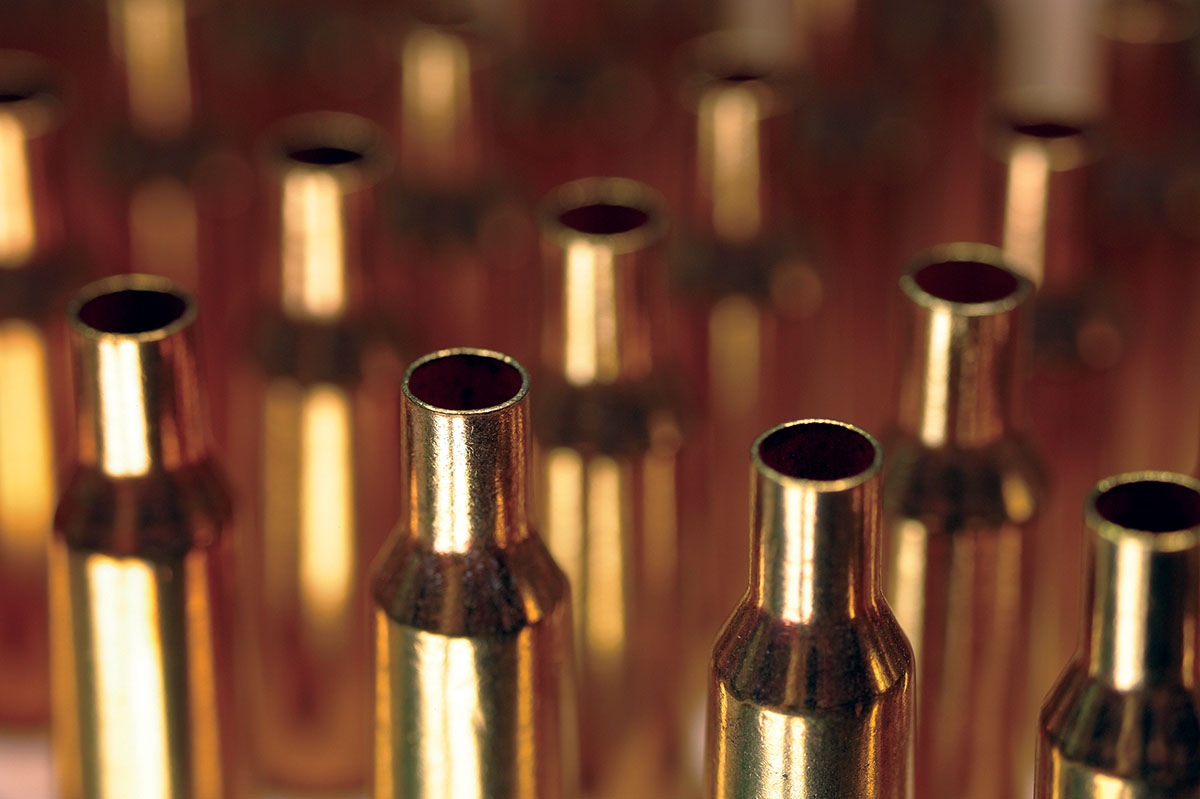
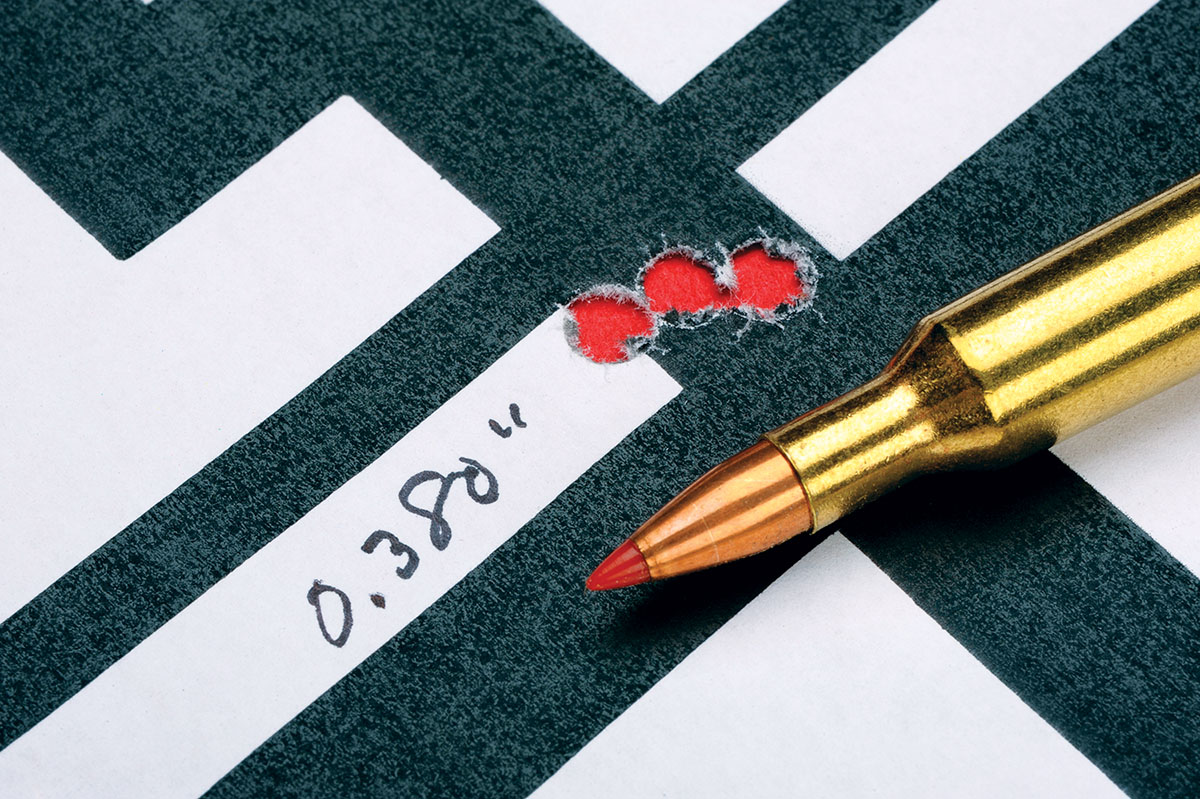
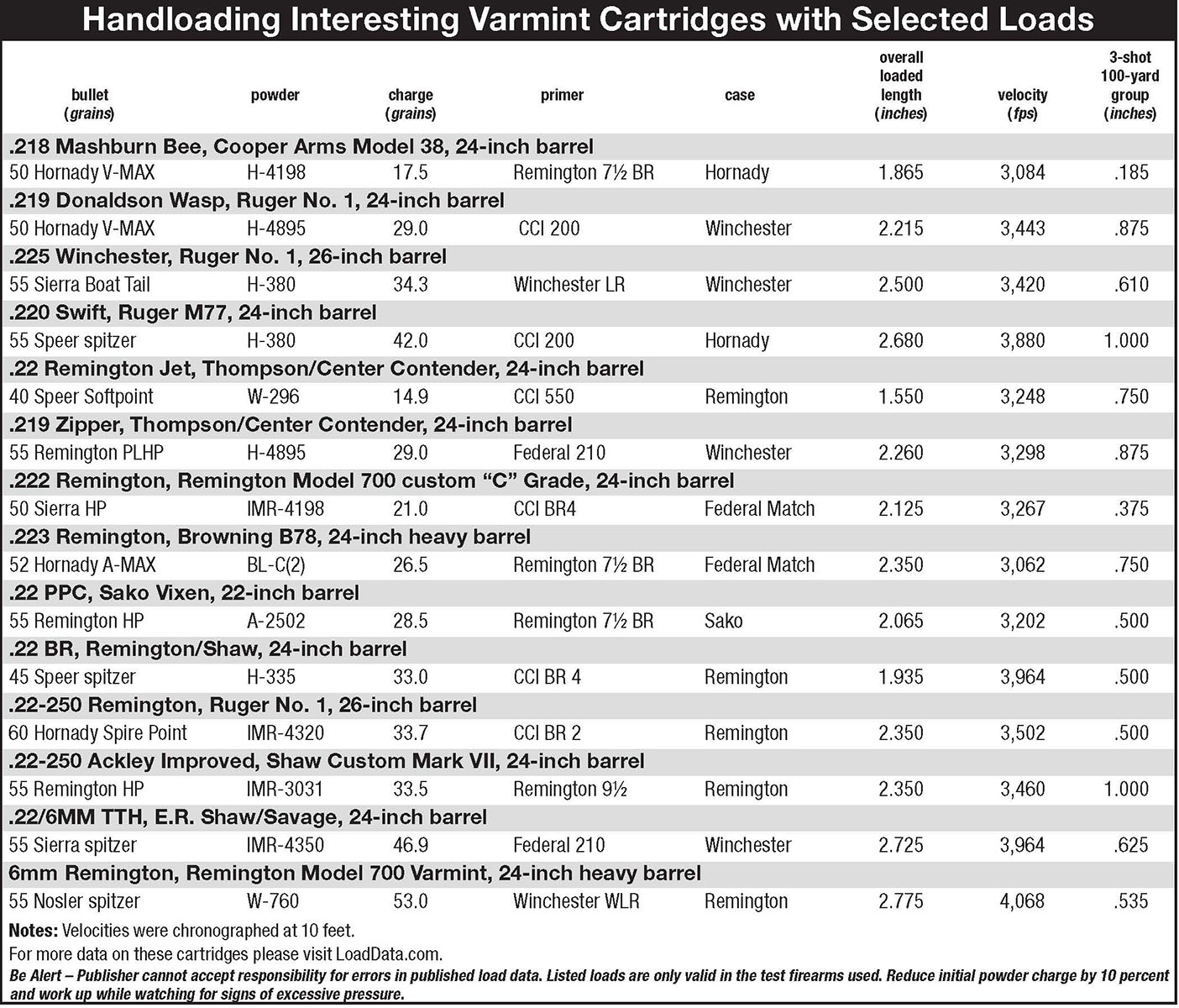
A handloader can turn the 218 Bee into the 218 Mashburn Bee via the same fireforming method. This cartridge was an easy one to start out with, as Cooper Arms – along with other vintage cartridges – chambers this round in one its Model 38 “production” type rifles. With the Mashburn, looking up a load took some time, but using a 50-grain Hornady V-MAX bullet over 17.5 grains of H-4198 pleased me with a .185-inch group at 100 yards.
No varmint shooter would leave out the fabled 225 Winchester, which came on board as a major player in varmint cartridges. My Ruger No. 1 was one flat shooting, very accurate version of the 225, complete with a 26-inch octagonal barrel. With a Sierra 55-grain boat tail and 34.3 grains of H-380 in the case, groups came in at .610 inch or less with a velocity averaging 3,420 feet per second (fps).
No report on varmint cartridges would ever leave out the much discussed 220 Swift. It is still a popular round, and just recently, I “repurposed” a rifle from 7mm-08 to the Swift on a rifle by E.R. Shaw in Pennsylvania. Yet to be fired in this rifle, in the Ruger with 42.0 grains of H-380, the sole purpose of this round is to produce 1-MOA groups or less, time after time.
If you really want a detailed project and can afford the time and effort to bring it to fruition, consider a look into the 22 Remington Jet. Another alternative is the Thompson/Center receiver. I found a rifle barrel at a gun show. Once you get to that point, the Remington Jet is formed from common 357 Magnum cases necked down to .22 caliber. With either H-110 or W-296 powder, it can get up to 3,200 fps with three-quarter-inch groups at 100 yards.
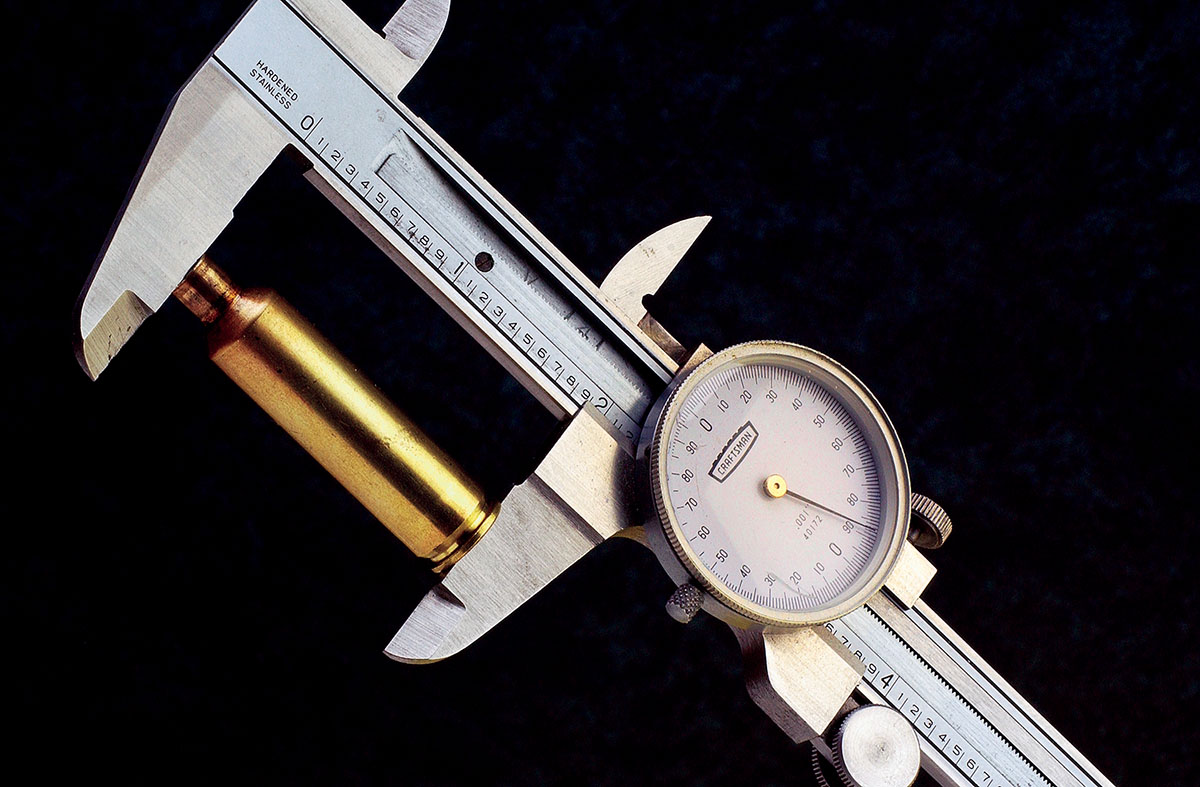
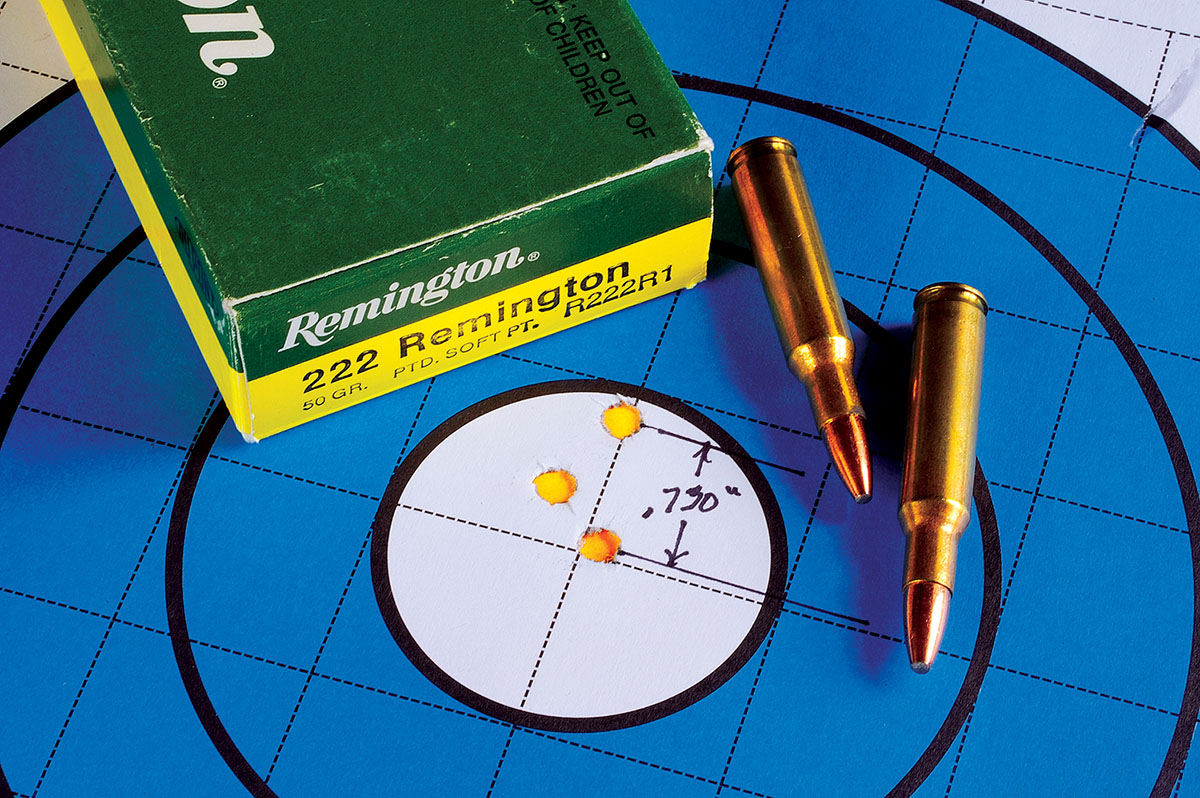
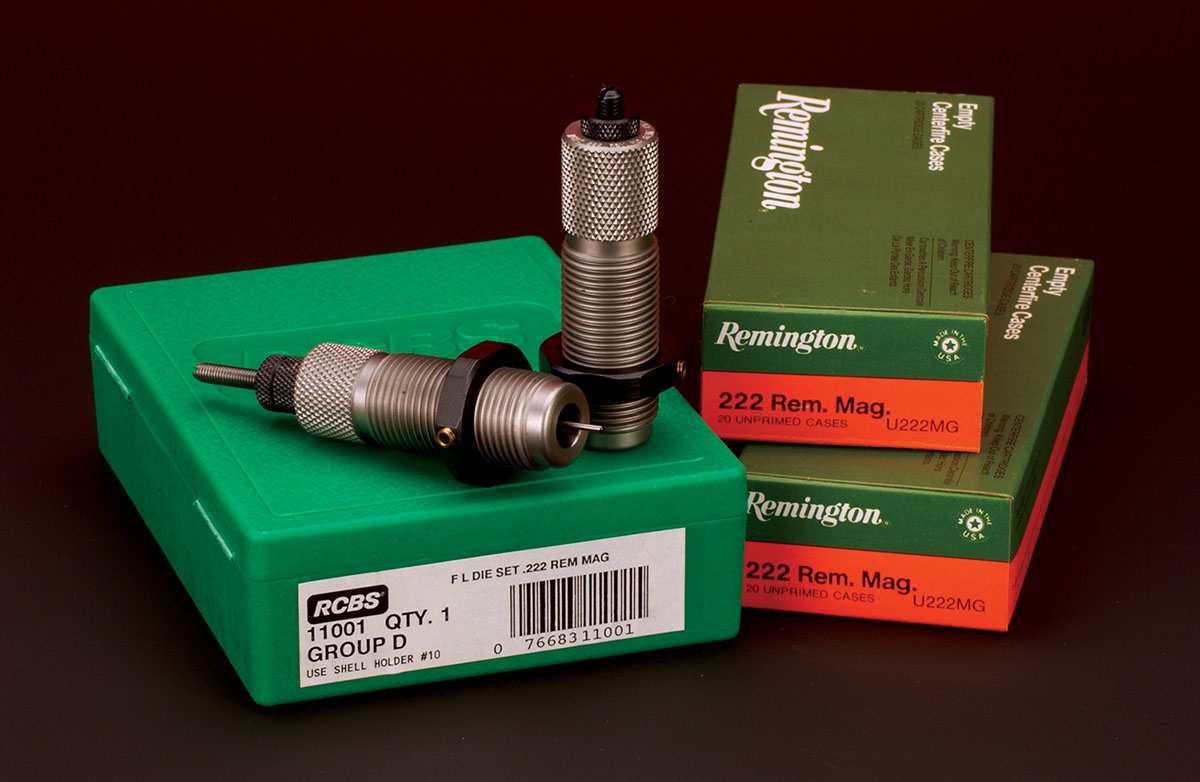
More to the commercial side, the 222 Remington, or “Triple Deuce,” is a hands down choice for summer fun. I liked the cartridge so much that I had Remington’s Custom Shop build me a special Model 700 “C” grade with all the trimmings, nice wood, ebony tips and some extra length out front on the forearm. For the handloader, this is an easy cartridge to use and can be very accurate with a wide range of 50-grain bullets and a load of 21.0 grains of IMR-4198. With CCI BR-4 benchrest primers, Federal cases and a RCBS Bench Rest Die set, I can shoot .375-inch groups all day at around 3,300 fps.
When it came to the 223 Remington, I never got interested in it until the Browning B78 single-shot rifle was reintroduced to the public after a 30-year hiatus on the market. I missed this gun the first time around, and when it was back for a short year or two, I grabbed one. With a 24-inch heavier than normal barrel and higher-grade wood, it was a natural for walks in the field.
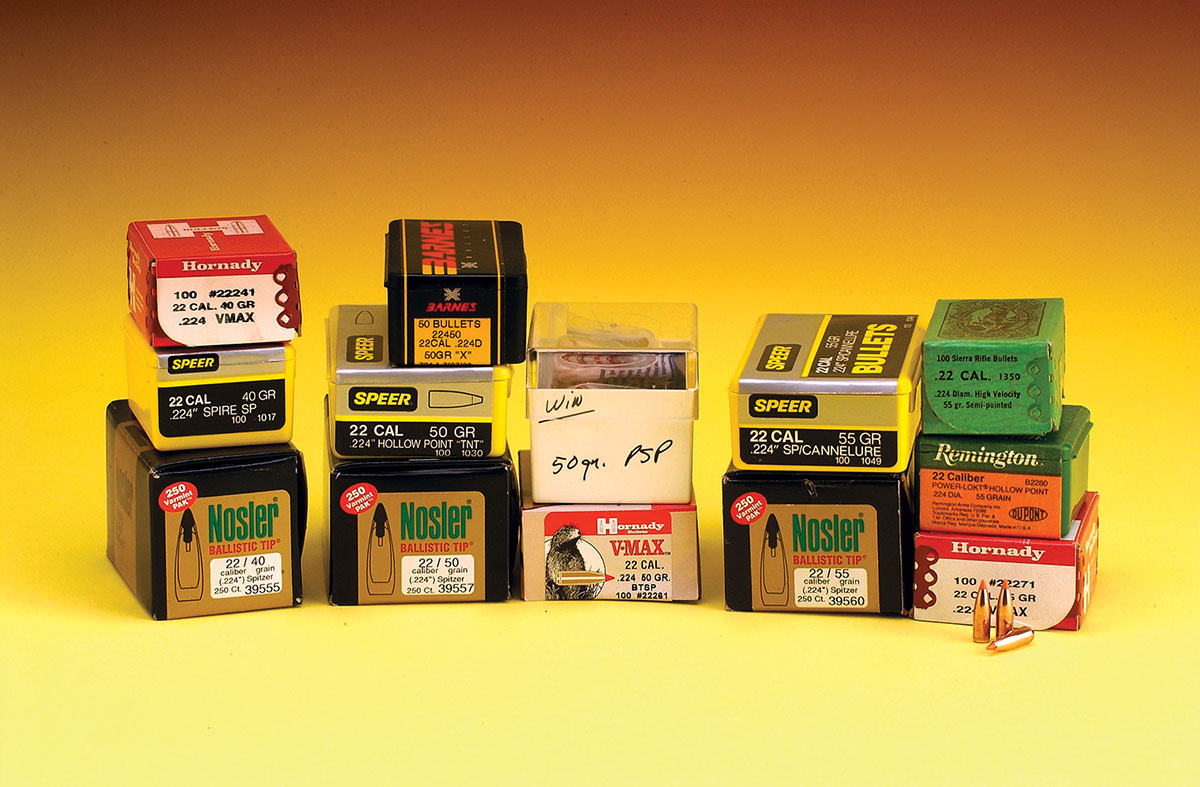
If there was ever a rifle I cried over after I turned it in, it was the one I had for the 22 PPC. The rifle I had was called the Vixen, and checking in at around 6.5 pounds, it was perfect for field duty. Stoeger Industries, who imported the Sako at the time, sent a few boxes of 52-grain hollowpoint factory ammunition (.75-inch groups at 3,223 fps), and six boxes of brass moved me over to handloading. With Remington’s fine 55-grain hollowpoint over 28.5 grains of A-2502, velocity was 3,202 fps with half-inch groups. With a few trips to the field before I turned it in, the woodchucks never knew what hit them.
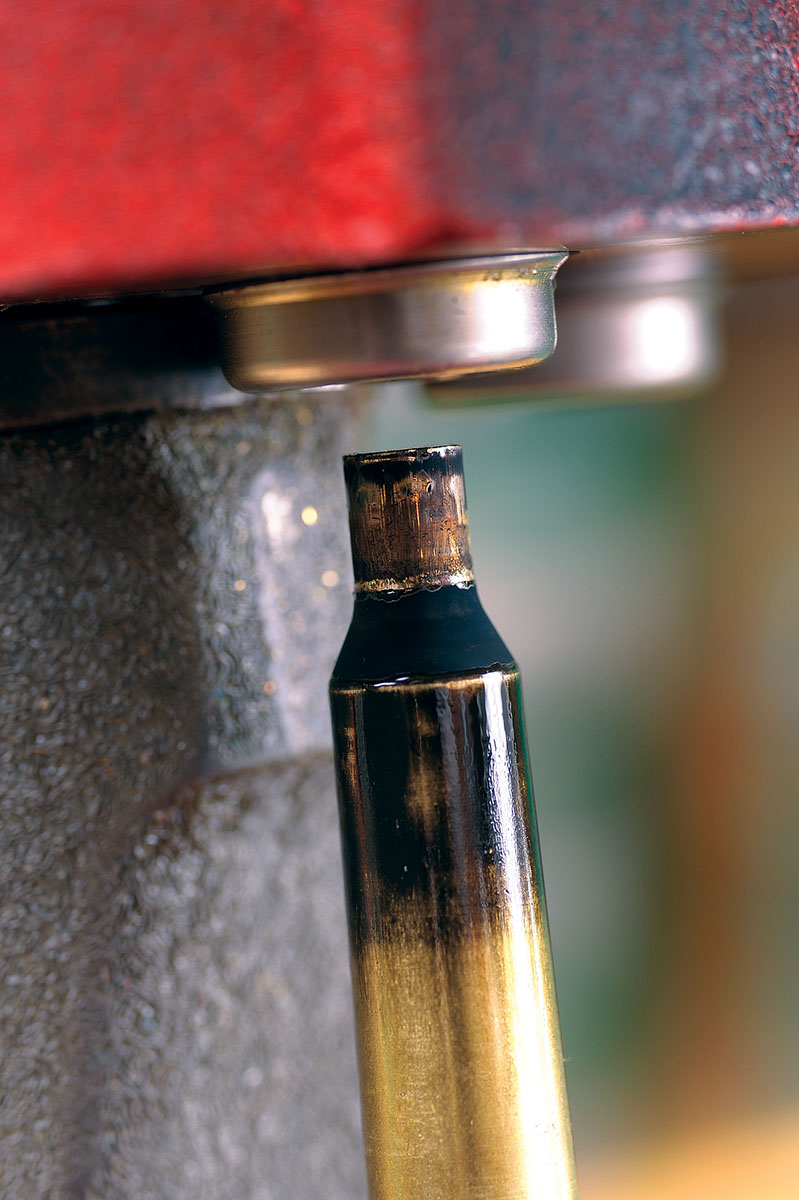
The 22 Remington BR is a sweetheart of a cartridge, made for the dyed-in-the-wool varmint hunter or serious benchrest shooter. Considered a true wildcat, and first developed in 1963 by Remington’s Jim Stekl and later standardized by Remington, the best way to get going on this one is to purchase some 6mm BR brass, a die set from RCBS and simply run each case into the die. Trim to 1.510 inches and you are all set. I had a short action Remington Model 700 sitting still in my gun rack chambered for the 22-250 Remington, and with a rim size of .473 inch, it was perfect for the rechambering job.
Because it is so easy to put the rifle, cartridge and loading information together, I call it my “no-sweat” wildcat. One load I particularly enjoy shooting is with the Speer 45 grain spitzer over 33.0 grains of H-335 for a mean velocity of 3,964 fps. Groups run around .50 inch at 100 yards.
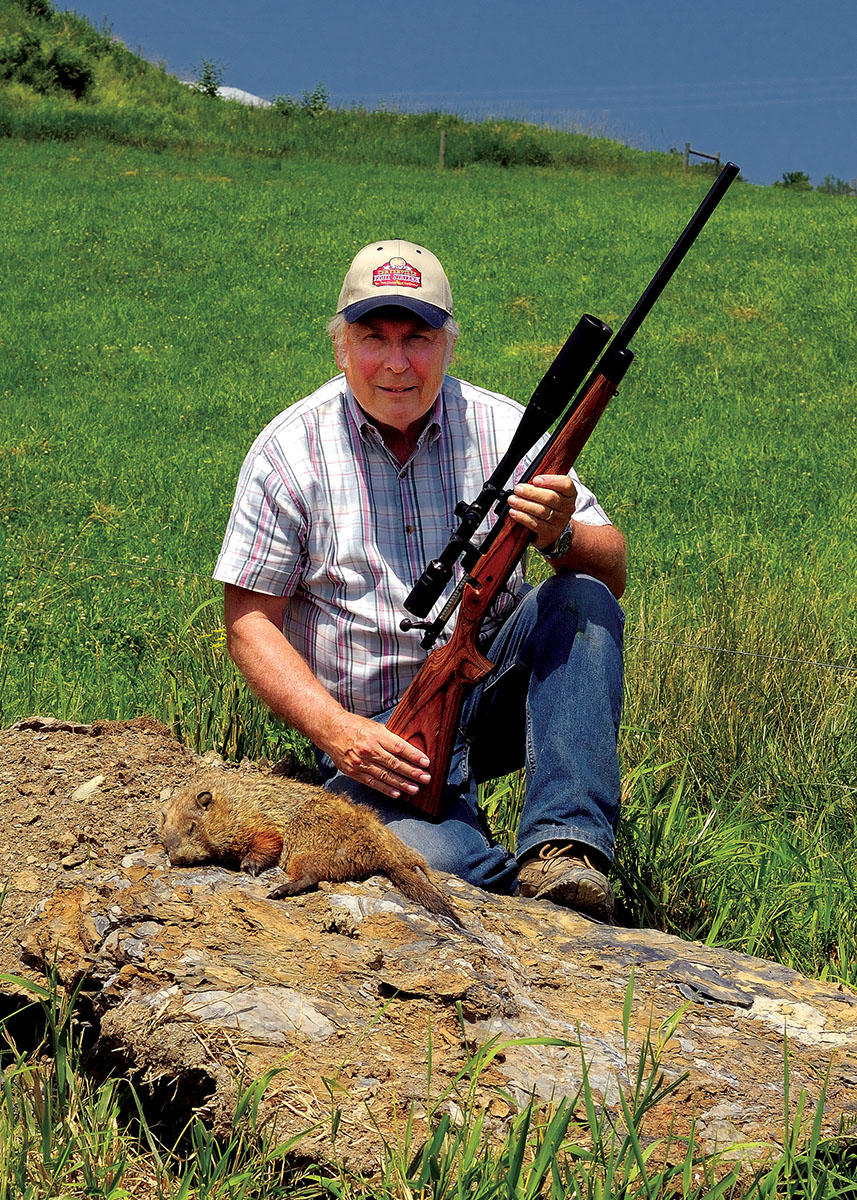
Often called the grandfather of varmint cartridges, the 22-250 Remington far outsells many of the cartridges in the .22-caliber class. Tracing the cartridge, it goes back to the 1930s, when Wotkyns, followed by J.E. Gebby, necked down the 250-3000 Savage to .22 caliber and called it the “Varminter.” Some 30 years later, Remington put its moniker on it and called it the 22-250 Remington. It was accepted by thousands of hunters worldwide.
Shooting my 22-250 Ruger, I had heard rumors about the gun being so-so in the accuracy department. Tales of placing rubber washers under the angled forearm screw ran rampant, but I found my rifle never wanting for accuracy. With a 60-grain Hornady Spire Point over 33.7 grains of IMR-4320, groups fell into 0.5 MOA, with velocities hovering around 3,500 fps. For the record, it is still the load I use today in this rifle.
Following up on this, I just had to try the 22-250 Ackley Improved. Like other cartridges of Ackley ilk, his “improved” versions are made in the same chamber as the original. Firing the 22-250 cartridge in the Ackley chamber provides a new cartridge to work with, a new shoulder angle and an opportunity to reach faster velocities.
Ackley’s improved cartridges have a 40-degree shoulder angle, which adds to the controllability of the brass flow within the chamber, eliminates body taper and shortens the case a bit during fireforming. As with other wildcats like this, expect about a 10 percent gain in performance due to a net gain of about eight percent of case volume. This would allow going from 34.0 grains of IMR-4895 to 37.0 grains, and from around 3,600 to 3,750-plus fps. When the smoke cleared, the best group, around an inch, was with the 40-grain Speer softpoint coming in at 4,171 fps. With any of the .22 calibers, I like to use the 55-grain bullet as I think it is the perfect balance for velocity and accuracy, and with the 55-grain Remington hollowpoint and 33.5 grains of IMR-3031, groups lingered around an inch at 3,500 fps.
To finish out our roundtable discussion of notable varmint cartridges, I would like to hit on a few more of my favorites, but this time using the 6mm Remington case. The first is the 22-6mm Texas Trophy Hunter. I looked high and wide for a rifle, and after some time, found the 22-6mm TTH on the list from E.R. Shaw. For me, this was the perfect marriage and the die was set, complete with a Leupold Long Range 30mm scope with a side adjustment knob for focusing at various distances. Redding dies were next, and complimented by a good stash of Winchester brass, I was ready for loading and range testing.
Fireforming with 38.0 grains of Reloder 15 made the chore easy while allowing some time to zero in the scope. In the end, IMR-4350 proved to be the best powder considering the volume of the case, and with a 55-grain Sierra spitzer and 46.9 grains of this powder. I saw groups as small as .625 inch downrange. Velocity came in at 3,964 fps, but I did manage to see 4,036 fps with a Hornady 55-grain bullet with a mean group average of .875 inch with 43.8 grains of Reloder 15. With the rifle zeroed at 300 yards, at 400, the drop was only a tad over 8 inches.
Finally, one of my favorite rifles is the Remington 700 BDL in a heavy-barreled 6mm Remington Varmint version. Originally fitted with a non-descript wood stock, I found a great-looking BDL laminated stock at a gun show, that Remington offered later on this rifle complete with black spacers and a recoil pad. I could adjust the older-styled Remington trigger to a crisp 2.25 pounds without a hint of slack.
In any event, the plan was to outfit the gun with a true, Bausch and Lomb 6-24, 40x varmint-type scope and shoot lighter 55- to 70-grain bullets at high velocities. Since the 6mm Remington case has a large boiler room, 4,000 fps did not seem out of line. To reach 4,068 fps, I used a Nosler 55-grain spitzer bullet with 53.0 grains (compressed) of
Winchester’s W-760 powder for groups around .535 inch at 100 yards. The best group of the session (out of 21 loads) was the 70-grain Speer hollowpoint, with 46.0 grains of IMR-4350 pushing it to around 3,193 fps with three shots printing .225 inch downrange. For those who might knock the 6mm Remington as a varmint cartridge, other groups fell into three shots of .380, .455 and .535 inch with bullets from 58 to 70 grains. There is no question that when dealing with a quality varmint rifle, the best way to get the best results in the field is to handload your own ammunition.