

222 Remington Magnum
Don't Forget This One in the Field
feature By: Stan Trzoniec | October, 22
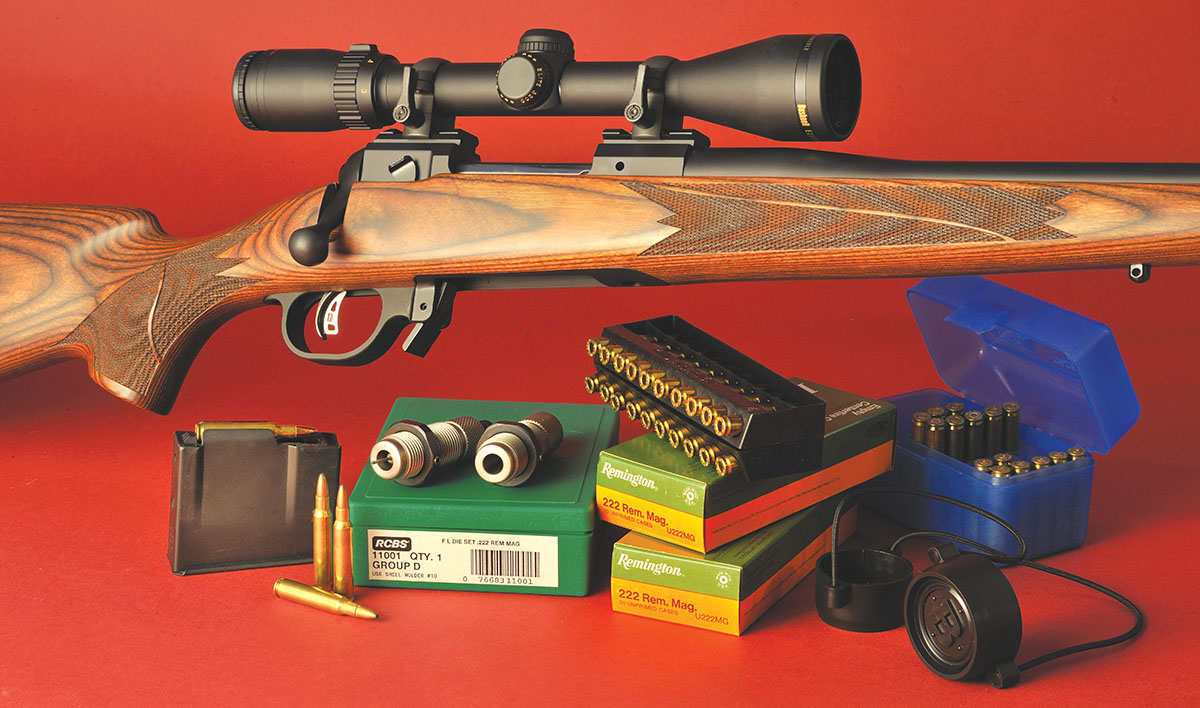
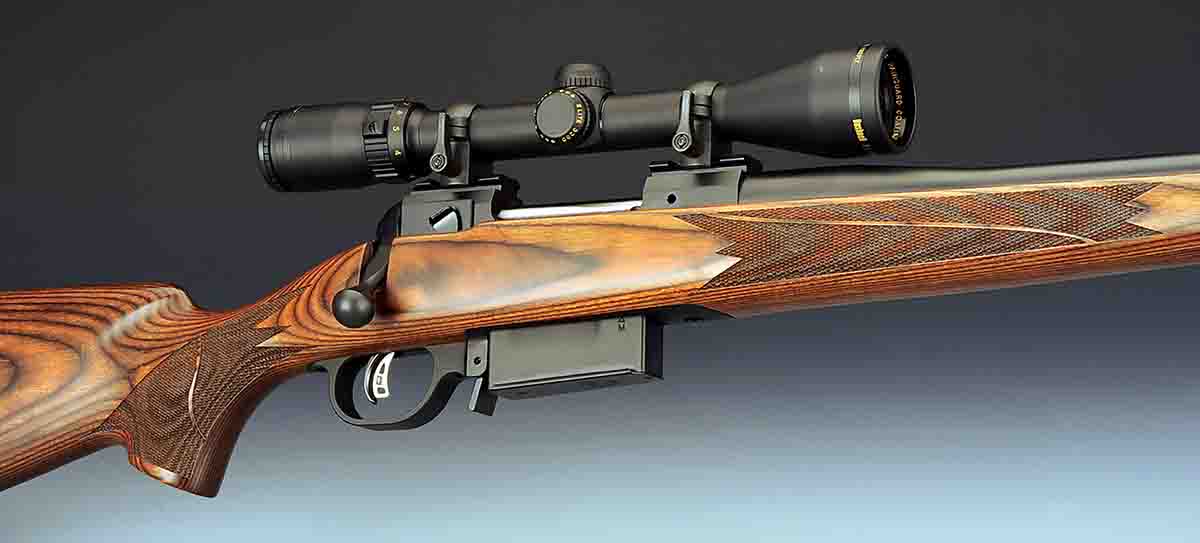
When I came to rifles, I was surprised, as I personally have not seen a 222 magnum in the hands of any dealer for a while. Cooper Arms has seven varieties of rifles chambered for this round, as does E.R. Shaw with many combinations to choose from in actions and stocks. When it comes to used rifles, online choices range from the high-end Sako Vixen to Remington models including the XR-100, 722 and the famous Model 700 made in 1965. My choice for this article was the Shaw Mark X rifle. With a laminated stock, I put it in the custom category by virtue of its thousands of combinations of cartridges, stocks, barrels, finishes and other options placing it in the “how did I do without this gun” category, all with a down-to-earth price tag of around $1,400.
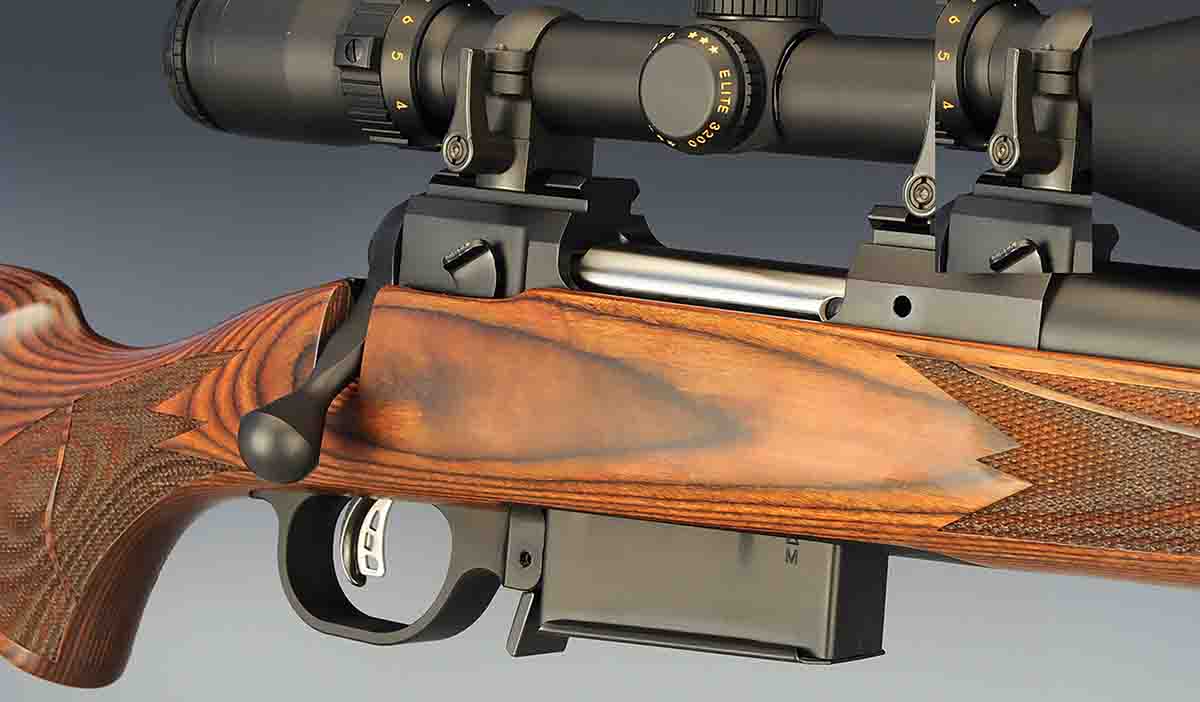
Because you have a choice in the rifle’s makeup, it then becomes a one-of-a-kind custom for you. I had the choice of the cartridge, action, barrel contour, the length and the overall satin finish. When it came to the bolt, I chose the polished bolt, but you can have a spiral design added to it if you want. The trigger is the famed AccuTrigger and it was adjusted to 2½ pounds at the factory and with the tang mounted 3-position safety; the rifle was ready to go.
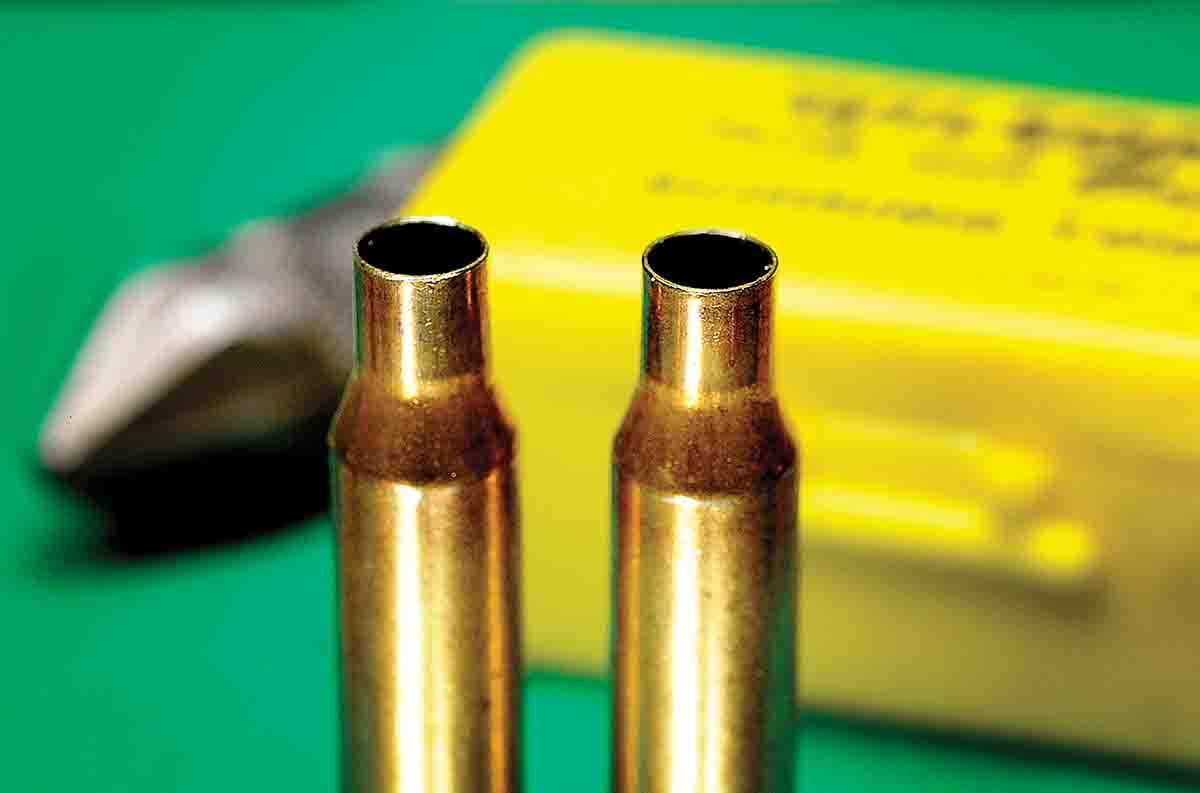
First, a bit of history. What started out as an experiment with the Armalite Corporation for an improved 222 Remington cartridge for the military, ended up as the 222 Special with a longer body and shorter neck. A short time later, it grew into the .224 Springfield from a design from the Springfield Armory that went nowhere. Following that, Remington put it to good use in 1958 naming it the 222 Remington Magnum, as at that time, the military seemed to have lost interest with the advent of the 223 Remington cartridge and the M16 rifle. Fighting competition from the 222 and 223 Remington, this magnum version (also necked down to .20 caliber and called the .204 Ruger) has a limited, but dedicated following with small-game and varmint hunters, especially when it comes to heavier bullets.
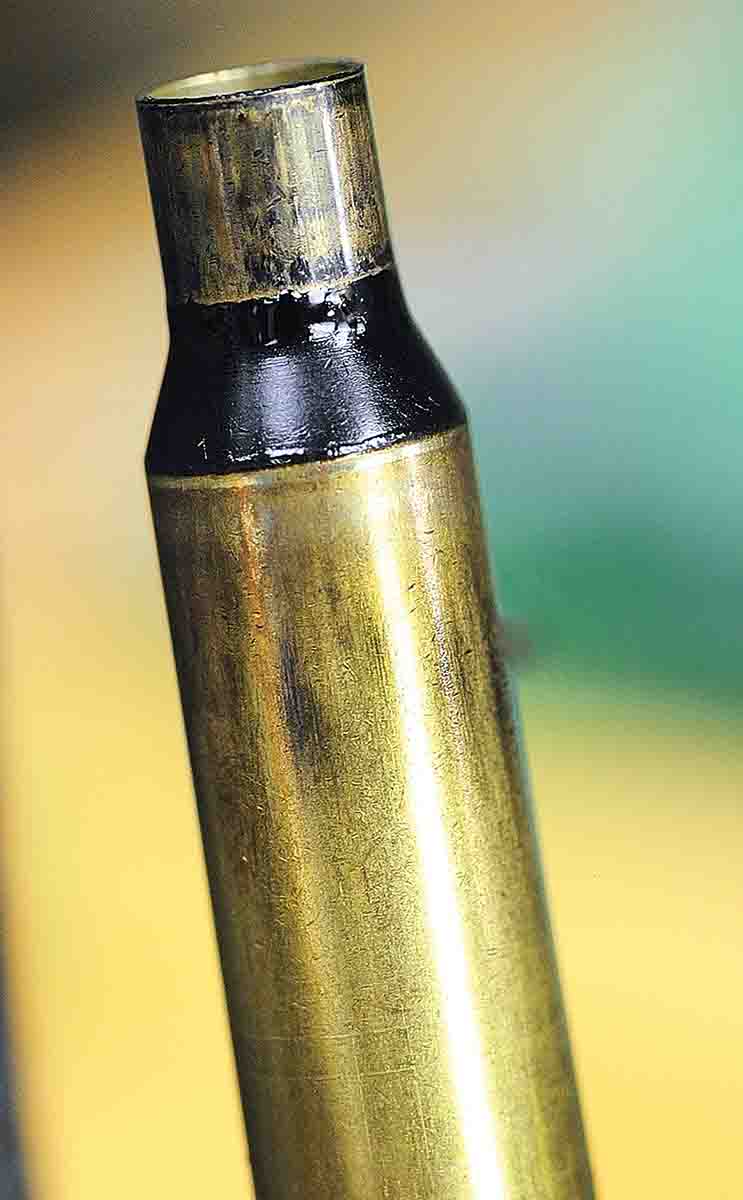
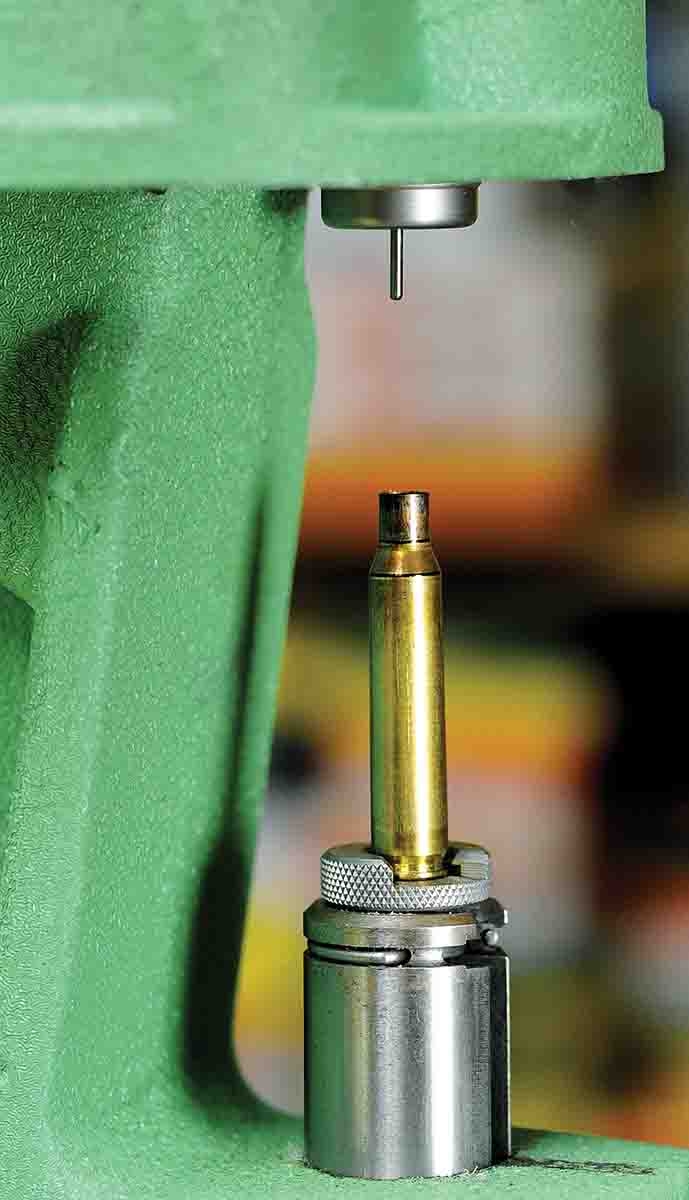
I had (the keyword here is HAD) a Remington Model 700 years back chambered for the 222 Remington Magnum, I did have a stash of 120 new brass cases ready and willing to be used. Before I did anything, I ran around 50-60 cases through the full-length-sizing die to square everything up, then loaded them with a charge of 23 grains of Vihtavuori N135 powder for an approximate velocity of 2,900 feet per second (fps). This accomplishes a number of things, including fireforming cases for serious loading with neck sizing only later and allows me to zero-in the rifle, saving time while keeping the barrel at reasonable temperatures during testing. Small rifle benchrest primers are used for consistency and accuracy.
When it comes to reloading the 222 Remington Magnum, nothing really is radically different from any other cartridge today. A good assortment of quality equipment like a press, case trimmer, powder measure, scale and loading dies will fill out the bill and for this session, I turned to RCBS for its standard grade die set under their product number 11001, adding the No. 10 shellholder to my purchase. This two-die set included the traditional full-length sizer with a decapping pin. Following that, the seater die has the bullet plug and built-in crimper to finish off the completed rounds.

When it comes to powders, cartridges in the 222 class are not hard to please. With a capacity of around 31.8 grains water (depending on the case used), a short list of powders started to make their appearance with a full list in the accompanying handloading table. It was interesting to note, and relying on prior experience with the 222 and .223 Remington, and now the magnum version, to reach a mean velocity reading, they all were only a full grain or less to reach 3,200 fps. Using Winchester W-748 powder for example, the 222 used 27.4 grains, the .223, 26.9 and the 222 Remington Magnum took only 26.1 to reach this velocity. Granted, there was some room here to go a bit higher, but for comparisons, I used this powder as my illustration.
When it came to choice, I had Hodgdon H-4895 on my mind in the beginning and testing proved it did very well in groups (first) and acceptable velocity (third) readings in my Shaw rifle. A favorite with 222 Remington Magnum shooters, Hodgdon H-335 proved the top contender in velocity with Vihtavuori second and Hodgdon H-4895 following. Regardless of the powder choice, all of the loads listed proved to be comfortable in my rifle with no pressure signs for my type of shooting. During loading, all were trickled into each case for the best chance of small groups downrange. If I was going to load dozens of rounds for prairie dog shooting for example, I’d stick with Hodgdon H-4895, H-335, Vihtavuori N135 or W-748 as they were easy to meter and I could get away with checking every tenth round for accuracy. The stick powders like IMR-3031 and IMR-4064 showed compression with the former right to the brim; and on the the latter, the contents filled most of the case neck, which turned out to be the third most accurate load tested.
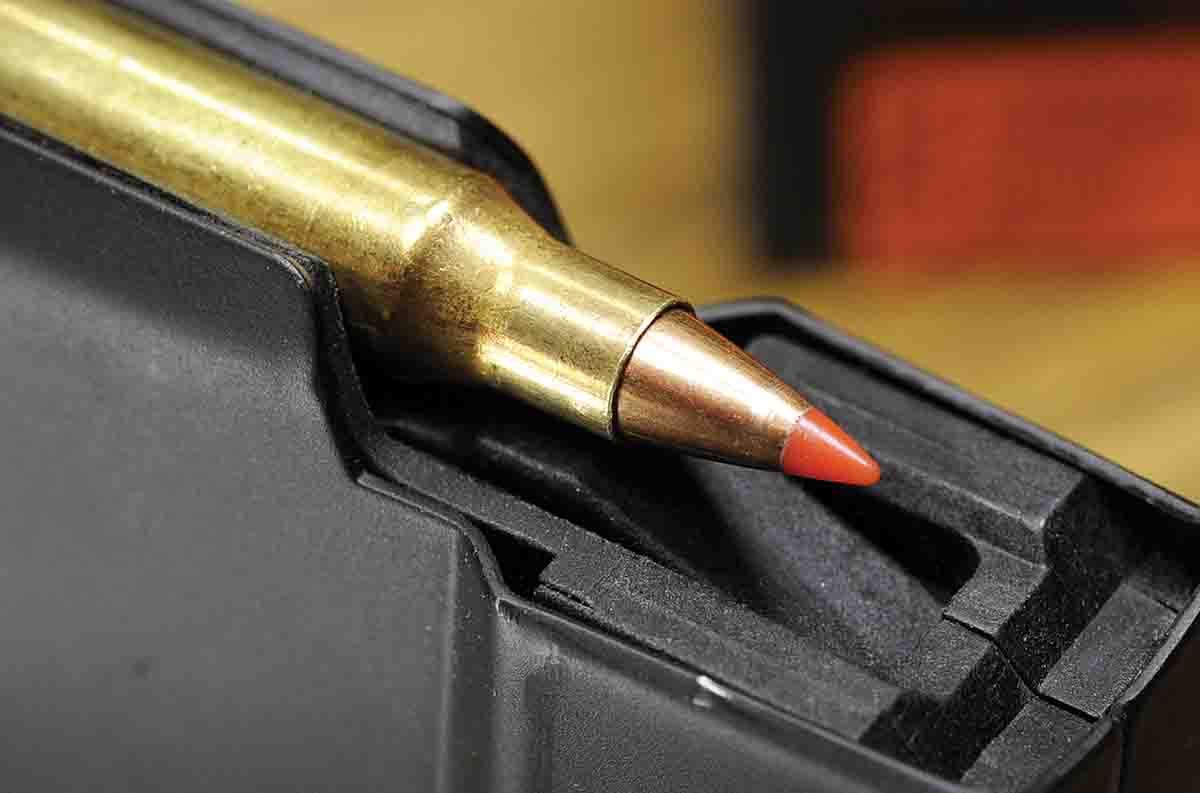
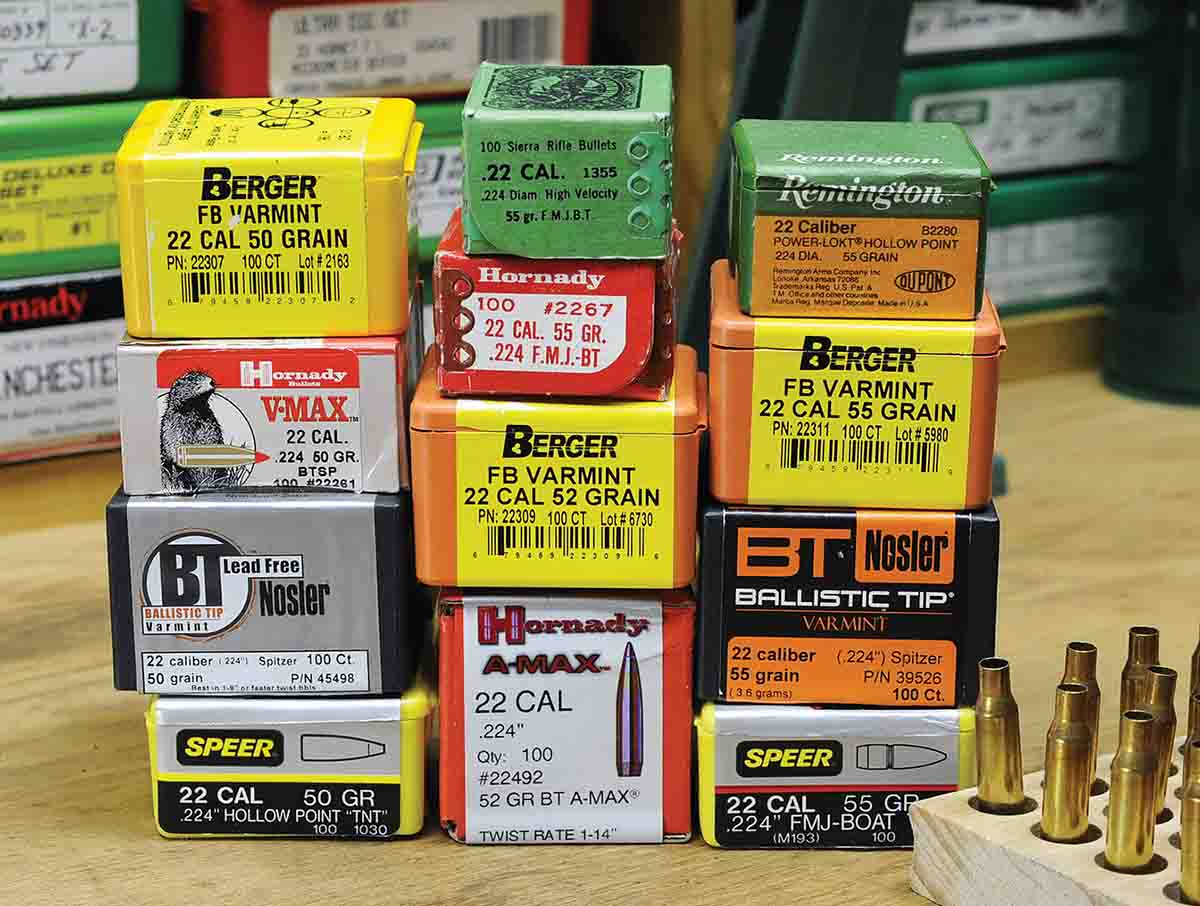
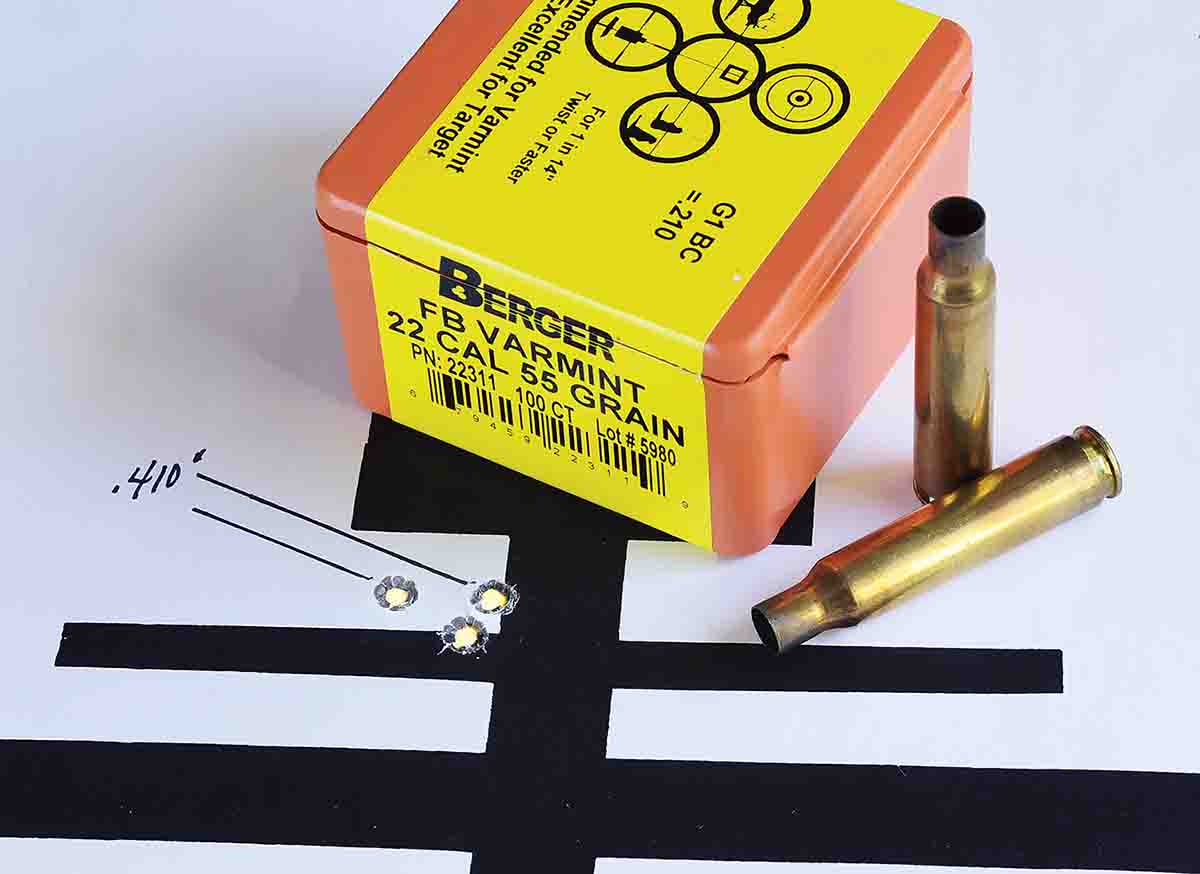
Moving up to 55 grains, there was quite a range of information here when working with the 222 Remington Magnum. Again, the Berger bullet appeared with the best group in this weight range showing .410 inch at 100 yards for second place overall. The Speer full-metal jacket boat-tail hit .460 inch and third best on the list, followed by the Sierra boat-tail, both filled with the more conventional stick powders. With 26 grains of W-748, the Nosler Varmint came up with a good group at .840 inch, but I was disappointed with the Hornady and Remington samples of more than an inch. Both are usually good performers, so obviously they did not like the powder or the charge, so they will be fine-tuned later. Since I fired all rounds single shot in the rifle, only a slight crimp was employed.
Discussing trajectory is always fun and the 222 Remington Magnum beats out both the 222 and 223 Remington by a good margin, especially at 300 yards. Pushing almost 3,400 fps, the drop of a 55-grain bullet is 10 inches at 300 yards; with the 222 at 3,100 fps, there will be a drop of 12.9 inches, with the 223 around 3,000 fps at 14.1 inches. Out in the field hunting, bullets in 55 grains add to the wind-bucking effect of the cartridge at longer ranges allowing for a higher percentage of hits with higher velocities than its siblings do.
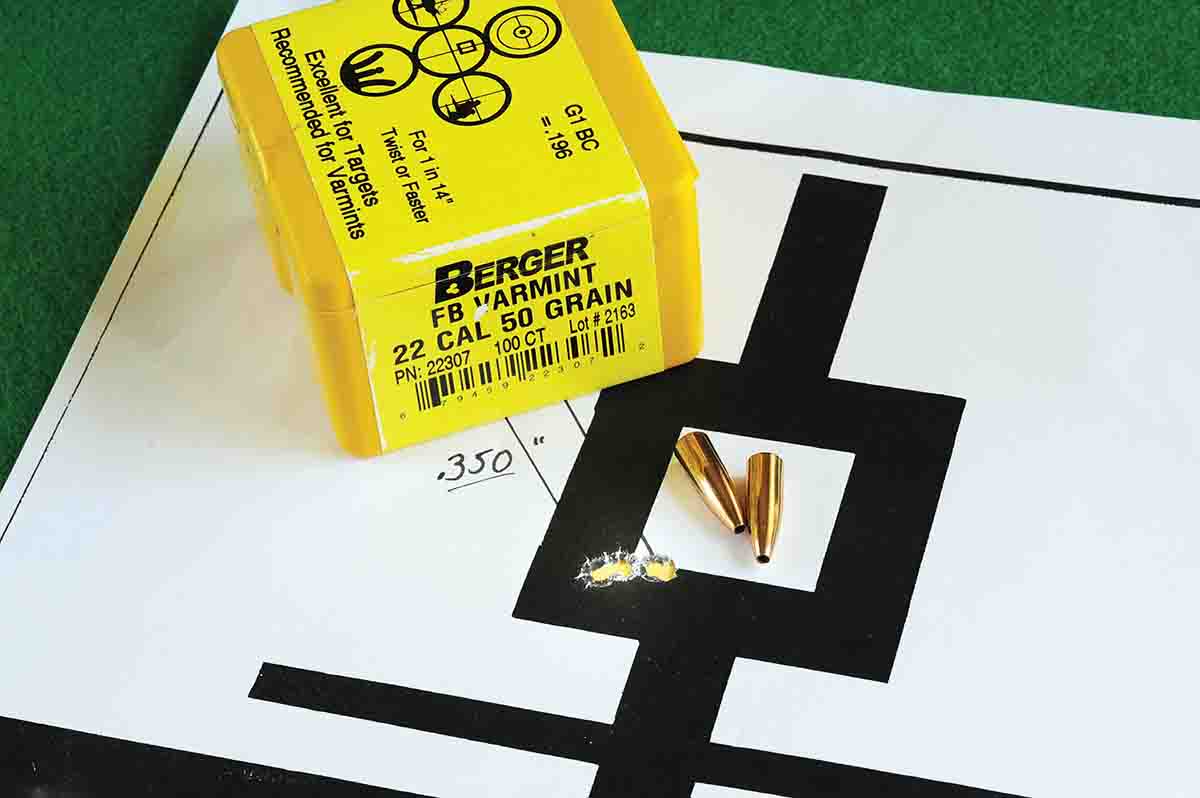
Comparing the 222, 223 and the 222 Remington Magnum, I think you have to be careful here of running after any small gains in velocity or accuracy. Sometimes, they may not be worth the money they could cost in a new rifle, scope and related accessories. In this case, I feel the 222 Remington Magnum was worth the total effort as you can see from the results on the targets downrange. In the end, there is a lot to say with the rifles and components we have to work with today. With the right technique, the results, compared to those of years past, are indeed impressive.
If you are interested in this rifle and cartridge, visit ShawCustomBarrels.com.
.jpg)