

Taking Care of Those Rascally Rabbits
My Top Three Choices
feature By: Wes Littlefield | October, 24
However, they encouraged me to continue hunting, and living on a small farm meant I chased many rascally rabbits during the winters with my Dad. We always prioritized safety, especially since rabbits are known to carry diseases like ringworm and tularemia (rabbit fever). This is why we often waited until the first hard freeze of the year to begin hunting cottontails, reducing the risk of transferring these diseases to us when we cleaned them.
We used a variety of calibers and guns to harvest rabbits over the years, each with its own unique features and advantages, adding an element of intrigue to our hunts. Some of my favorite rabbit-hunting guns were shotguns, semiautomatic rifles and lever-action rifles.
These guns were chambered in various gauges and calibers. At the beginning of the season, when we needed a few extra pellets downrange because our aim was a tad off, we used single-shot, break-action 410-gauge shotguns, pump-action 20-gauge shotguns and 12-gauge shotguns (pump and semiauto).
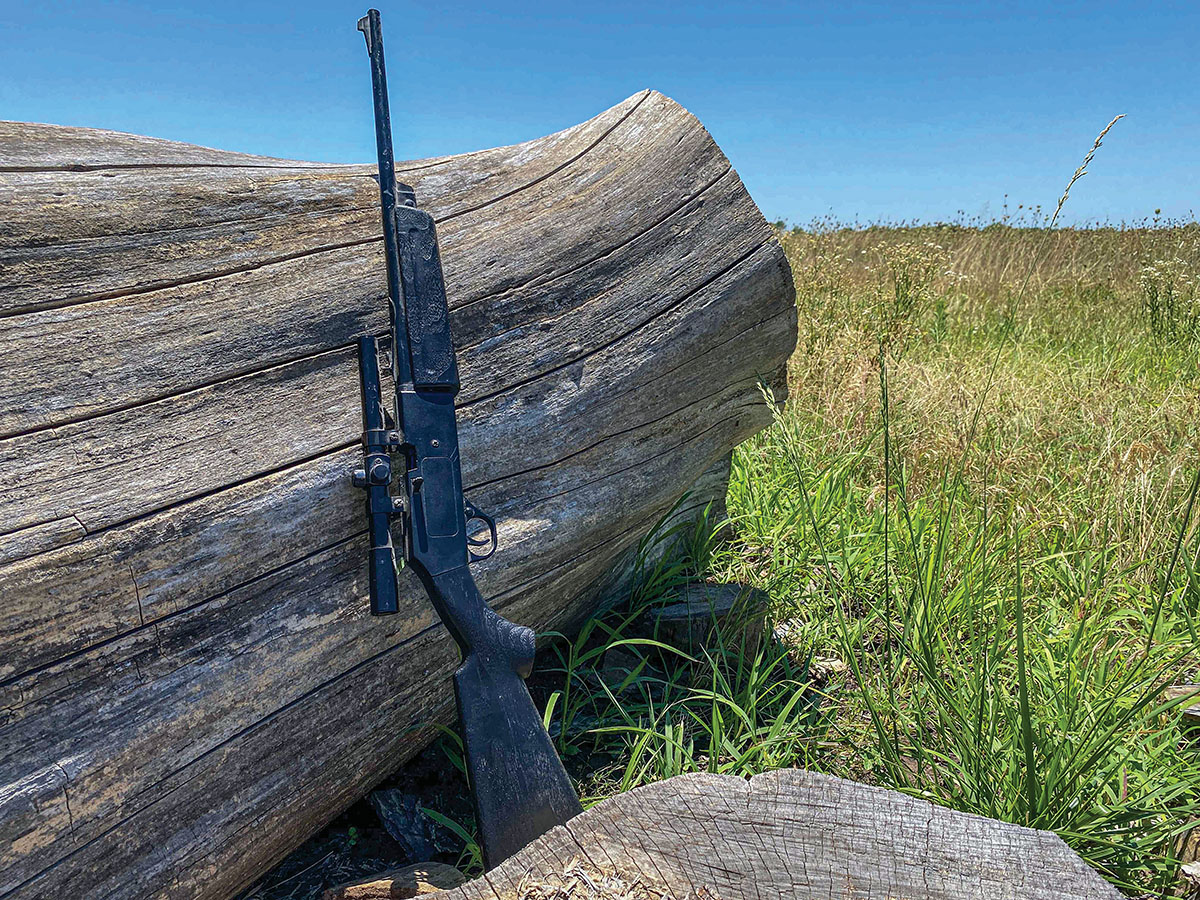
I loved shooting my Ruger 10/22, and my grandpa often used a semiauto 22 Magnum. One year, my younger brother received a Henry Classic Lever-Action Rifle chambered in 22 LR as a birthday gift. He didn’t enjoy sharing it on our rabbit hunts, but I would sneak off with it without him knowing from time to time.
I also attempted to take a few rabbits with slingshots, archery equipment and air rifles. The latter proved to be the best on multiple occasions.
We’ve been battling Bugs Bunny ever since.
The rabbits ate any leafage in sight, stunting the trees I planted and nearly wiping out my Mom’s garden. This meant they were very plump when rabbit season opened up the following autumn.
Combining my hunting experiences of the past with new skills and tactics, I set out with my daughter to relieve our rodent problem that winter. I also decided to test various calibers to determine which one was most effective.
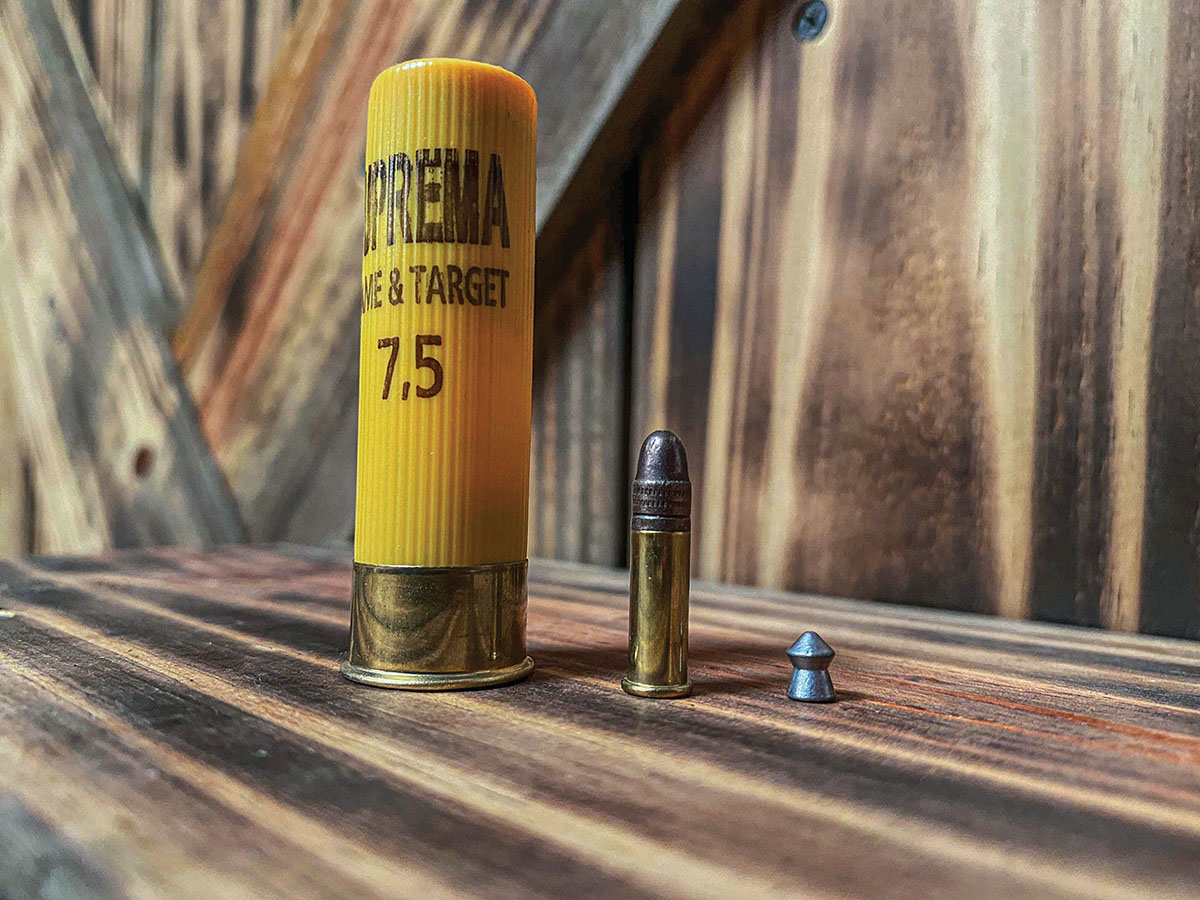
I found three to shine above the rest for various reasons: 20 gauge, 22 long rifle and .177 pellets.
Let’s examine each one a little more to discuss its benefits and drawbacks and what would make a good alternative if it’s not the right fit for you.
20 Gauge #8 Shot Shotshells
Naturally, I’m drawn to shotguns. Elmer Fudd’s poor shotgunning skills definitely didn’t leave a positive mark on my life, so it’s probably because I also grew up bird hunting and became a decent shot with the firearm, unlike poor Elmer. Many of my rabbit hunts were bookended by bagging a few doves and ducks.
As a kid, hunting with my Dad and Grandpa, I used a break-action 410 shotgun loaded with Winchester Super X #6 shot. While it’s plenty capable of taking a rabbit, the limited number of pellets made it a bit challenging for a youngster to hit a rabbit, especially one on the run.
When I was finally big enough to handle the recoil of a 12 gauge, I used it the most. However, it’s overkill for rabbits, especially when you’re using waterfowl loads like #2 steel shot, which is what I often had handy since I was big into duck hunting at the time. If a 12 gauge is all you have, then I recommend using #7 or #8 shot so there’s rabbit left over to eat after you pull the trigger.
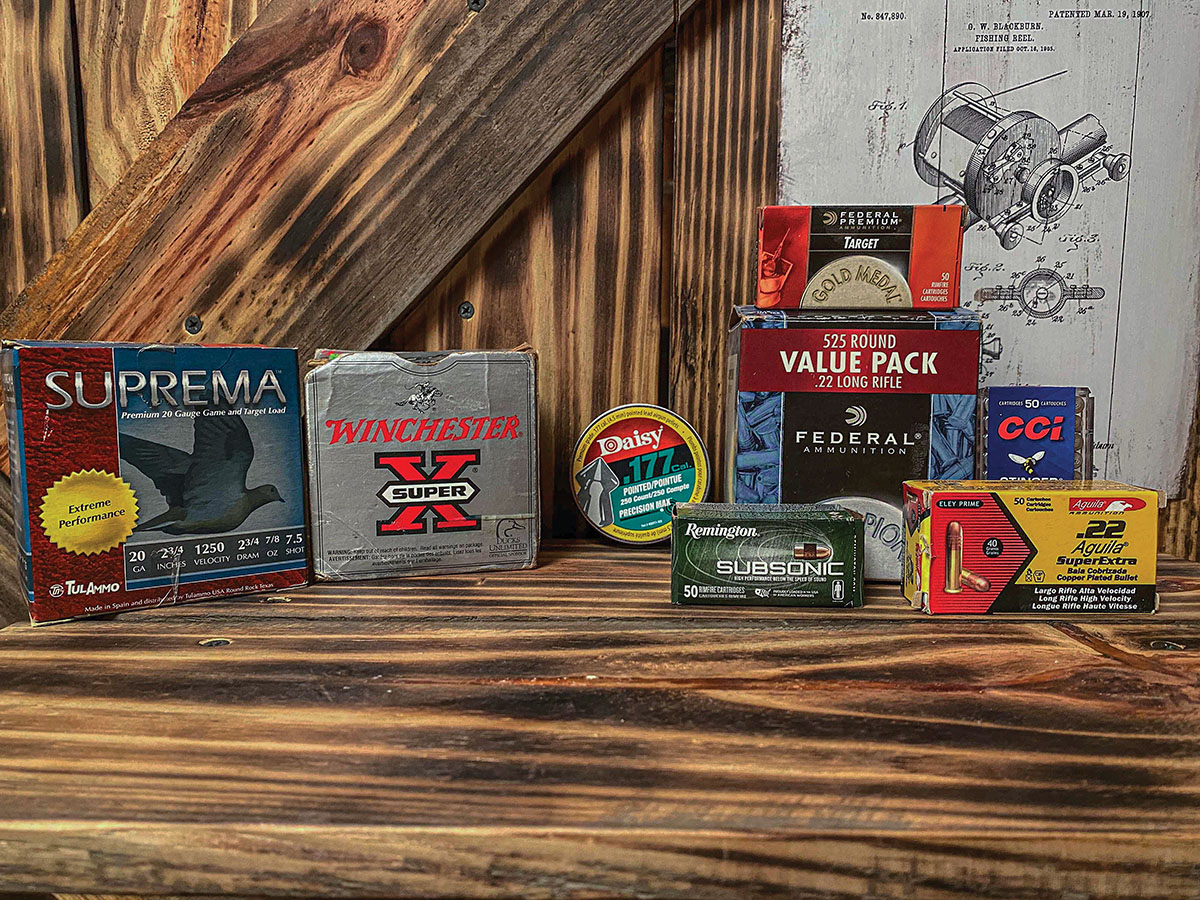
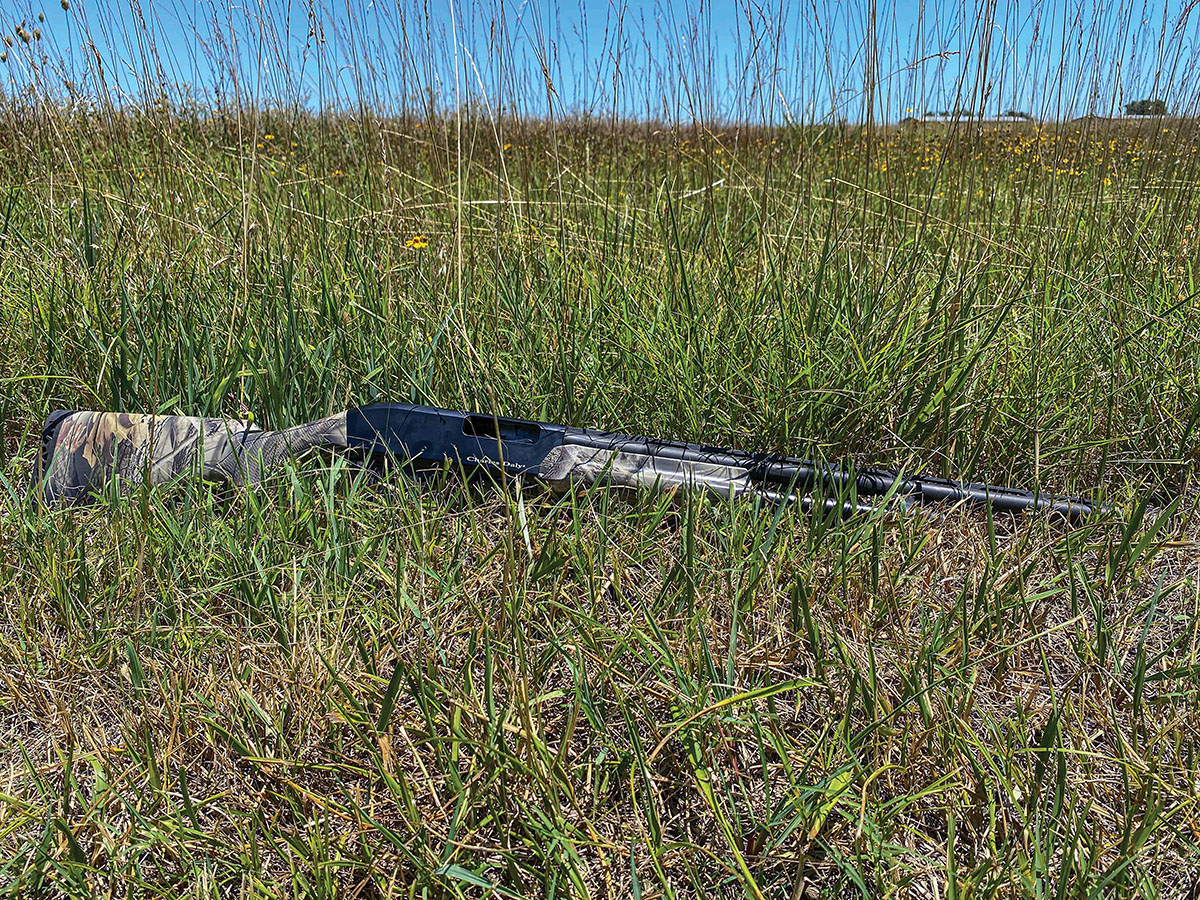
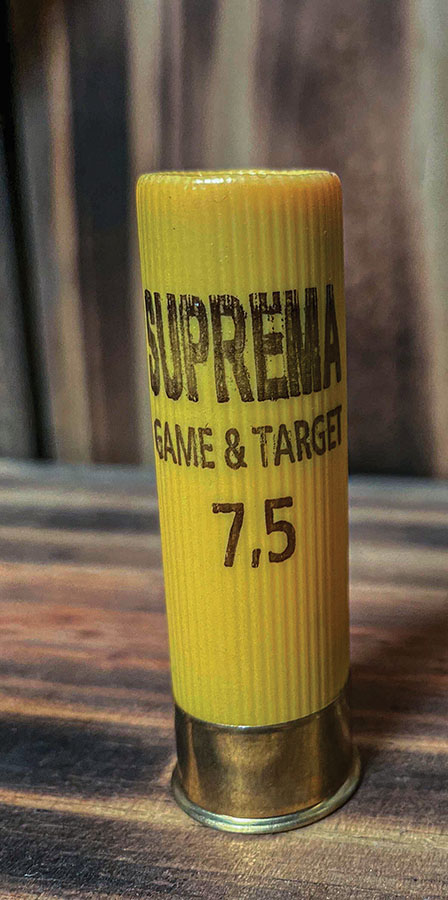
I finally settled on using 20 gauge #8 shot because it was a happy compromise between having plenty of pellets to hit dodging cottontails and not destroying the rabbit beyond recognition. Loads like Federal Game Load 7⁄8 ounce #8 shot leave the barrel at more than 1,200 feet per second (fps), which is more than fast enough to catch a fleeing rabbit.
The shotgun is my go-to firearm when jumping rabbits out of brush piles and fields. I don’t rabbit hunt with dogs, though my labs have brought a few to the porch over the years, to my wife’s dismay. However, if I did, I would be a little more leery of using a shotgun unless the dog is very well-trained.
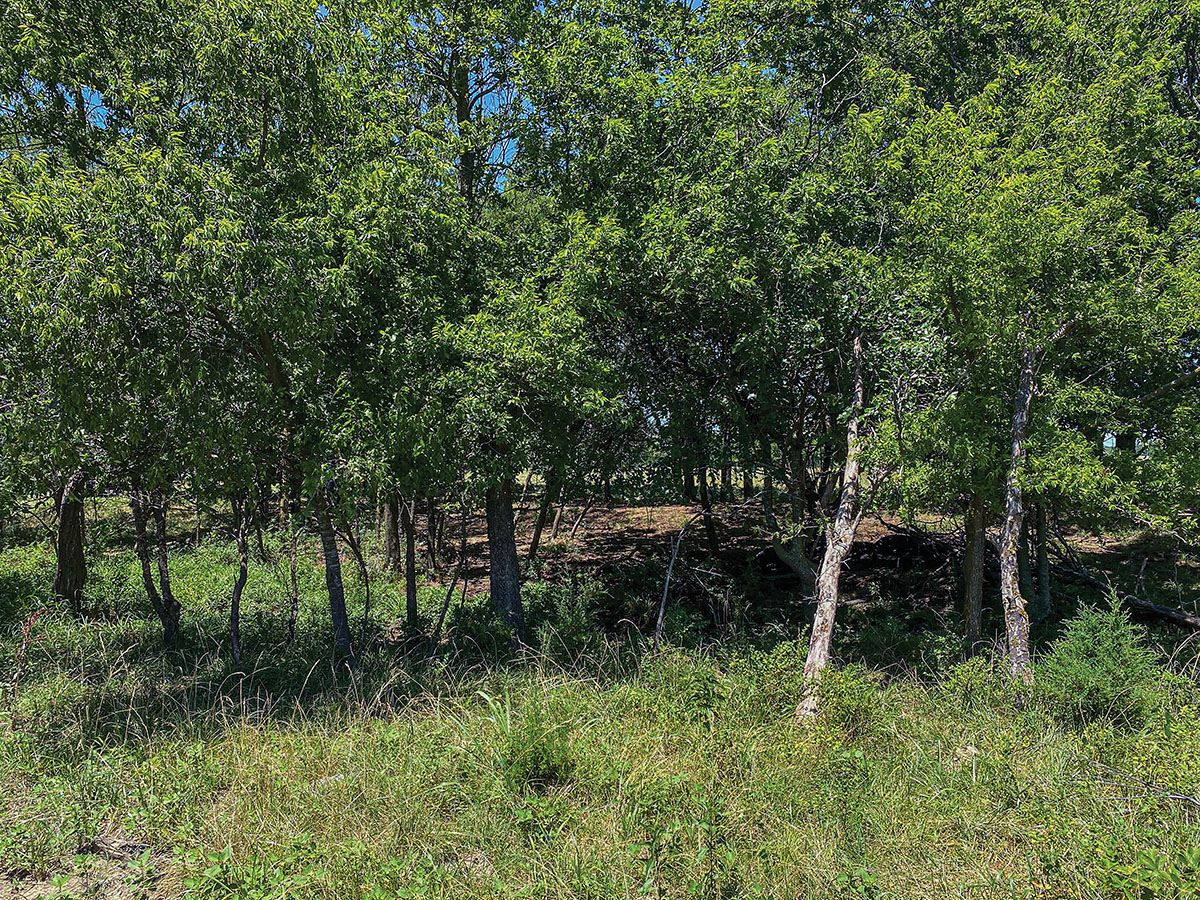
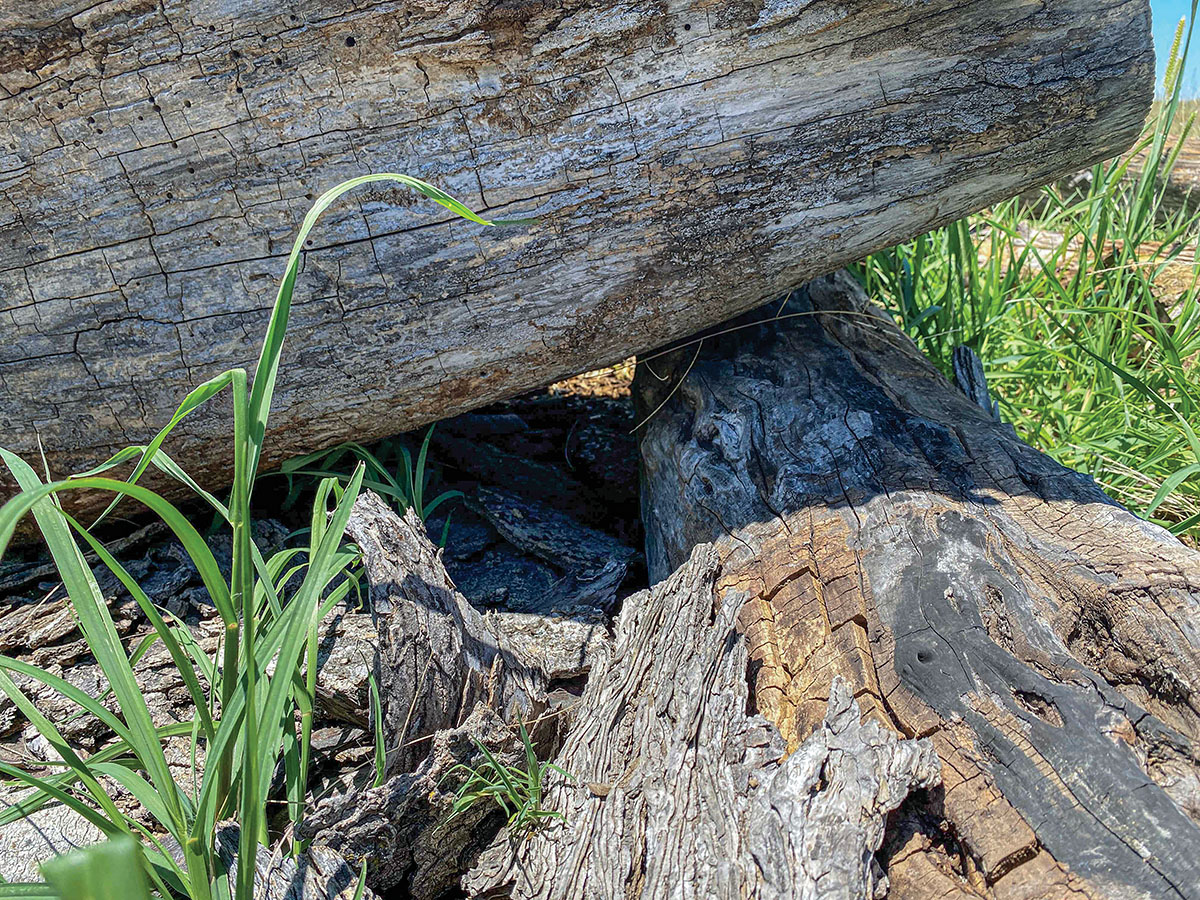
I’ve found the 20 gauge to be ideal for small-game hunting, especially when I need to take out a few rascally rabbits that terrorize my saplings and garden.
22 Long Rifle 40-Grain Subsonic Rounds
In high school, I considered joining the military and becoming a sniper. I was amazed by the possibility of hitting a target 1,000+ yards away with ease. Then, I read Chris Kyle’s book “American Sniper,” which only fueled my desire further. However, I had a kid my senior year, and I couldn’t imagine leaving her for months at a time, so I decided to go to college and get a degree.
This meant I had to learn to shoot long distances on my own as a young dad trying to support a family and go to school. Needless to say, long-range shooting wasn’t in the cards for me, but I did like challenging myself while rabbit hunting.
I would grab a 22 LR and head to our fields and thickets to try to spot some rabbits from a much further distance than I was used to while using a shotgun. One might think this would give me a huge advantage, but rabbits are difficult to see from any distance.
Heck, I remember one time while walking through a neighbor’s pasture, I nearly stepped on a giant jackrabbit. I didn’t see it until it darted away and nearly left me needing a change of clothes!
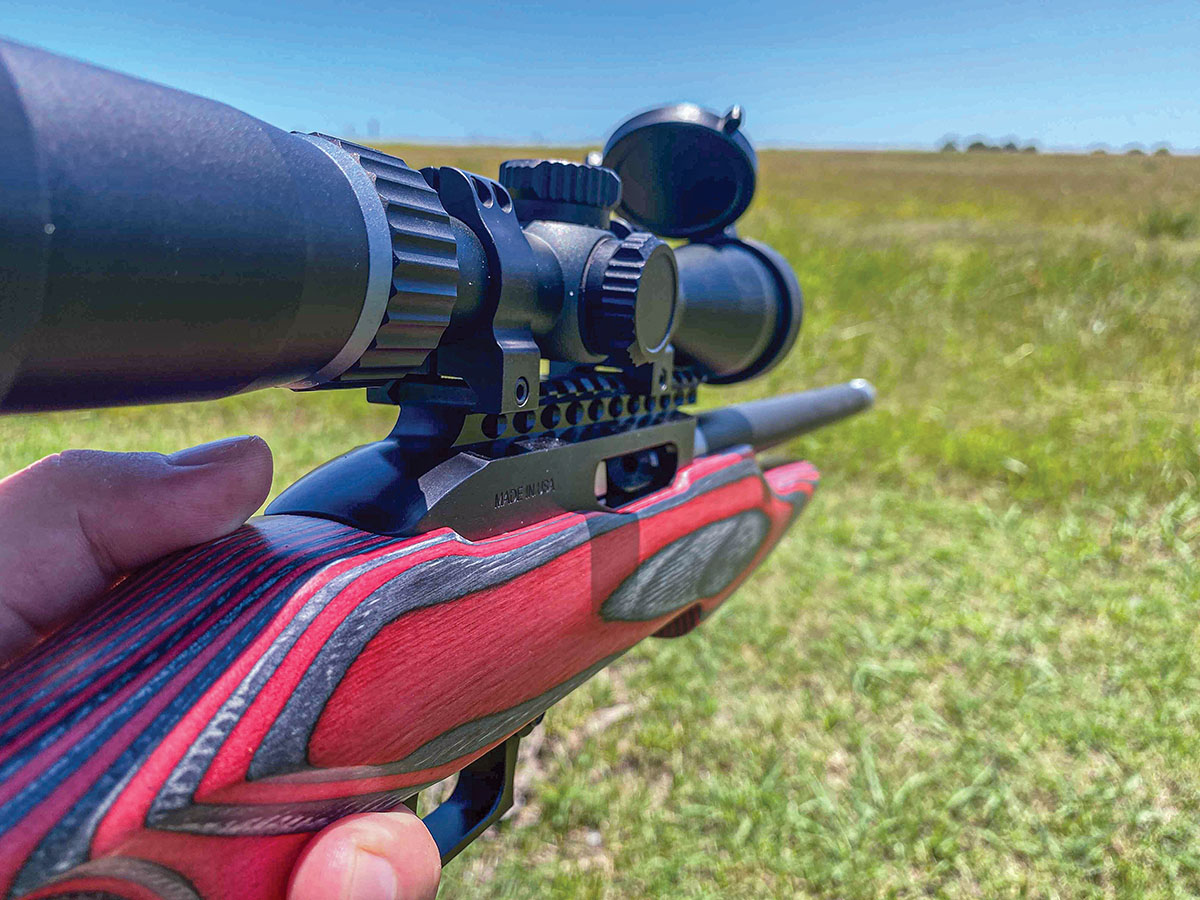
Because rabbits are very skittish, I prefer to shoot a semiauto, like the Ruger 10/22, I can quickly send a few rounds downrange after a miss. I like using 40-grain subsonic loads because they are a little quieter yet, they are more than capable of stopping a rabbit in its tracks.
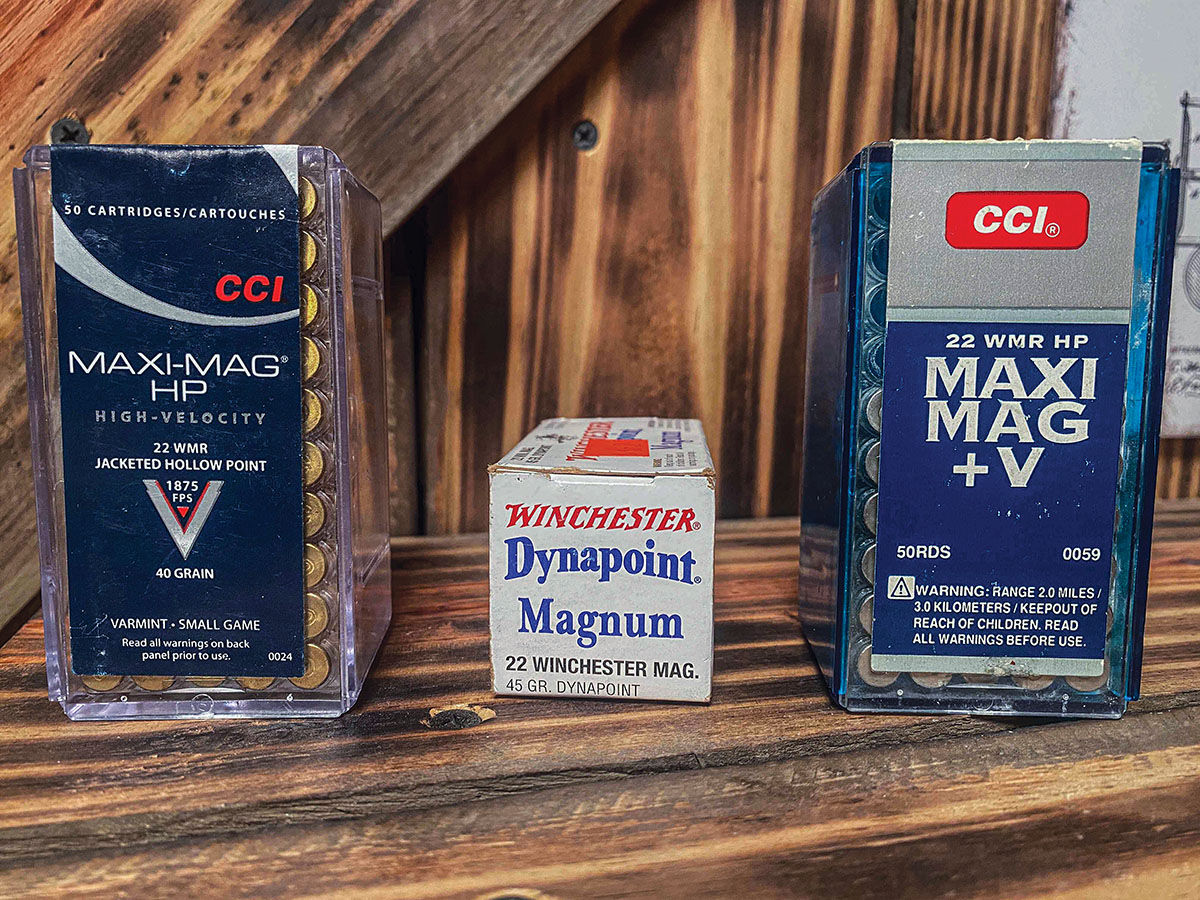
I’ve also tried rimfire calibers that pack a little more punch. My Grandpa has a semiauto 22 WMR that he would occasionally let me take rabbit hunting, but after trying Winchester Dynapoint Magnum 45-grain, CCI 40-grain jacketed hollowpoint, and a couple of other 22 Winchester Magnum loads, I quickly decided they were too much for cottontail rabbits.
One of my buddies from college had a Savage 17 HMR and offered to take me to his grandparent’s land to do a little squirrel hunting. I brought my 22 LR and he had his 17 HMR. Headshots on the squirrels were fine, but if he happened to hit the shoulder, it nearly rendered it inedible. We also encountered a few rabbits on that hunt. One of which I remember walking up to a clearing and seeing it about 75 yards away.
My buddy dropped it right where it was sitting, and as we walked up on it, I could see the mean little 17 had destroyed much of the rabbit. That’s when we decided to switch to the 22 LR because we were there not only to take care of a few pests but also to bring some home for dinner.
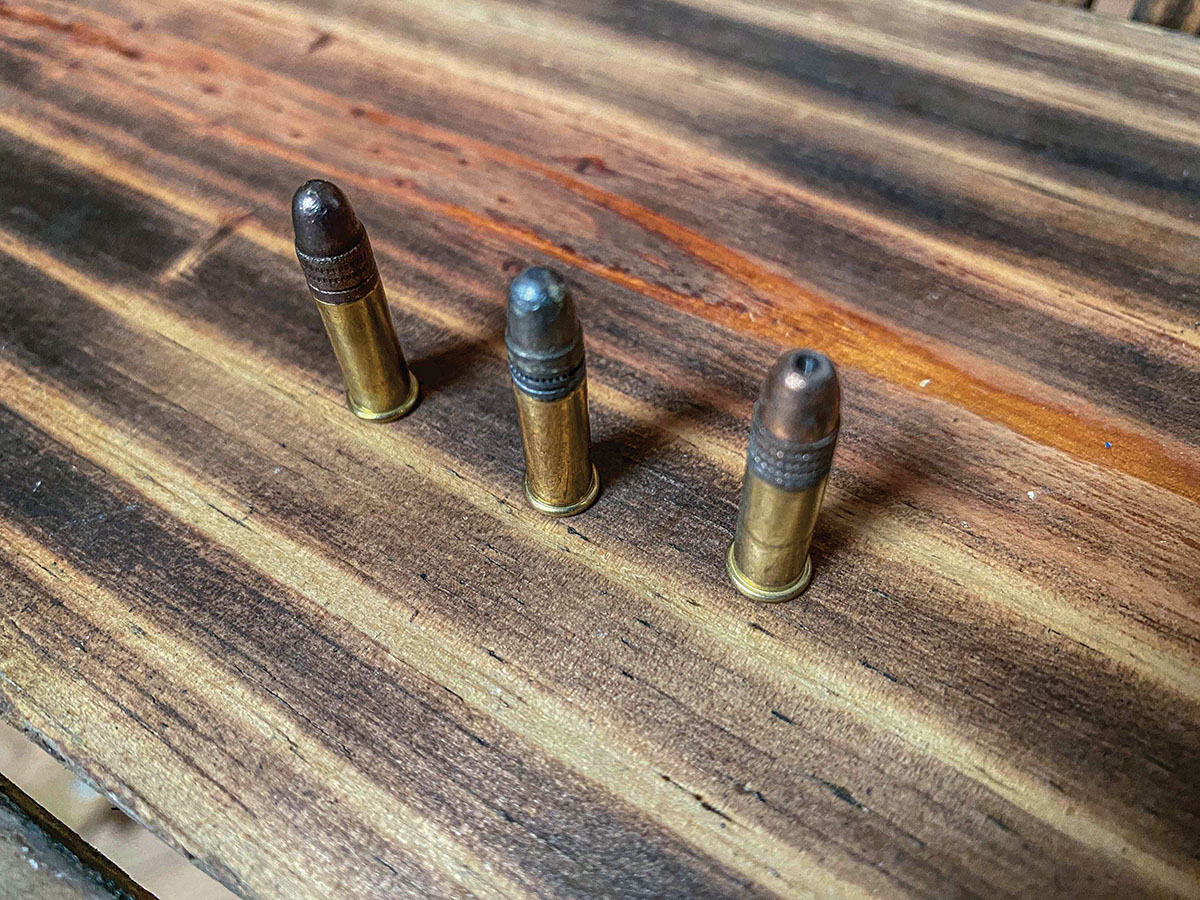
Since then, the 22 LR has been my go-to cartridge for longer shots while rabbit hunting. I’ve used various loads, including Aguila SuperExtra 40-grain copper-plated bullets (Eley Prime), Federal Target 40-grain solid bullets, CCI Stinger 32-grain copper-plated hollowpoint bullets and Federal Champion 36-grain copper-plated hollowpoint bullets.
Typically, the hollowpoints create too much damage to a delicate rabbit, no matter the weight, and 40-grain bullets can also be a bit much, but I prefer the solid projectiles over the hollowpoints when bringing home a few rabbits for a meal or two.
I strongly recommend getting a few different brands, bullet weights and styles to see which one performs best out of your 22 LR before settling, because I’ve found that even similar guns fire one round better than another.
.177 Air Rifle Pellets
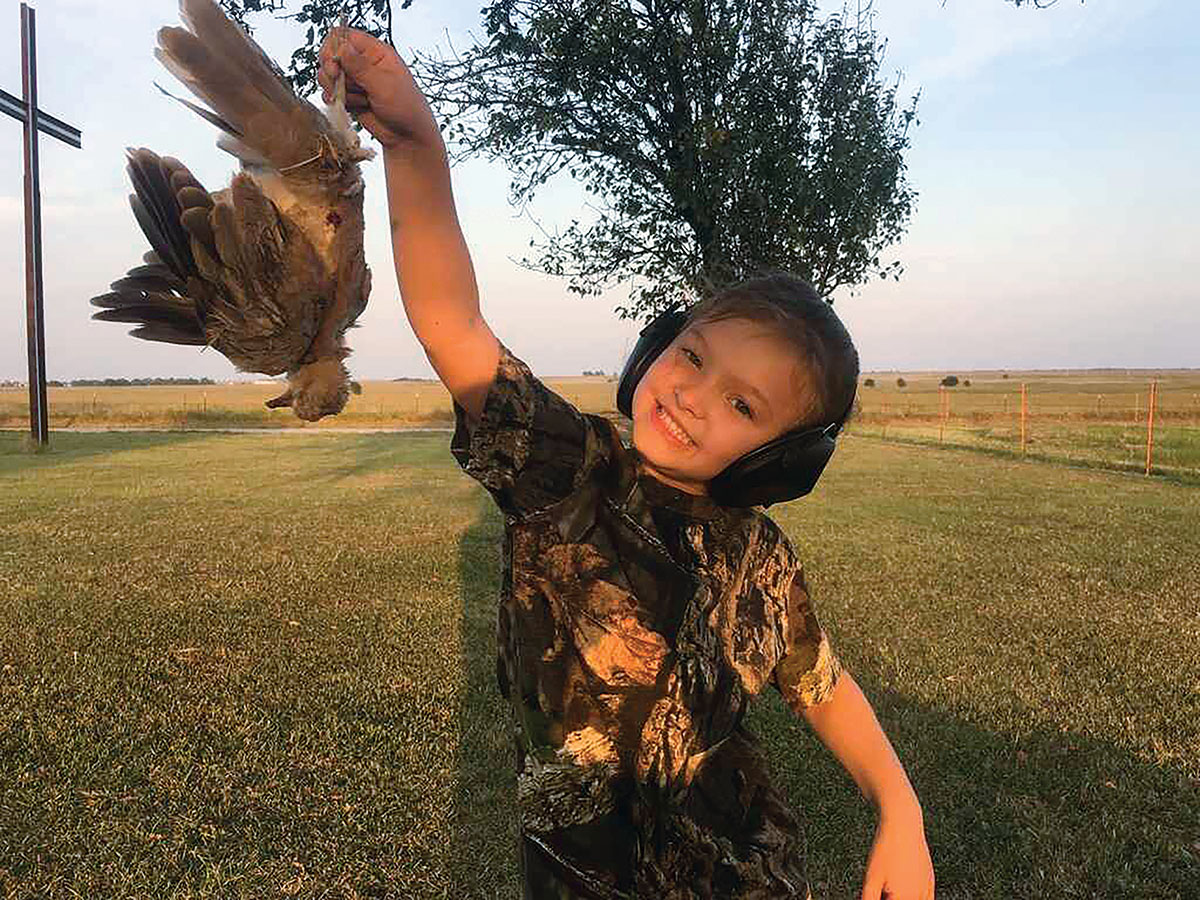
Like most kids, my daughter is reluctant to shoot anything with a little kick. So I went back to the memory bank and remembered how much I loved shooting my BB gun. I bought her a Daisy BB gun/air rifle combo and we started practicing.
Late one winter, we and a few neighbors decided to burn our pastures. To our horror, mice, rats and rabbits infiltrated our barns and anywhere else they could hide while the grass was short.
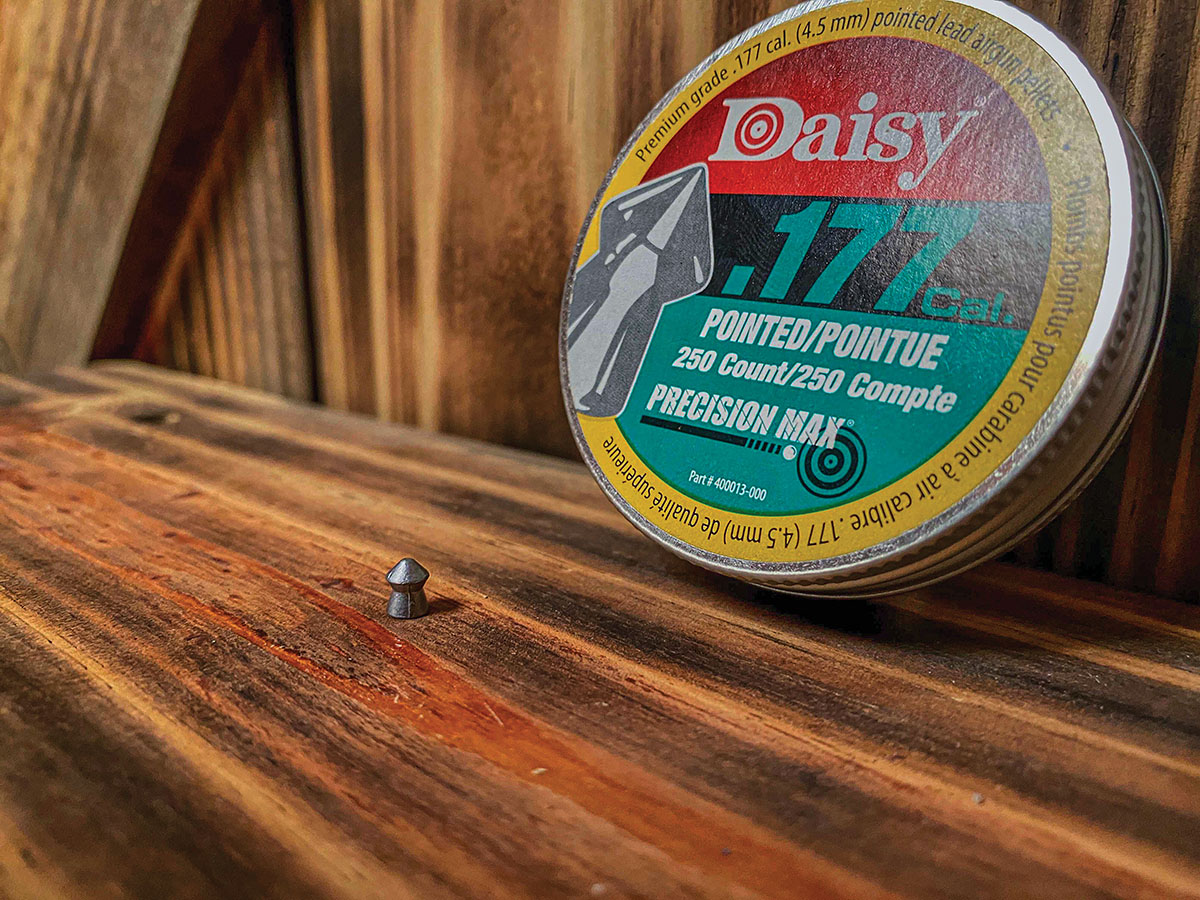
One evening, after seeing several rats and rabbits, I had my daughter grab her air rifle, and we started hunting the rats. After seeing how quickly the .177 pellet dispatched a large field rat, I was confident it could ethically take a rabbit, so the rabbits quickly became our other prey.
However, this adventure didn’t come without its challenges. As I remember from hunting rabbits with a BB gun as a kid, BB guns are not known for consistent accuracy, especially in the wind. I hoped to overcome this by using the .177 pellets instead of BBs.
This adjustment made me look like a genius, at least to my daughter. We started dropping rats and rabbits left and right because when we missed, we often still had a couple of other opportunities at the rodent since the air rifle was practically silent (pumping it up 10 times is as loud as it gets).
I also love that it’s much safer for my daughter to learn gun safety and how to hunt because it’s less powerful than a 22 LR but still has enough knockdown power to quickly take out a rabbit.
While the .177 air rifle pellet isn’t my primary choice when I’m striving to put food on the table, it’s an excellent tool for teaching kids about hunting and gun safety in the field.
Parting Shots
Of course, there are dozens of wildcat rounds you could use for a successful rabbit hunt, but because I enjoy shooting often, I prefer options that are inexpensive and readily available.
Each of the three choices previously mentioned has benefits over the others, but I’ve had great success with all three over the years, depending on the situation.