


Wild Hogs
Vilified Varmint or Prized Trophy?
feature By: Dick Williams | October, 24
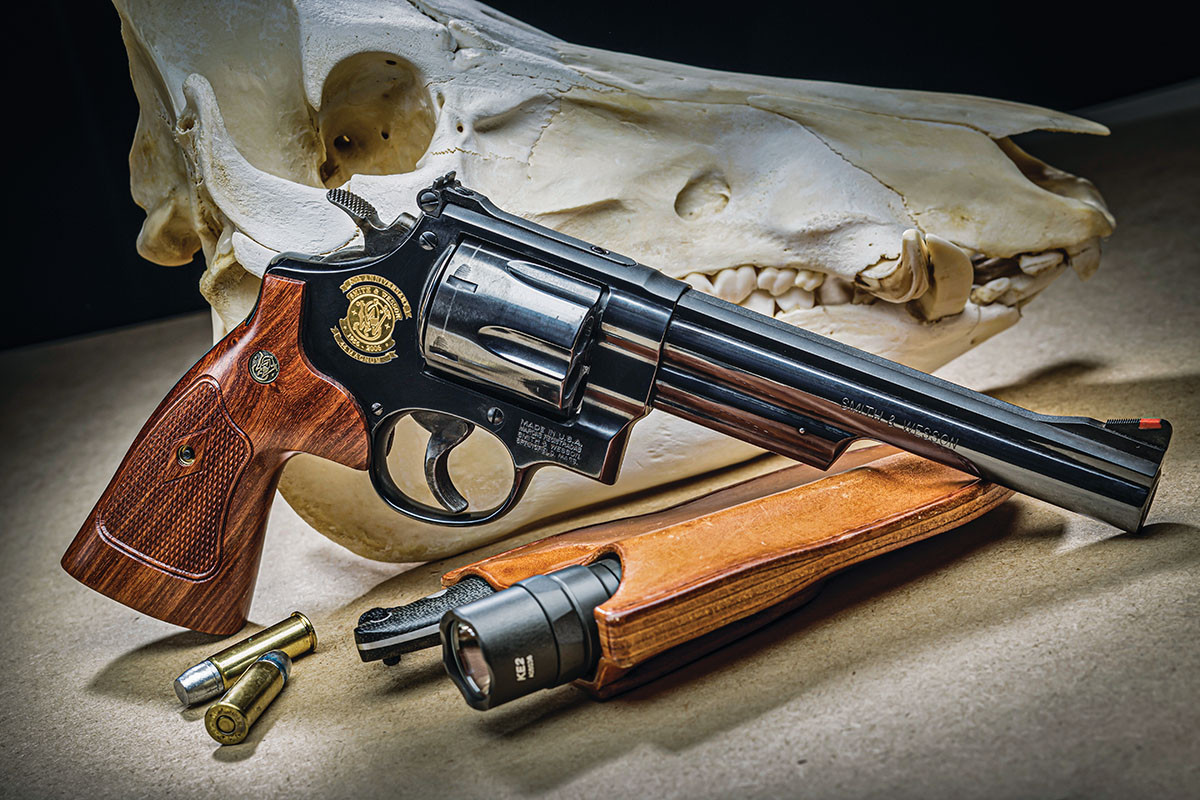
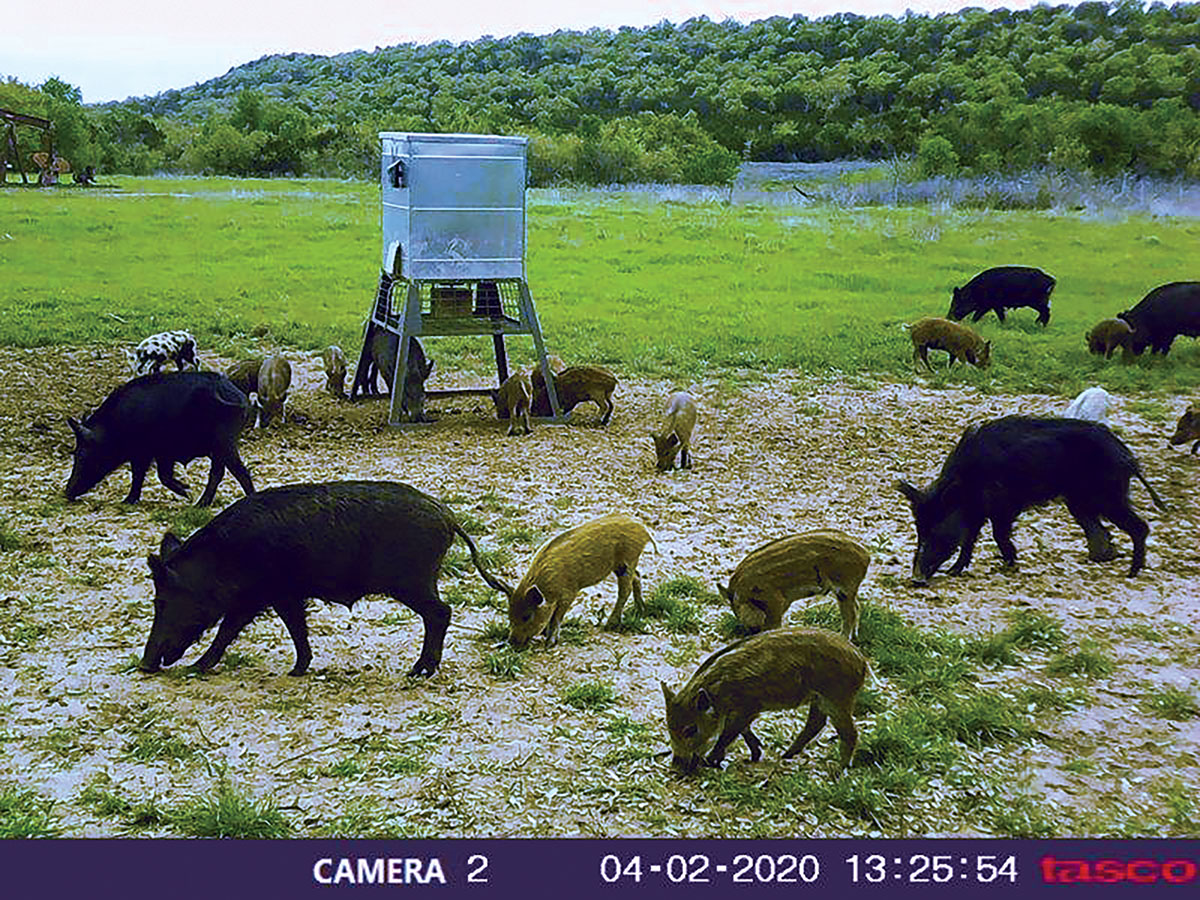
There are outdoors people who advocate for the complete extermination of wild pigs as well as those who have hunted them for sport and/or meat. Likewise, there are ranchers and farmers who would happily eradicate the species, while there are others who have found a way to get sport hunters to pay for hunts. “Hunting” techniques have varied from firing fully-automatic rifles from helicopters to feet-on-the-ground stalking armed with nothing more than a knife or spear. While you may not think the helicopter approach is particularly sporting, those who have tried it report that it’s quite thrilling. However, it doesn’t seem to have curbed the pig population much. As a lifelong handgun hunter, my choice of weapon is always somethimg lacking a stock, although specific writing assignments have seen me venture afield with rifles ranging from AR-style 223s up to single-shot 45-70s and a Ruger No. 1 in 458 Lott. My personal caliber preferences run more strongly toward the bigger bores for those times I encounter a big boar.
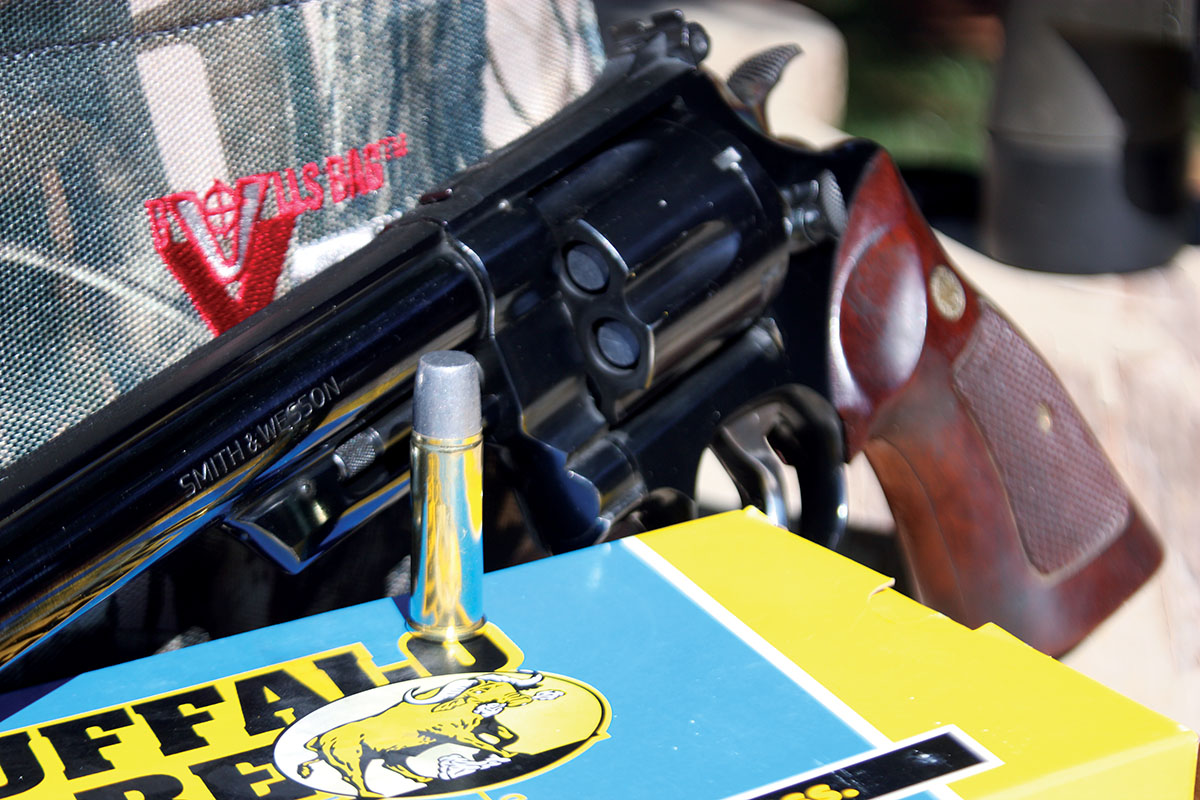
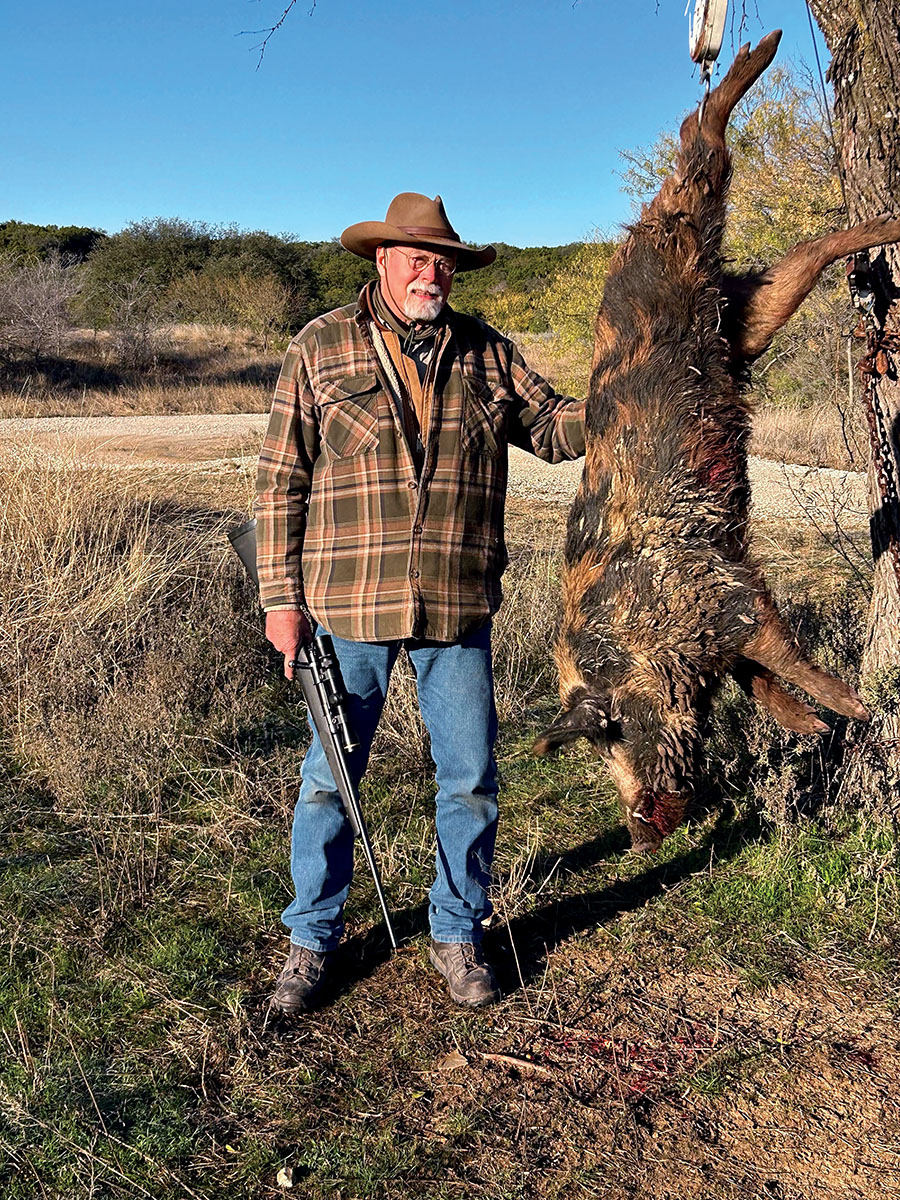
The selection of long, heavy bullets dominates my handgun hunting approach as well since the larger boars pack some serious body armor made of 1-inch thick gristle covering the chest area and they’re known for having lots of attitude. In short, they don’t like being shot and they can cover 50 to 100 yards after taking a fatal round through the torso. Hunting from a rifle stand where ranges can be 100 yards or so, I’ve made a couple of successful shots with a Freedom Arms 454 Casull topped with an optic. The gun is accurate and powerful enough to get the job done if your shooting skill is suffcient. If you are able to find the pig before darkness sets in, you’ve just put some delicious meat in the freezer. If you can’t find him until the next day, your freezer remains empty but your heart still rejoices from a successful hunt.
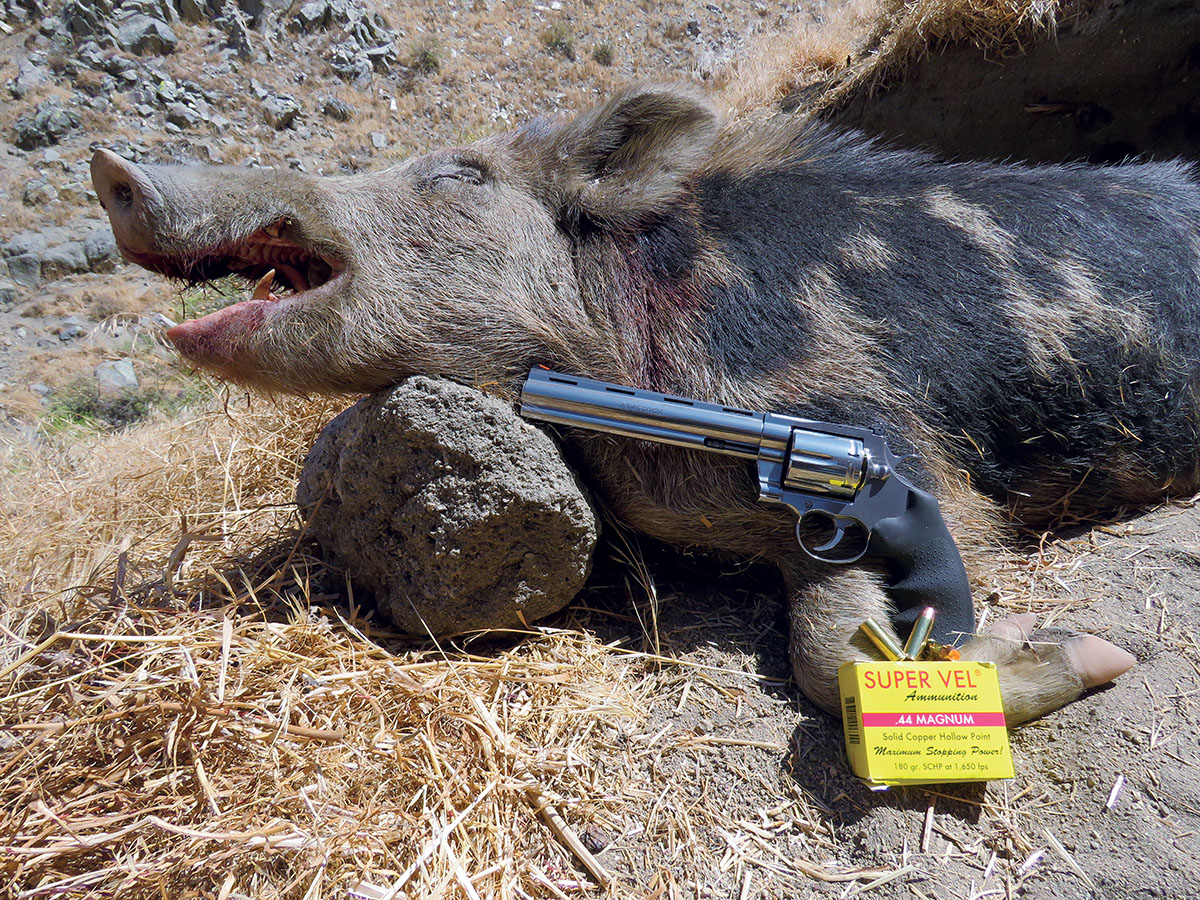
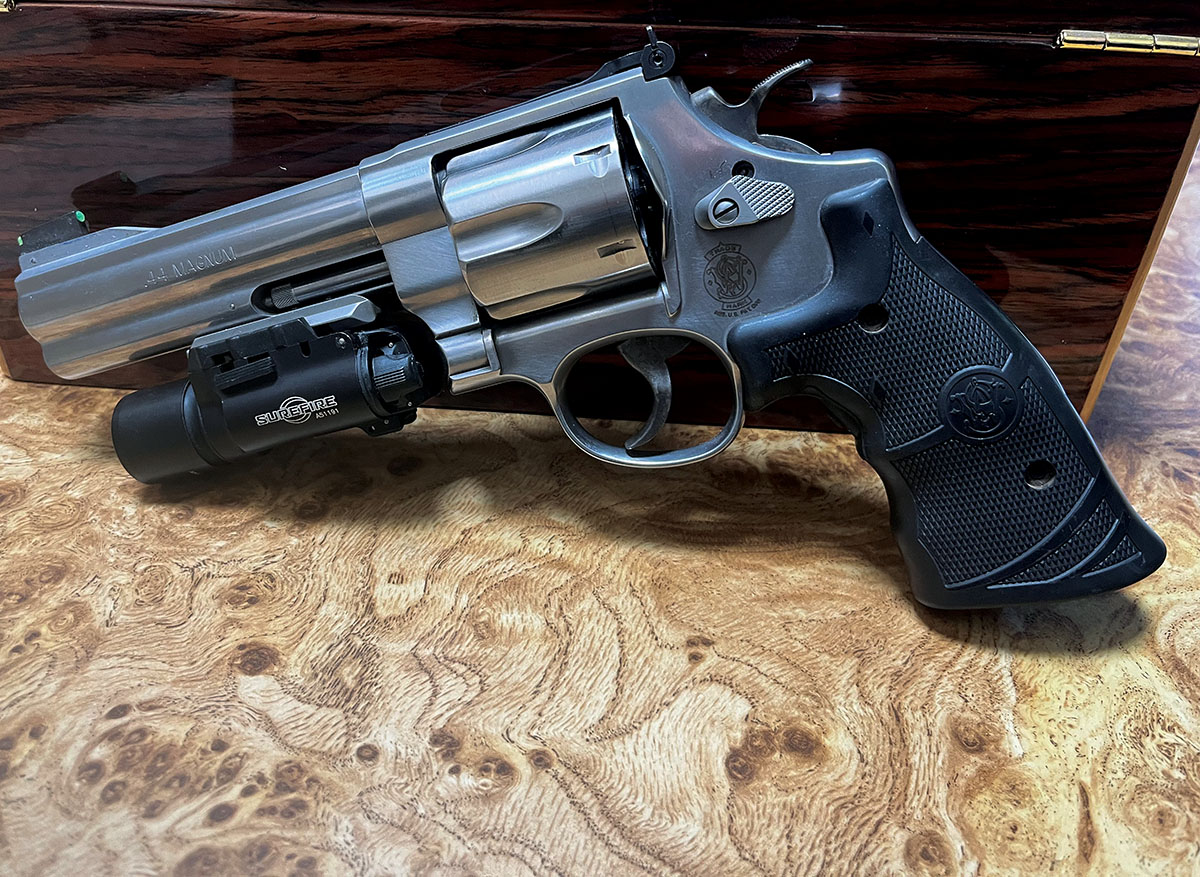
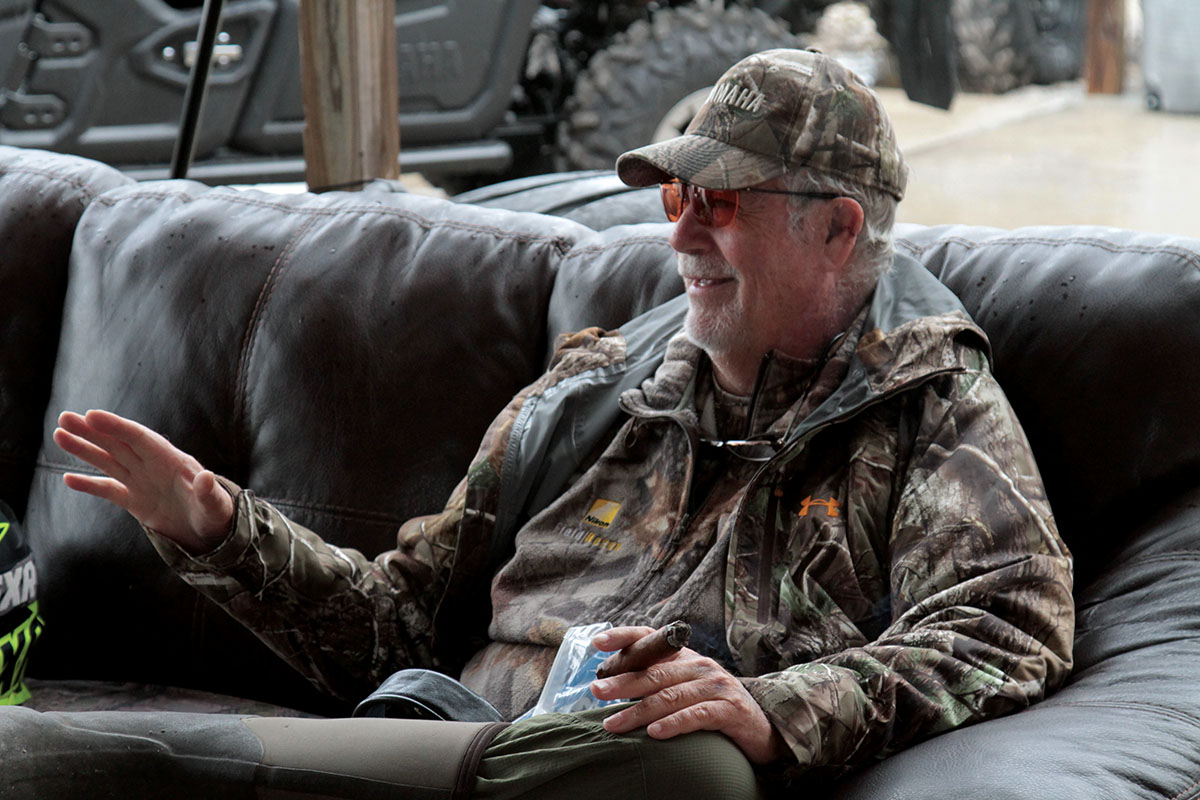
A problem with using conventional optics and iron sights is they become useless when daylight fades and darkness falls. On big-game animals, this is the time of day when the Fish and Game Departments tell us to pack our rucks, head for the bunkhouse and enjoy a good bourbon and cigar. Not so when hunting wild hogs! Hogs are more capable than humans when it comes to operating in darkness. With their keen sense of smell and excellent hearing, they will successfully spend the entire night searching for food and/or love. I’m just as happy finishing the day sipping a good whiskey around a campfire as I am hunting with a handgun, but my happiness turns to pure joy if the day ends with some pork in the ice chest.
They are great for those “up close and personal” moments when you’re searching through the brush for a potentially wounded pig, but given my age and loss of agility, those moments aren’t quite the thrill they used to be.
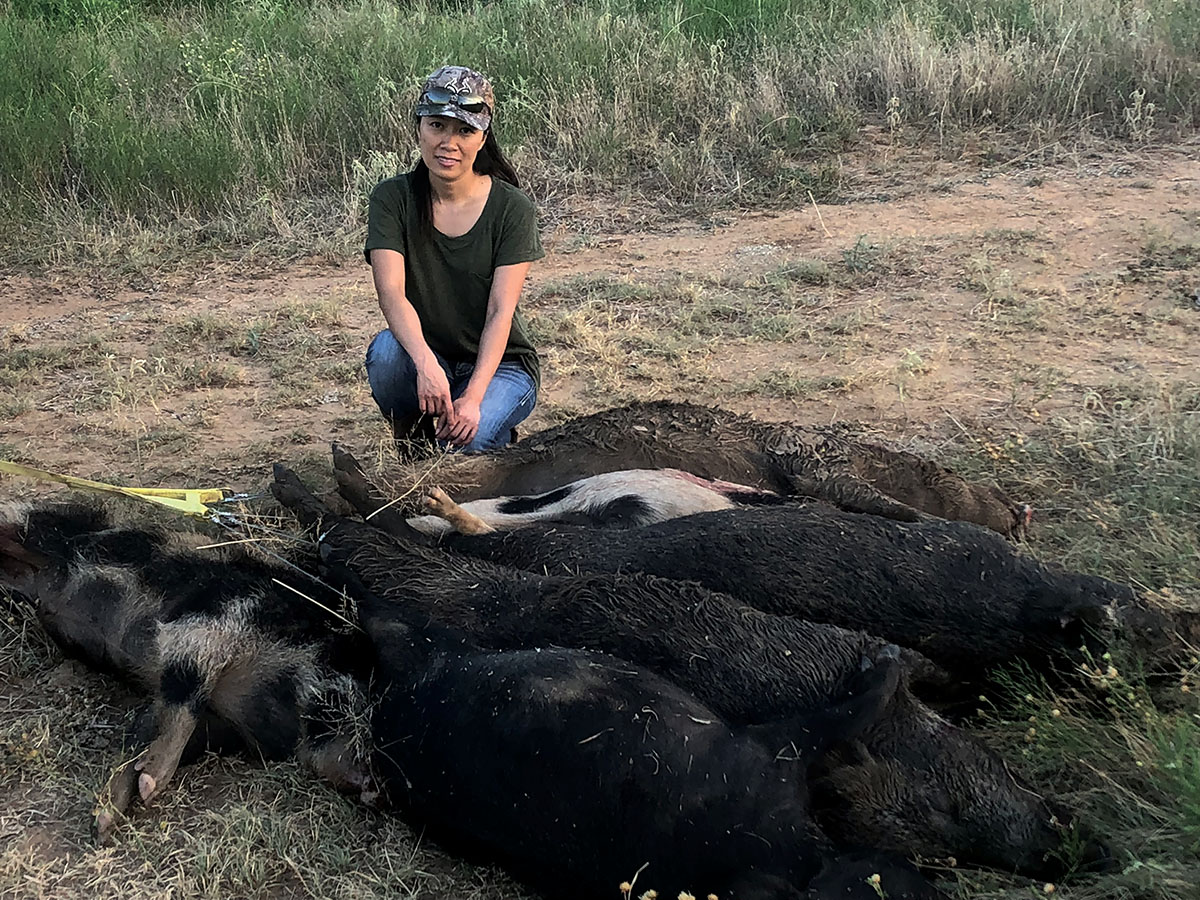
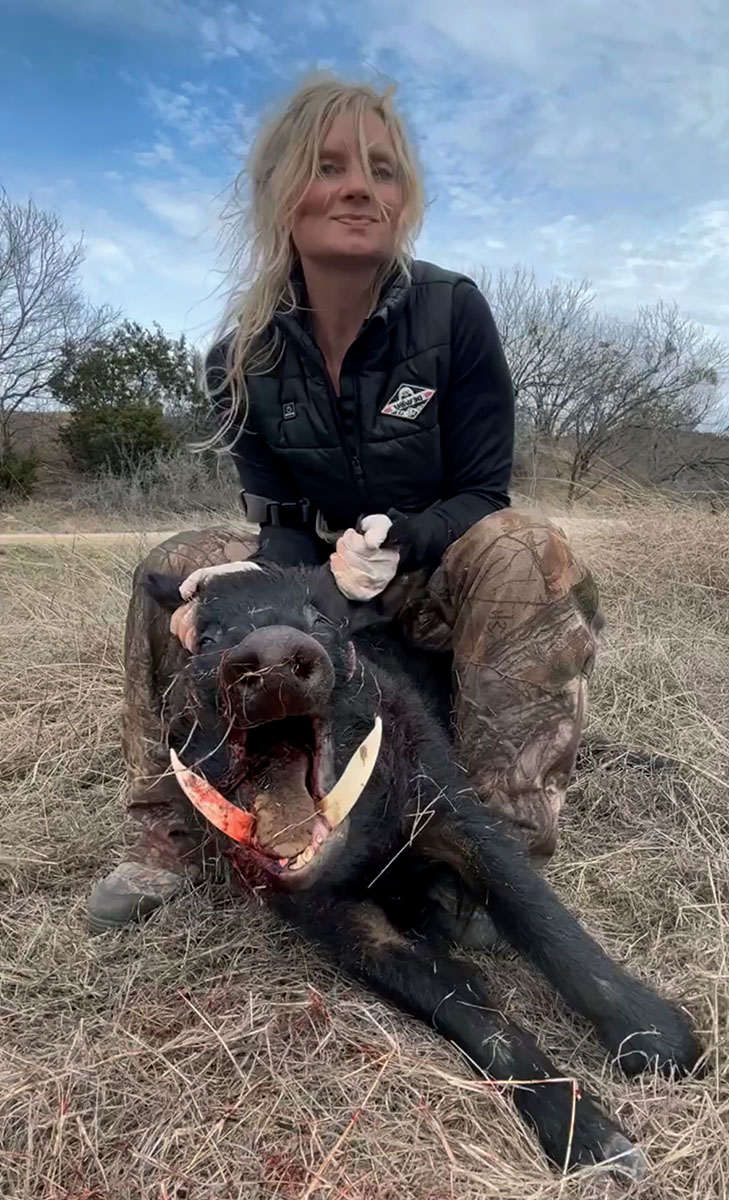
Aaron is very much into the use of thermal optics and has acquired some excellent equipment over the years. When I displayed a lack of enthusiasm based on my one experience with thermal optics a dozen or so years earlier, Aaron walked me through his state-of-the-art gear, showing me the improvements in technology. I was impressed! Looking at some hunting videos taken by his two favorite students, (both of whom are young women he introduced to night hunting) the game has changed, both in technology and in hunting techniques. Under hunting pressure and during the hot summers, hog activity becomes increasingly nocturnal. Instead of venturing out pre-dawn or late afternoon to catch the change from dark to light or vice versa, we go out and stay the night in an area where we think the hogs are actively moving about. The optics see their body heat and presents them vividly in the scope. The rest, as always, is up to the shooter and as the photos show, Aaron’s protégés “got ‘er done!”
I didn’t get a chance to take a pig using one of Aaron’s fully-equipped ARs, but to quote Mel Gibson in his role as William Wallace, “That’s something we shall have to remedy!” What I did do, was take a handheld thermal optic to one of the pistol stands with my Ruger Flat Top 44 Magnum and spend some time getting acquainted with it. It struck me that this single piece of equipment could prove incredibly useful for both a morning or evening conventional hunt. In the darkness of pre-dawn, one could spot a pig’s heat signature in heavy brush and track his whereabouts until there was sufficient light to shoot. Conversely, if you shot a pig at last light and had to find him in the darkness, its body, dead or alive, will retain heat for quite a while, allowing you ample time to find him using the optic scope. Perhaps even more important, it will allow you to spot any live hogs that are out and about while you’re searching. Guess what I just added to my Christmas list?
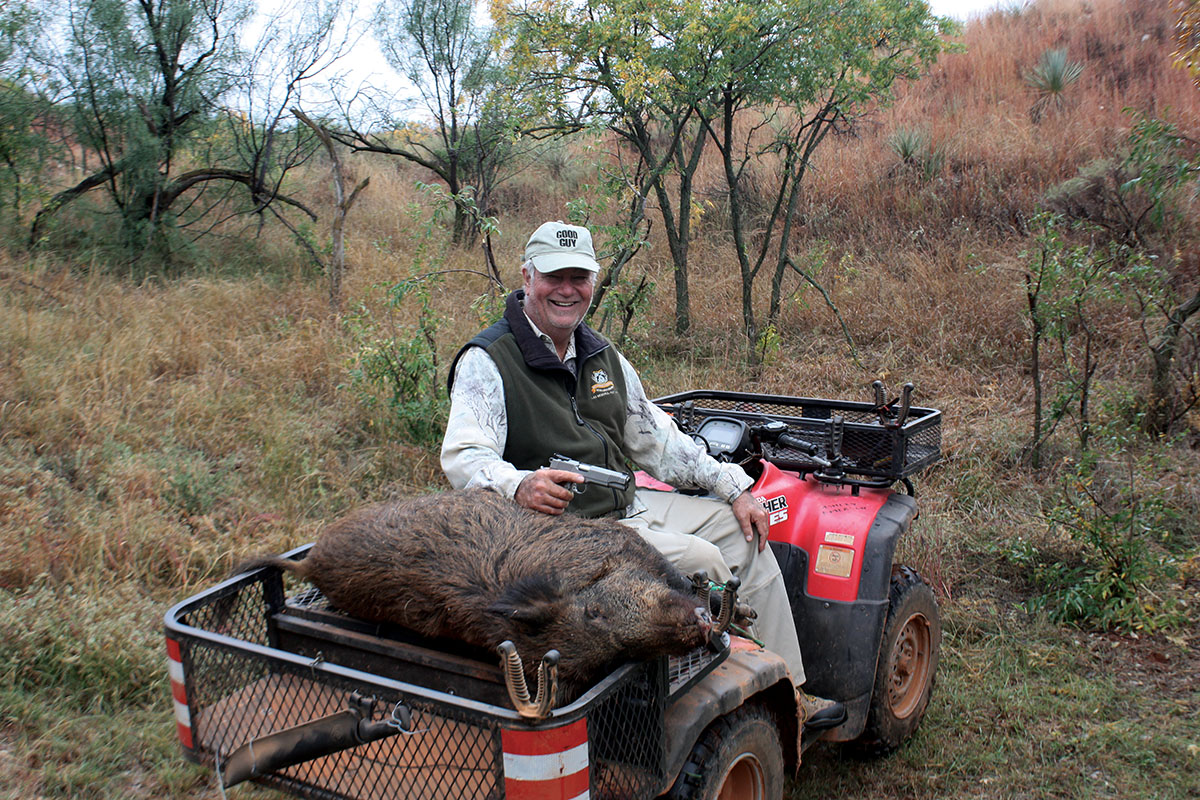
means a smaller trophy, and while big trophies look great hanging in your den, it’s the smaller pigs that generate big compliments at the dinner table. A boar’s skull makes a great trophy and is considerably less expensive to prepare than a full head mount. A good set of teeth makes the head or skull much more intimidating than a good set of antlers on a deer. I’ll admit that the end result is not as beautiful as a trophy Whitetail or Mule deer, so you may have to get creative when you tell people the story of your hunt!
By now, you probably guessed that I like hog hunting and I have developed a healthy respect for these animals over the years. I won’t state aloud that hogs are today’s equivalent of deer hunting for fear of provoking screams from my deer hunting friends that “It’s like comparing apples to elephants!” I’ve mentioned some of the benefits and will close by simply suggesting that if you haven’t tried hunting wild boars, you are missing out on a good thing.