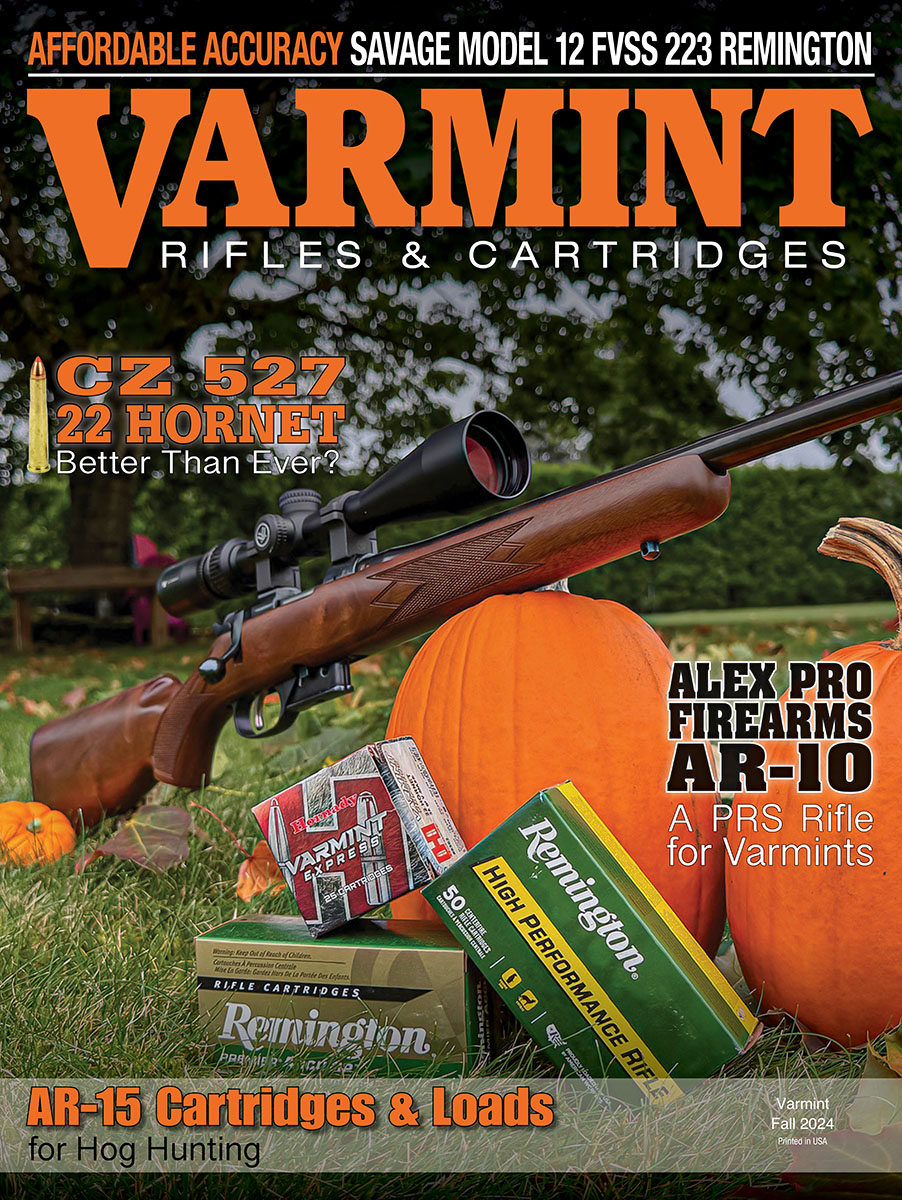
The 22 Hornet
Better Than Ever?
feature By: Zak May | October, 24
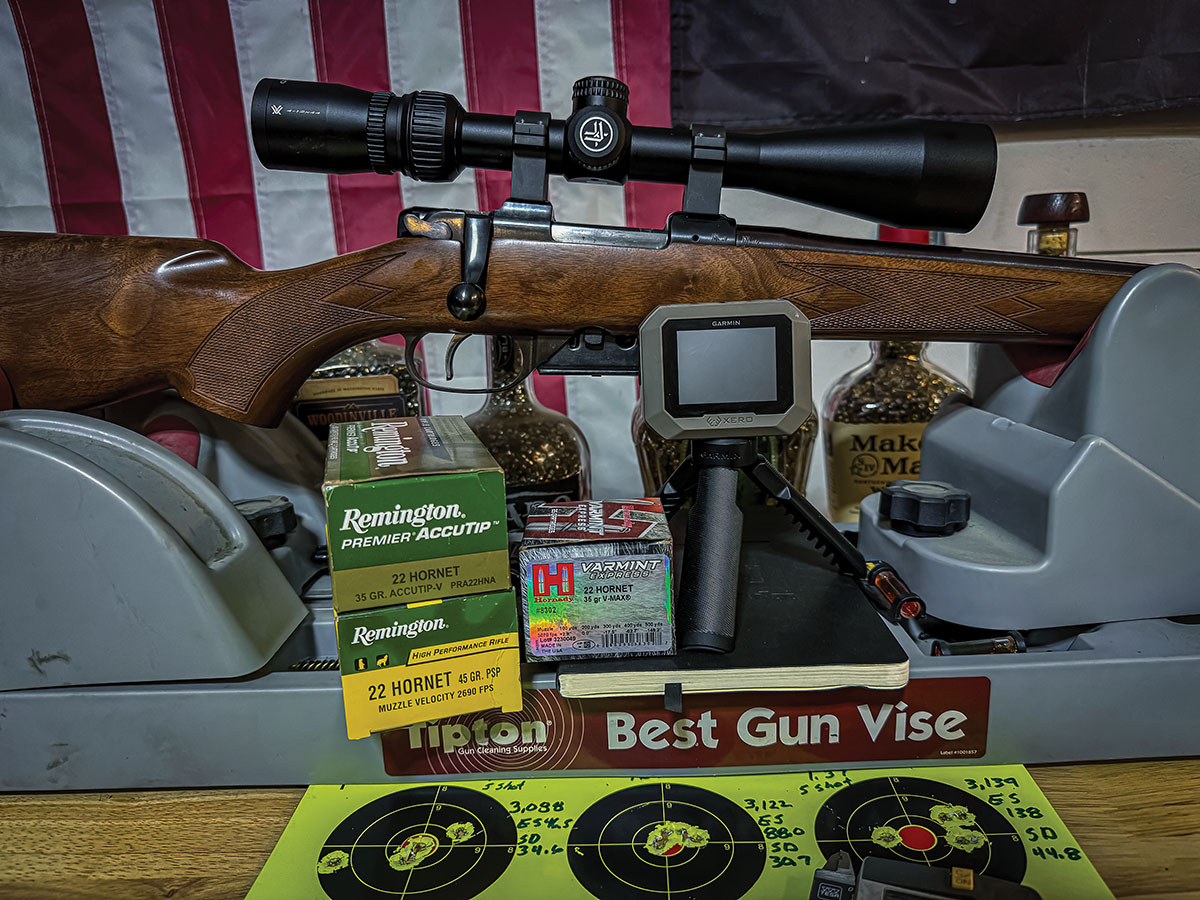
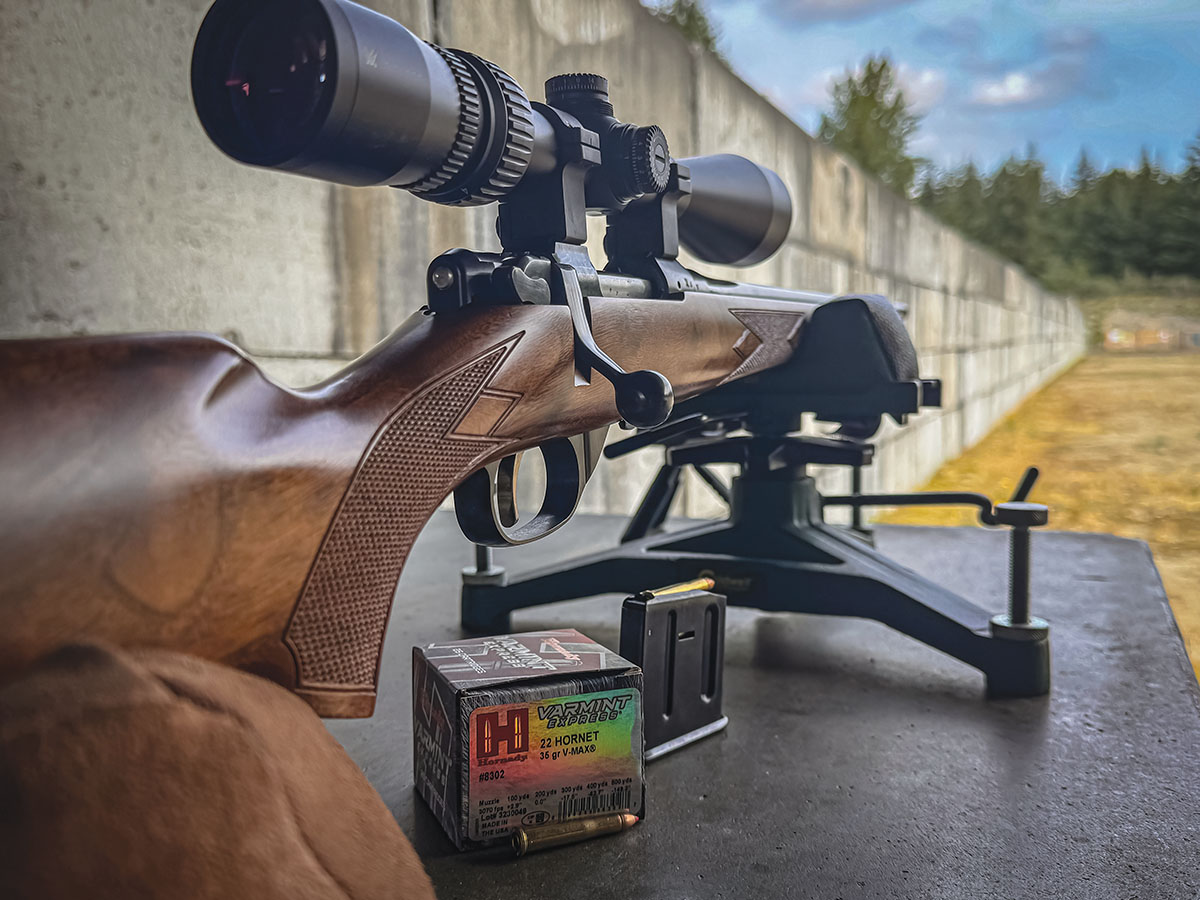
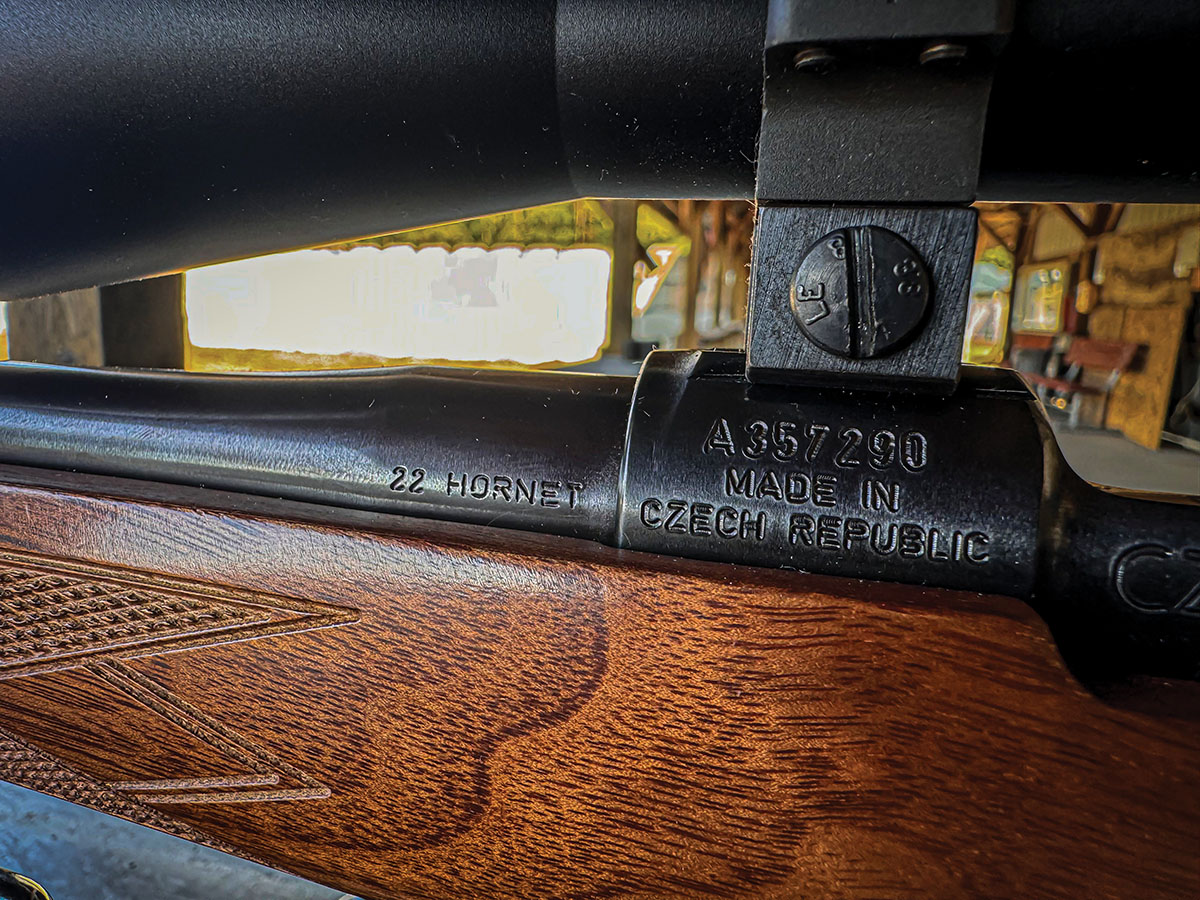
The 527 is a well-built rifle with a lot of excellent features that shooters like on a rifle. The CZ 527 has a detachable five-round magazine, cold-hammer-forged barrel, integrated 16mm dovetails for mounting optics, two-position safety and my favorite part of the rifle is the single-set trigger. The trigger works as a standard single-stage trigger that’s adjustable, but also as a single-set trigger by pushing the trigger forward until it clicks. Then, it’s a lightweight single-stage trigger. It works great for target practice or making prairie dogs take a dirt nap. The 527 is also light for carrying around the woods, looking for that squirrel to jump from branch to branch. The rifle weighed in at just under 6.5 pounds with no optics.
The optic I chose to use was a Vortex Copperhead 4-12x 44mm scope with a Dead-Hold BDC (MOA) reticle with a 1-inch maintube, with a weight of 15.8 ounces. With the optic and rings in place the rifle weighs just over 7.5 pounds.
My one complaint is that the rifle does not come from the factory threaded for a muzzle brake or suppressor. These days, most rifle companies are threading barrels as they follow the trend to lessen recoil and help with hearing protection. As for the rifle’s functioning, now and then, the gun would fail to feed the first round out of the magazine properly and cause a jam. As it would not do it every time, I don’t know what was causing the problem, but it was enough to be annoying while on the bench during testing and for me to make a note about it.
The 22 Hornet has an exciting history. It’s loosely based on the black-powder 22 WCF (Winchester Center Fire) cartridge that was introduced in 1885. The 22 WCF shot a .226 45-grain lead bullet going at speeds of 1,500 feet per second (fps). Meanwhile, the 22 Hornet bullet is .224 diameter. It was for taking small game and appealed to varmint hunters. In 1894, Reuben Harwood improved the 22 WCF
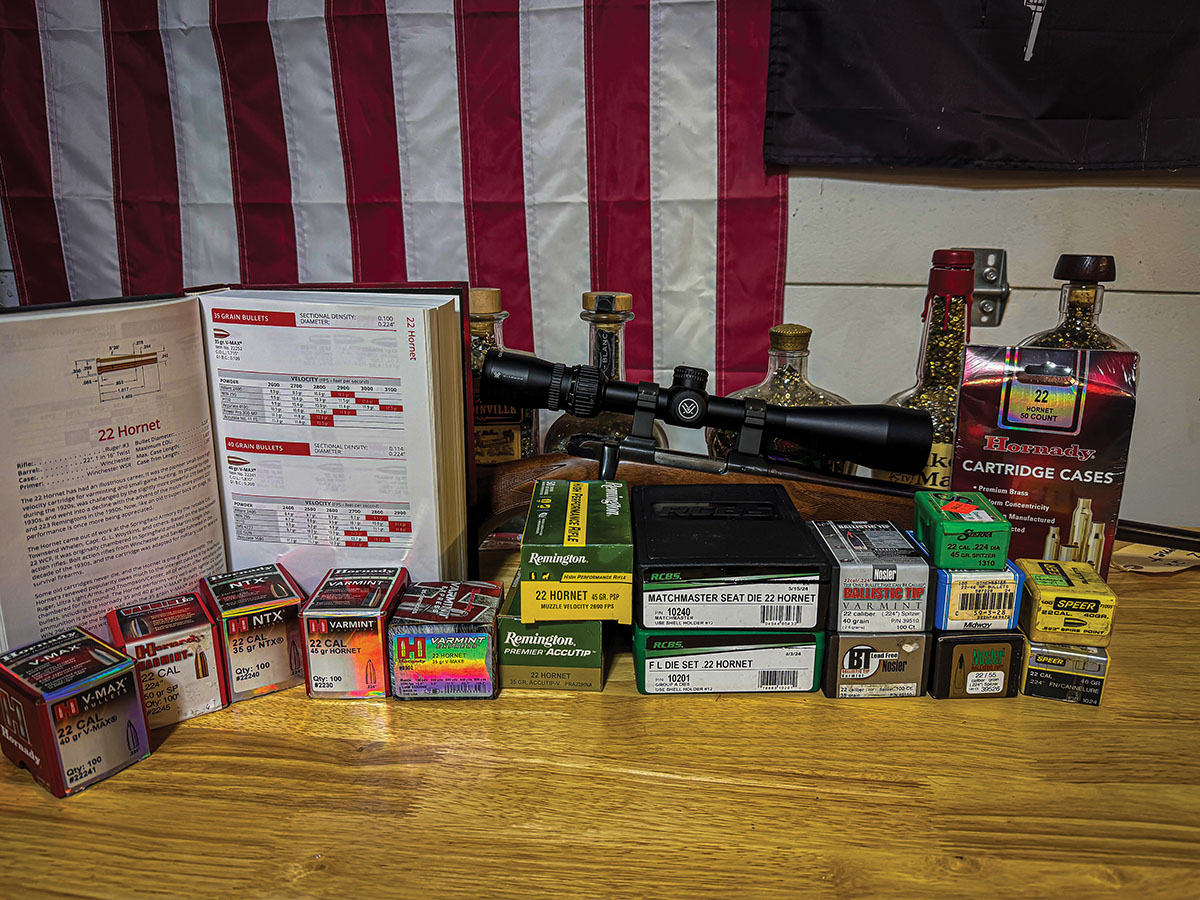
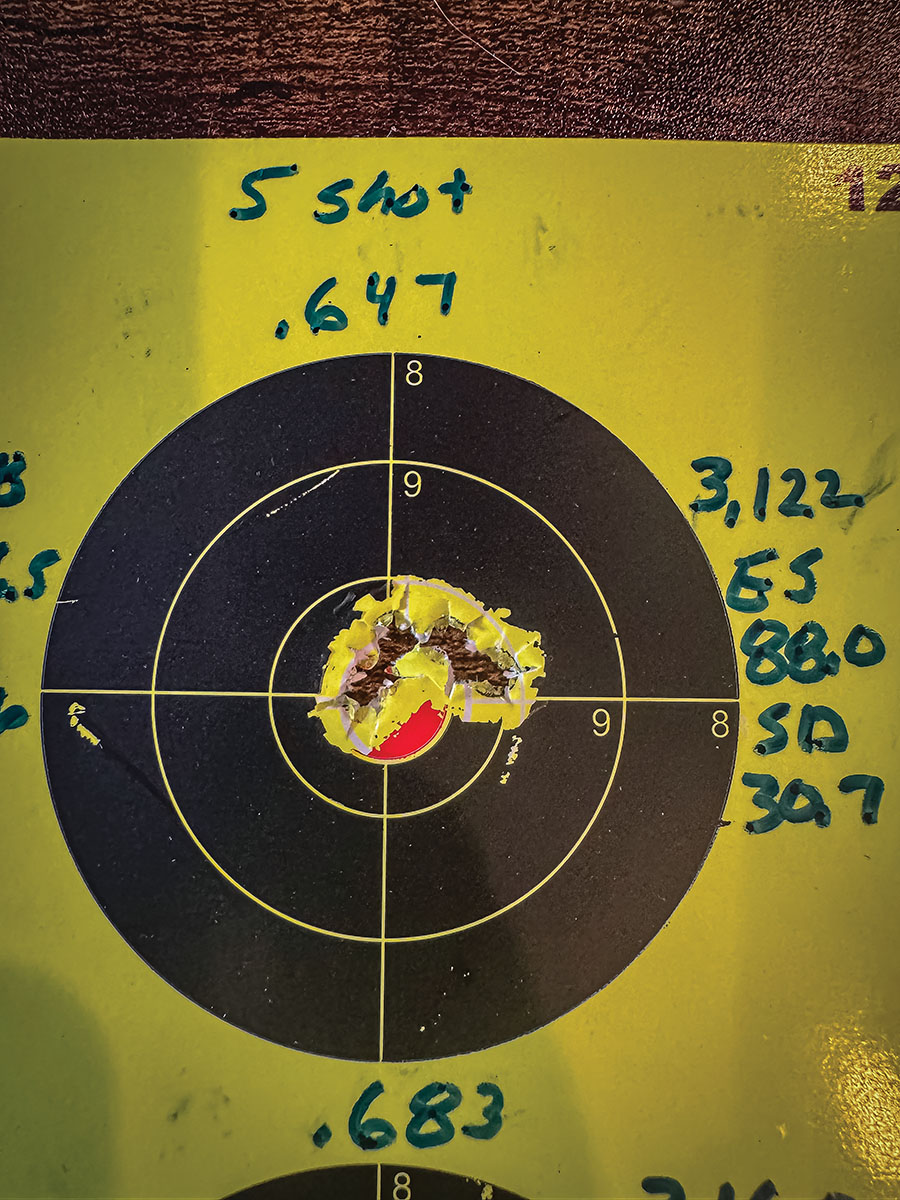
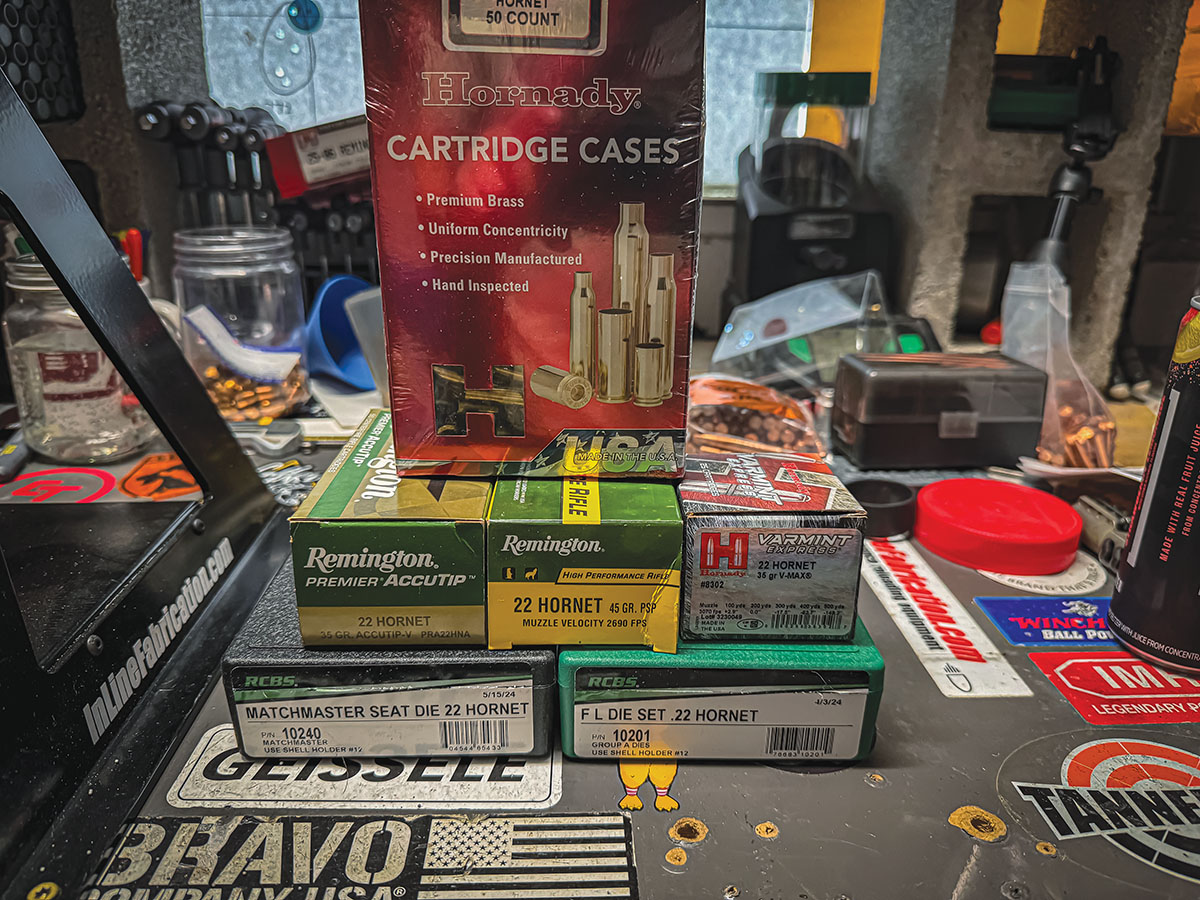
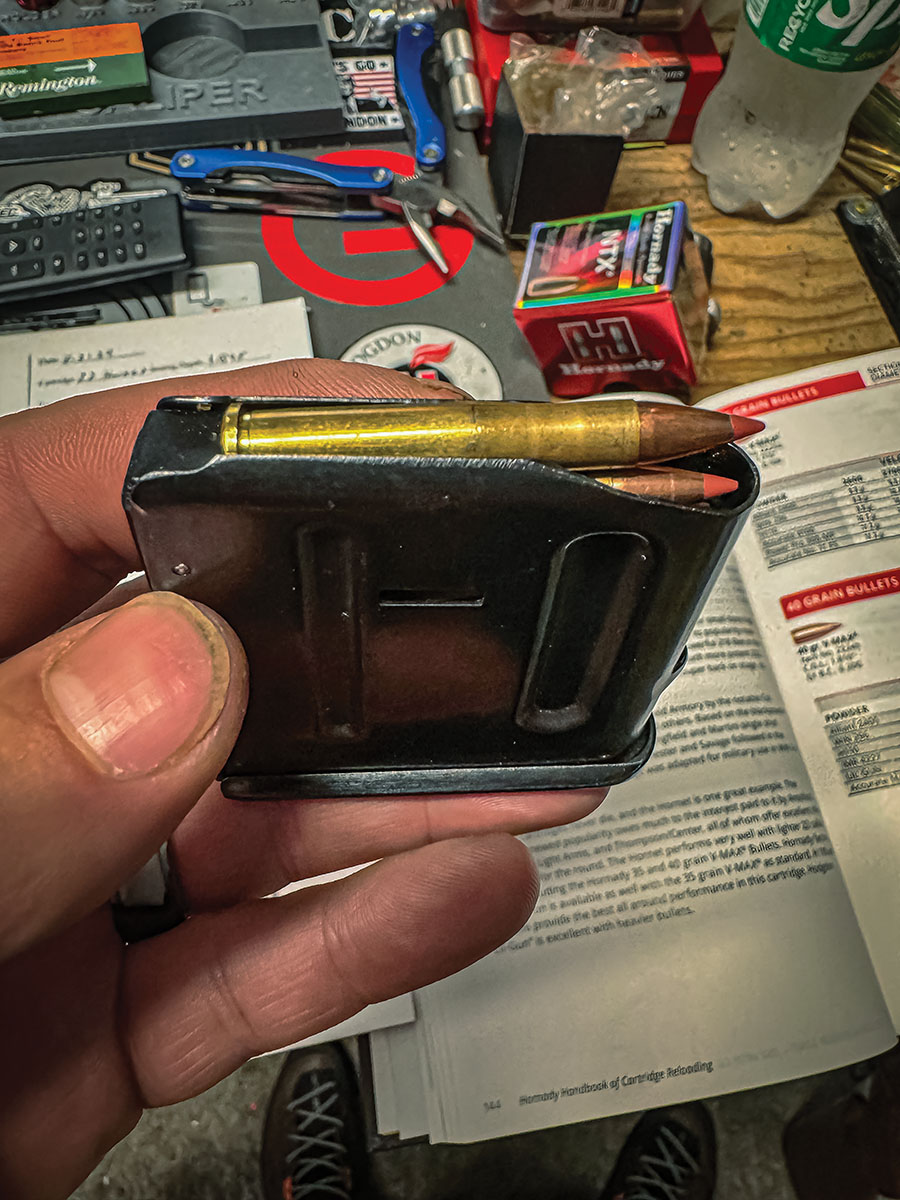
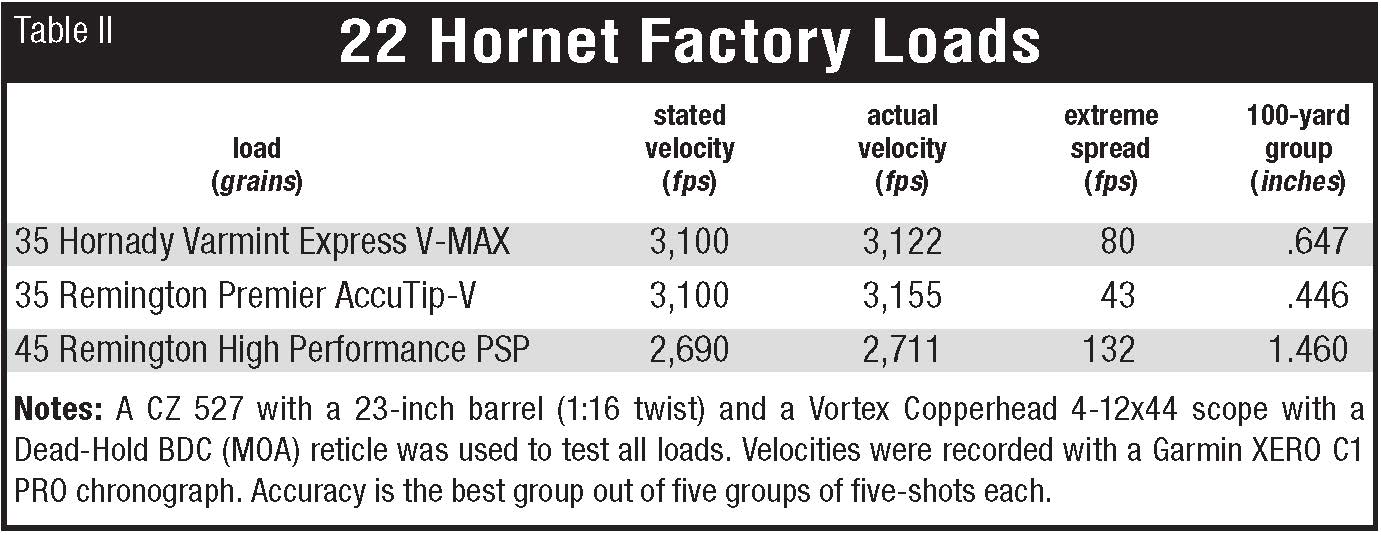
In 1940, Hornet factory ammunition was being loaded with jacketed softpoint and hollowpoint bullets, weighing 45 and 46 grains, with advertised speeds of 2,600-2,625 fps, along with chambered pressure between 38,000 to 40,000 pounds per square inch (psi). Factory ammunition these days is mainly loaded with lighter bullets like the Hornady V-MAX 35-grain bullet and the Remington Premier Varmint AccuTip Polymer 35-grain bullet. Both these options shot well out of the CZ 527 and both also stated that the box muzzle velocity is 3,100 fps. A heavier factory option is the Remington High-Performance Rifle pointed
One of the cool things about the 22 Hornet is that it was adapted for military use in World War II as a survival firearm. It was used in a bolt-action rifle known as the M4 survival rifle with a collapsible stock and ammunition loaded with a softpoint expanding jacketed bullet. Another interesting military rifle was the M6 Aircrew Survival Weapon, it had two barrels in an over-under configuration. The top barrel was chambered for 22 Hornet and the bottom barrel was chambered for .410 bore, a unique and interesting concept.
The 22 Hornet is an excellent intermediate varmint cartridge between the 22 Long Rifle and the 223 Remington or even the new 22 ARC (Advanced Rifle Cartridge), all of which still shoot a .224-caliber bullet.
Premium varmint 223 Remington factory ammunition cost is about the same per round as 22 Hornet. The availability is better for 223 Remington and is easier to find in local gun shops. However, the 22 Hornet is widely available on online retailers.
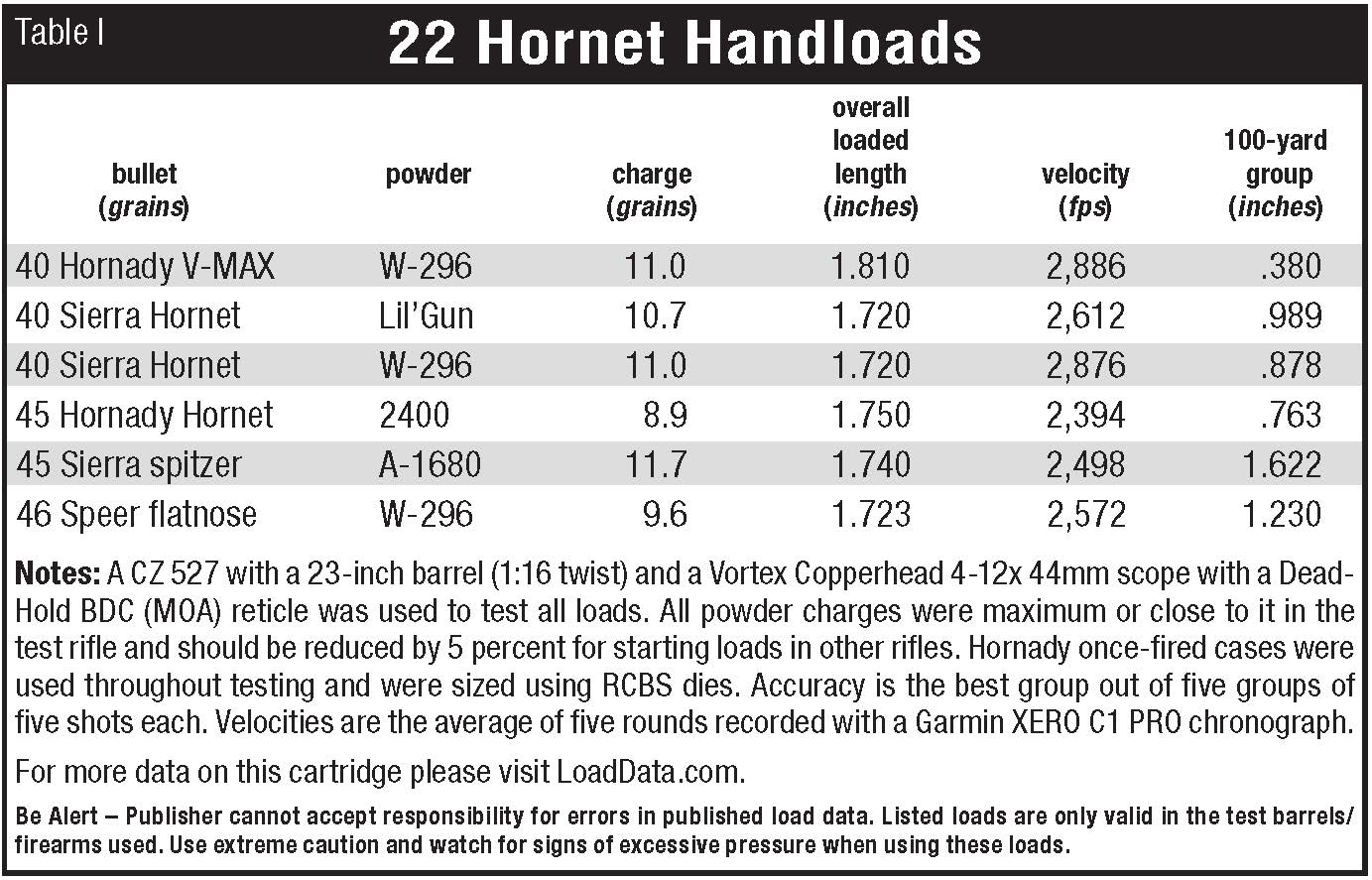
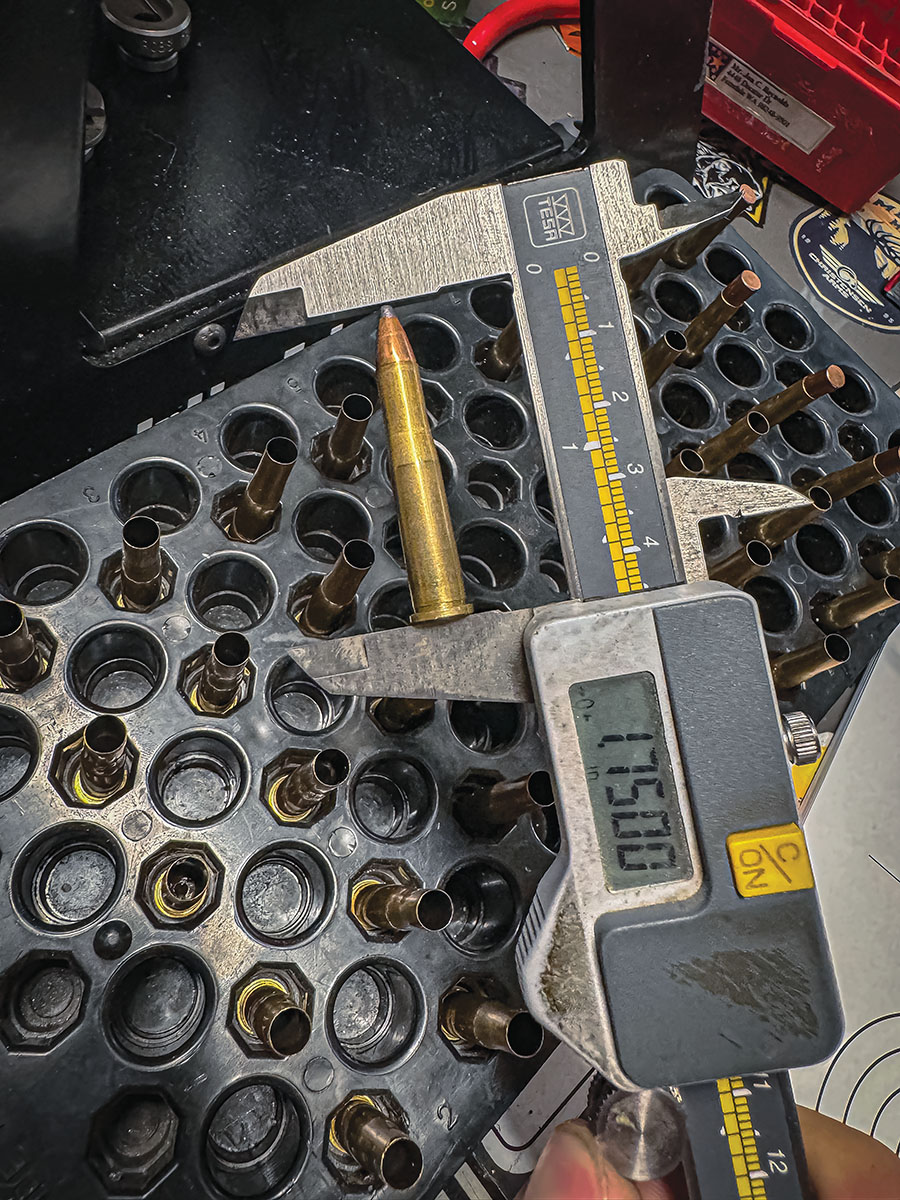
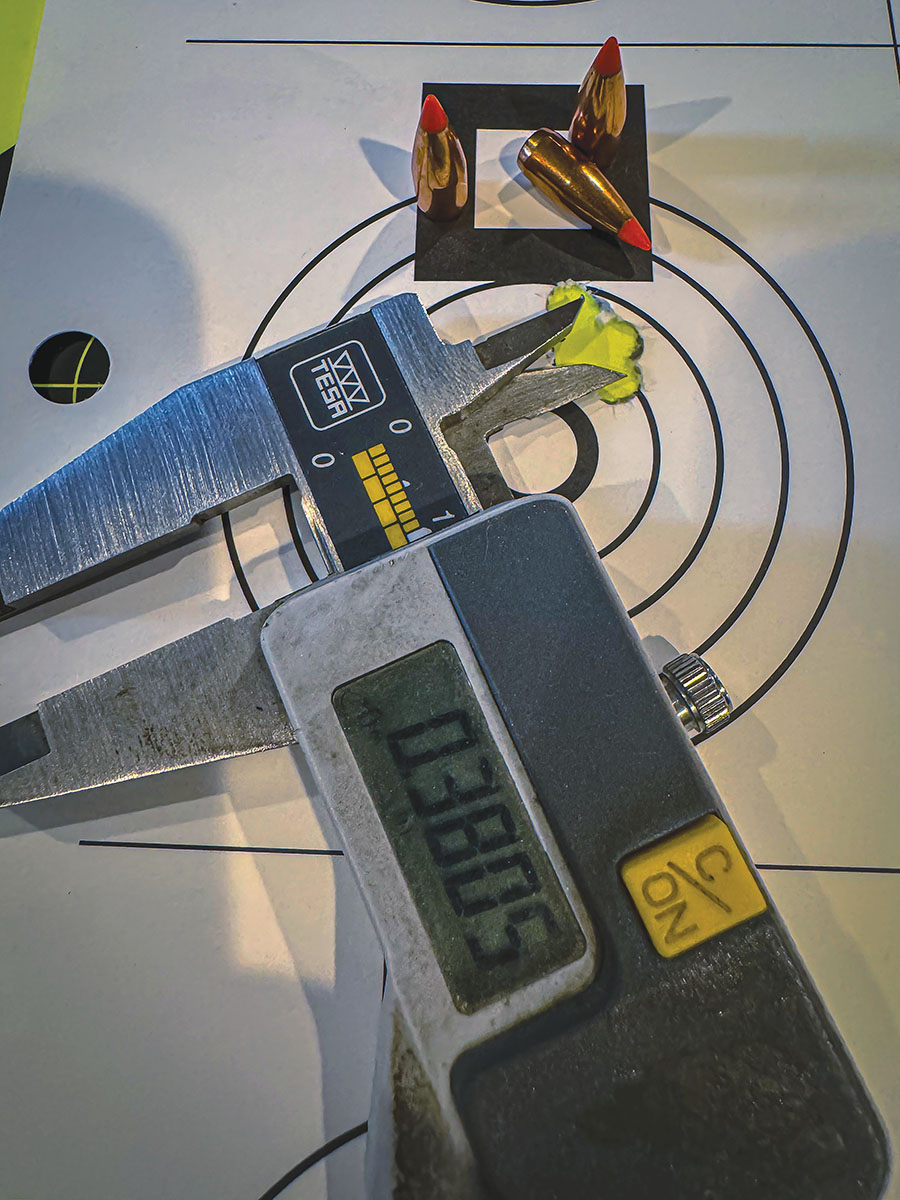
Let’s talk handloading, as the 22 Hornet can be a picky cartridge to load. Starting with brass prep, I achieved better accuracy by neck sizing brass instead of full-length sizing. That is the case for most rimmed cartridges as they headspace off the rim, like 30-30 Winchester or 303 British. Another thing to get the most accuracy out of the rifle is to sort brass by rim thickness. By doing that, I was getting fewer flyers in my groups. A few other vital things are trimming all brass to the same length every time and keeping a light chamfer on the month case as the brass is thin on the neck.
I achieved the best results regarding primers with Remington 7½ Small Rifle benchrest primers. I also tried CCI along with Federal, but the performance was not quite as good as the Remington primers in regard to standard deviation and extreme spreads throughout testing.
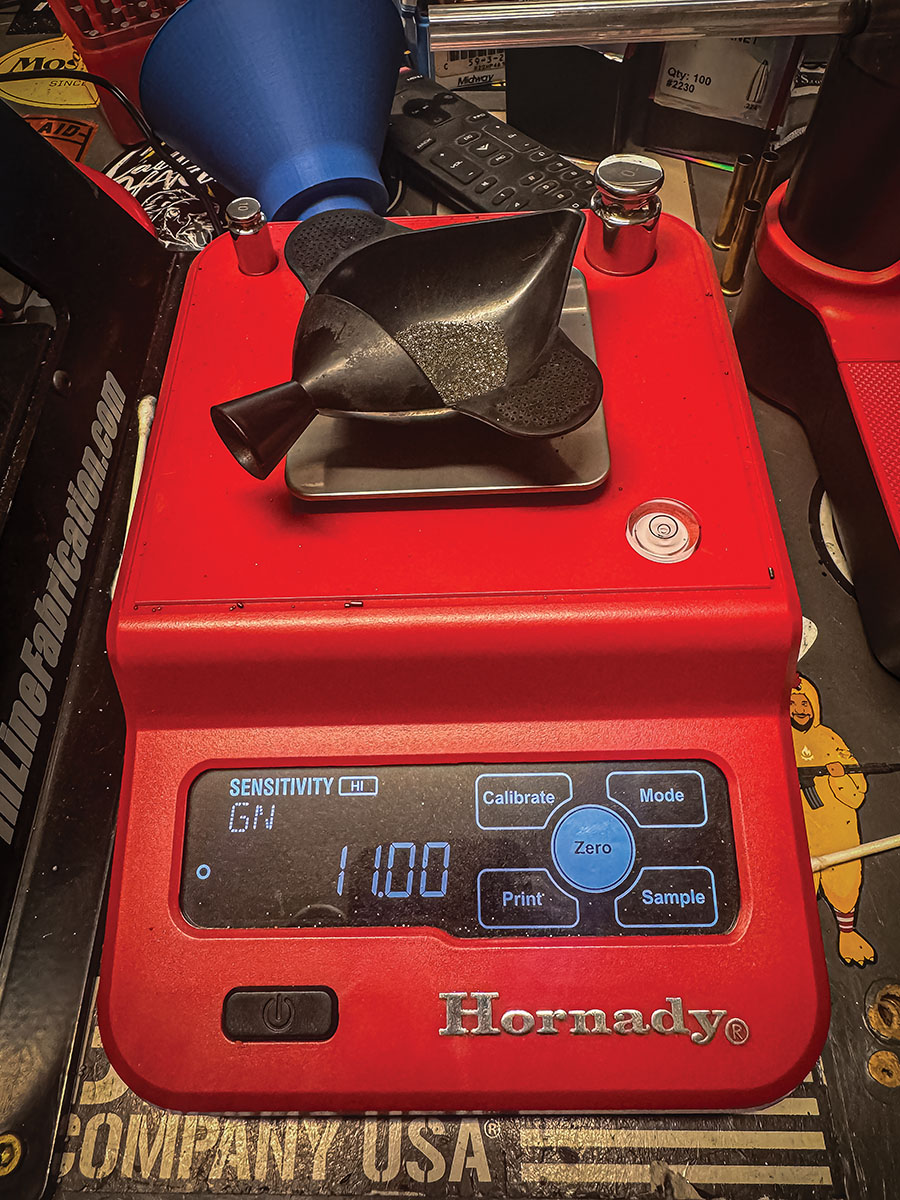
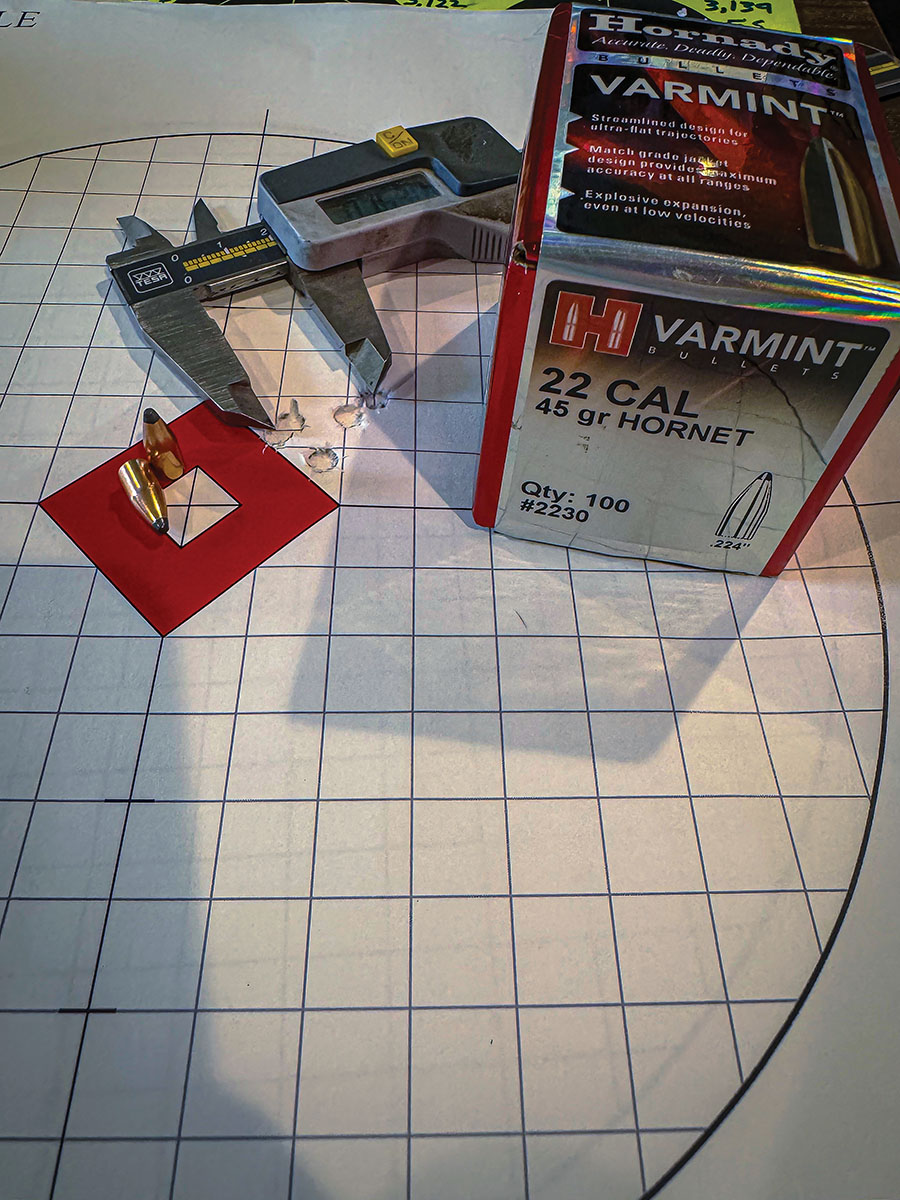
For bullets, the Hornady V-MAX has become my go-to for varmint hunting, as it is an easy bullet to load and performs as advertised. When it comes to bullet selection, I recommend using bullets weighing between 30 and 50 grains in weight as the standard twist-rate barrels are 1:16. The downside to being a 1:16 twist is that most lead-free bullets won’t stabilize. However, Barnes and Nosler have some lead-free options that should perform well. When it comes to powder, Alliant 2400, Winchester 296, and Lil’Gun are some great choices to start with.
Col. Whelen talked to some colleagues at Hercules Powder Company and got them to develop a new powder that they called No. 2400 because it could propel a 45-grain bullet at 2,400 fps when used in the 22 Hornet cartridge. If you are a handloader, you can load this cartridge relatively cheaply as it burns very little powder, about half of what the 223 Remington does.
Now, for the cons. I would have to say the biggest one is being restricted to shooting lighter bullets while shooting in heavy wind. The bullets just get pushed all over the place, especially past the 200-yard mark. This makes shooting wine bottle-size targets like prairie dogs difficult. Even coyotes, if you don’t put the bullet in the right spot, they can run forever, and you might never find it. Con number two, while factory ammunition is getting easy to find, it’s costly. It was $1.30 per round on average at the time of this writing.
Now, weighing those pros and cons, this is still a great little accurate varmint cartridge for its purposes. I hope to hand this rifle down to my kids and their kids for varmint hunting, as it’s a well-built rifle and a lot of fun round to shoot.
Over the years, the 22 Hornet has hung in there. Even with all the new calibers, it’s still a go-to for many varmint hunters. Many of the guys I hunt coyotes with still use it for their primary coyote rifle. If you have not tried one, maybe pick one up and give it a try. You never know, you might get hooked.