17-223 Remington
Simple Yet Effective Wildcat
feature By: Phil Massaro | October, 19
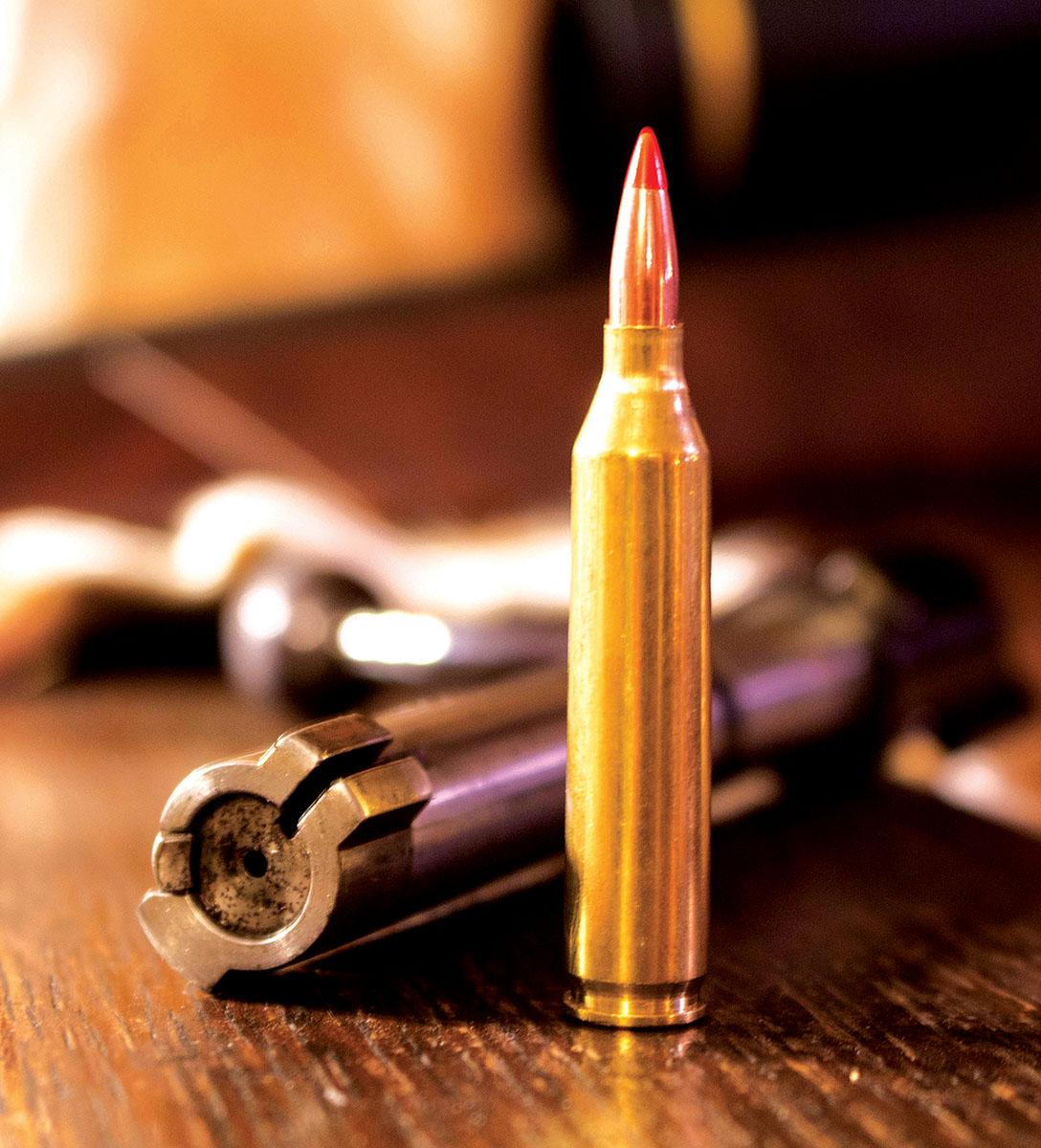
The .17-caliber cartridges date back over 75 years, with the famous gunsmith and cartridge developer P.O. Ackley having had a considerable part in their development. The first commercial .17-caliber cartridge was the 17 Remington, released to the public the same year I was: 1971. Based on the 222 Remington Magnum necked down to hold .172-inch diameter bullets, the 17 Remington was released in the Model 700 rifle and would drive a 25-grain bullet over 4,000 fps.
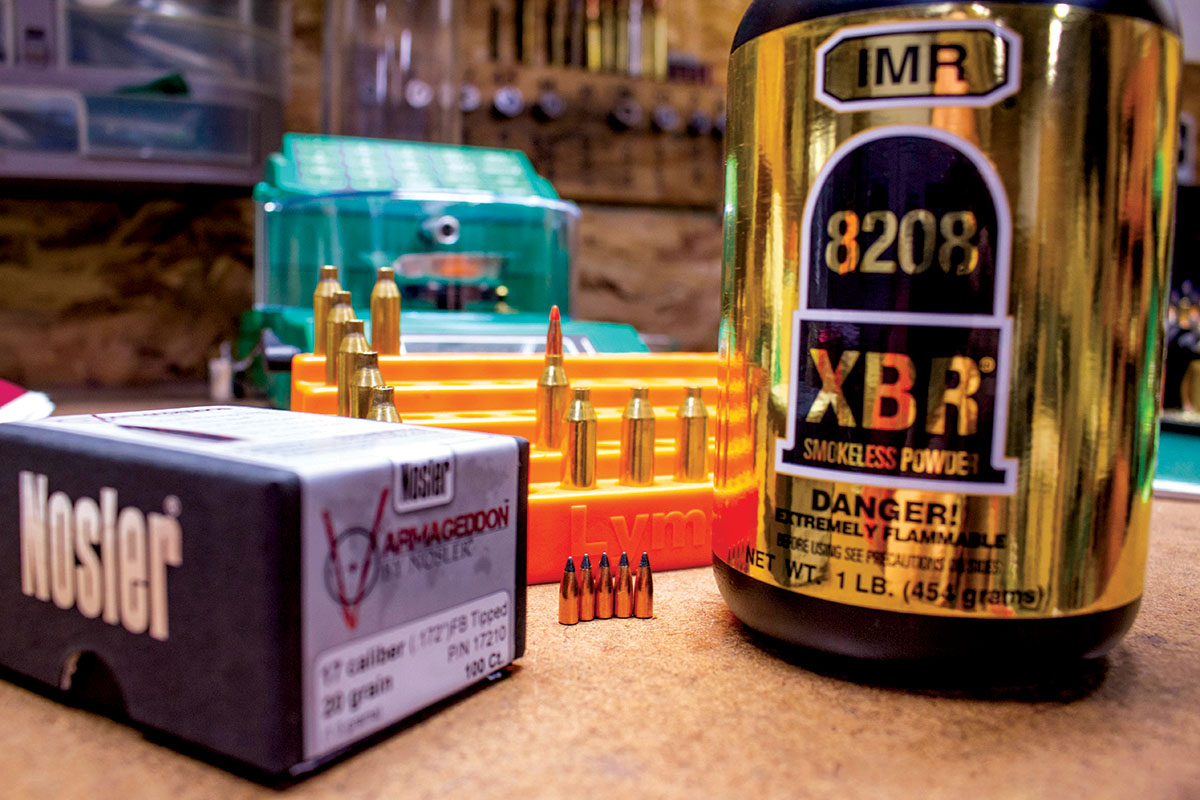
Though that cartridge remains at the top of the heap for the speedy “Seventeens,” there were others that would get a shot at glory; the 17 Hornet was an excellent design. Others would remain wildcats; one such cartridge was the 17-223 Remington.
The idea is simple; neck the extremely popular 223 Remington cartridge down to .172 inch, and let the chips fall where they may. The resulting cartridge maintains the same shoulder angle – 23 degrees – as the parent cartridge, as well as the same case length. Whereas the 17 Remington, which is based on the longer 222 Remington Magnum, has a case length of 1.796 inches – longer than the 223 Remington – because of the location of the shoulder and the length of the neck on the commercial case, the 17-223 wildcat has more case capacity.
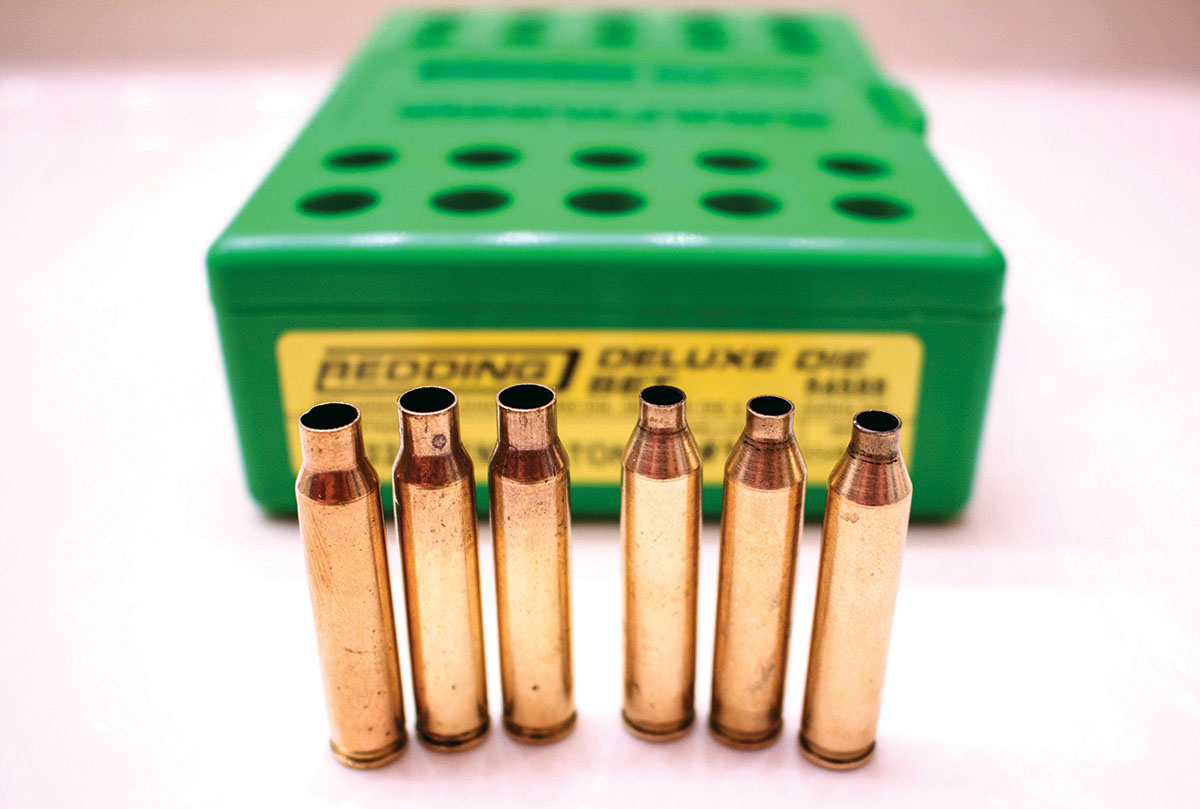
I grabbed a half-dozen fired cartridges of each type – Federal reformed 223 Remington cases for the 17-223 and some Remington cases for the 17 Remington – and measured them empty and then filled to the case mouth with water. The shorter 17-223 averaged a case capacity of 30.2 grains of water while the 17 Remington averaged 29.4 grains of water, giving the wildcat just a slight capacity advantage.
The 17-223 shares a rare distinction with the 22-250. While it is true that both cartridges were wildcats long before they had the Remington name attached, both cartridges also had factory-chambered rifles before factory ammunition was available.
Browning was chambering for the 22-250 in 1963, and Harrington & Richardson imported Sako rifles with the slick, smooth L461 action chambered for the “17-223” as labeled on barrels in the late 1960s and early 1970s. While it sounds silly to think that a company would produce a rifle for which no ammunition was available, this was an era of both experimentation and intense cartridge development, and all of the .17-caliber cartridges needed to be handloaded. As it turned out, a buddy owns not one, but two of these rifles and he needed some help with ammunition.
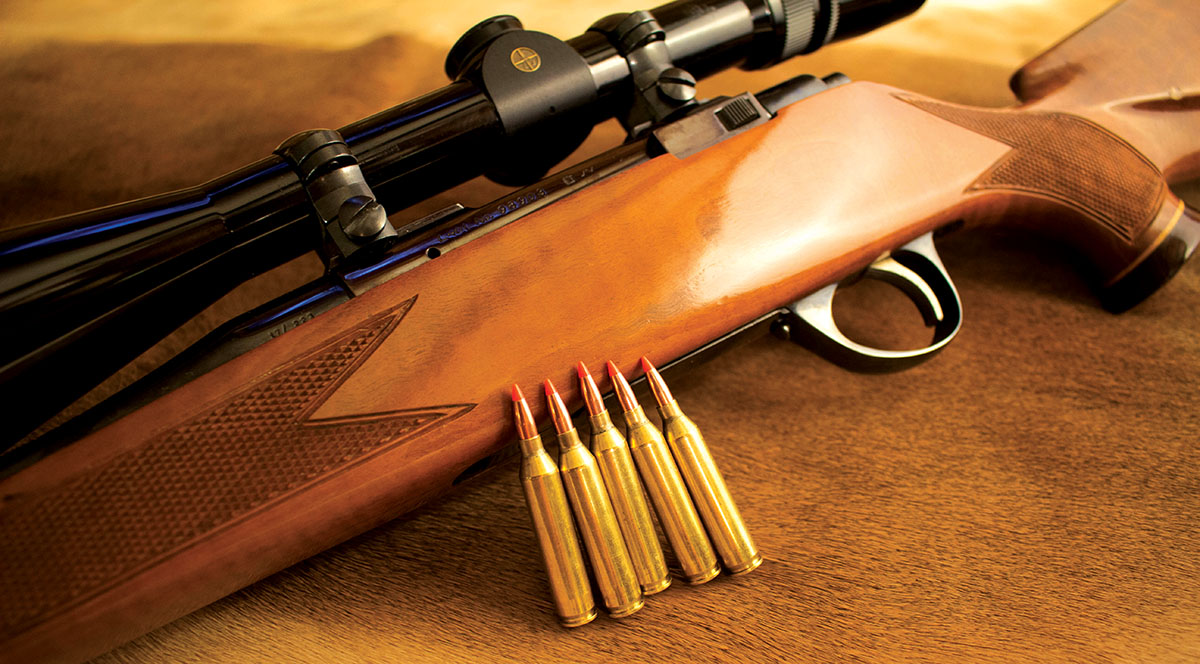
Just a bit about the rifles: The L461 action is prized among small-bore aficionados as a strong, petite and smooth action. In Finland, it was the basis of a series of Sako rifles chambered for 222 Remington, which were very popular. It is a push-feed design but with a fixed blade ejector with a groove cut into the bolt face. A two-position safety on the right side of the receiver slides fore and aft, and the adjustable trigger breaks crisply with little creep or overtravel. The receiver has a built-in dovetail on which to mount a scope, and the 20-inch barrels are devoid of iron sights. The magazine with hinged floorplate holds six rounds, and the walnut stock has a contrasting forend and pistol grip cap.
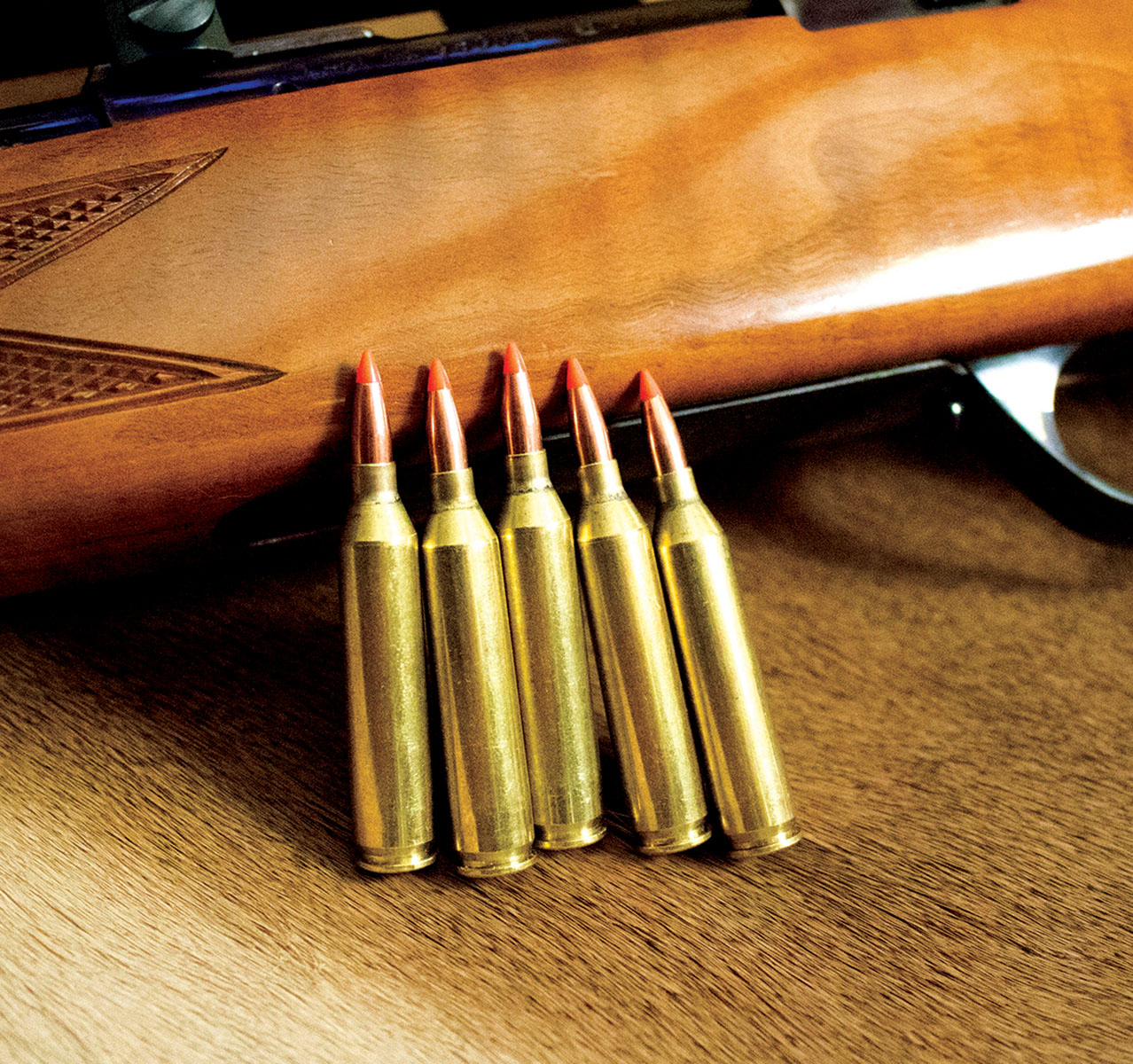
Two rifles were tested, one with a dark, smooth stock and the other with a lighter, checkered stock. The lighter-colored rifle is a Harrington & Richardson with a caliber designation of “17/223.” The darker-colored rifle has no other markings on the barrel other than “17 CAL” in trawling letters, though it does bear the H&R recoil pad. I suspect the latter rifle may have been re-barreled from 222 or 223 Remington, though I can’t prove that. These details are notable simply because there are a good number of these H&R/Sako rifles on the market.
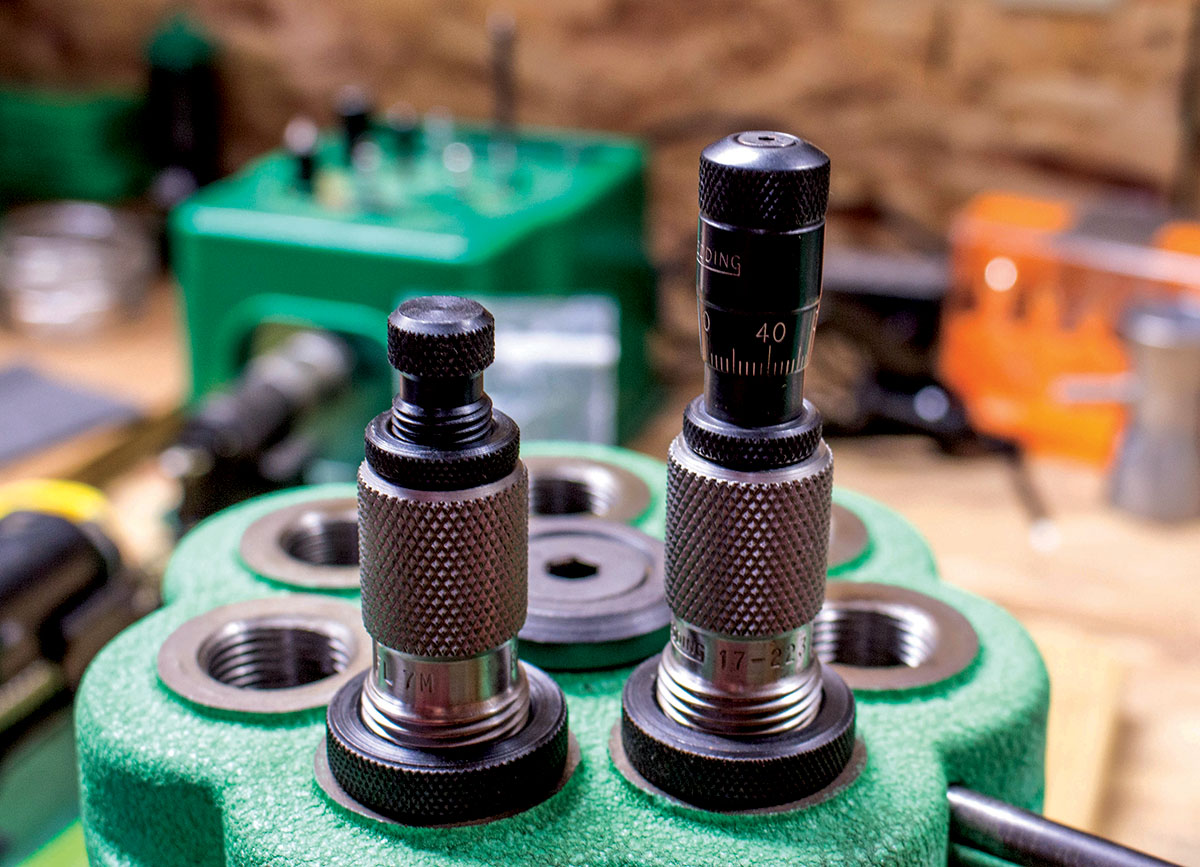
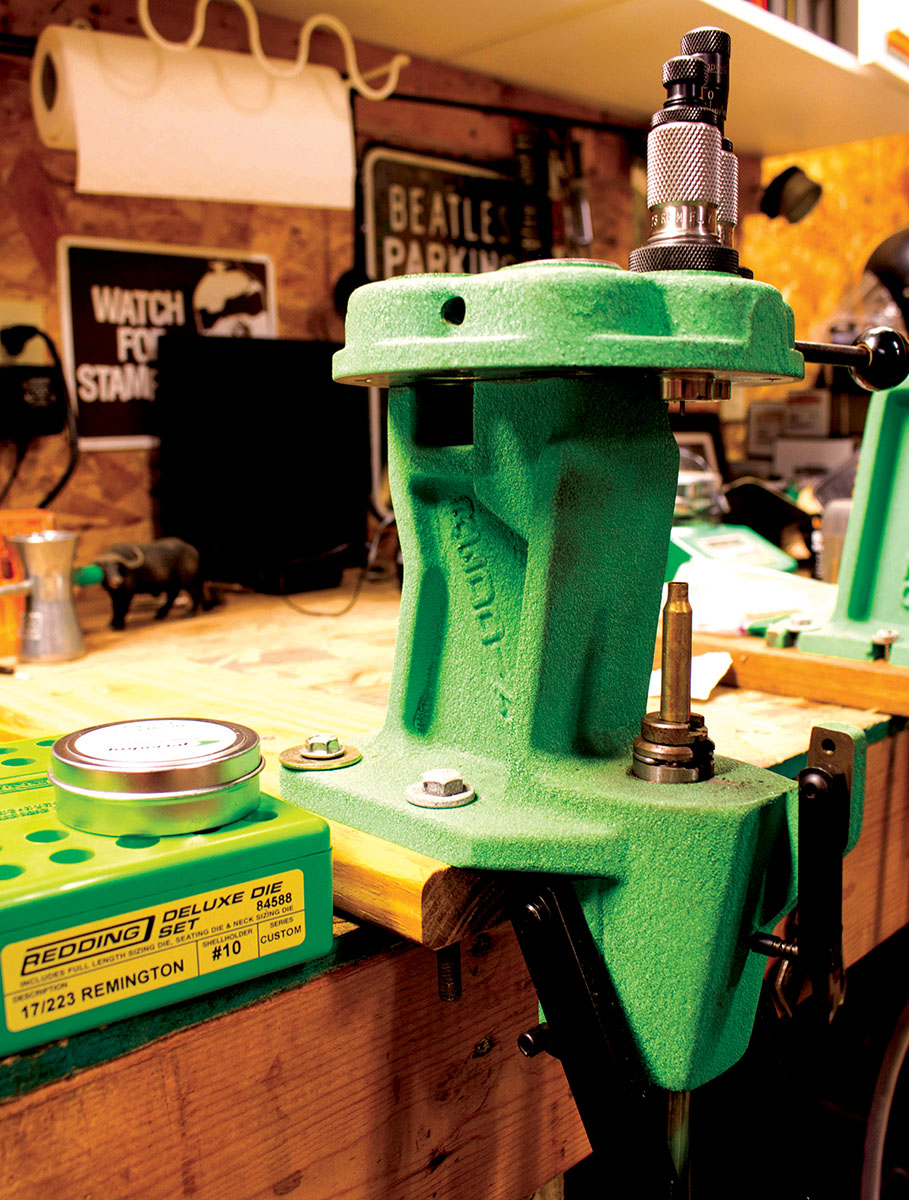
The first thing we had to do was find brass for the brace of 50-year-old rifles, so I immediately procured a set of Redding dies for the 17-223 Remington; one pass through the resizing die and 223 Remington brass is easily converted to the wildcat cartridge. The neck of the 17-223 is rather short, and you lose a bit of length in the resizing process, but not so much as to affect accuracy. With just a bit of Imperial Die Wax on the case body and some Imperial Dry Neck Lube on the neck and mouth, properly formed cases were made with one pull of the press handle. I just touched the case mouth on the trimmer to square things up then chamfer the case mouth.
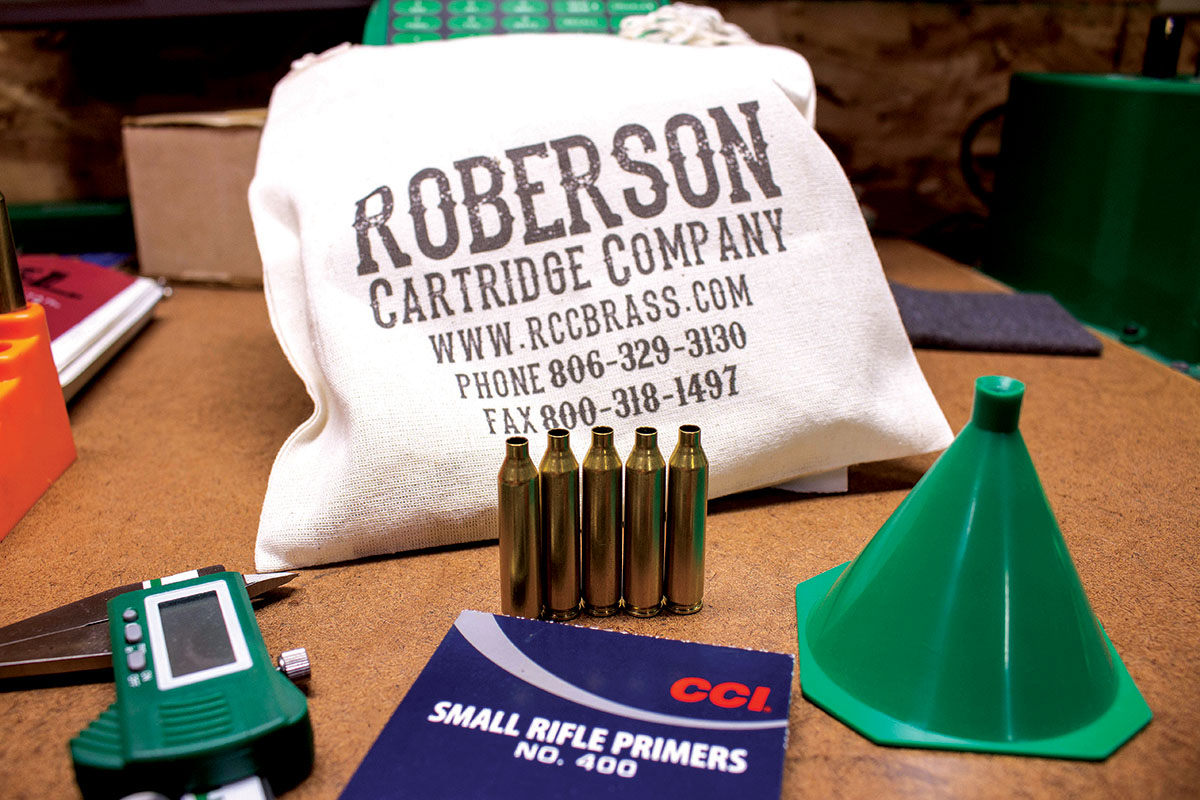
Should a handloader feel uncomfortable making cases, there are a couple of other routes to take. The first is to find a company like Reed’s Ammunition and Research, LLC, which will form cases for you; I believe primed cases are available for this cartridge for roughly $1.00/each. I ordered 50 pieces from Reed’s, and it turned out to be excellent. The other resource available is Roberson Cartridge Company (RCC). Roberson turns each case on a CNC lathe to provide a uniform set of cartridge cases, and because everything is computer driven and cut rather than drawn, RCC can make absolutely any cartridge with a proper headstamp. In this particular instance – it has not been my experience with other cartridges and brass I’ve gotten from RCC – the 17-223 brass had a case capacity two full grains lower than the Winchester or Federal converted 223 cases. This is surely a result of thicker case walls; however they were extremely uniform.
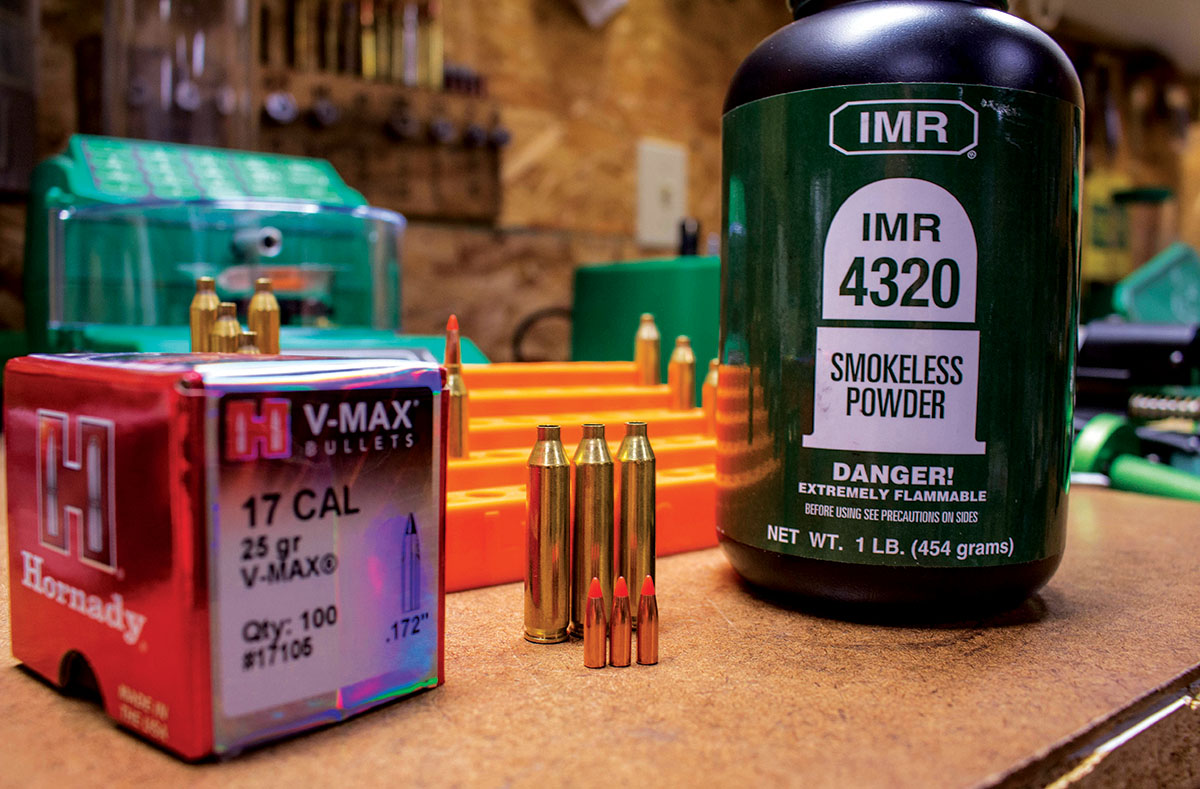
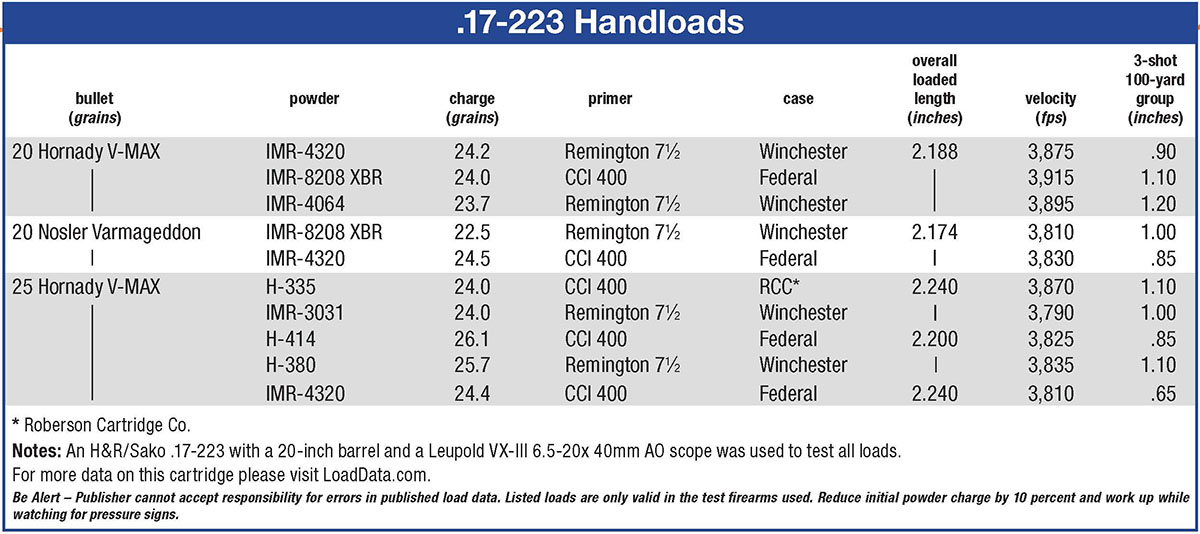
Like the 17 Remington, the 17-223 is sparked by a standard small rifle primer. I like CCI 400, Remington 7½ and Federal GM205M Gold Medal Match primers because they provided the best results in this cartridge. For powder choices, the 17-223 proved to be a very flexible cartridge that accommodates quite a wide range of powders, from IMR-3031 on the faster side of the spectrum to H-414 on the slower end, including H-380, IMR-4320 and IMR-8208 XBR.
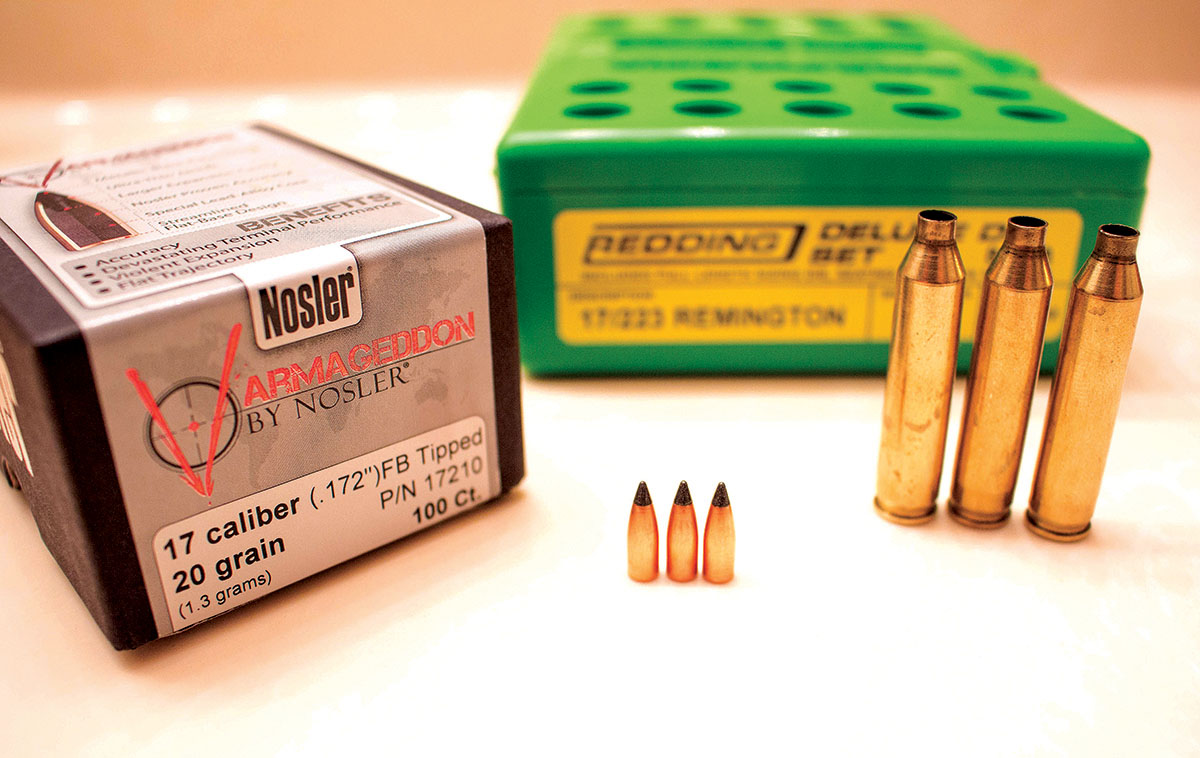
There is also a good number of projectiles available for the various .17s from Hornady, Nosler and Berger. Hornady offers the V-MAX and Z-MAX in the 20-grain weight, and the V-MAX in 25 grains as well. Nosler’s Varmegeddon is available in both traditional hollowpoint and in the tipped variety, both at 20 grains. Berger Bullets – which at one point offered at couple of heavyweight bullets at 30 and 37 grains – only offers its 25-grain Varmint hollowpoint bullet, but it’s a good one. Interestingly, all of these component bullets are flatbase designs; I suppose the lightweight bullets, with their low Ballistic Coefficient values, lose their energy and velocity so quickly that the boat-tail doesn’t make a whole lot of difference.
With components gathered, I set off in search of data that could be trusted to start load development. Hodgdon Powder’s website lists data for this wildcat using a 25-grain bullet and five of the company’s powders, four spherical and one stick: BL-C(2), H-335, H-380, H-414 and H-4895. It also proved to be the only published modern data I could find. P.O. Ackley’s two-volume set offers a couple of loads, though they are more than a half-century old. There were a number of loads available on the various forums and chat rooms, but not unlike gas station sushi, I don’t trust them. I started out interpolating loads, basing them on the load data for the 17 Remington and working up.
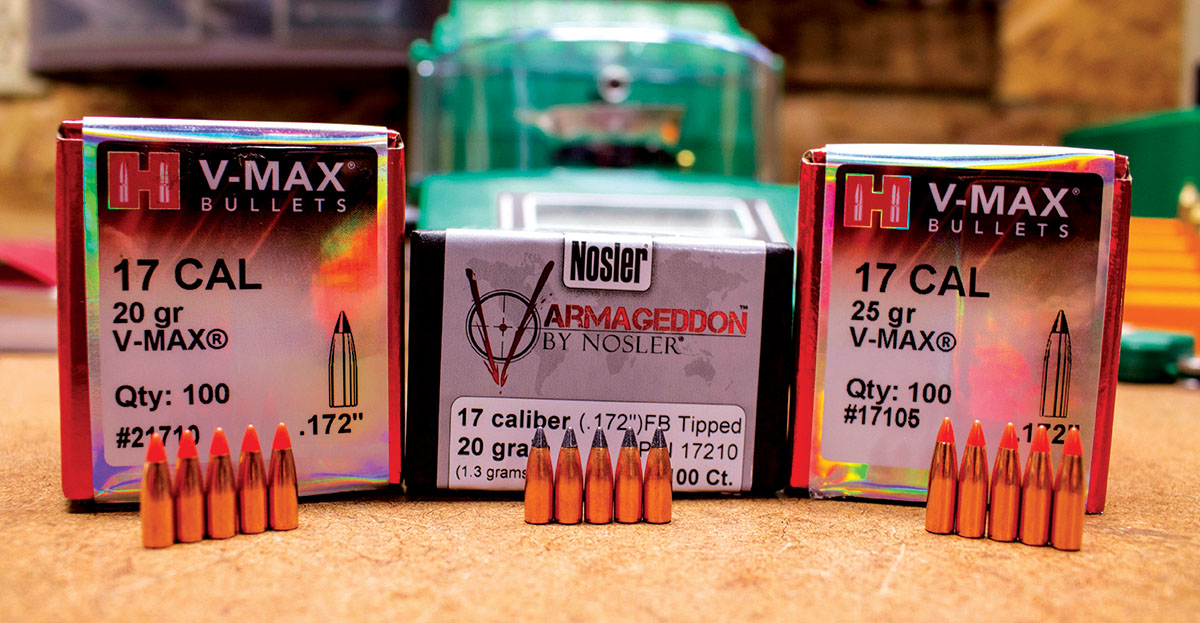
IMR-4320 has proven to be an absolutely wonderful powder in the 17 Remington, and the same is true for the 17-223 wildcat. I had very good accuracy from a load of 24.4 grains of IMR-4320 under a Hornady 25-grain V-MAX bullet sparked by a CCI 400 primer in a converted Federal case. While the three-shot groups averaged .65 inch, it was the best load found between the two rifles, and in comparison to some modern rifles it’s not exactly what folks would consider a tack-driver. Hodgdon’s H-414, IMR-8208 XBR and good old IMR-3031 all gave acceptable accuracy, but neither of these rifles gave eye-popping results.
I was honestly expecting velocities much higher than the readings I received. The 17 Remington can reach the 4,000 fps mark, but I couldn’t get there with these wildcat rifles and keep the primers in their pockets. The smaller internal volume of the 17 Remington will generate higher velocities with the same powder charge, and I would point to this fact, coupled with the 20-inch barrels of the H&R rifles, to explain the lower velocities. Nonetheless, velocities and accuracy generated are suitable for most hunting with a .17-caliber rifle.
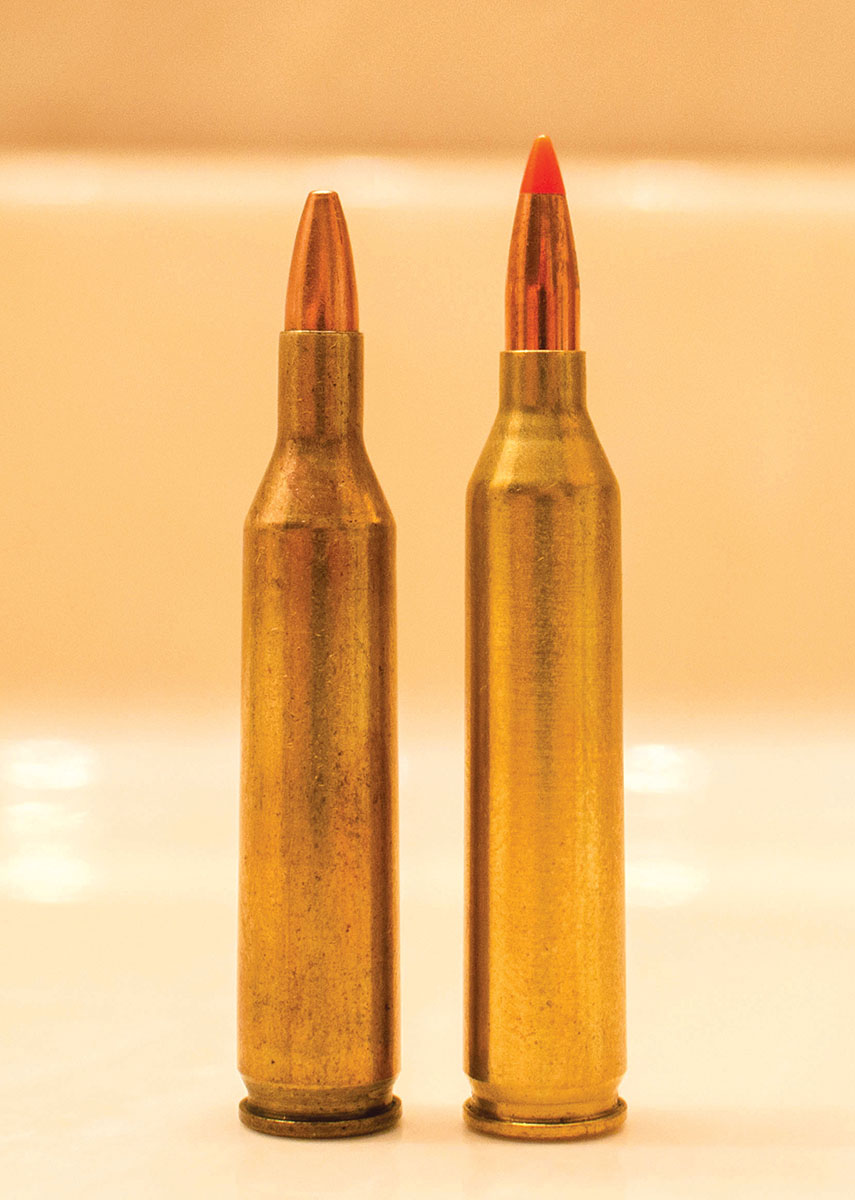
Both the 17-223 wildcat and 17 Remington cartridges have their unique issues: They heat barrels up very quickly – which can definitely pose an issue over a hot prairie dog town – in addition to fouling them just as fast. You’ll get the best results by cleaning the bore every 10 to 20 rounds, as well as keeping it cool. While they both have impressive muzzle velocities, their light bullets just don’t have the mass to keep momentum up out much past 400 yards. They also become very susceptible to wind deflection. Bullets available for .17-caliber cartridges are most definitely on the frangible side, and that’s okay. No .17 caliber is suitable for any animal larger than a coyote, and those frangible bullets will do all sorts of damage inside a furbearer without exiting and damaging the pelt. I think for the serious fox and coyote hunter whose shots are inside of 200 or 250 yards, the 17-223 could be wise choice, as there is plenty of time for the barrel to cool and there is plenty of energy within that range.