Bushmaster Firearms: the Varminter
A Trade I never Regretted
feature By: Rob Behr | October, 25
It’s surprisingly easy to forget there was a decade, not so long ago, when the Federal government actively tried to ban the AR-15 platform. Signed into law by Bill Clinton in September of 1994, the Public Safety and Recreational Firearms Use Protection Act restricted the production of firearms
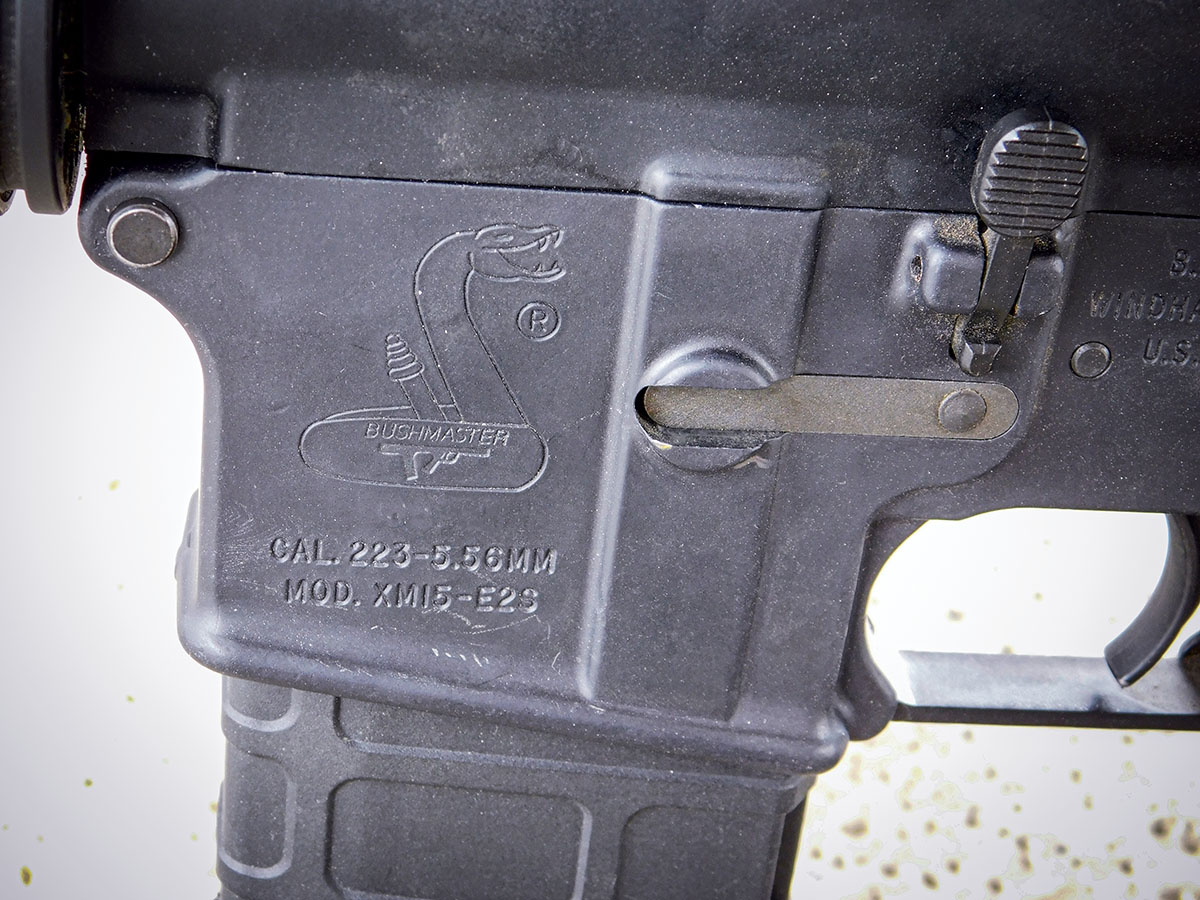
Where I fit in this argument, in the summer of 2002, was on the side of shooters and the AR-15. I also fit into a subcategory of shooters who were too poor to own an AR-15. In our current age, where AR-15s are the undisputed kings of firearms in the United States in terms of sales and public interest, $500 can buy a perfectly serviceable new rifle. In 2002, AR-15s were expensive, especially compared to roughly comparable rifles like the Ruger Mini-14. In short, I wanted one, but the extra money just wasn’t there.
What I have was a Cooper Model 21 Varminter in 223 Remington, a gift from my college roommate, Dan Pickett. He’d gone to work for Cooper Firearms in the late 1990s and had arranged an opportunity for me to join the company in the summer of 2001. It was wonderfully accurate, but like many of the early Model 21s it suffered from weak primary extraction and bent extractors to the point of uselessness on a regular basis. I liked it very much, but when a man came to the local range one Saturday afternoon in the early fall of 2002 with a new Bushmaster, it became trading stock for the exotic-seeming AR-15 varmint rifle.
The man arrived with the rifle still in its box, along with a scope already set into Picatinny rings, ready to be mounted. He also had a box of HSM 223 Remington ammunition. Compared to my wood-stocked Cooper bolt action, it could well have come from outer space. When it failed to meet the new owner’s expectations, he angrily offered to sell the rifle to Dan or me. A deal was struck, and he left with my Model 21, and I had my first AR-15. In case you may think I am a bad person for trading a gift, Dan endorsed the transaction and borrowed it several times.
The Rifle
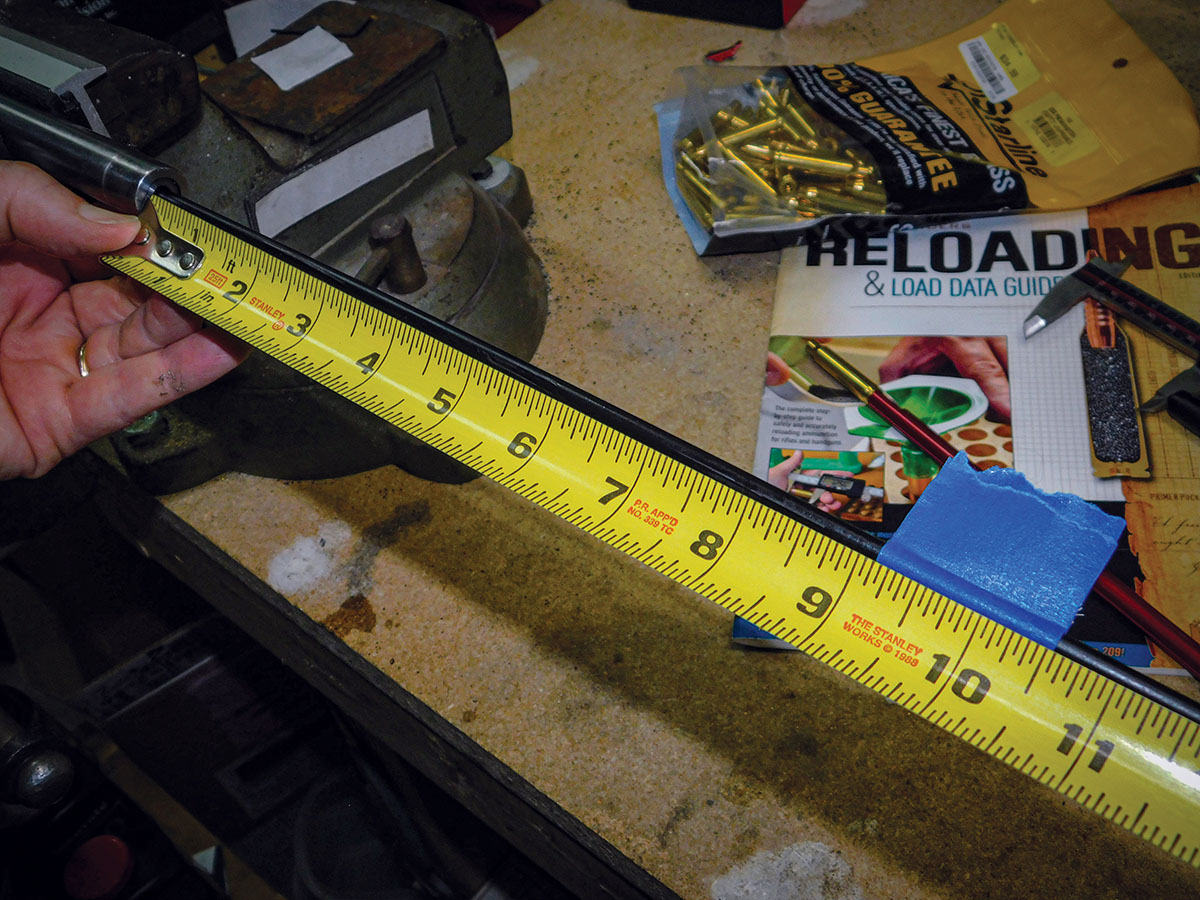
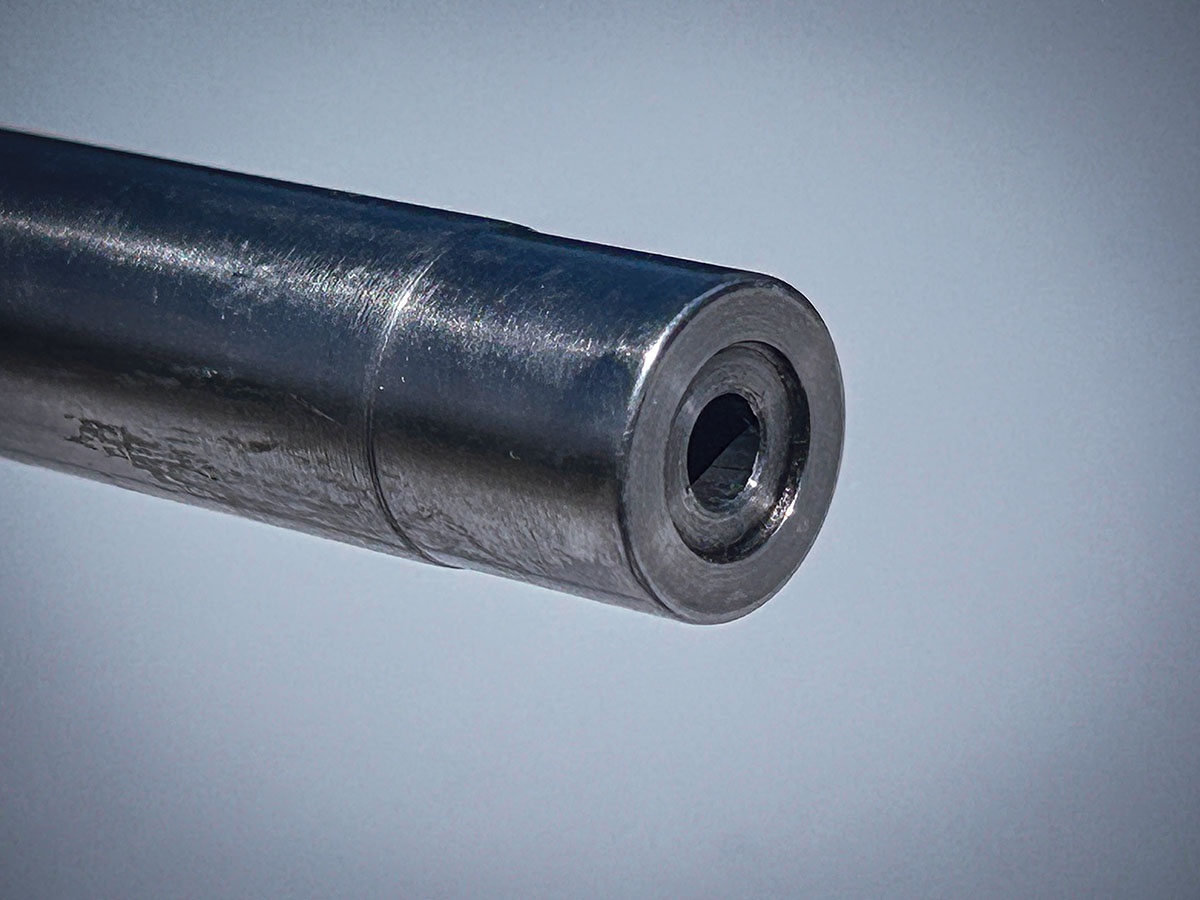
I was confident that the rifle had a 1:9 twist, but to be sure, I ran a tight-fitting patch from the muzzle and marked the rod with tape at the muzzle. By marking the rod handle and rod and pulling slowly, I was able to get a rough measurement that came out to a bit more than nine inches for a full rotation of the patch. That was close enough; the twist was the expected 1:9.
The Optic
I’d used a Bushnell Elite 3200 Tactical 10-power scope on the Bushmaster for years. This simple, mil-dot scope with its target turrets proved to be a good match to the range limitations of the 223/5.56 cartridge. That it didn’t break the bank helped, too. Now that I was going to finally give this rifle a chance to shoot for accuracy, I decided to opt for more magnification and the advantages offered by a first focal plane scope.
Accuracy Testing
When shooting this rifle for a group, I didn’t do anything that I wouldn’t have done in the field. The rifle was
To establish a baseline, I re-zeroed the new Sig scope with the Black Hills ammunition I’d used in prairie dog towns for years. The 50-grain V-Max has always been a good performer in this rifle, and stone reliable when it comes to cycling the Bushmaster’s direct impingement gas action. By the time I got to Salmon’s public range, the wind had picked up but was blowing at my back rather than across the range. At our range in Salmon, you can either shoot into the sun for the first several hours of the morning or in the wind that inevitably follows.
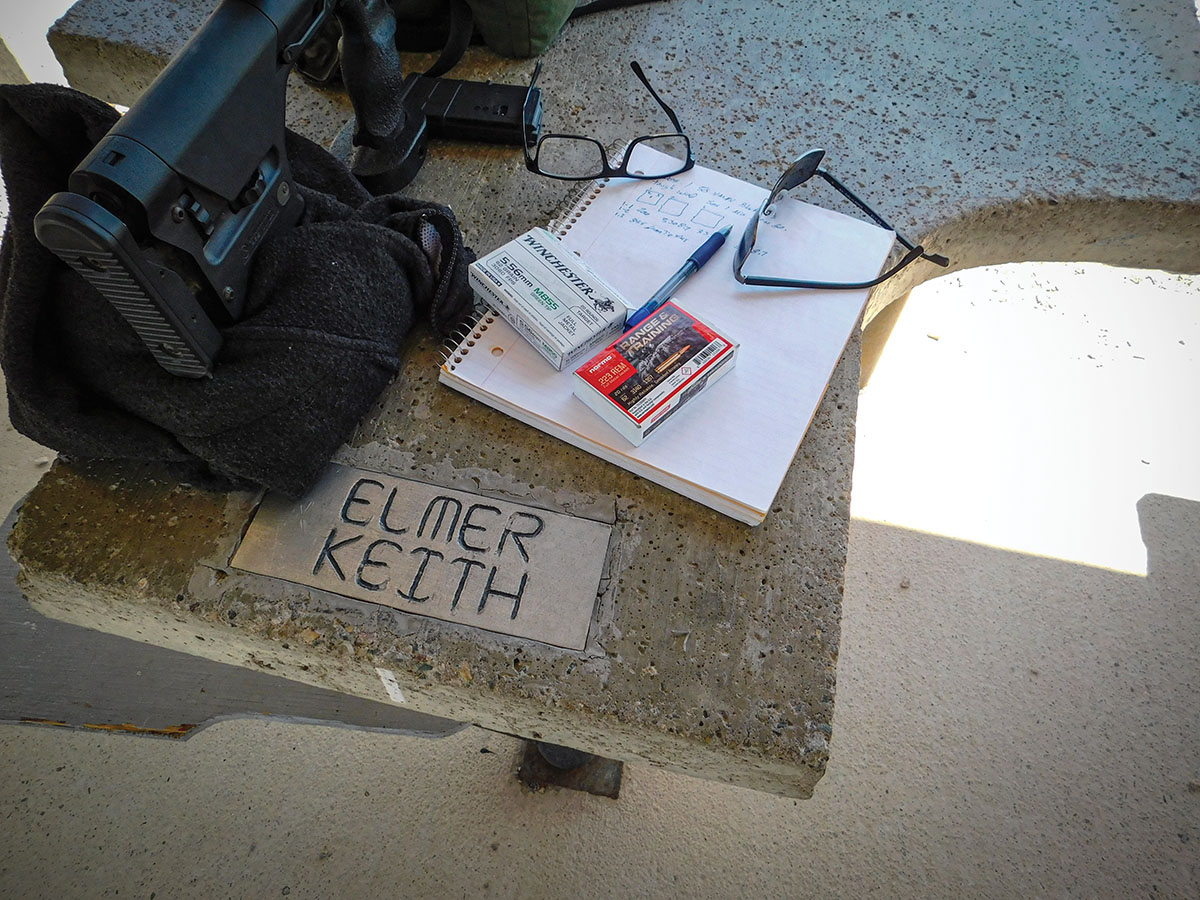
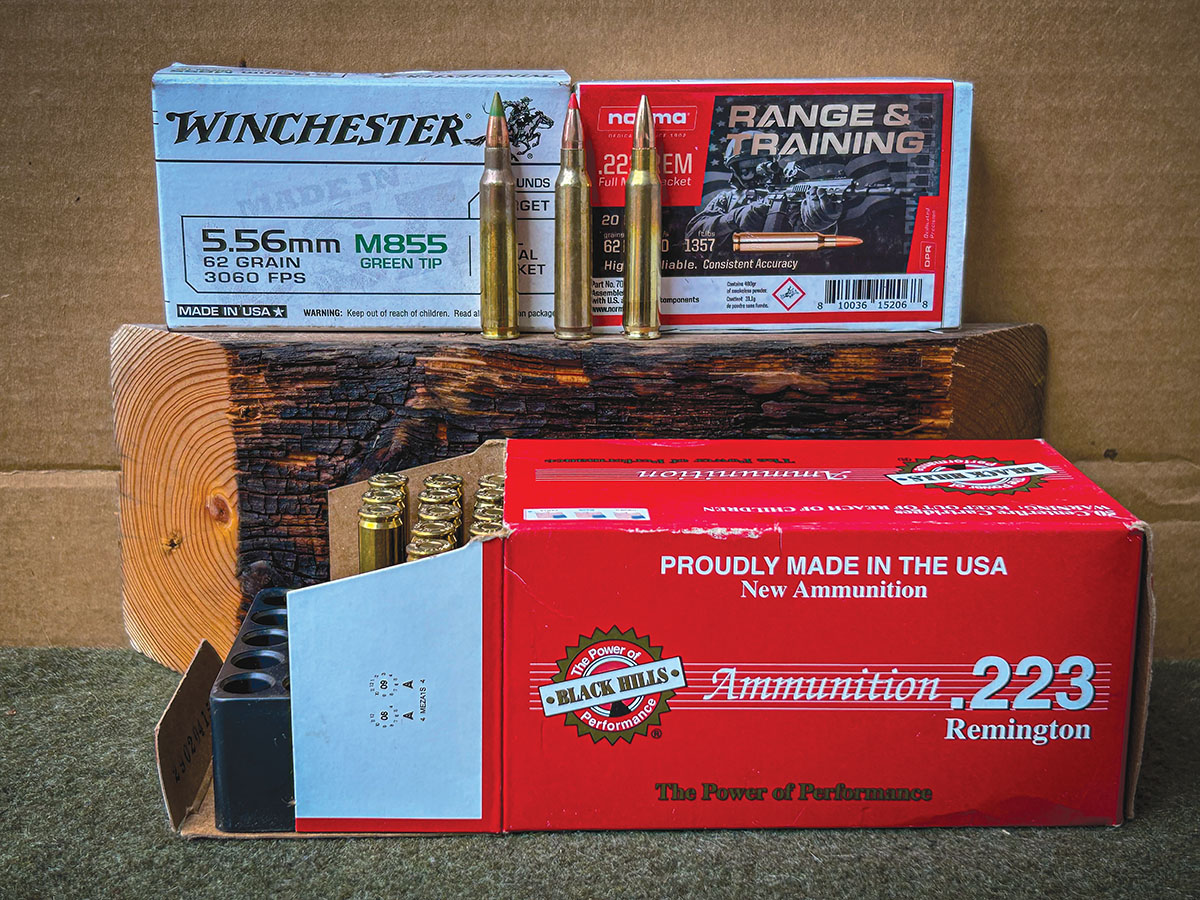
The first three-shot group, fired after a couple of fouling shots, looked like it would score around .600-inch through my spotting scope. The next two groups looked promising, too. The next two factory loads didn’t fare as well.Next up was a box of Winchester M855 Green Tip 62-grain full metal jacket cartridges. Three groups of these produced good velocities that
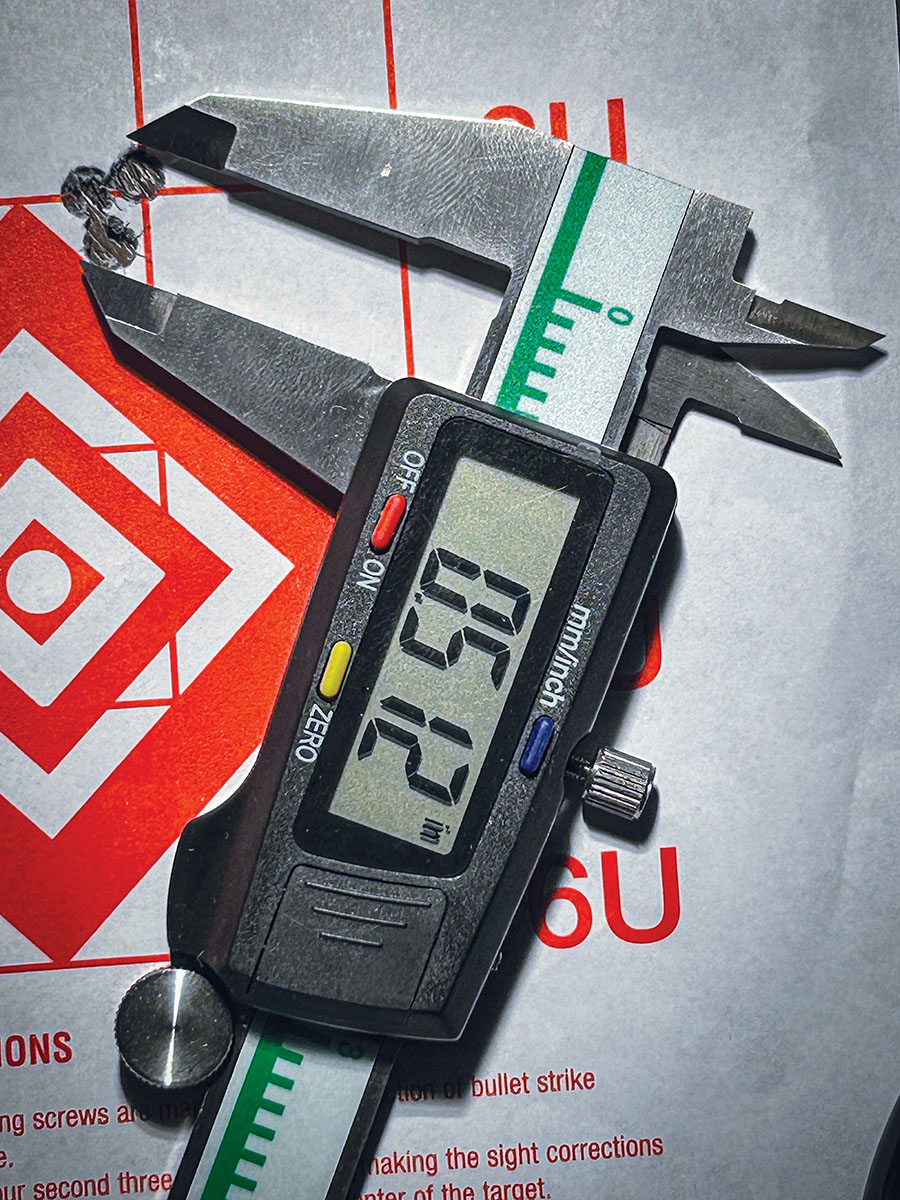
The Norma Range and Training 62-grain bullets made Winchester’s Green Tips look like match ammunition. The Norma bullets averaged 3,125 fps with an extreme spread of 30.3 fps. The average group size was an abysmal 2.001 inches.
My first suspicion while I was trudging up to the target butts was that the 1:9 twist just wouldn’t stabilize these modestly heavy and long bullets. That wasn’t the case. What I found were six groups made up of perfectly concentric bullet holes. If they were ballistically unstable, the targets certainly didn’t reveal it.
Testing Handloads
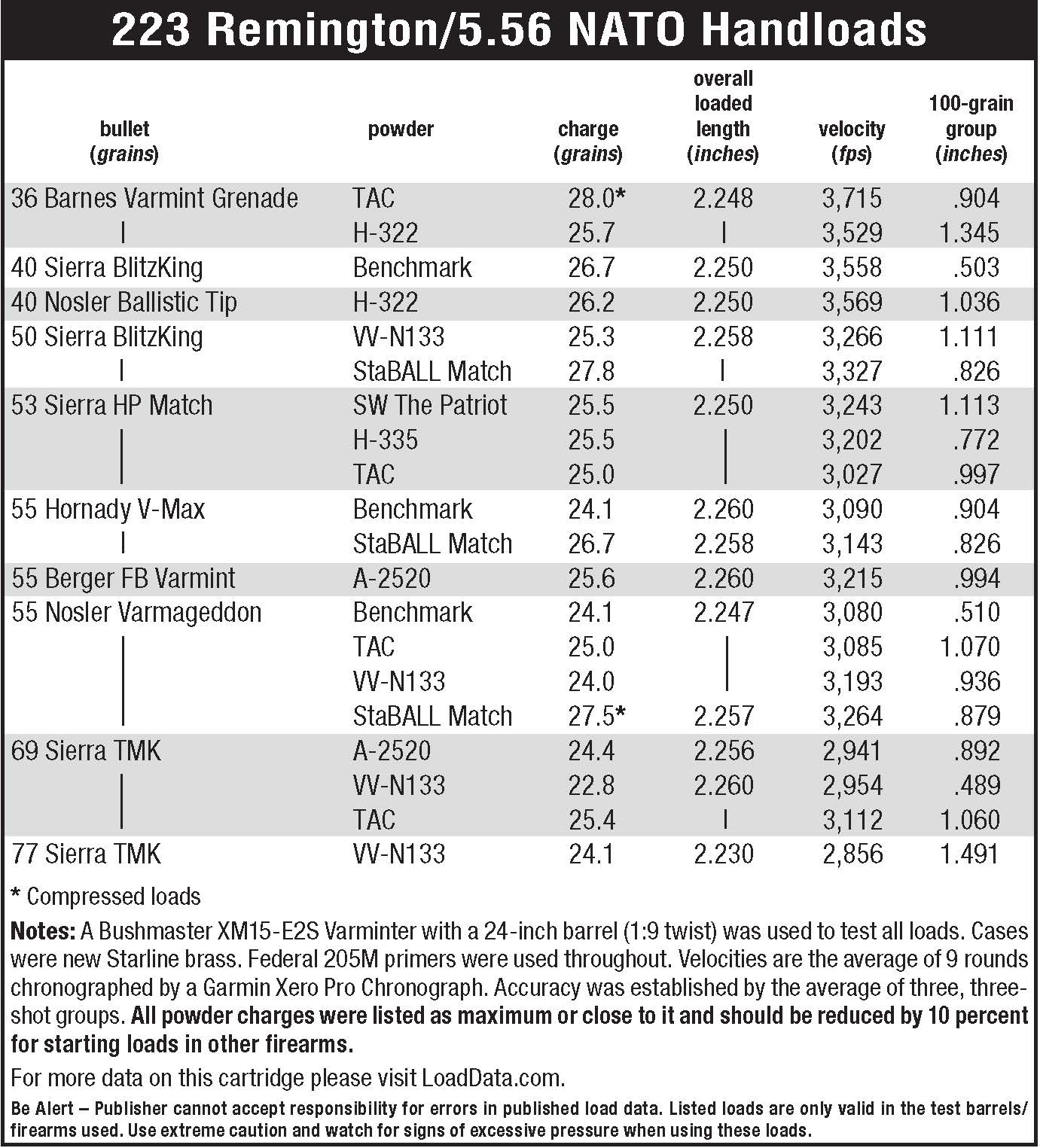
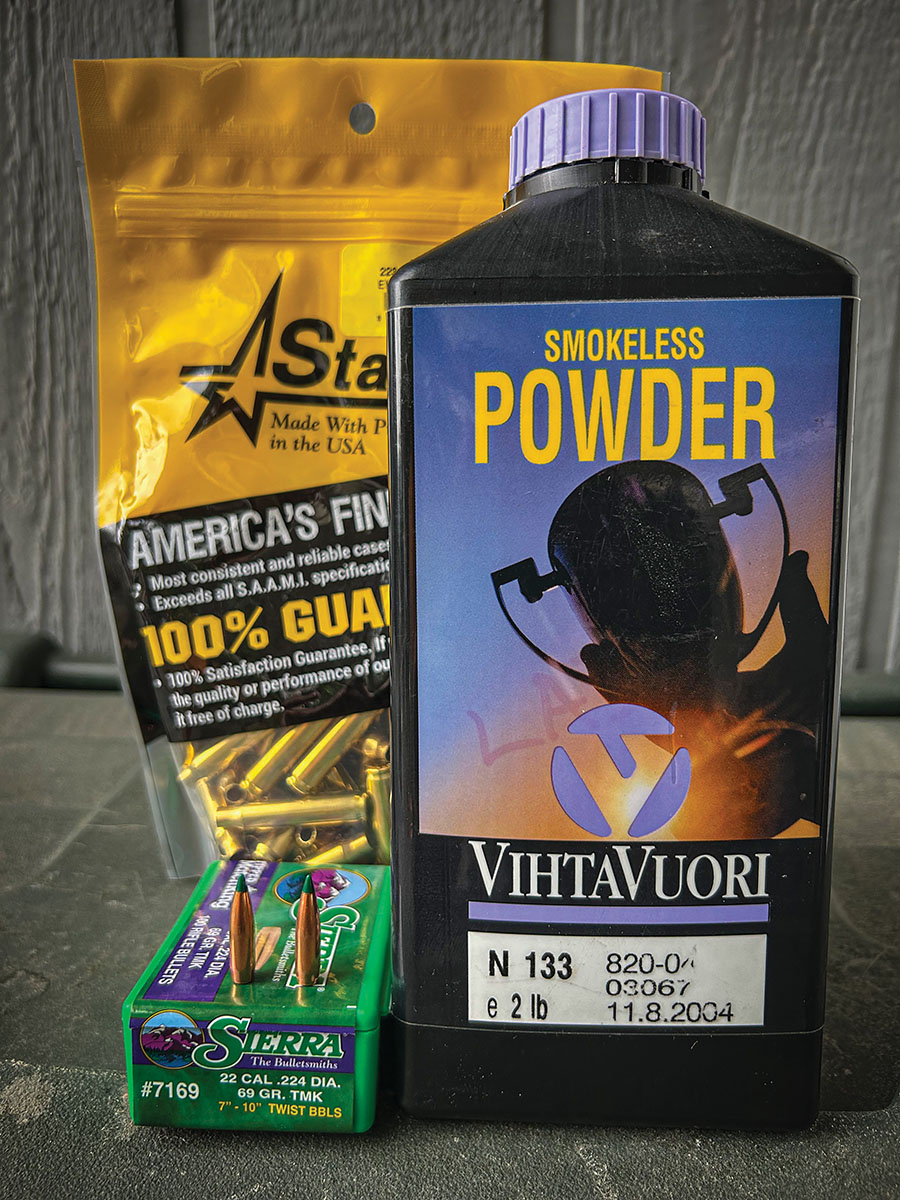
Despite owning this Bushmaster for decades, I had never actually wrung it out to see what it could do from a bench at 100 yards. For bullets, I picked some old favorites, one I suspected would be disappointing, and two - the 77-grain Sierra Tipped MatchKing and the 55-grain Nosler Varmageddon - which I had never used before.
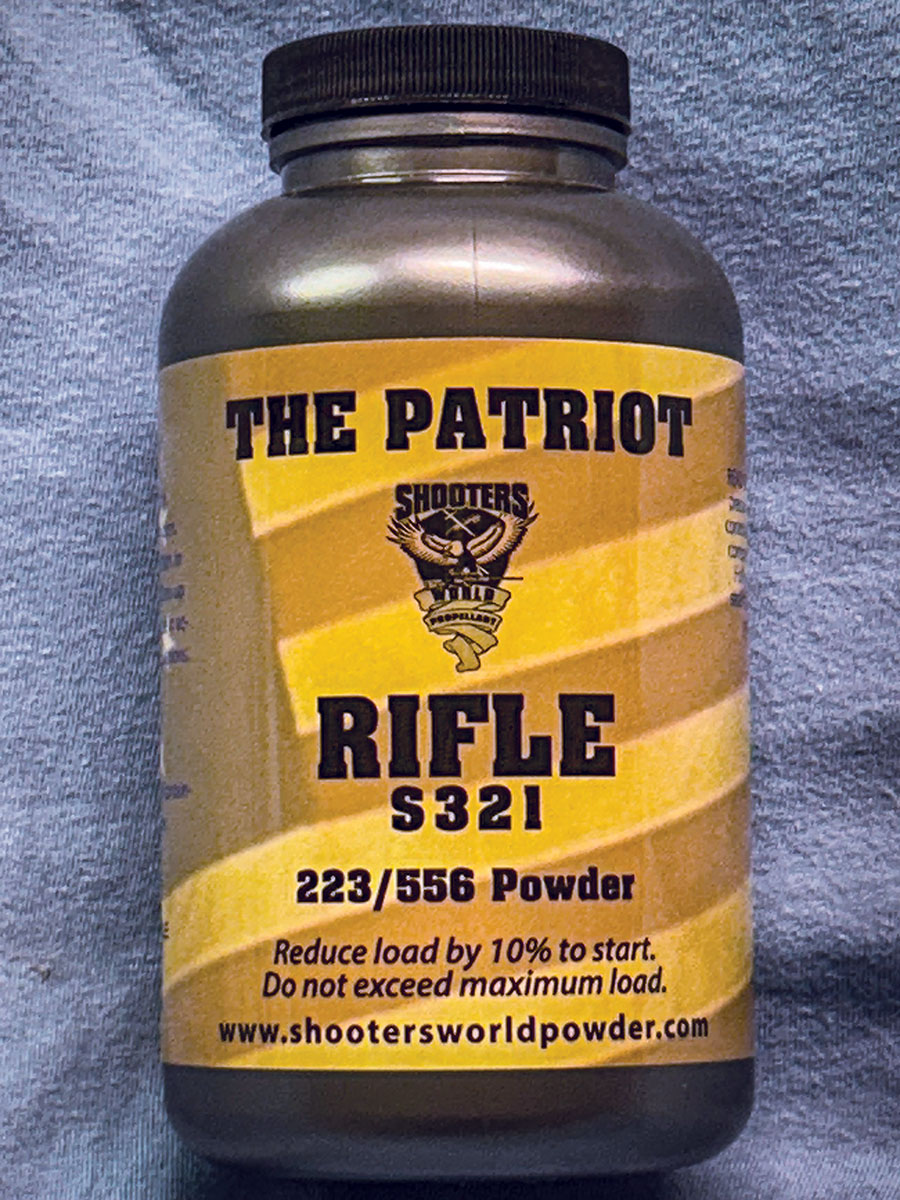
I took the same approach to the propellants. There is no shortage of good powders for the 223/5.56, and I picked some of my favorites. In addition, I was able to test Vihtavuori N133, a powder I had never used before, and a new propellant from Shooters World called The Patriot.
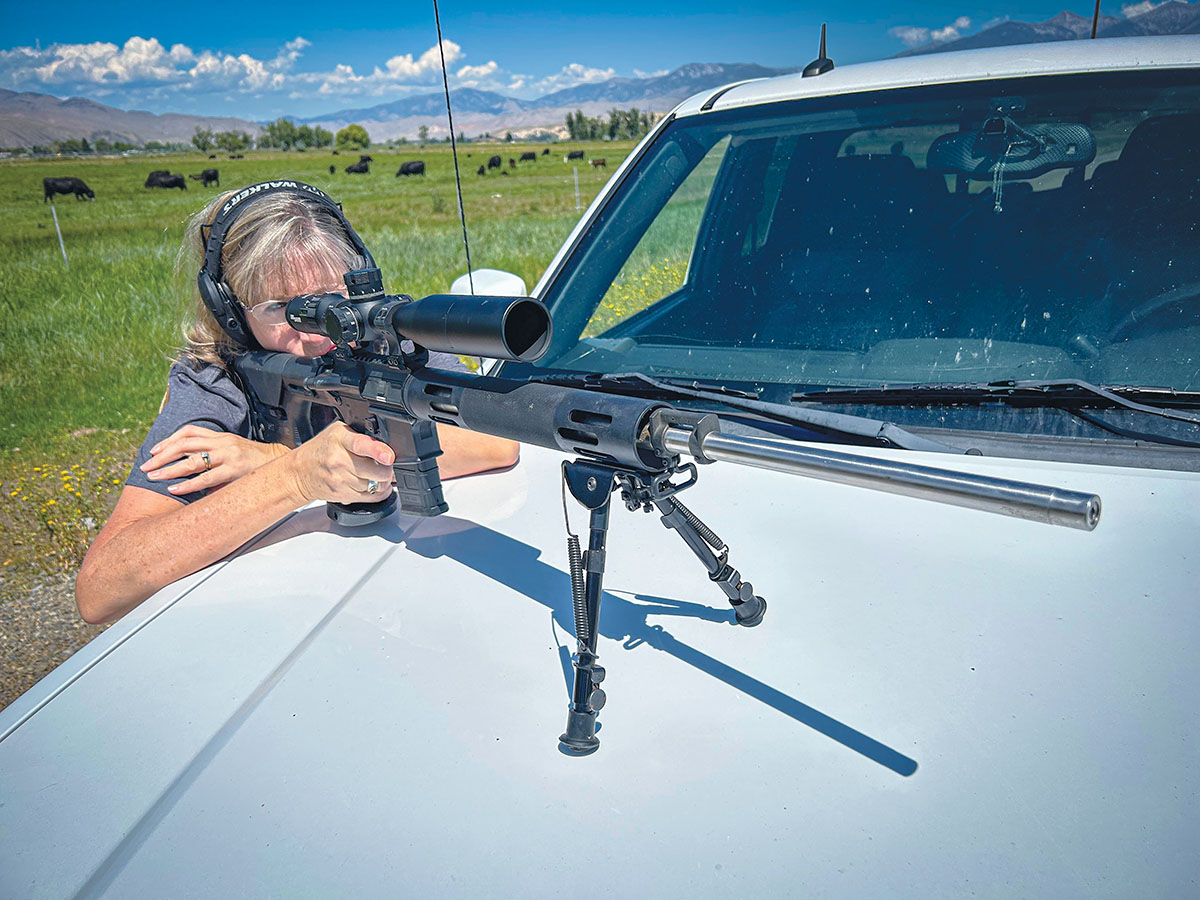
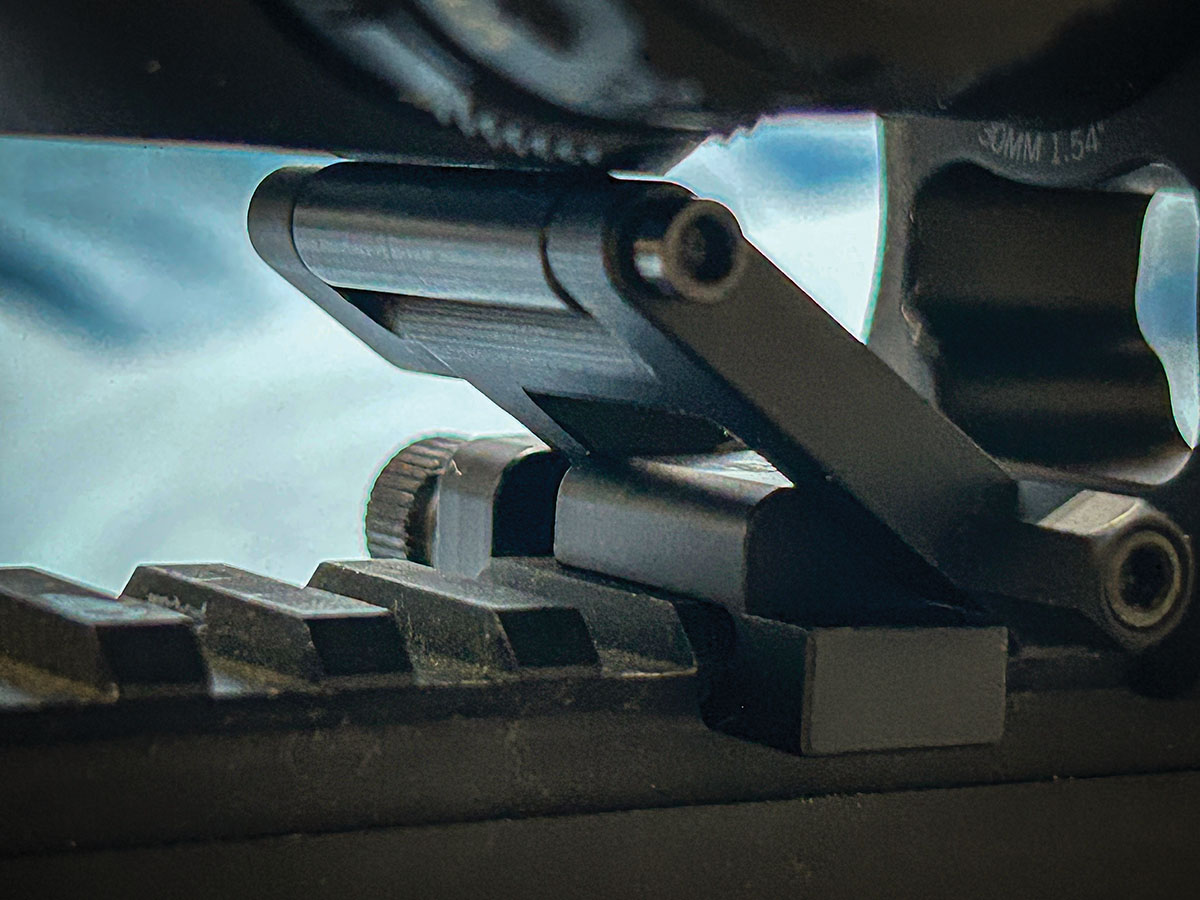
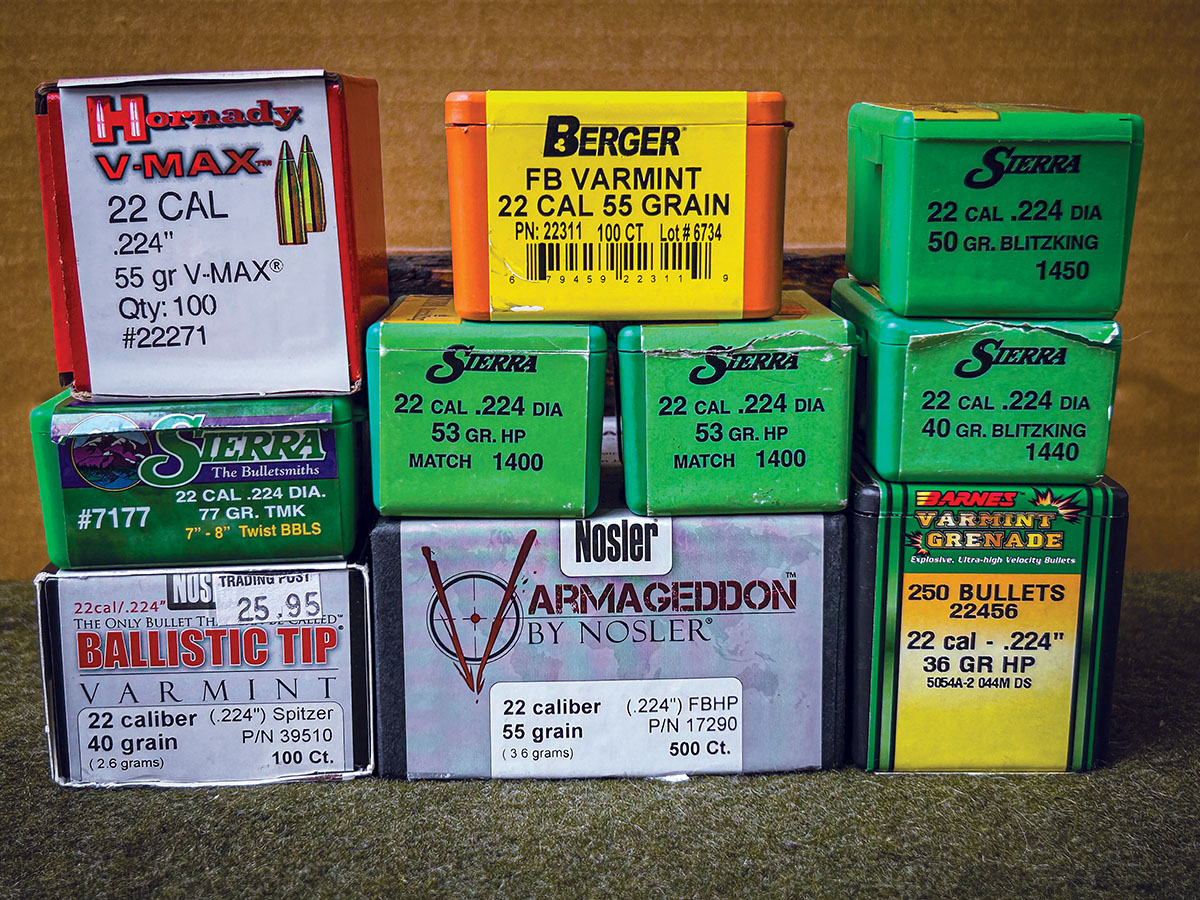
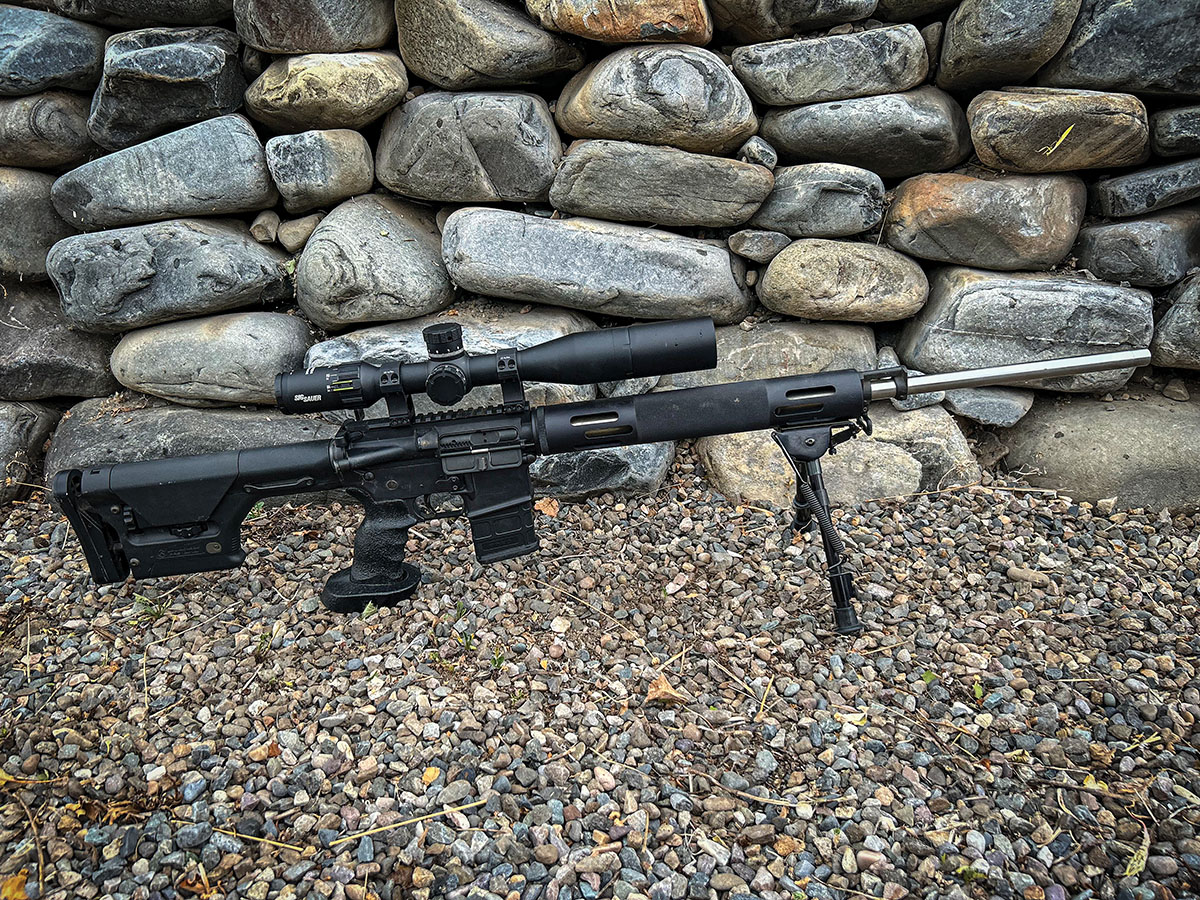
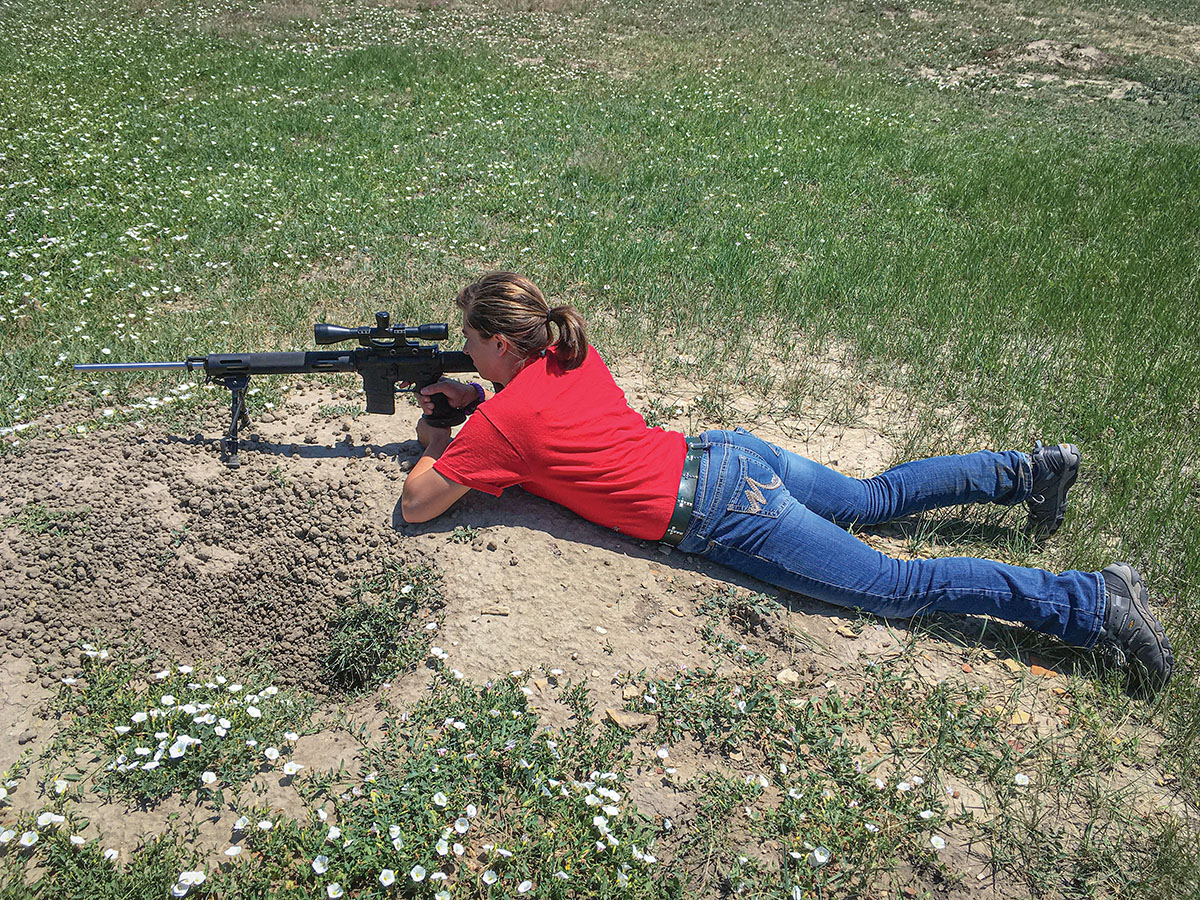
By this time, the groups were beginning to show a pattern, and it was one that I had come to expect with this rifle. Most of the groups, no matter the bullet weight or the powder combination, shot between ¾ MOA and just over one inch at a hundred yards. In the eyes of hardcore varmint hunters, these numbers would not impress, but there is more going on here that makes the Bushmaster Varminter something special in the field. With a superb 1.5-pound two-stage trigger and a weight of 12.4 pounds empty, including the scope and Harris bipod, the rifle is stock-still under recoil. The shooter doesn’t require a spotter to walk fire into a target, an advantage intensified by the Sig Sauer’s excellent FFP reticle. If the shooter can see the first shot, the second, when combined with the scope’s complex reticle, can be placed rapidly on target.
There were three loads that really stood out over three mornings of shooting. The excellent 40-grain Sierra using 26.7 grains of Hodgdon Benchmark produced consistent groups that hovered around half a minute of angle. There were drawbacks to this load combination. I was hoping to settle on a bullet with a better ballistic coefficient. The second problem was considerably worse. The Bushmaster simply didn’t want to feed them.
Benchmark won accuracy accolades a second time when it was able to produce three groups using 55-grain Nosler Varmageddon bullets that averaged .510-inch. This was an excellent combination that cycled well while using a bullet better suited to prairie dog towns across windy fields. When I finally shot those groups early on the last day of testing, I was relieved that I could say I had found a load that looked like a winner in the Bushmaster. It certainly is, but it wasn’t the only one.
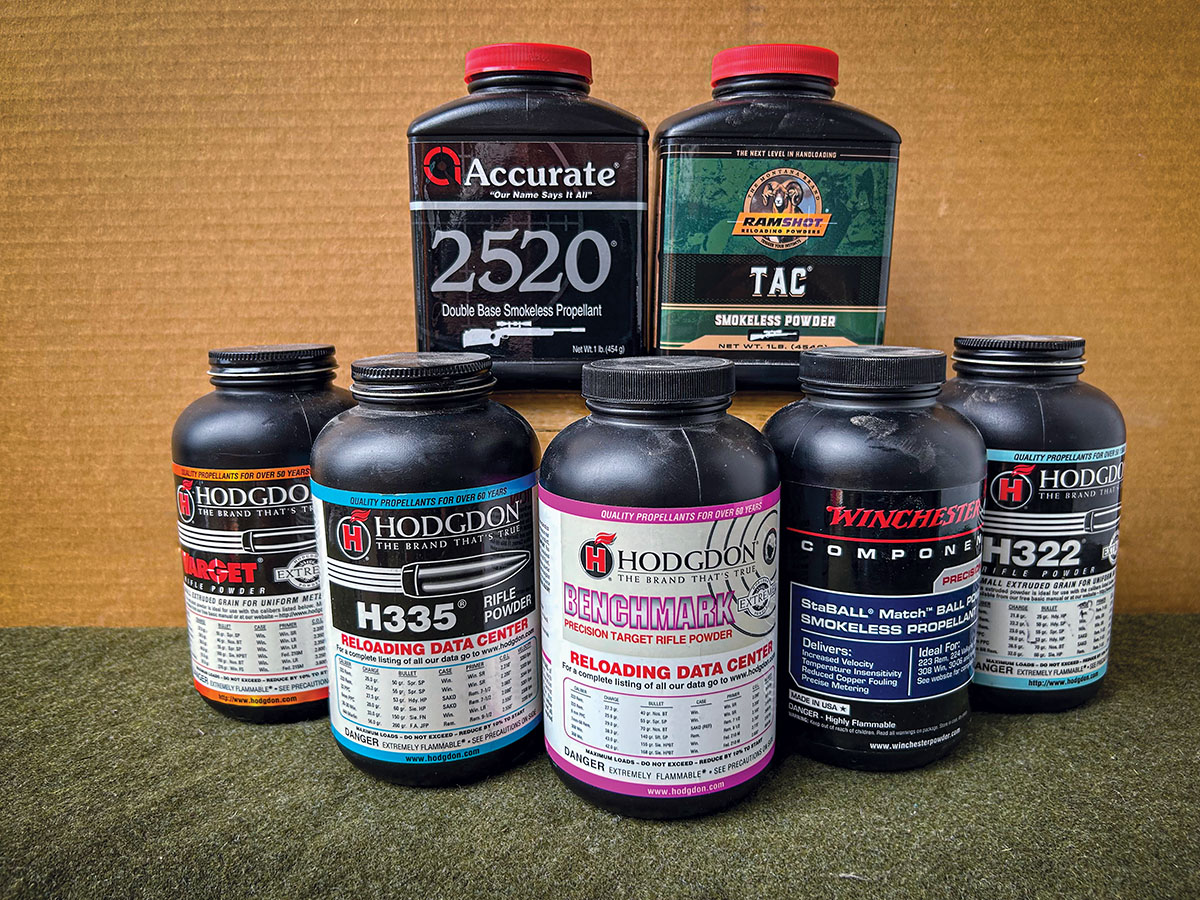
The 77-grain TMK produced concentric holes at 100 yards, but the accuracy was poor. The 69-grain MatchKings were another story altogether. Using VV-N133, they produced the single tightest group measuring .288-inch center-to-center. The three groups averaged less than ½ MOA. This is the load I’ll take next time I’m in Eastern Montana, baking in the sun and shooting prairie dogs.
So, was trading my first Cooper Model 21 a good deal for that new-in-the-box Bushmaster Varminter? If you have my old rifle, its serial number was VA 64. It’s a great rifle and I hope it is still shooting well, but no, I will not trade you back. That trade was one of the few I never regretted.