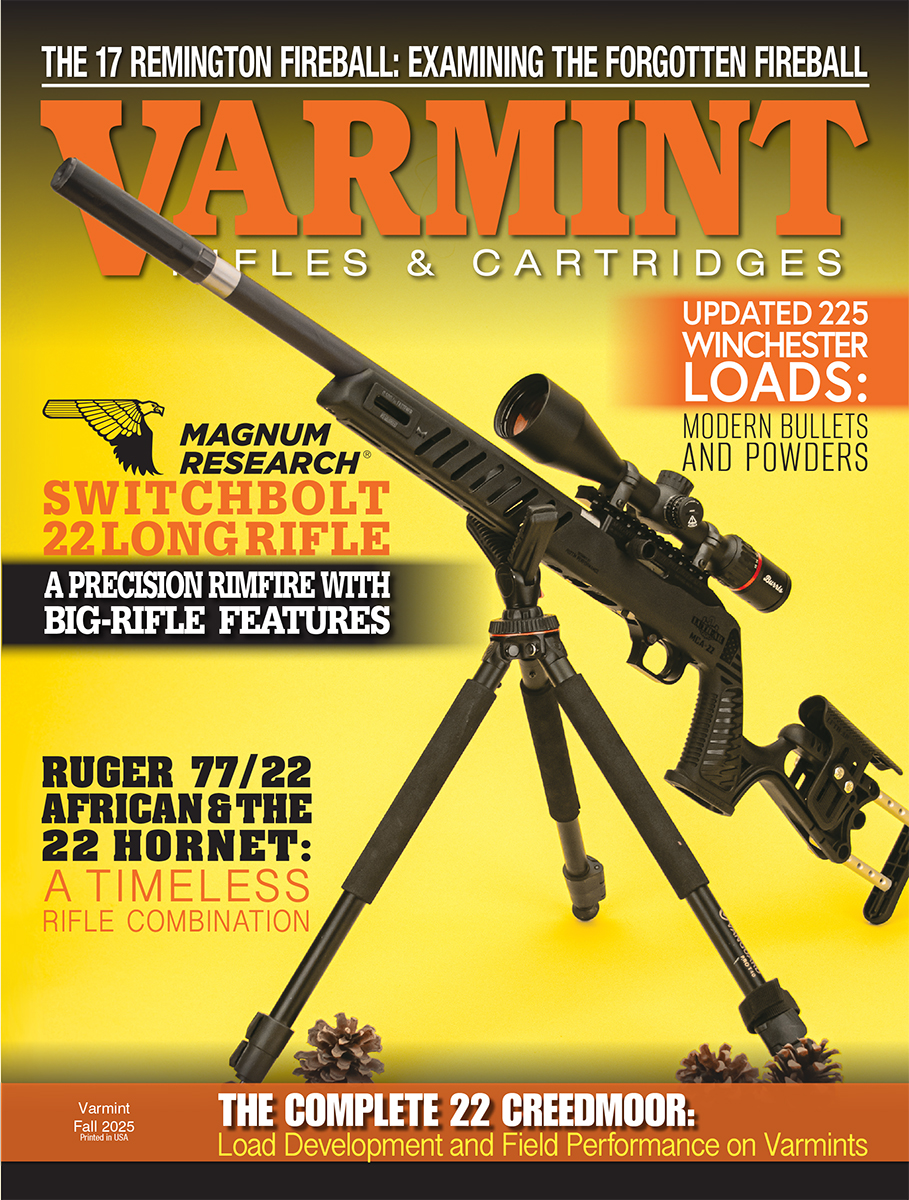
Lipsey's Exclusive Ruger 77/22 African and the 22 Hornet
A Hunter's Classic Varmint Rifle Combination
feature By: Shane Jahn | October, 25
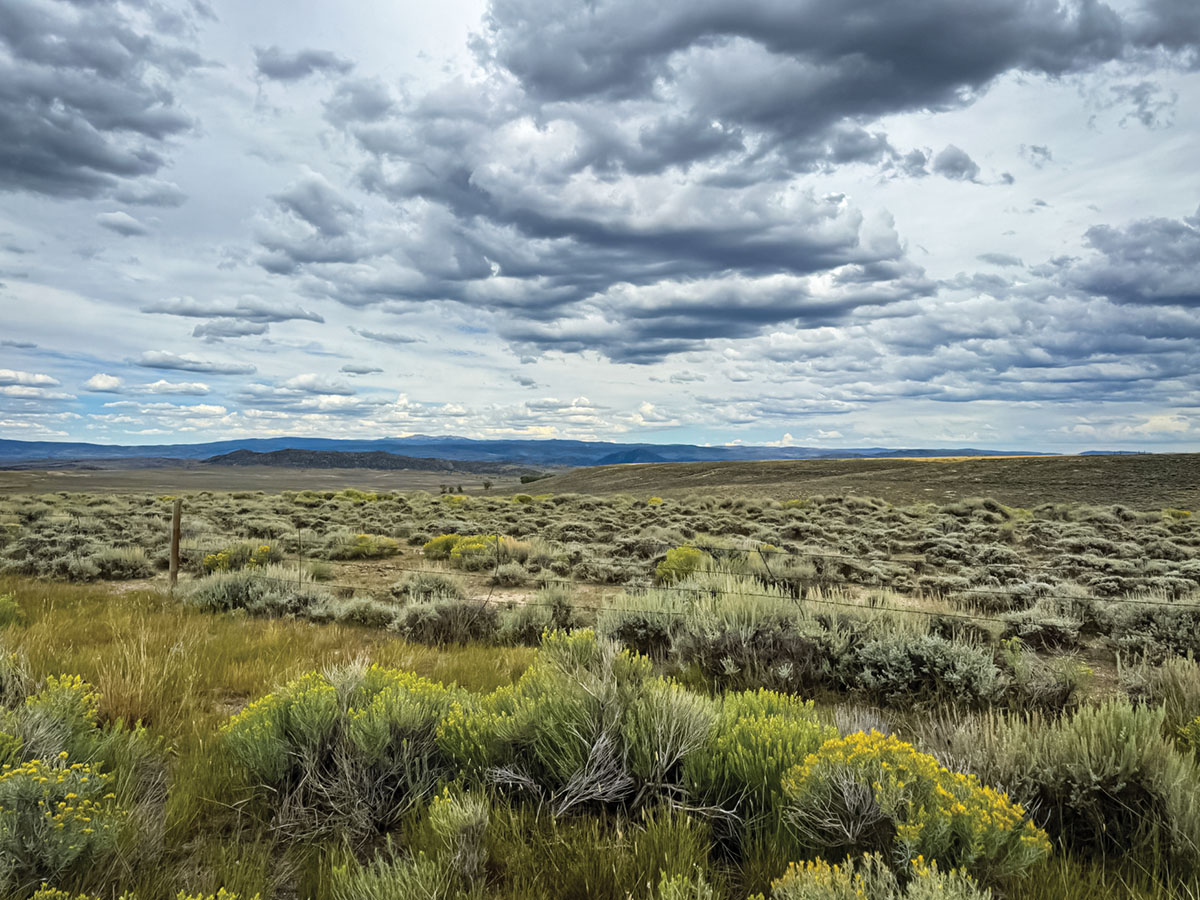
The word “Wyoming” is derived from a Native American term meaning “land of vast plains,” and some of the parts I’ve seen surely fit that description. Detouring from the
mundane pavement and bustle of I-25 and taking in a beautiful piece of rolling Colorado countryside was a welcome change before crossing the state line below Laramie. One can’t think of Wyoming without remembering the great gun scribe, Bob Milek, who often showcased his state’s hunting and picturesque outdoors in his excellent magazine articles. After Laramie, the terrain widened into a vast rolling prairie that resembles the Big Bend country of western Texas, where you can easily see over 30 miles from my front porch on a clear day. The wide-open country wasn’t awe-inspiring to me, but I can see how it could be to folks from areas of less expanse. I liked it and felt right at home. As a matter of historical fact, a small square in the southeastern corner of Wyoming was the Republic of Texas at one time. No wonder it feels like home!
I pointed my truck westbound towards the Snowy Range and Medicine Bow National Forest, which is another pictorial drive filled with evergreens, mountains and clear water. The country opened back up once I left the winding road and
timber, emerging on the western side of the range and found the Spur Ranch, where I would be spending the next several days with friends. We were invited to the beautiful area near Encampment by John Russo of Spur Outfitters Firearms Training. John and his team of professional instructors offer good training in fine country. While some of our crew shot on the range, others of us traversed the Spur gunning for prairie dogs.
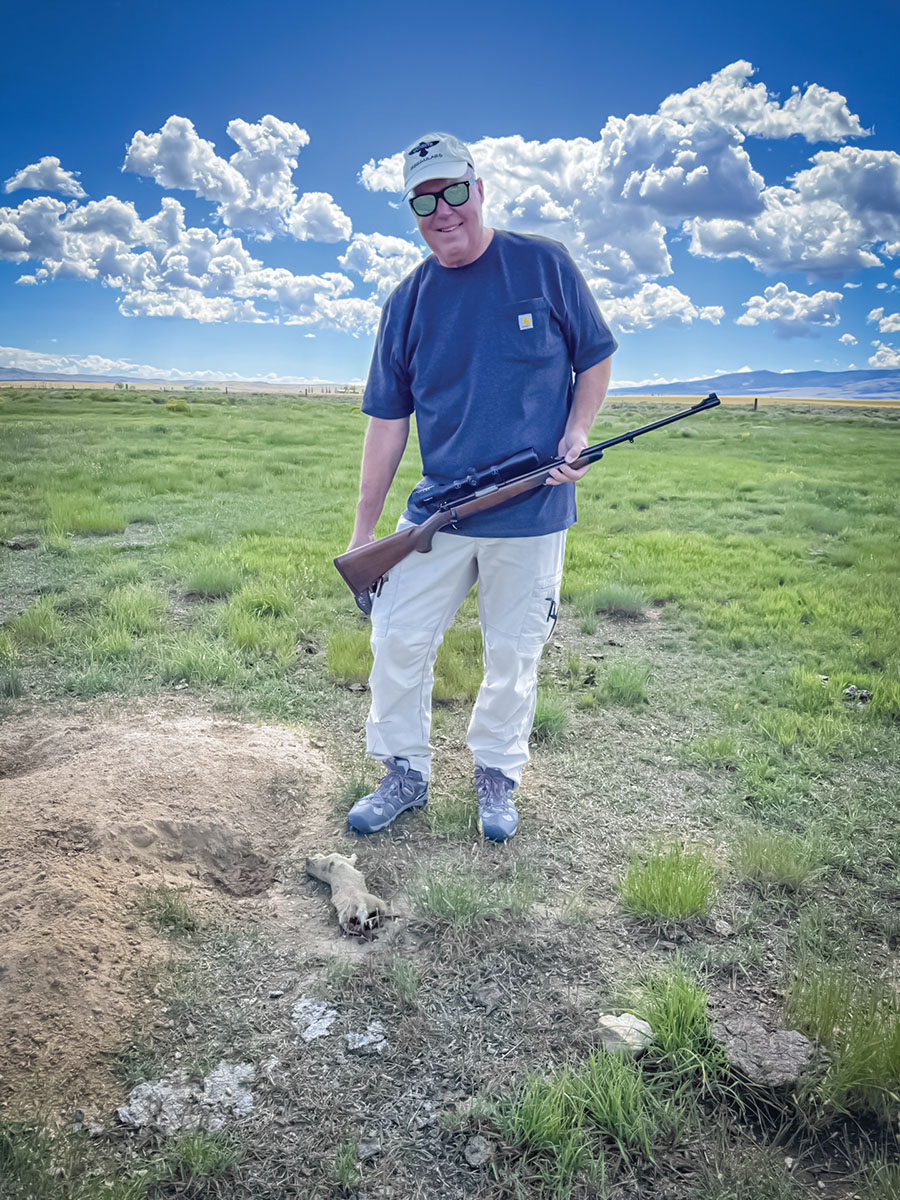
I’m sure that anyone reading this magazine is on board with shooting prairie dogs and understands the management concept. For those who are not aware, thriving populations must be managed to avoid overpopulation and habitat destruction. Reports state that anywhere from 3 to 80 percent of forage can be consumed by prairie dogs, depending on the conditions. That can be a substantial amount for farmers and ranchers raising crops and livestock. Death by a high velocity bullet, focusing on the prairie dogs alone, is a more humane death than poison or fumigation, which can also kill non-target animals. Studies show that some 200 species of wildlife have been associated with prairie dog towns, so total eradication impacts more than the target varmints themselves. A variety of predators like birds of prey, coyotes, badgers, ferrets and the like feed on prairie dogs. Prairie dogs can carry a variety of diseases, including plague - another good reason to keep their populations down - and an important thing to remember when posing for a photo with the dead critters. Shooting them provides income to ranchers, offers great practice for sportsmen, and keeps the critters in check without totally wiping them out, as poison would. Also, I must admit, it’s also a lot of fun!
My old friend and famed Gunsite Academy Instructor, Lew Gosnell, and I teamed up on the first morning. Lew was already familiar with the lay of the land, and we made our way to a couple of adjoining pastures to investigate the promises of overpopulated prairie dogs. We were not disappointed! Right off the bat, we had action, and I finally found a use for my old Colt New Frontier in 22 LR that has too short of a front sight. It shoots dead-on at 100 yards, perfect for prairie dog plinking. We worked over the plump varmints pretty well with our rimfires out to 100 paces and closer before making our way further into the property, where the dogs would offer shots at longer ranges. A pasture where ranchers had stored round bales of hay provided a great opportunity for navigating cover to snipe the chattering little critters. I slipped the sleek Ruger 77/22 in 22 Hornet from its case and loaded the magazine with tiny red-tipped Hornady cartridges.
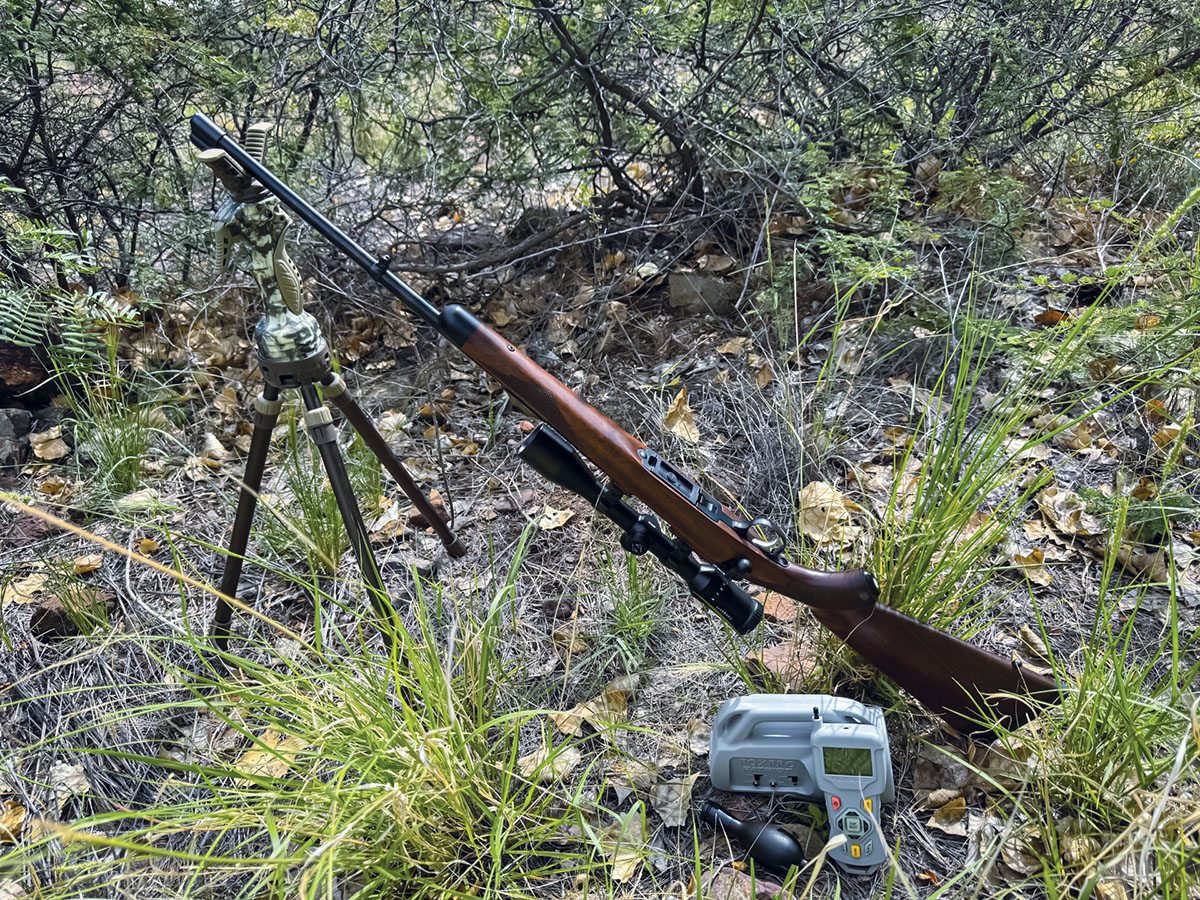
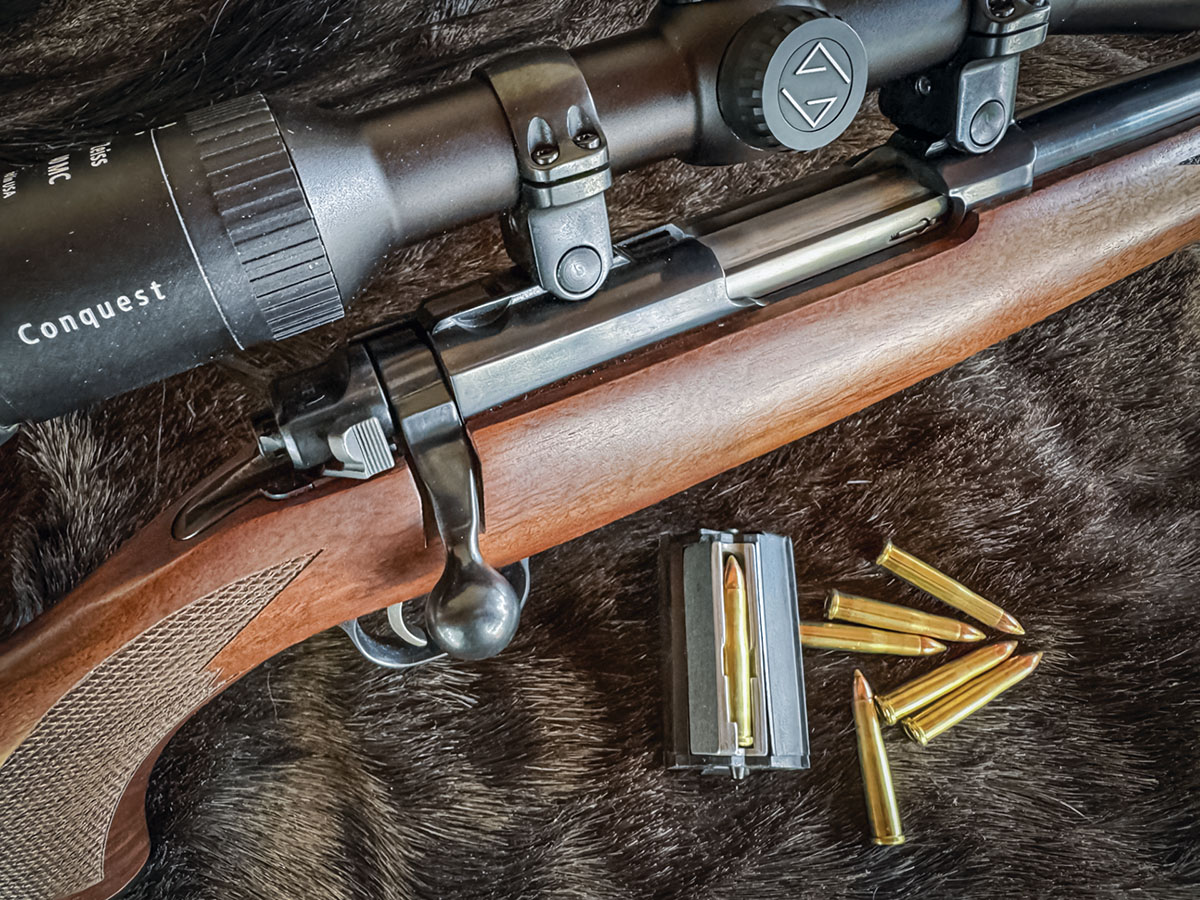
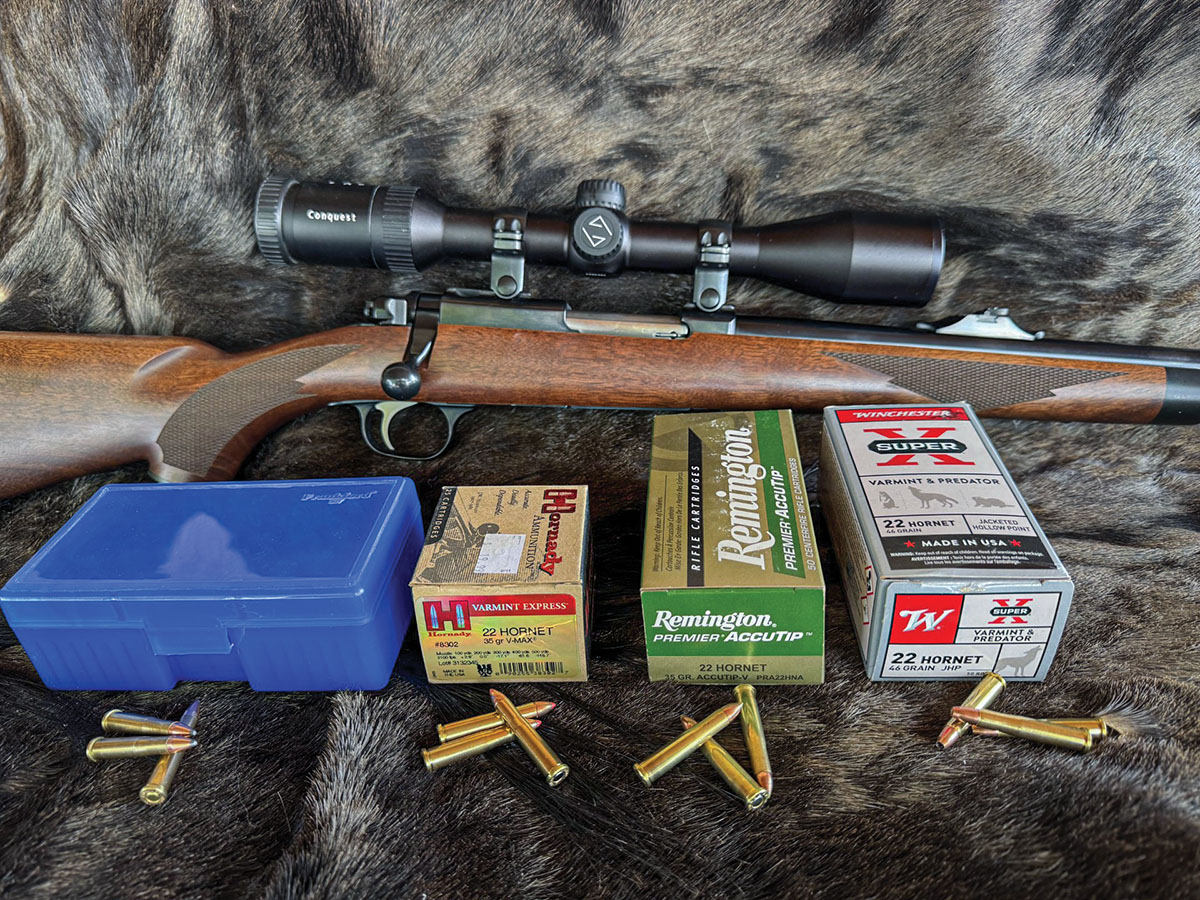
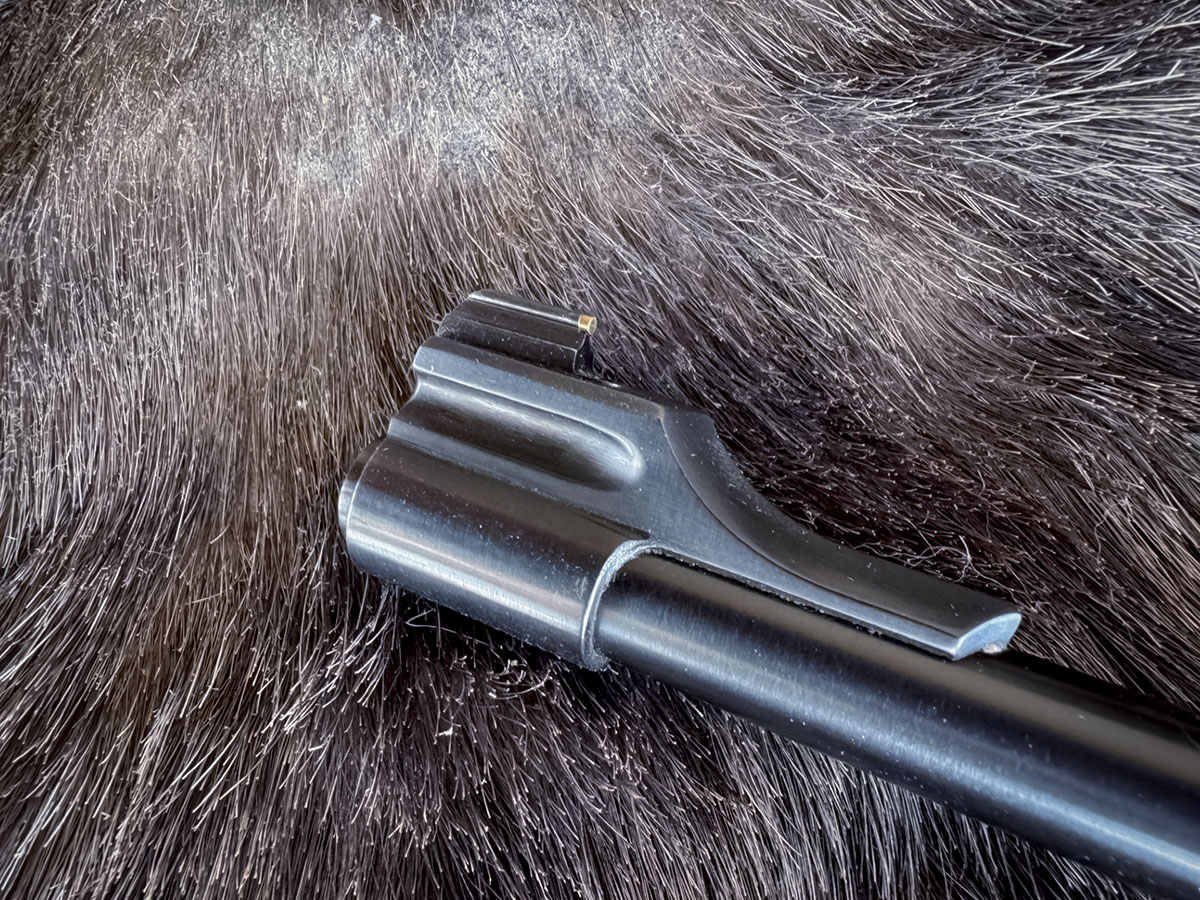
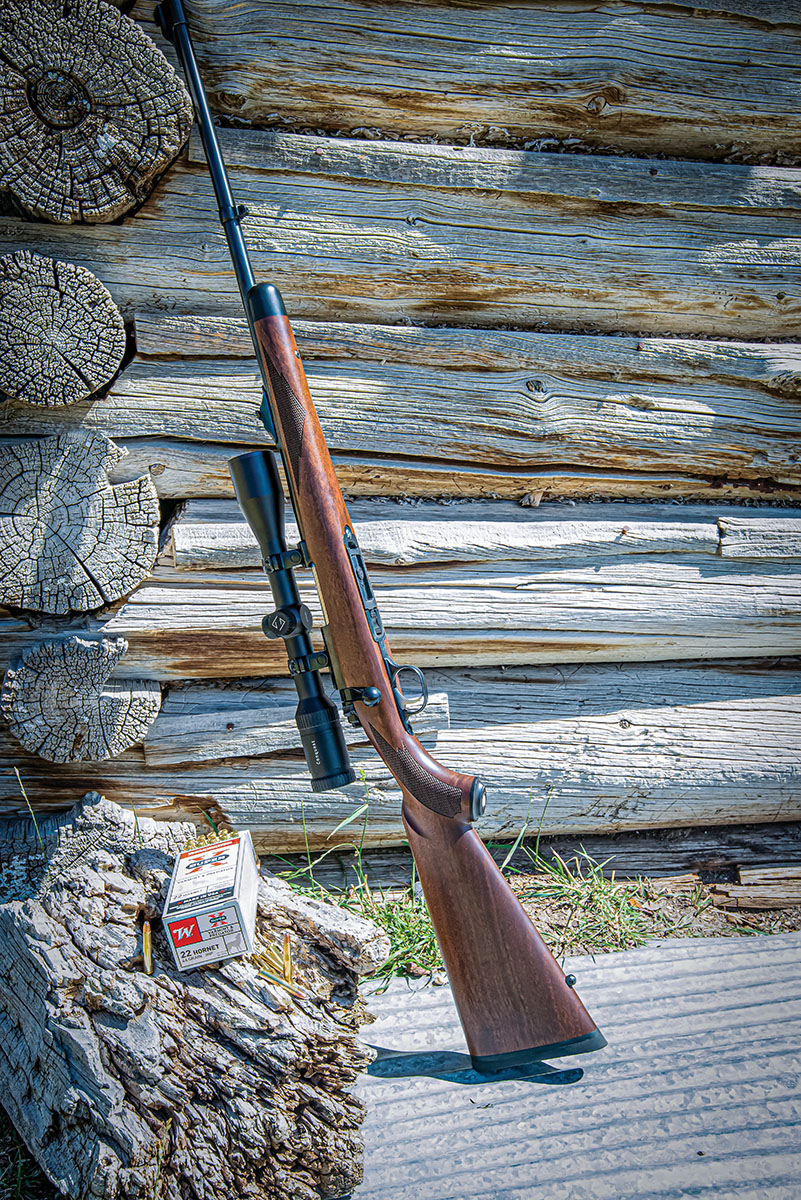
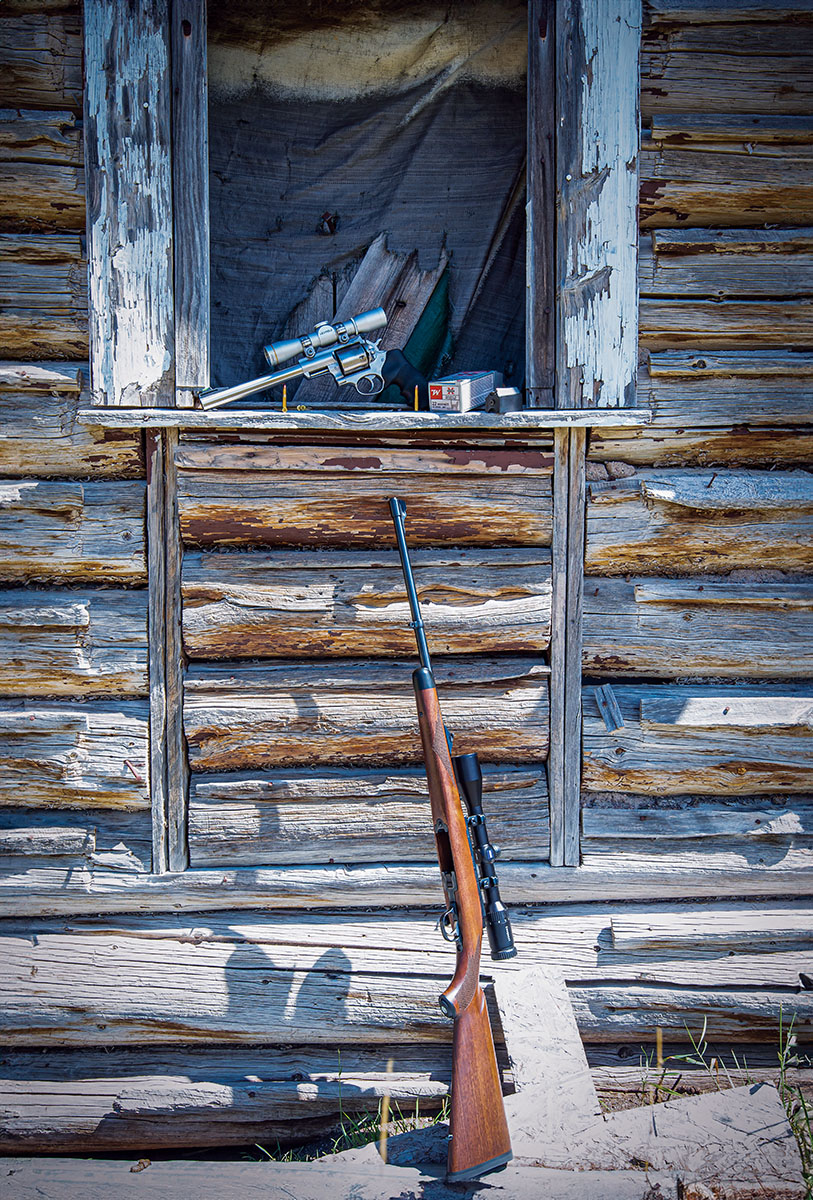
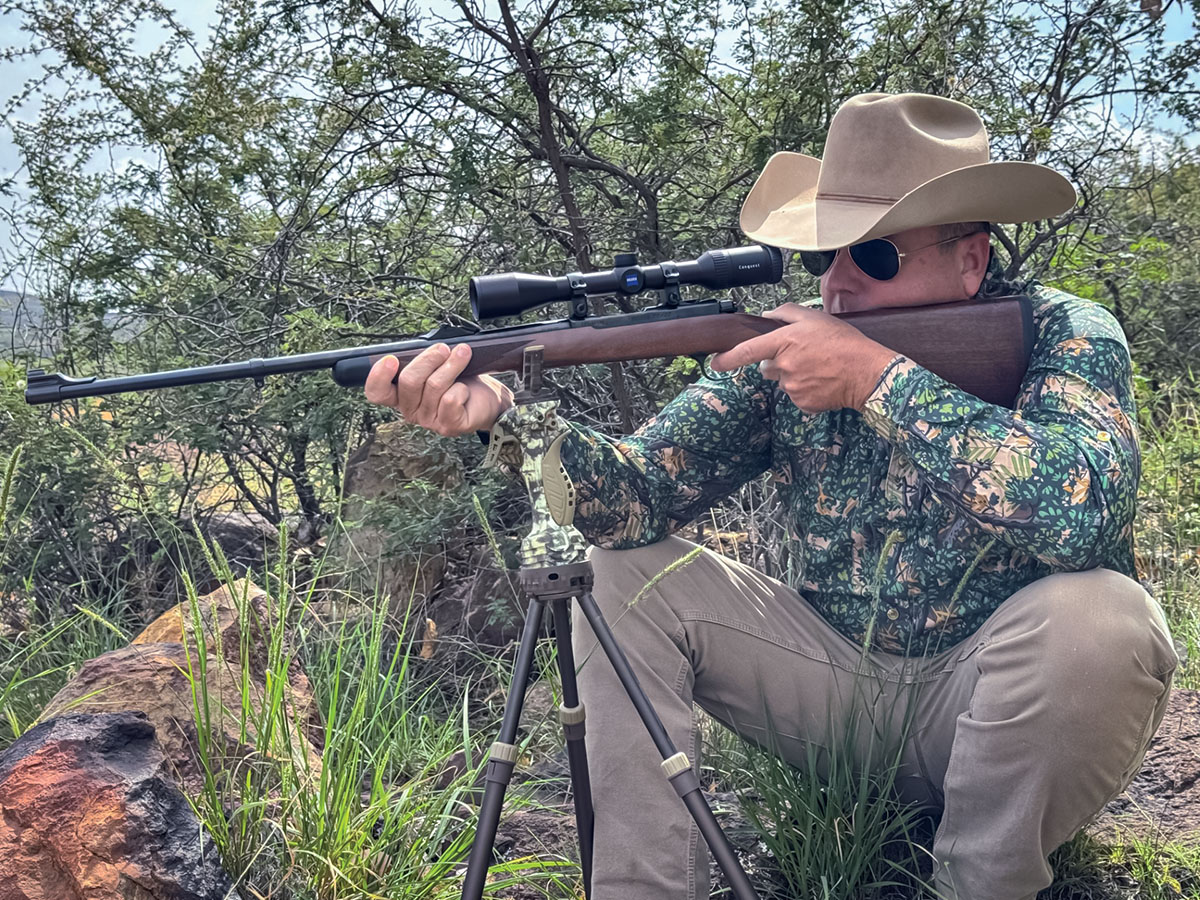
Lipsey’s unveiled their exclusive Ruger 77/22 African rifle at the 2025 SHOT Show. This sporty little eye-catcher has a 22-inch barrel and express sights with a brass bead front. Weighing in at 6.5 pounds, this streamlined bolt gun makes for easy packing in the field. Most have a red recoil pad, but a few were made with black pads, and mine sports the latter. The barrel has a 1:14 twist, and the rifle is fed by means of a six-round rotary box magazine. The checkered walnut stock has nice grain, and a touch of class is added by way of an ebony tip on the forestock and a barrel band swivel stud. My only complaint is that they don’t make the gun in a left-handed configuration. While the trigger isn’t exactly as light as I’d prefer, as best as I can tell from my non-digital scale, it measures 5 pounds. I’d rather it be half that or a little less. However, it does break crisp, which aids in the rifle’s shootability. I had a Zeiss Conquest 3-9x scope on hand, which I mounted on the gun, providing plenty of magnification without throwing off the balance of the lithe rifle. This rifle forces one to picture oneself in the African bush, stalking the tiny ten or sniping a couple of plump guinea fowl to add to the menu for preparation of a fine meal after a sundowner around the campfire.
Using the hay to conceal our movement and as a shooting rest, Lew and I commenced to obliterate prairie dogs with little effort. Having never shot the vermin before, I expected it would be fun, but I had no idea how much fun it would be! The pleasing crack of the Hornet dumped the rodents with authority, although I am still amazed at how tough, ounce for ounce, prairie dogs really are and how strong their instinct drives them to return to their holes, even after a fatal hit.
Finn Aagaard once wrote a fine piece on the 22 Hornet titled, “The Hornet Still Stings.” The savvy African Professional Hunter turned gun writer detailed how he used the little cartridge in a handy rifle to great effect for spot and stalk turkey hunting in the Texas Hill Country. He goes on to illustrate how the 22 Hornet, in the hands of accomplished outdoorsmen and hunters, has collected everything from duikers to larger plains game and even a buffalo cow on the Dark Continent. Like anything, the 22 Hornet with the appropriate bullet at the right
distance, placed in the correct spot, can be used to kill a variety of game. That does not mean that it should be used in most cases to take medium-sized game. I’m told that back in the day, many children took their first deer with the Hornet. If a bullet inclined to penetrate is used, the shooter is exact, and the range is kept short, say 50 yards or so, I’d say it’s not the worst choice
for such use, but there are certainly better. Incidentally, falling in line with kids using small centerfires for the deer hunting theme mentioned here, yours truly killed his first whitetail with the tiny .222 Remington, which was the successor of the Hornet. Texas Sheriff Ronny Dodson’s grandfather trapped in the rugged Chinati Mountains below Marfa and killed everything, including whitetail and mule deer, with his
Winchester Model 43 in 22 Hornet. I’ve not used the Hornet on anything larger than a prairie dog, but that’s only because I’ve not had an opportunity at foxes or coyotes yet. I expect the little round will do well for a carefully placed shot on javelinas as well.
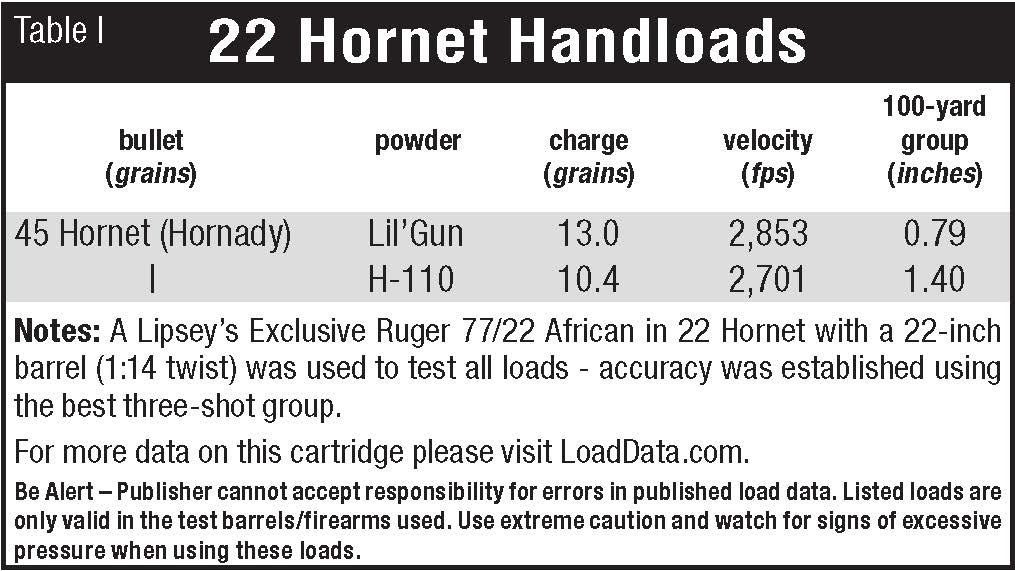
At the reloading bench, my friend, Curtis Jahnke, who owns and operates Gunsmoke Outfitters, and I put together a couple of loads for the 22 Hornet. Curtis specializes in custom bolt-action hunting rifles and loads a lot of custom ammunition for his tack-driving rifles. Having not loaded any Hornets in the past for myself, I had been forewarned by a fellow handloader that the tiny cartridge can be a bit of a pain. For one, it’s a little tricky
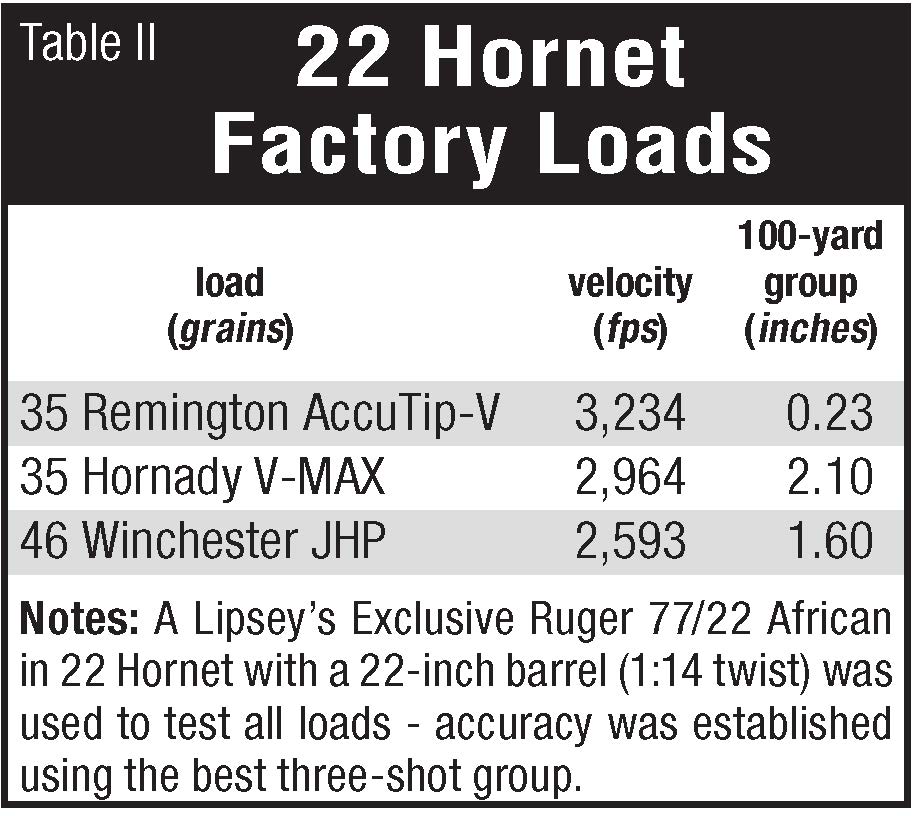
Factory representations were provided by Hornady’s 35-grain V-Max load, Remington’s 35-grain AccuTip-V and Winchester’s 46-grain JHP. We shot most of the prairie dogs in Wyoming with Hornady and Winchester ammunition out of the 77/22 and the Ruger Super Redhawk I had brought along, which is also chambered in the cartridge. As luck would have it, the Remington ammunition arrived a few hours after I had already left for the trip, but not to worry, it will see action in the future.
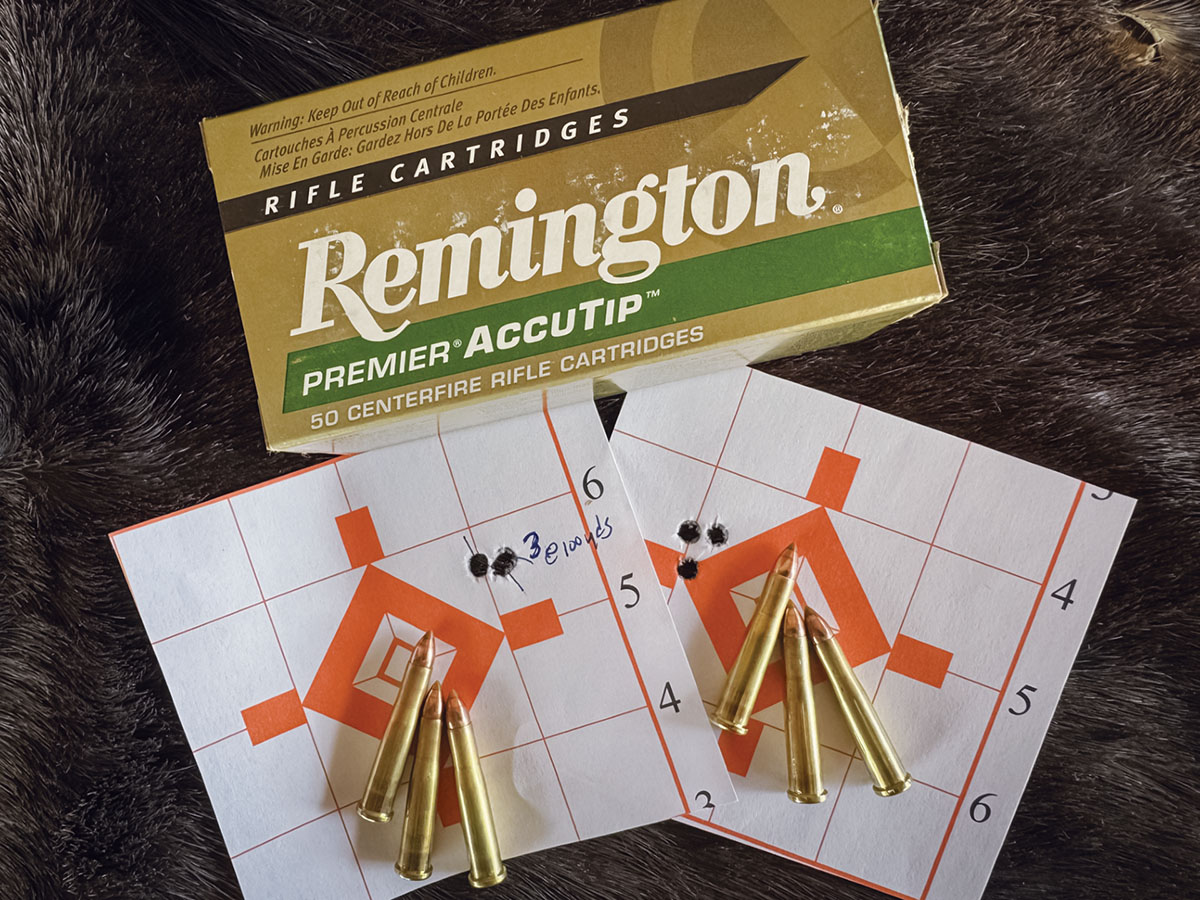
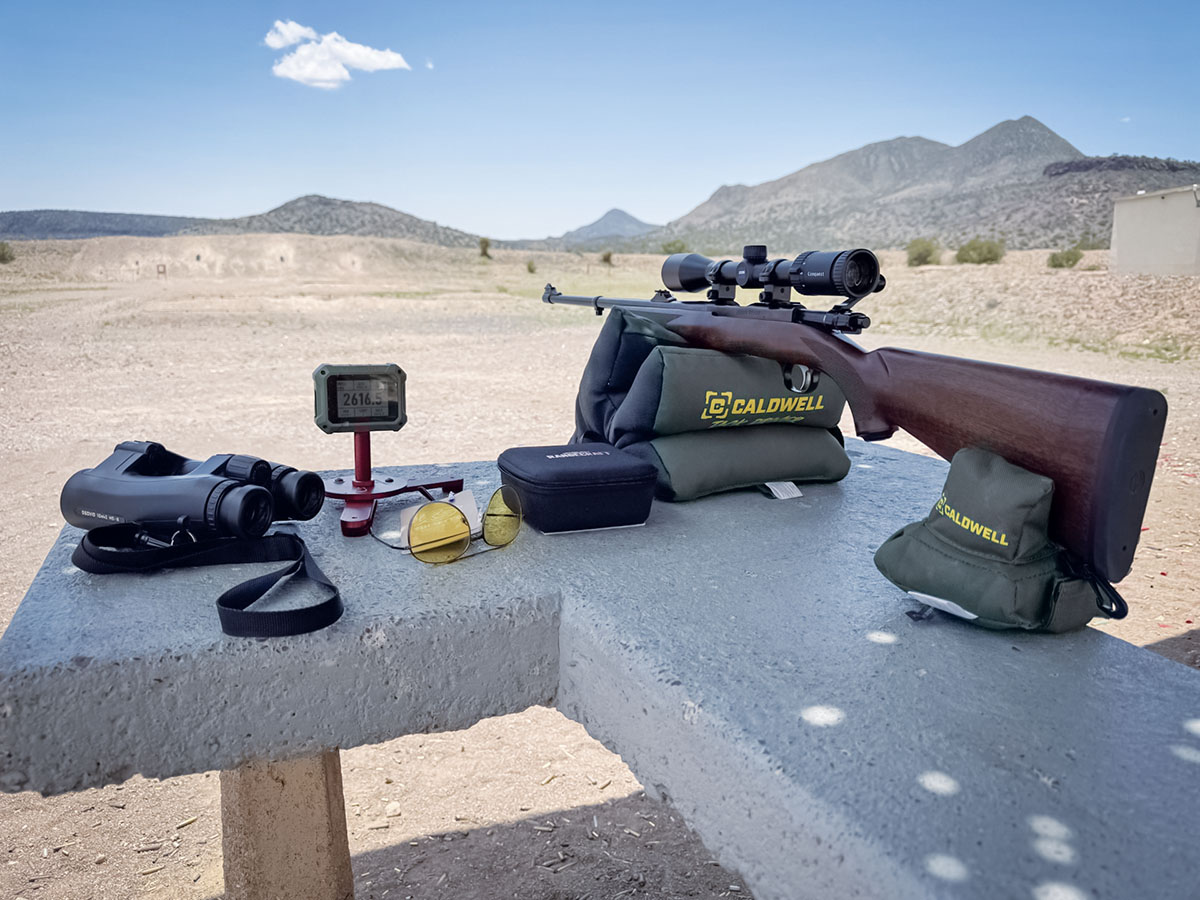
Range day at the Alpine Sportsman’s Club consisted of a sunny 90 degrees with variable winds, and my phone showed them ranging from 7-14 miles per hour (mph). I fired three-shot groups from a cement bench at 100 yards on Cabela’s 100-Yard Precision Rifle Targets. All the loads shot minute-of-prairie dog at that distance. Remington’s 35-grain AccuTip-V performed exceptionally well with a group measuring just .23 inch. While my handloads were built from factory brass I’ve been saving, I fired groups filled with my Lil’Gun and H-110 handloads in PPU brass for a bit of consistency. Each load used Remington No. 7½ Small Rifle Bench Rest Primers. Early on, after first receiving this rifle for field testing, I fired some PPU factory ammunition through it and was not impressed by the force it took to pull the bolt to the rear and eject empties, so I relegated them to use in the Super Redhawk only. There were no issues opening the bolt, just running it rearward. The same occurred on this range day with the handloads in PPU brass, and some of the Remingtons were difficult to extract as well. Close inspection revealed some rings left in the fired brass. After conferring with Curtis, who happened to show up to test one of his custom rifles while I was shooting, a little polishing in the chamber of the Ruger should solve this issue. Since I like this 77/22 well enough to have cut a check for it, we’re also going to lighten up the trigger pull while we’re at it. These two minor fixes will make this rifle just about right in my opinion. I’ll have to overlook the bolt being on the wrong side (for me!).
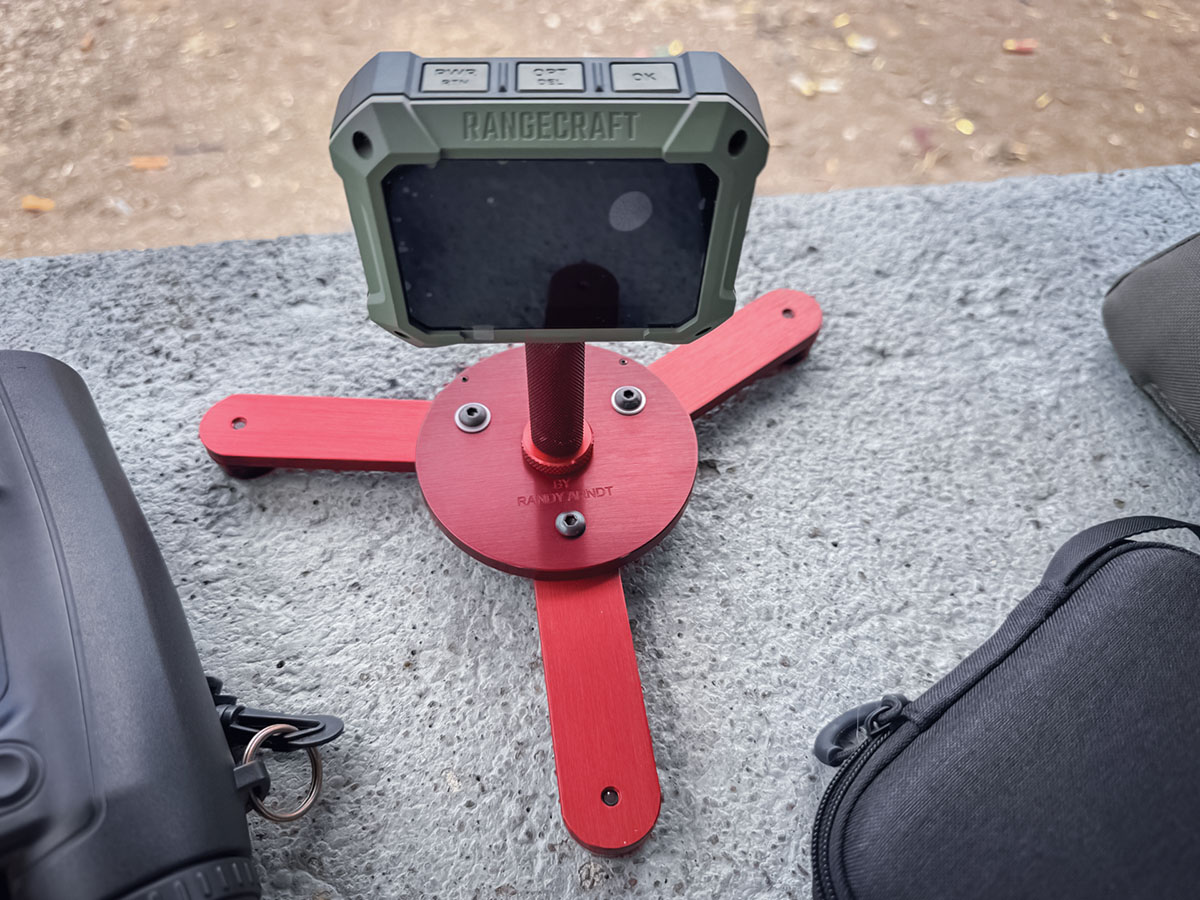
Velocities were recorded with the new Athlon Optics Rangecraft Velocity Pro Radar Chronograph that I set up with a custom tripod made from west-Texas-wind-resistant-aluminum by fellow Shootist, Randy Arndt. This little contraption adds a bit more stability than the tripod supplied with the gadget and also adds some peace of mind for deploying these tiny chronographs, especially out here in Texas where the wind blows more often than not. Like I said, the rifle and all ammunition performed well enough to easily take out a varmint at 100 yards, which the Spur trip had already proven. The largest group was about two inches with Hornady’s ammunition, with two of the three rounds touching. The shots felt good, but I could have pulled one, or the fickle wind could have wreaked a little havoc with a flyer. I’m certain that a tuned trigger will shrink all these groups even smaller.
Are there “better” varmint cartridges available these days? Well, there certainly are cartridges that fire a projectile faster and farther than the capabilities of the old 22 Hornet, no argument there. However, this efficient little cartridge housed in a sleek stalking rifle like the Ruger 77/22 African is an absolute hunter’s small-game rifle. The duo makes a perfect combination for the outdoorsmen who take delight in testing their predatory skills by slipping up on wary prey as close as possible before losing a carefully aimed shot into whatever game animal or varmint is the target of the day. The 22 Hornet is made for true, dyed-in-the-wool sportsmen who relish close encounters with handy rifles. There are faster choices for the long-range shooter, but there may not be a better choice for the crafty woodsman who wants a classy bolt gun in a classic cartridge!
Resources:
- Randy Arndt (chronograph tripod)
970-596-1729
- Gunsmoke Outfitters-Curtis Jahnke
(701-238-3680)
- Lipseys.com
- Spur Outfitters Firearms Training
(silverspur.com)