204 Ruger
A Realistic Look at Trajectory and Wind Deflection
feature By: Roy Welch | April, 18
The relative merits of the 204 Ruger have been a subject of interest over the last 14 years, with many articles written extolling its virtues as a top-flight varmint cartridge. One such article written by Gene Cline appeared in the January-March 2009 issue of The Varmint Hunter Magazine (now defunct) and deserves mention. It provides an in-depth comparison of nine popular cartridges from the 17 Fireball to the 243 Winchester, including the 22-250 Remington and 223 Remington, and places the 204 Ruger at the top of a list of preferred prairie dog cartridges.
My experiences using the 204 Ruger and other varmint cartridges over the past 12 years are similar to Mr. Cline’s. The 204’s accuracy, flat trajectory, low recoil and explosive impact of bullets makes it an excellent cartridge to use either from a bench or from a “walking varmint rifle.”
It is important to recognize, however, that to minimize wind deflection and maximize impact energy at longer distances, it is appropriate to use bullets with G1 ballistic coefficients (BCs) greater than .250 and weighing at least 39 grains. Lighter bullets such as the Hornady 24-grain NTX and Barnes 26-grain Varmint Grenade that have BCs of less than .200 and are loaded to muzzle velocities greater than 4,000 fps shed velocity quickly, lose much of their “explosive” effect and result in less-than-instantaneous kills on prairie dogs and woodchucks at distances beyond 200 yards.
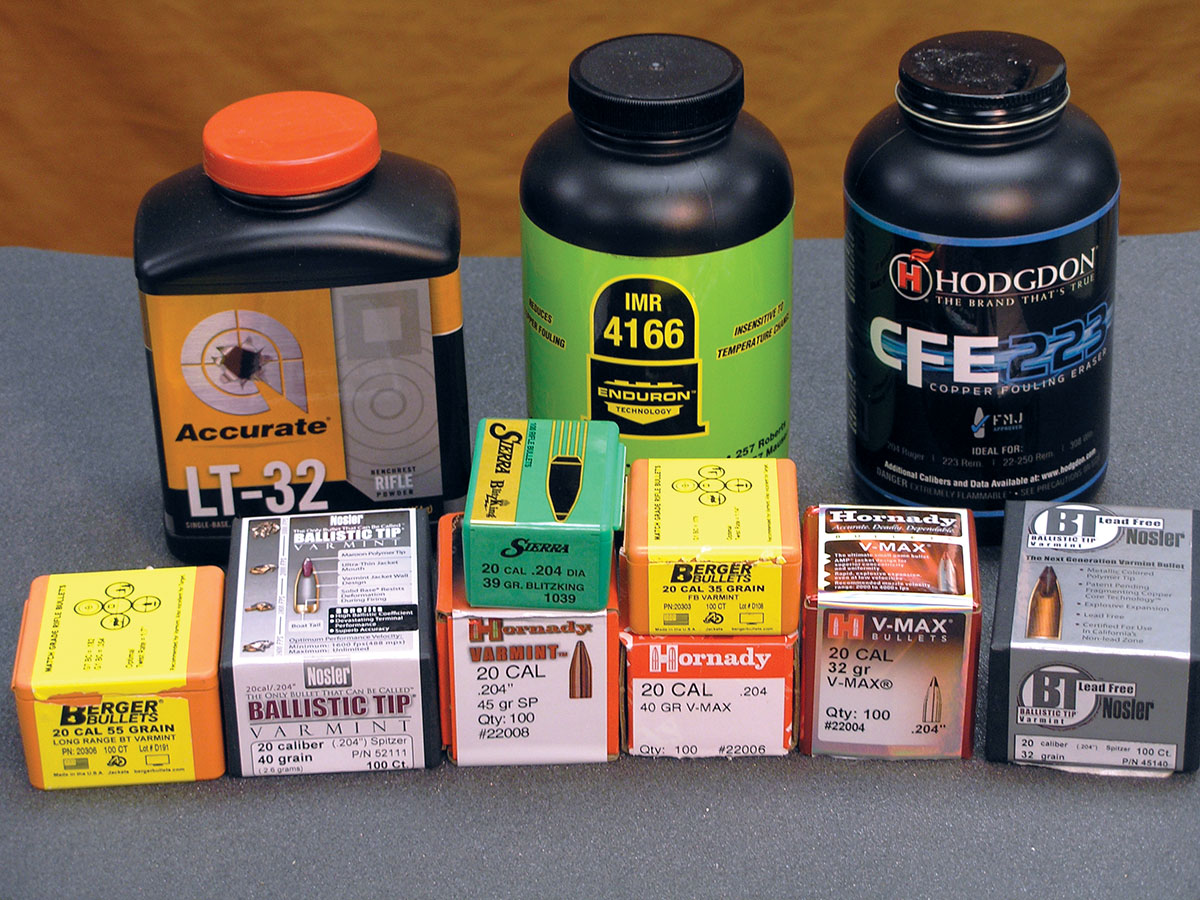
The best all-around 204 varmint bullets are the polymer-tipped, jacketed lead-core bullets of 39 and 40 grains launched at muzzle velocities of 3,600 to 3,900 fps. Berger 55-grain Long Range BT Varmint bullets that have a BC of .354 can be loaded to a velocity of approximately 3,200 fps. Bullet drop is somewhat greater than 39- to 40-grain bullets but wind deflection is less, and kinetic energy is greater.
To make the 204 Ruger a genuine beyond-400-yard cartridge, it is necessary to use bullets such as the Sierra 39-grain BlitzKing, Hornady 40-grain V-MAX and Remington 40-grain AccuTip-V boat tail, which have BCs of .275 or better and velocities of 3,900 fps in factory loadings, and approximately 3,700 fps in handloads. Compared with 32-grain bullets, wind deflection is reduced by about 25 percent, and kinetic energy is approximately 50 percent greater at distances beyond 350 to 400 yards, making bullet strikes much more apparent.
Select loads and their exterior ballistics will be discussed further, but first it is important to address two concerns regarding 204 rifle barrels that influence accuracy and long-range performance.
Twist and Free-Bore Considerations
Factory rifles chambered for the 204 Ruger cartridge include a diverse selection of bolt-action and AR-15 models in sporter and varmint configurations. With few exceptions, these rifles are fitted with 1:12 twist barrels. Although most shooters obtain tight groups with 32- and 35-grain bullets, there are reports of instances in which poor groups occur with 39- and 40-grain bullets due to a too-slow twist.
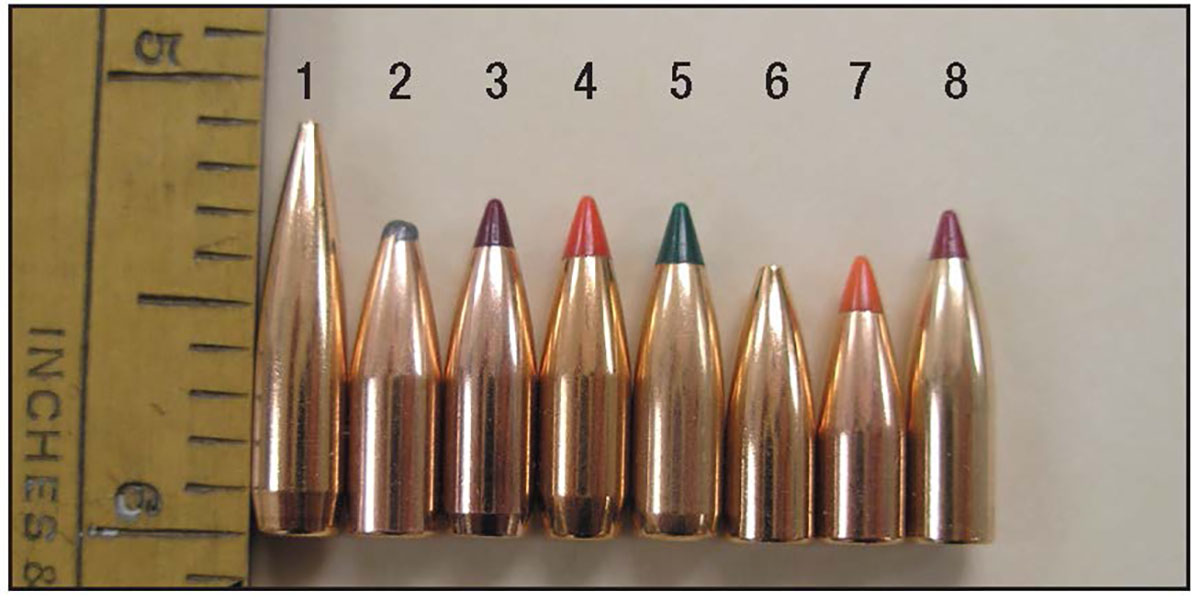
For example, the Hornady 40-grain V-MAX bullet with a length of .752 inches and a muzzle velocity of 3,900 fps, has a calculated Sg of .848 when fired from a 1:12 twist barrel. There is a 20 percent reduction from the listed BC of .275 to an effective BC of .221. This reduction in BC, in turn, results in additional drop and wind-deflection values and reduced kinetic energy at extended distances. Zeroed for 250 yards, the 40-grain V-MAX bullet at 400 yards exhibits an additional 1.7 inches of drop (-10.6 to -12.3), 4.7 more inches of 10-mph crosswind deflection (14.7 to 19.4) and 120 fewer foot-pounds of kinetic energy (521 to 401) – making it difficult to achieve vital-zone hits when targeting small varmints in less-than-ideal conditions. A 1:9 twist eliminates the potential reduction in ballistic coefficient, producing comfortable stability factors of approximately 1.5 for 39- and 40-grain .204 bullets.
For optimum performance, consider installing barrels with twists of 1:11 or 1:10 if planning to use 32- to 35-grain bullets, a 1:9 twist for 39- to 40-grain bullets or a 1:8 twist for the Berger 55-grain Long Range BT Varmint bullet. Also note that lead-free bullets of a given weight tend to be a bit longer and may require a faster twist. Experience has shown that good accuracy can be achieved with 32- to 55-grain bullets in one-in-9-inch twist barrels. Within reason, you are unlikely to notice a reduction in accuracy by having a barrel with too fast a twist.
Handloaders who use a variety of powders and jacketed bullets like to be able to seat bullets touching or within a few thousands of an inch from the lands. They know from long experience that excessive bullet jump is not conducive to optimal accuracy. Despite the jump, good accuracy is routinely reported with 32-grain bullet factory ammunition in factory rifles. However, because throat erosion occurs with high-velocity rounds, the bullet jump to engage the lands will increase proportionally to the number of rounds fired, shortening the time until it is necessary to set the barrel back and re-chamber, or to simply replace the barrel.
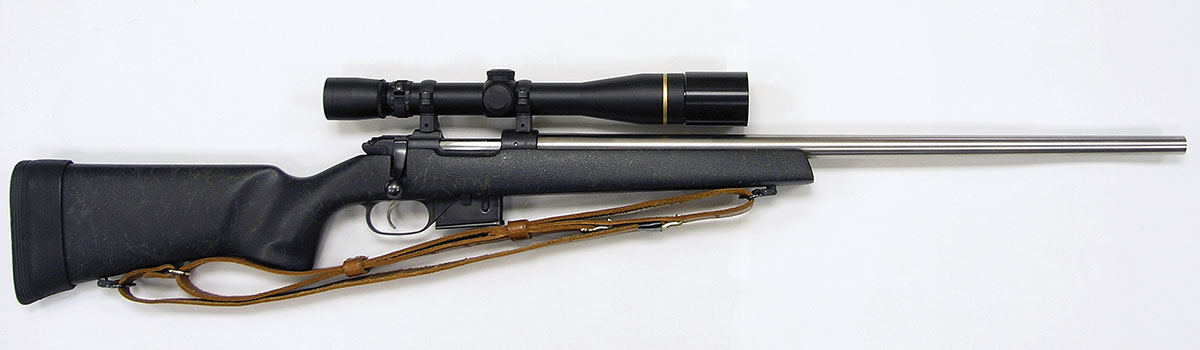
I recently experienced a problem with excessive free bore when I chose to re-barrel a CZ 527. In the absence of any instructions to the contrary, my gunsmith used a standard 204 Ruger reamer to chamber the Lilja replacement barrel. Upon receipt of the rebarreled rifle, the throat was found to be too long to allow Sierra 39-grain BlitzKing bullets to be seated close to the lands and still have sufficient seating depth in the case neck. In order to resolve this problem, the reamer was sent back to Dave Kiff of Pacific Tool and Gauge, who re-ground it to provide a match chamber reamer with .050 inch of free bore. The barrel was set back a small amount and re-chambered with the match reamer. I have experienced no evidence of excessive chamber pressure with either factory ammunition or handloads. Pac-Nor is one barrel maker that does provide the option of a match chamber for the 204 Ruger cartridge.
Loads to Consider
Over the last few years, several new powders have appeared on the market that are worth considering for 204 Ruger handloads. They include, but are
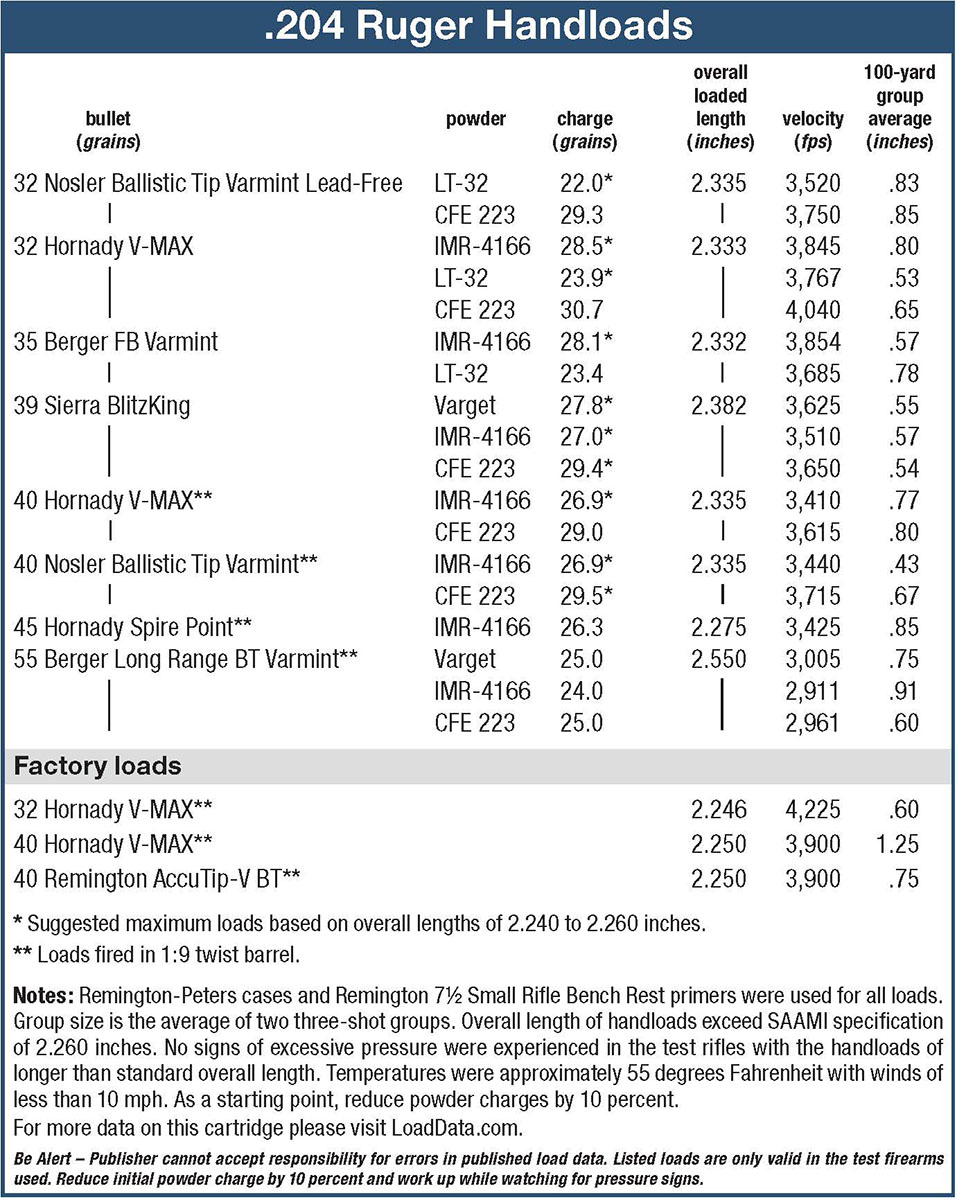
A selection of loads is provided in the accompanying table for a variety of copper-jacketed and lead-free bullets of 32 to 55 grains from Berger, Hornady, Nosler and Sierra. These bullets have lengths of .605 to .910 inches and BCs of .179 to .354.
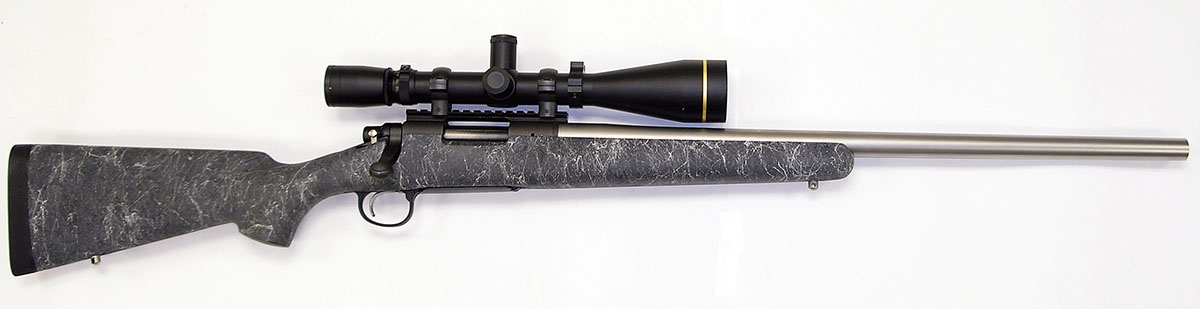
Two rifles chambered for the 204 Ruger cartridge were used to test the loads in the table. These include a semi-custom 204 built by Dale Hegstrom of Little Crow Gunworks on a pillar-bedded Remington 700 action with a 24-inch, stainless steel, Lothar Walther 1:9 twist barrel and H-S Precision synthetic stock; and a synthetic-stocked, pillar-bedded CZ 527 Varmint with a 24-inch Lilja sporter-weight, 1:12 twist barrel that has a match chamber. Both rifles produce sub-.75 inch groups with a variety of loads.
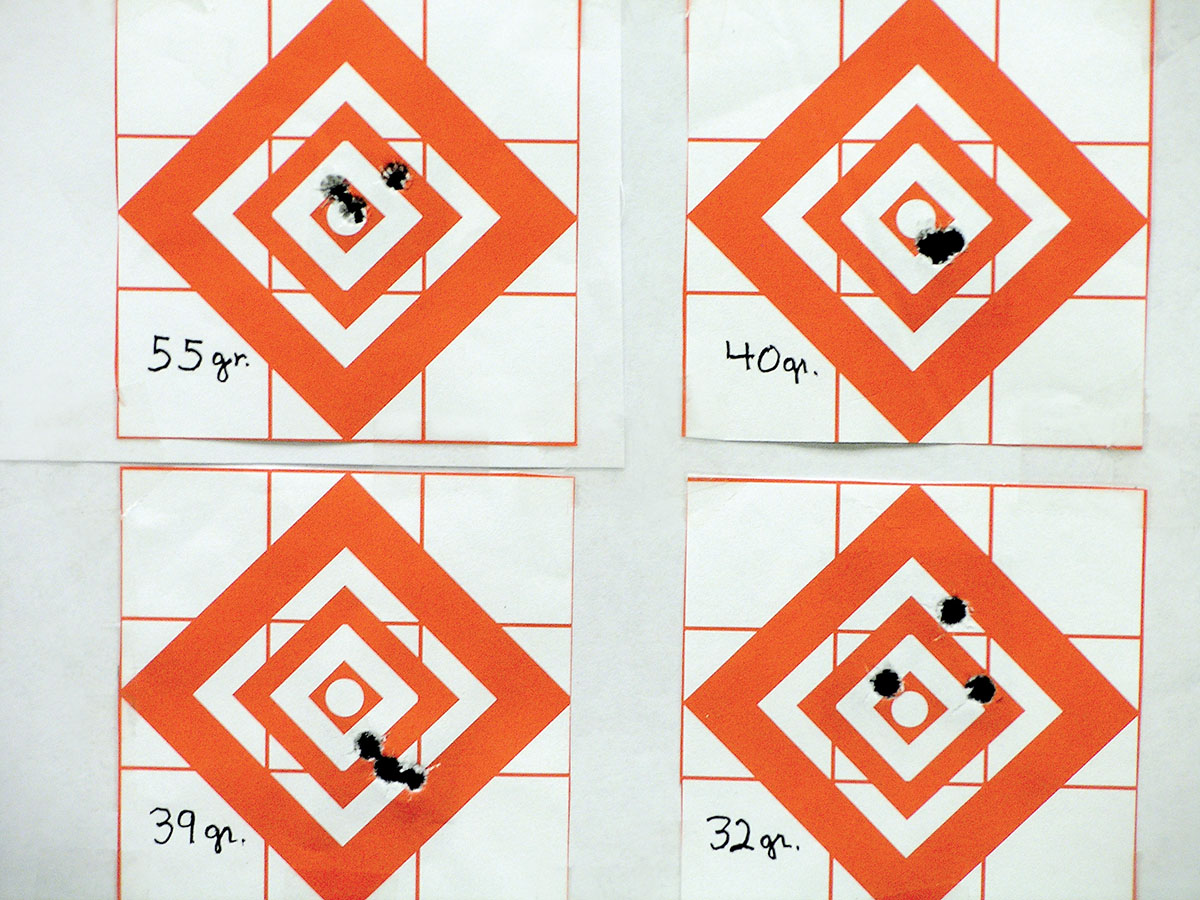
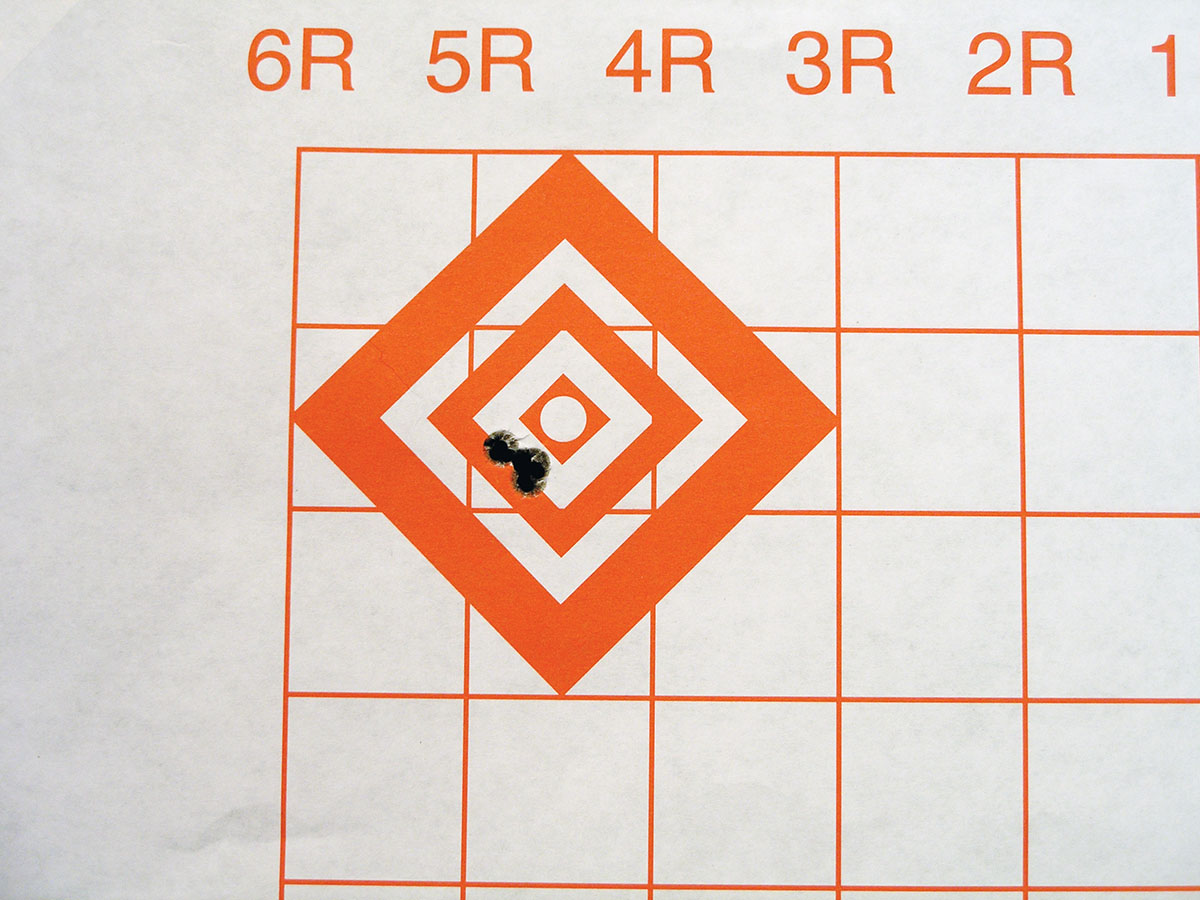
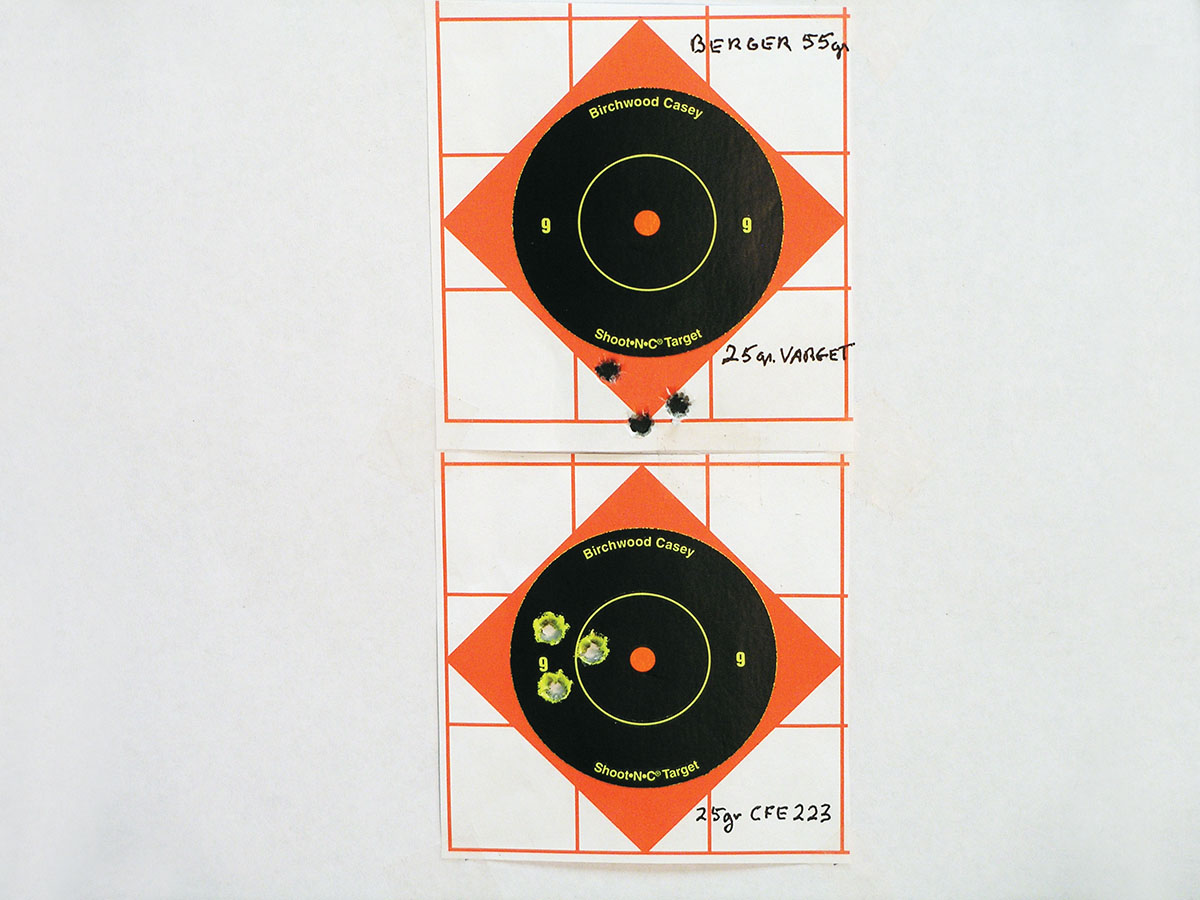
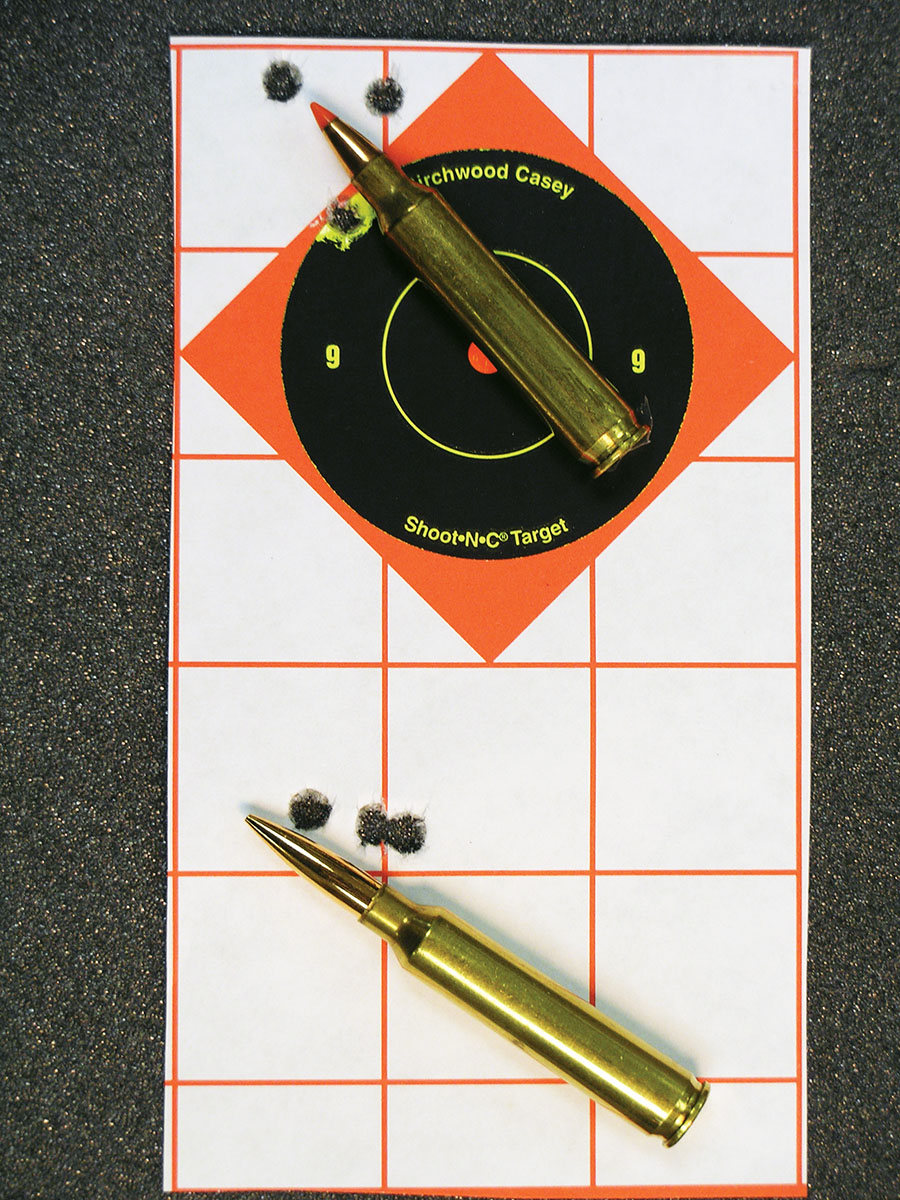
A review of the average 100-yard group sizes obtained with both handloads and factory ammunition in the table reveal that handloads of Accurate LT-32 powder produced three-shot groups averaging .53 and .78 inches with Hornady 32-grain V-MAX and Berger 35-grain FB Varmint bullets. CFE 223 and IMR-4166 powders proved superior for loads with the Nosler 40-grain Ballistic Tip Varmint and Hornady 45-grain Spire Point bullets, yielding 100-yard groups that averaged between .43 and .85 inches. In comparison, my favorite load of 27.8 grains of Hodgdon Varget powder produced groups averaging .55 inch with Sierra 39-grain BlitzKing bullets. Loads with CFE 223, IMR-4166 and Varget powders all produced sub-MOA groups with the Berger 55-grain Long Range BT Varmint bullets fired in the Remington 700 with the Walther 1:9 twist barrel. Remington 40-grain AccuTip-V BT and Hornady 32-grain V-MAX factory loads at muzzle velocities of 3,900 and 4,225 fps fired in the Remington 700 yielded three-shot groups averaging .75 and .60 inch, respectively, demonstrating once again that a 1:9 barrel twist is an excellent choice for a range of 204 bullet weights.
Velocities for the 32- to 45-grain bullets ranged from approximately 3,400 fps to just over 4,000 fps, with the majority of loads for bullets of 32 to 40 grains averaging between 3,500 and 3,800 fps. The high-BC Berger 55-grain Long Range BT Varmint bullets at a muzzle velocity of 3,000 fps match the trajectory of 223 Remington 55-grain factory ammunition, but with less wind deflection and superior downrange energy. Loaded to a muzzle velocity of 3,200 fps, the 55-grain .204 bullet closely approximates the long-range exterior ballistics of 55-grain factory ammunition for the 22-250 Remington.
In closing, a few comments on optimum zero distances for 204 Ruger loads are appropriate. If using 204 cartridges loaded to a velocity of more than 3,600 fps and a rifle with a scope that has a traditional reticle, bullet impacts adjusted to print 1.4 to 2 inches high at 100 yards will be close to dead-on at 275 yards. The midrange trajectory of less than +3.0 inches, allows you to “hold on hair” of small varmints at any distance out to approximately 325 yards. For shots at longer distances, “Kentucky elevation,” click adjustments or a scope with a ballistic reticle must be used. A 204 Ruger rifle with a 1:9 twist barrel and a match chamber, used with loads of modern powders behind jacketed, lead-core bullets of 39- to 55-grains will excel for shots at varmints out to distances of 400 yards or farther.