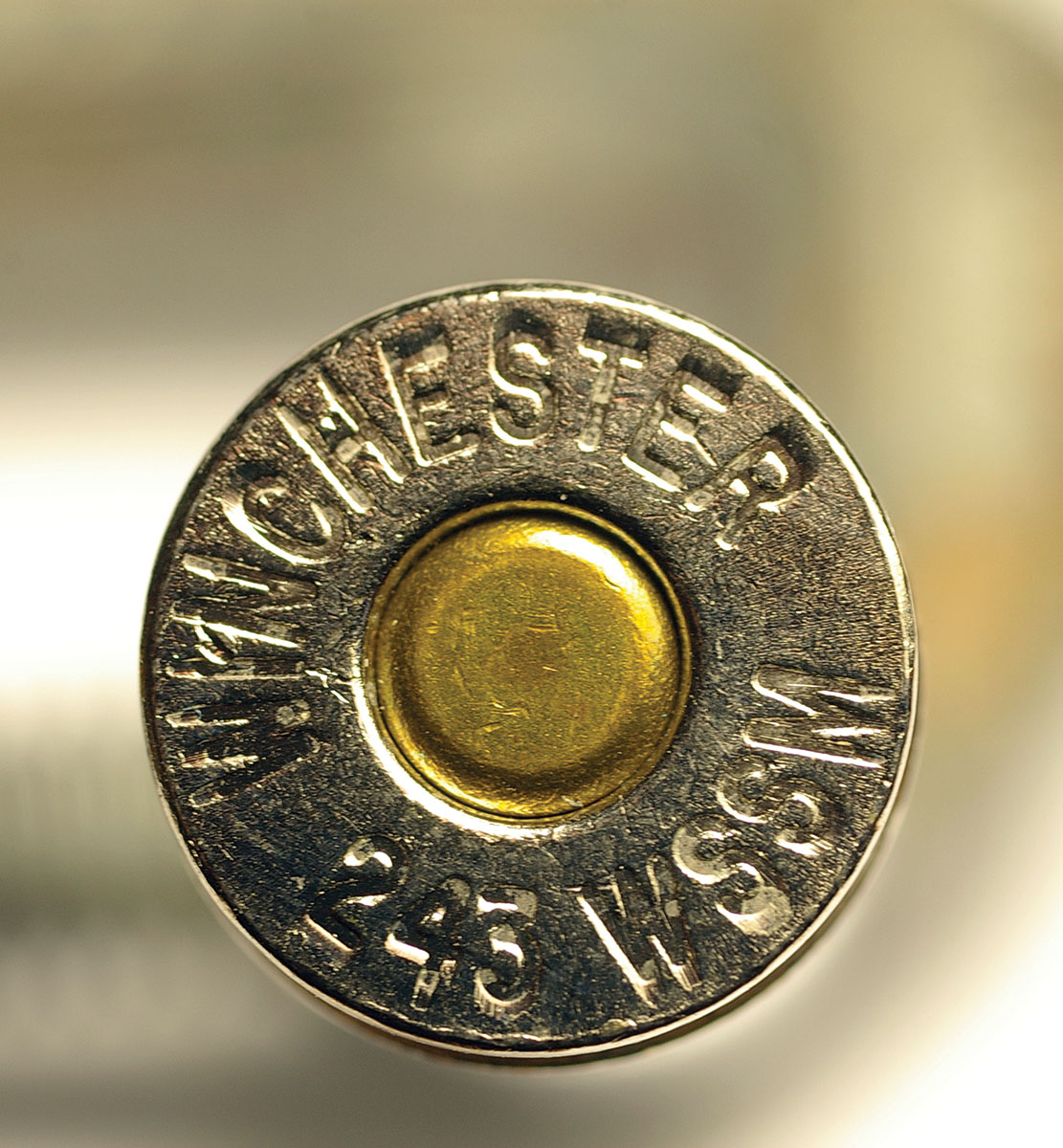
243 WSSM
High-Velocity 6mm Loads
feature By: John Haviland | April, 19
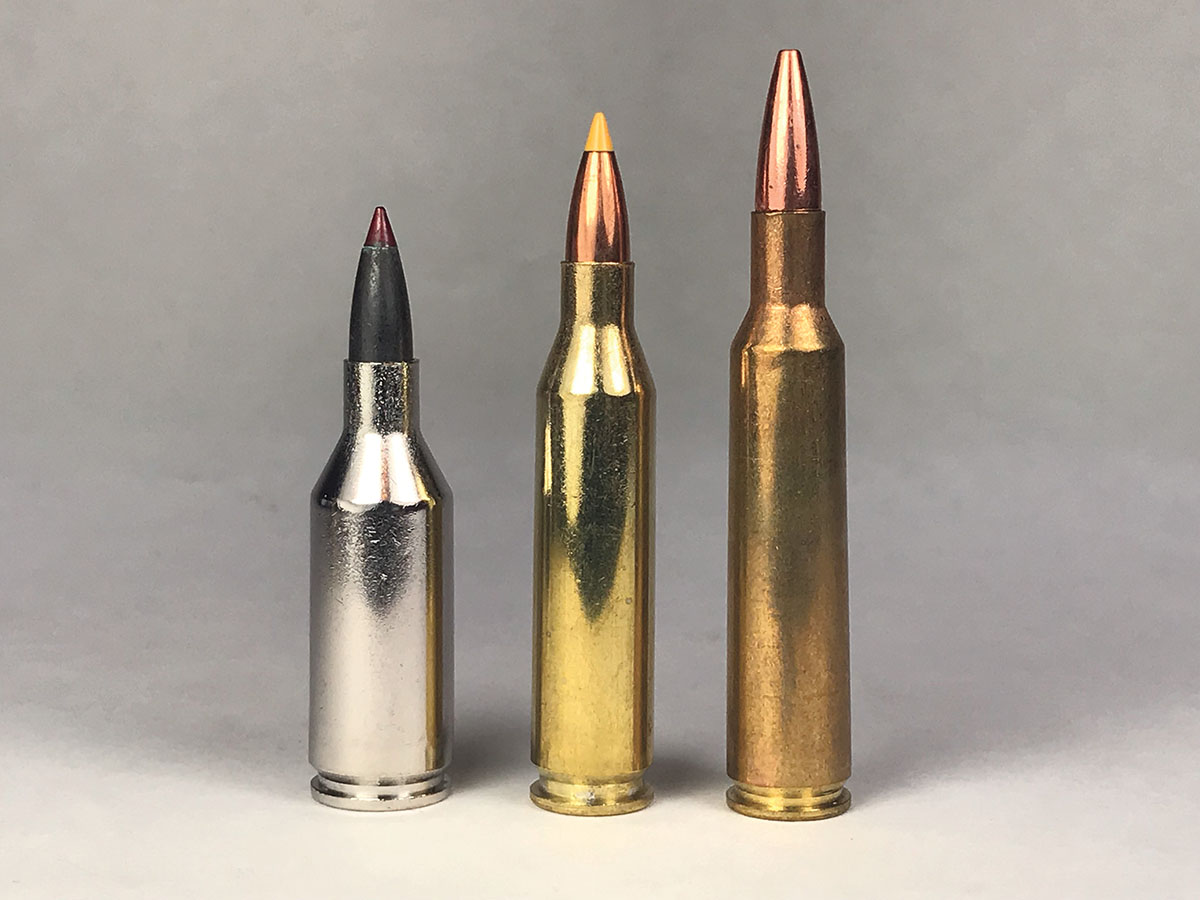
Nonetheless, the 243 WSSM remains a capable cartridge, and it should be out getting used, not standing idle in a gun cabinet. If a handloader owns one chambered in a bolt-action Winchester Model 70 or Browning A-Bolt or autoloading rifle, it will provide plenty of use pursuing game from ground squirrels to big-game. Winchester Ammunition still lists two loads for the 243 WSSM. One features 95-grain Ballistic Silvertip bullets with a listed muzzle velocity of 3,150 fps; the second features 100-grain Power-Point bullets at 3,110 fps. Factory cartridges are not exactly common, but several Internet sites sell them at a premium price. But it’s a handloader’s project to create loads with lighter-weight bullets for varmint shooting.
I was fortunate to find several boxes of Winchester Super X 100-grain Power-Point loads, discontinued Supreme cartridges loaded with 95-grain XP3 bullets and a 50-count bag of Winchester cases to feed a bolt-action Browning A-Bolt Hunter 243 WSSM. Winchester and Hornady sell new 243 WSSM cases, and quite a few Internet sites list cases in stock.
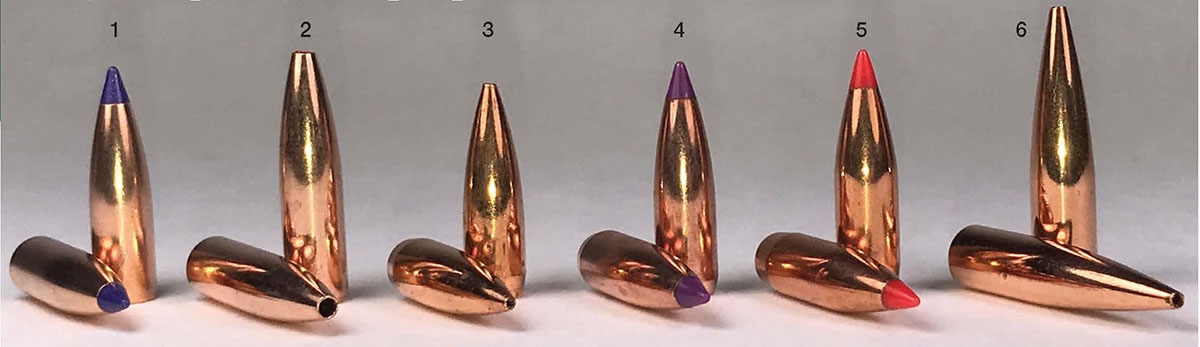
I used to think 70- and 80-grain bullets held onto to their velocity better to carry more energy and produce a flatter trajectory on distant shots than 55-grain bullets. But I changed my mind years ago after shooting a lot of Sierra 55-grain BlitzKing bullets through various 243 Winchester, 6mm Remington and 243 WSSM rifles at ground squirrels, prairie dogs and marmots.
I’ve never been able to exceed about 3,600 fps when shooting 70-grain bullets through the 22-inch barrels of two Browning A-Bolt Hunter 243 WSSM rifles, although various reloading manuals list velocities up to 3,800 fps from 24-inch barrels. However, A-Bolt rifles have fired Nosler 55-grain Ballistic Tip bullets a touch under 4,000 fps. Comparing 55-grain and 70-grain Ballistic Tips at those velocities, the lighter bullets shoot flatter by a few inches all the way out to 500 yards. The heavier bullets do carry some additional energy, but not enough to make a noticeable difference on even a big marmot. Recoil from the 55-grain bullets is also noticeably less.
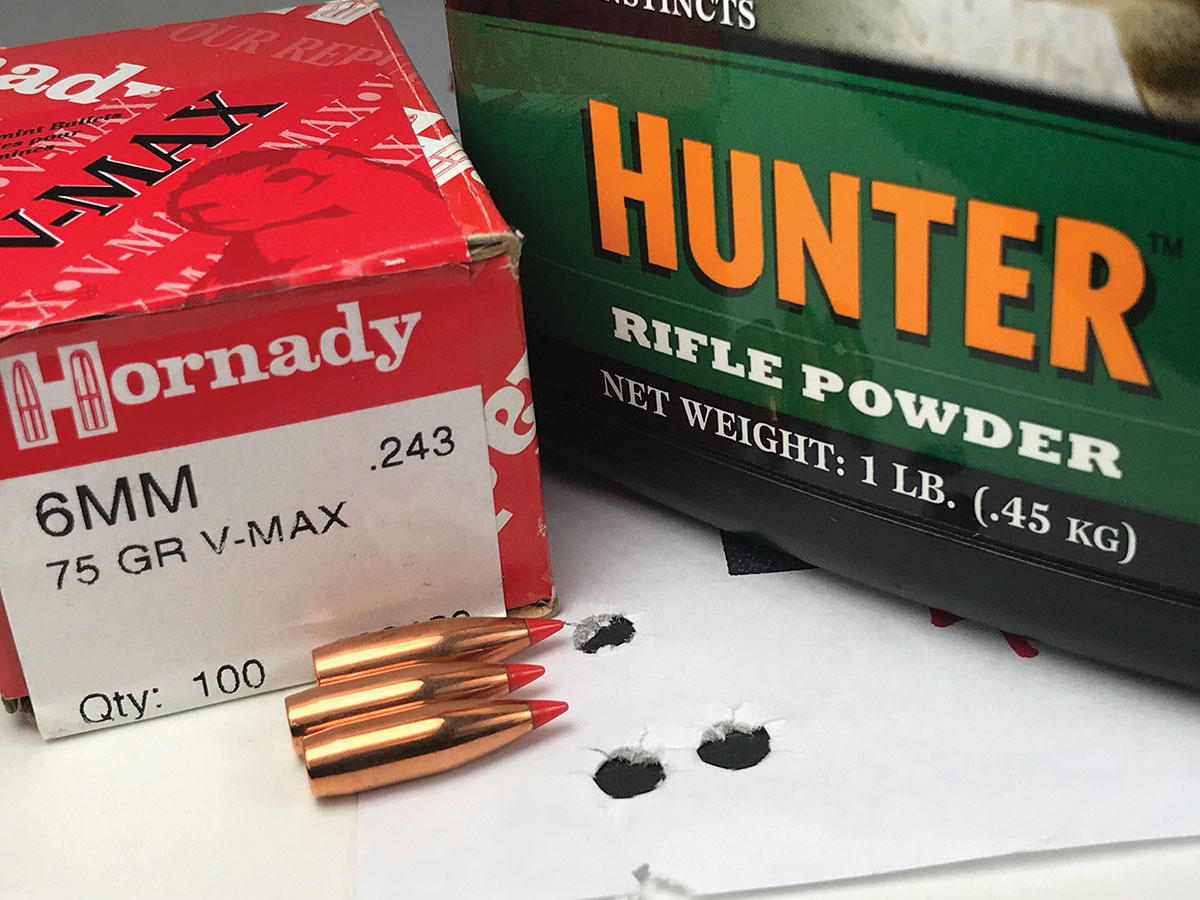
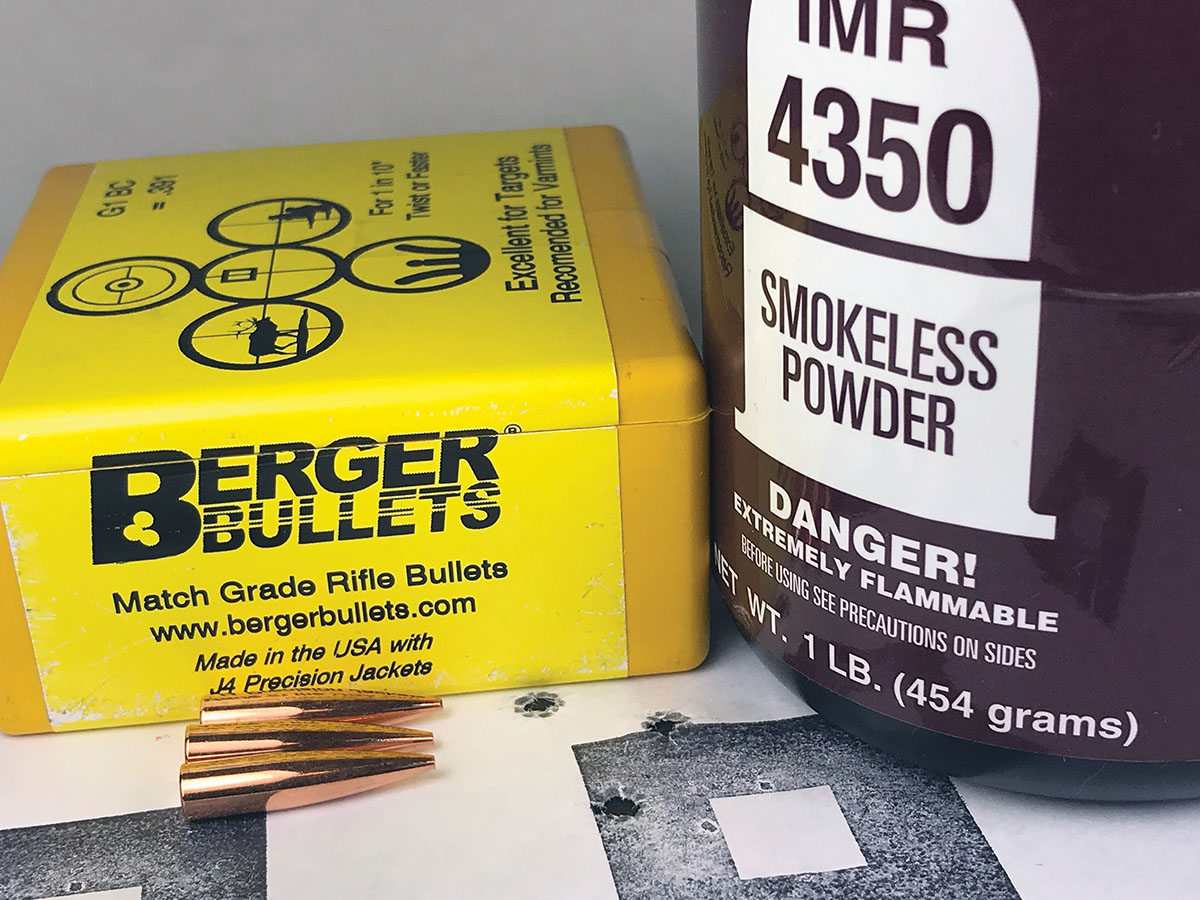
The 243 WSSM performs best with the same powders as the Winchester’s original 243.
I’ve used powders with a relatively fast burn rate of IMR-3031 with 55-grain bullets to the relatively slow burn rate of SUPERFORMANCE with heavier bullets.
Hodgdon Powder (hodgdonreloading.com) lists maximum loads of about 2 to 7 grains more of various powders in the 243 WSSM than it does for the 243 Winchester. That extra powder gives 70- to 90-grain bullets fired from the short magnum from 70 to a bit over 140 fps additional velocity over the standard 243. Hodgdon lists nearly the same powder charges for the 6mm Remington and the 243 magnum, with both cartridges generating nearly the same bullet velocities. Because the 243 WSSM has fallen by the wayside, several current reloading manuals I thumbed through do not list newer powders for it, like IMR-4166 and IMR-7977.
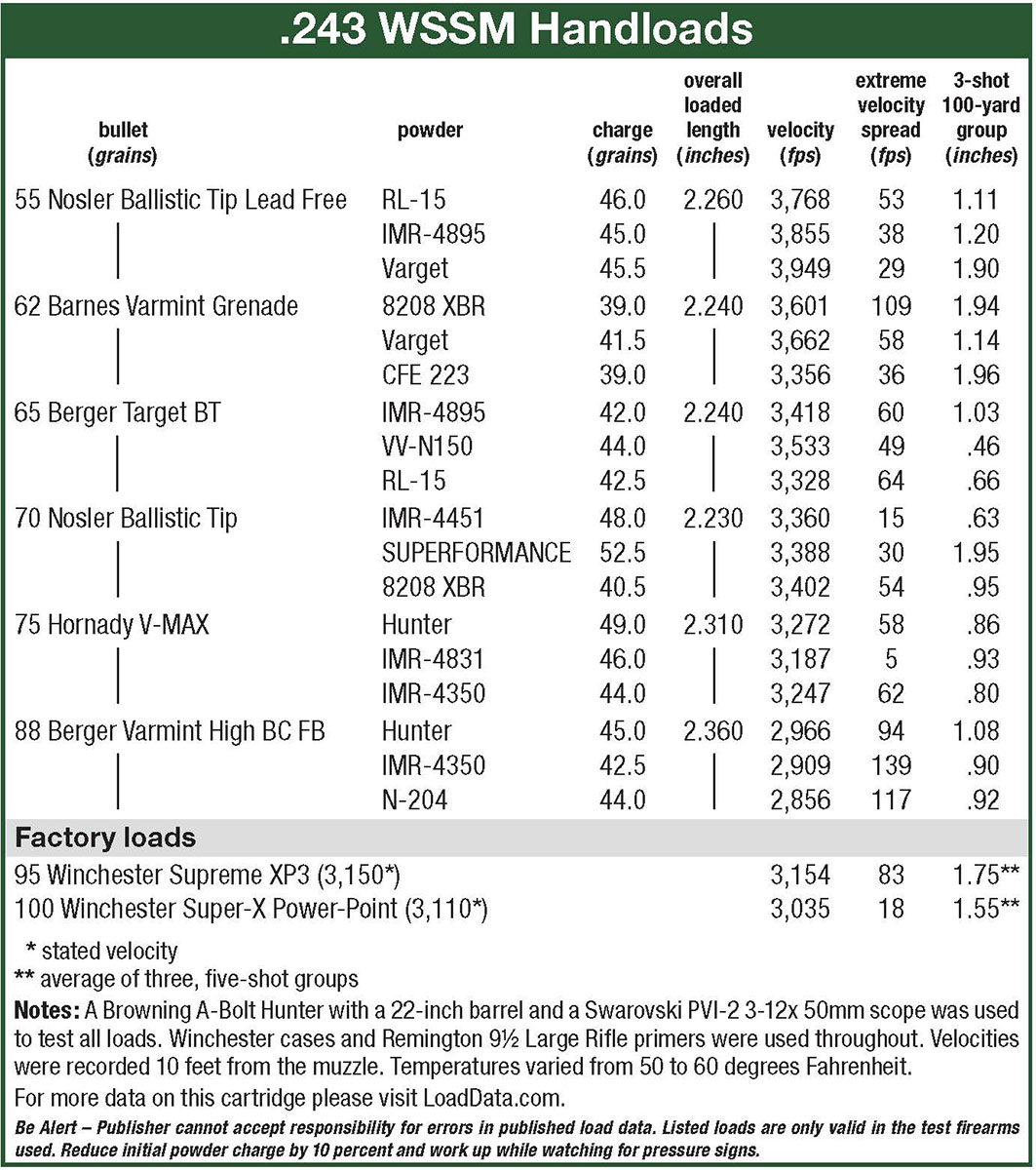
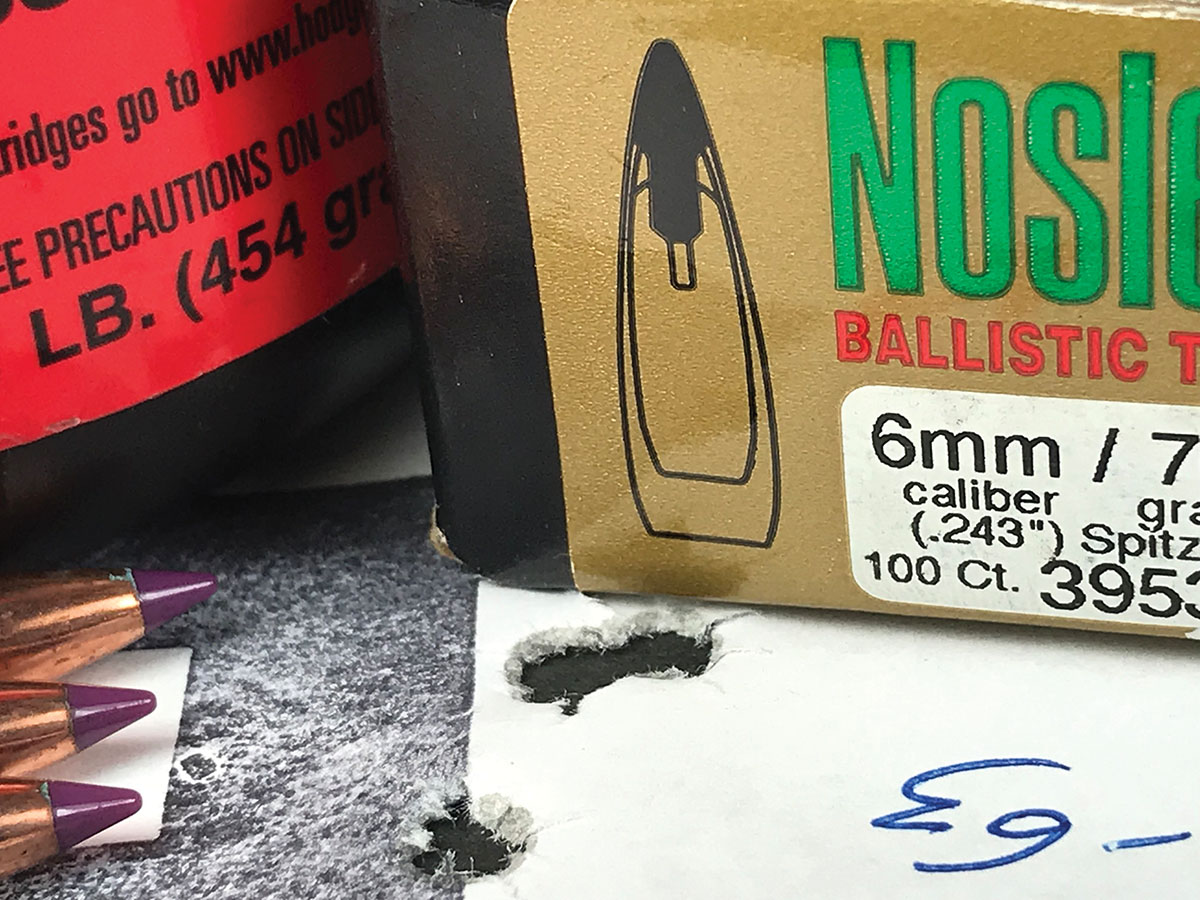
One ballistic advantage claimed for the 243 WSSM is its short, wide powder column that supposedly produces an even powder burn that results in narrow extreme velocity spreads. Average extreme velocity spread for each of the six bullets in the accompanying table was as follows: Nosler 55-grain Ballistic Tip Lead Free, 40 fps; Barnes 62 Varmint Grenade, 68; Berger 65 Target BT, 58; Nosler 70 Ballistic Tip, 33; Hornady 75 V-MAX, 42; Berger 88-grain Varmint, 117 fps.
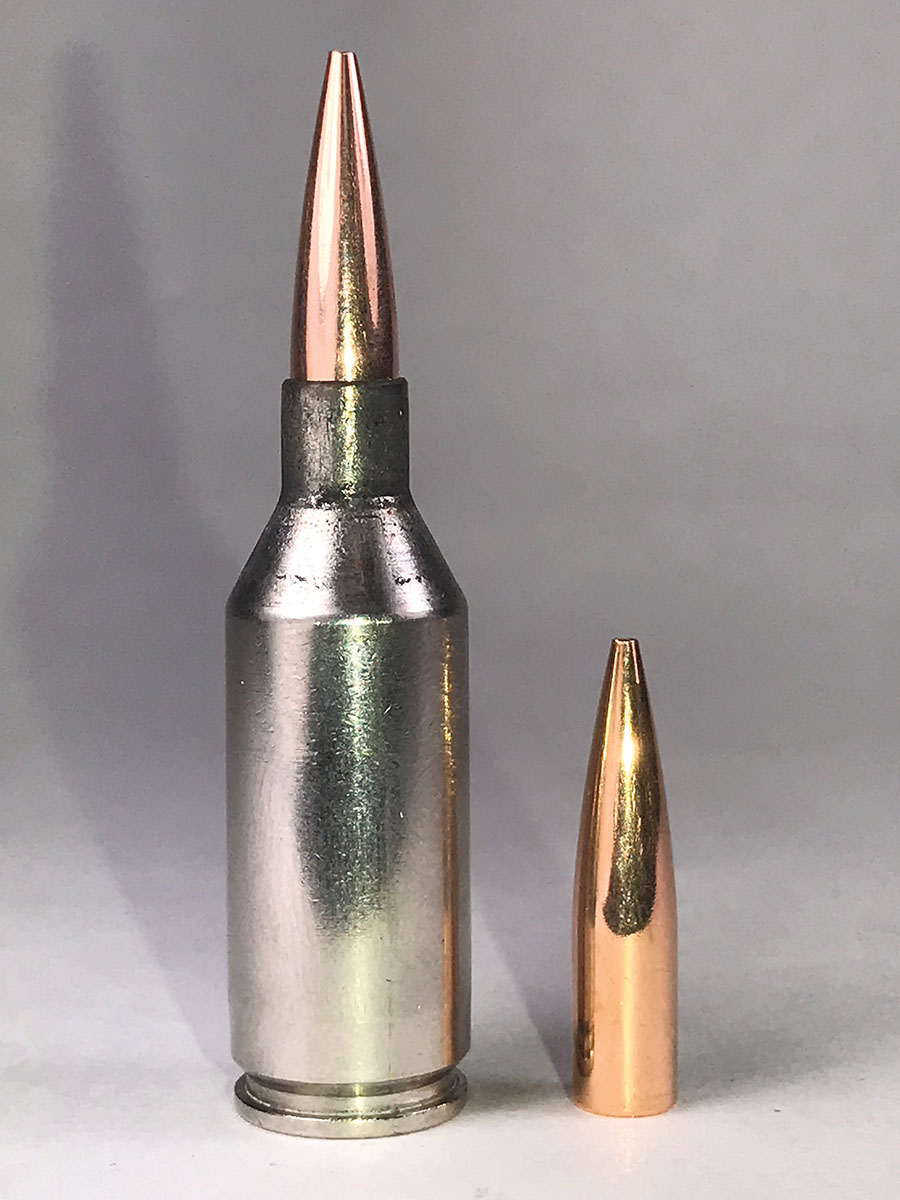
The low extreme velocity spreads are also likely due to powder charges being held tightly in place, producing a uniform burn. Powder charge weights toward maximum fill cases to at least the bottom of the shoulder. The WSSM’s maximum cartridge length is 2.360 inches, and the Browning A-Bolt’s magazine is just long enough to accept that length. The base of most bullets sits at least halfway down the shoulder with that cartridge length, and somewhat shorter cartridges. With a cartridge length of 2.360 inches, Berger 88-grain Varmint High BC FB bullets were seated .058 inch short of contacting the A-Bolt’s rifling.
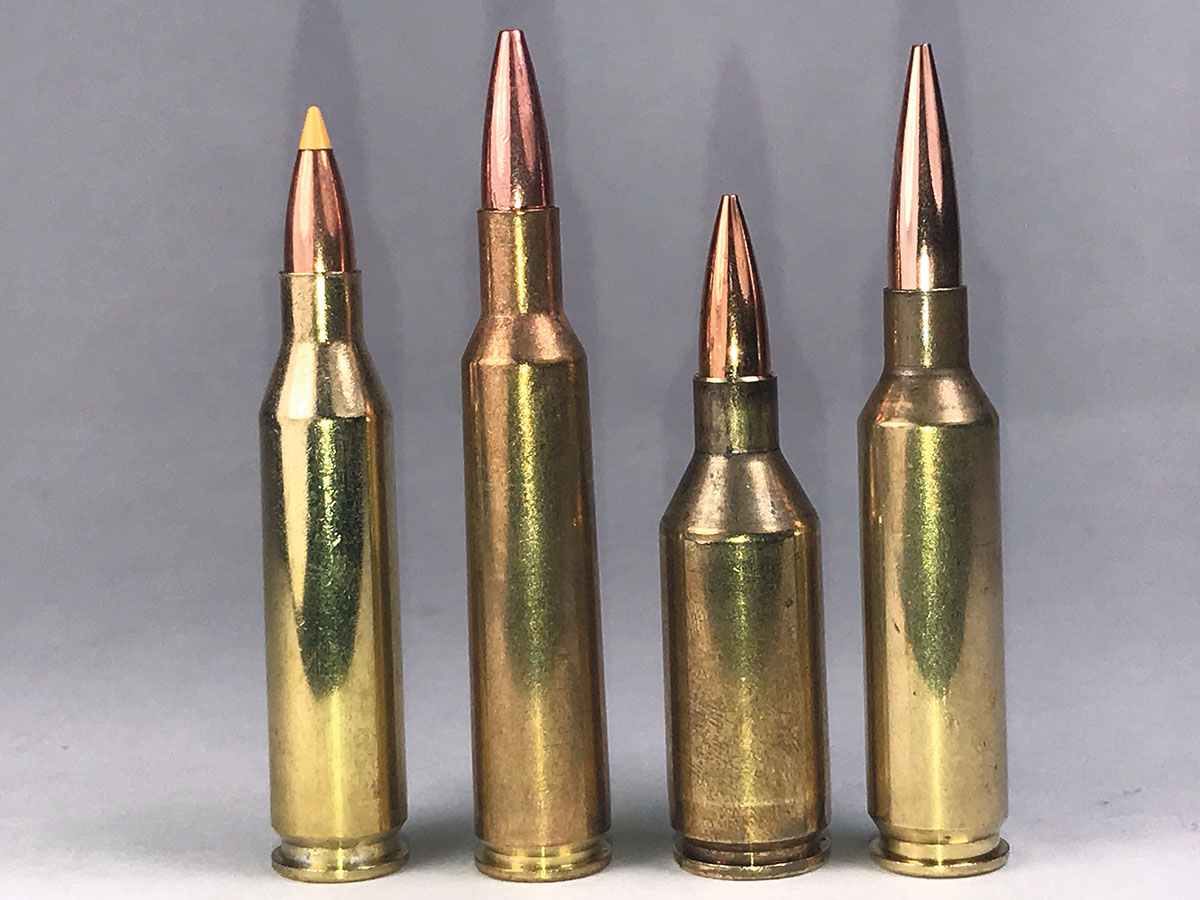
The 243 WSSM case body has only .0106 inch of taper. That taper is slightly less than the 243 Winchester and a lot less than the 6mm Remington. That slight narrowing keeps 243 WSSM case stretching to a minimum when fired and sized. Cases stretched about .006 inch in length the first time they were fired. The cases lengthened about an additional .004 inch when they were full-length sized. The cases barely stretched at all after trimming them to a length of 1.660 inches, firing them a second time and sizing them again.
The stumpy 243 WSSM case has a very thick wall, web and neck. Neck thickness measures .022 inch compared to .015 inch for the 243 Winchester. The average weight of 10 new Winchester 243 WSSM cases was 209.5 grains. In comparison, the average weight was 159.4 grains for 10 Winchester brand 243 Winchester cases. The WSSM’s additional brass is in the case head, web and walls, as its total capacity is only about 1.5 grains of water more than the .243 Winchester. The only problem with the WSSM’s thick cases is they fail to expand enough to seal the chamber when firing the reduced amounts of powder I used in an attempt to make some easy-recoiling practice loads, which resulted in blackened cases.
I first shot the 243 Super Short Magnum when it was introduced in 2003 in a Browning A-Bolt Varmint Stalker with, as Browning stated, a “medium heavy” 24-inch barrel, and also an A-Bolt Hunter exactly like the one used for this article. Comparing the velocity of a bunch of different loads, the Varmint Stalker’s 2-inch longer barrel produced about 30 fps more velocity than the original Hunter’s and the current Hunter’s 22-inch barrels. As long as the current Hunter’s barrel cooled for ten minutes after firing six cartridges, it shot groups about .5 inch larger than the Varmint Stalker.
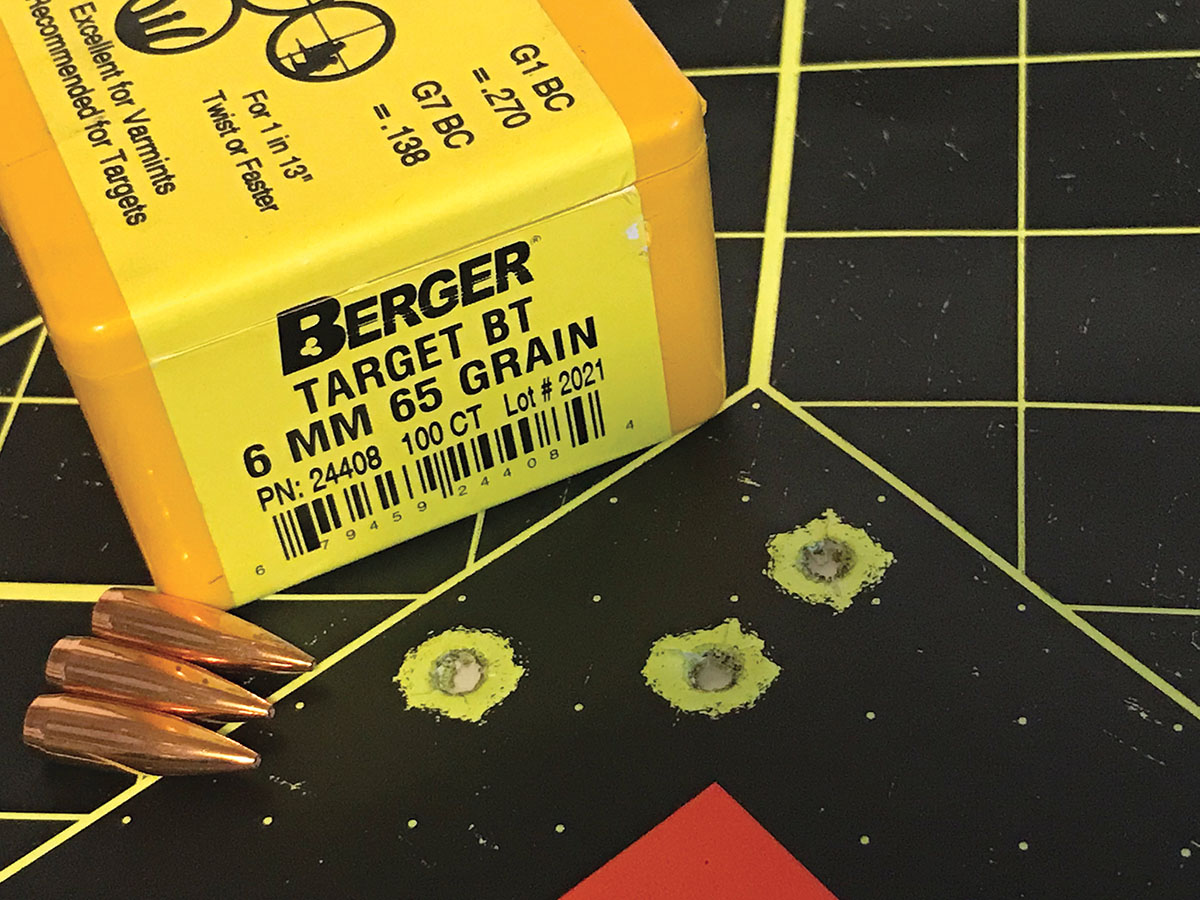
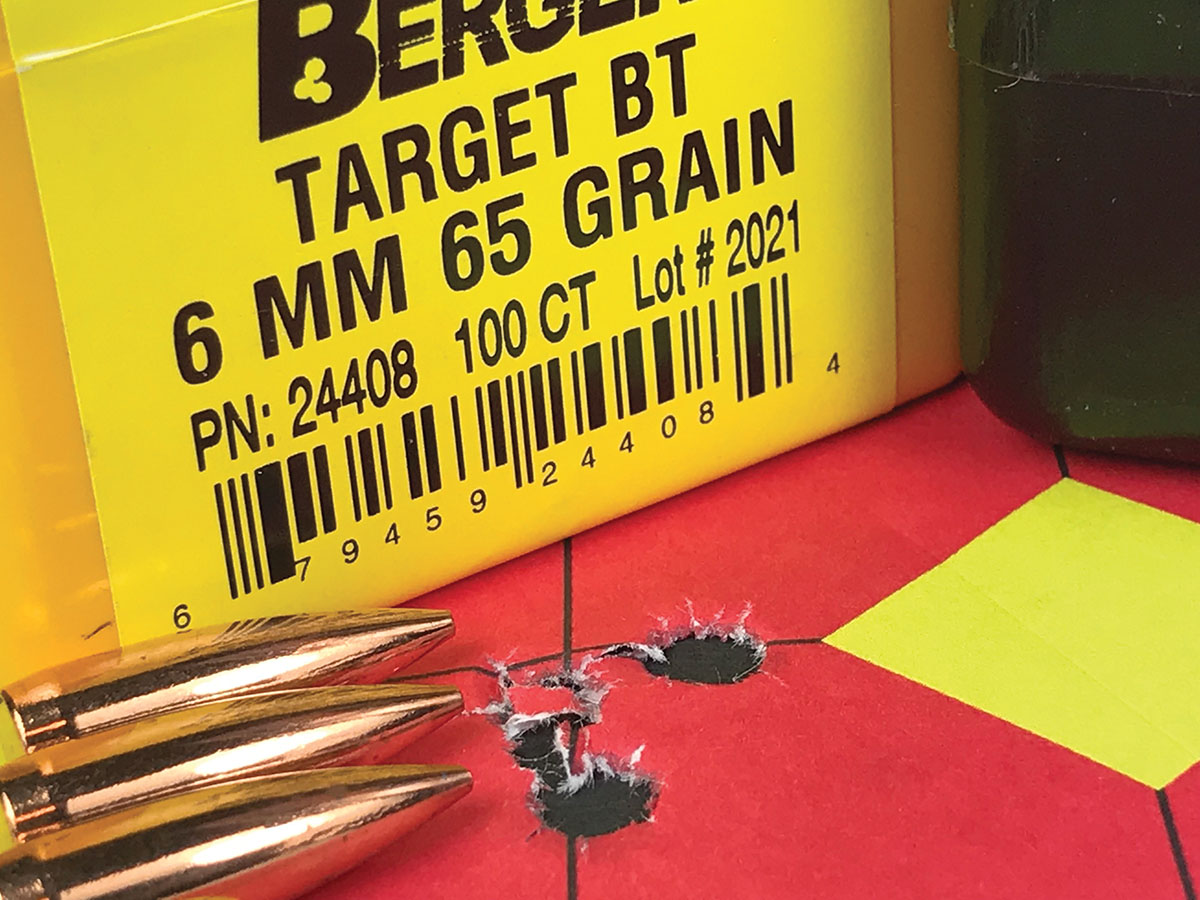
I loaded 243 WSSM cases with Berger 65-grain Target BT bullets and 44.0 grains of Vihtavuori N150 powder and headed to the range with the current A-Bolt Hunter. From the steady support of a bench, Berger bullets produced three-shot groups of .57, .96 and .36 inch, 2.5 inches above aim at 100 yards. Recoil was easy on my shoulder, but there was enough to bounce the crosshairs off the target paper. But only a second was required to bring the crosshairs back onto the aiming square.
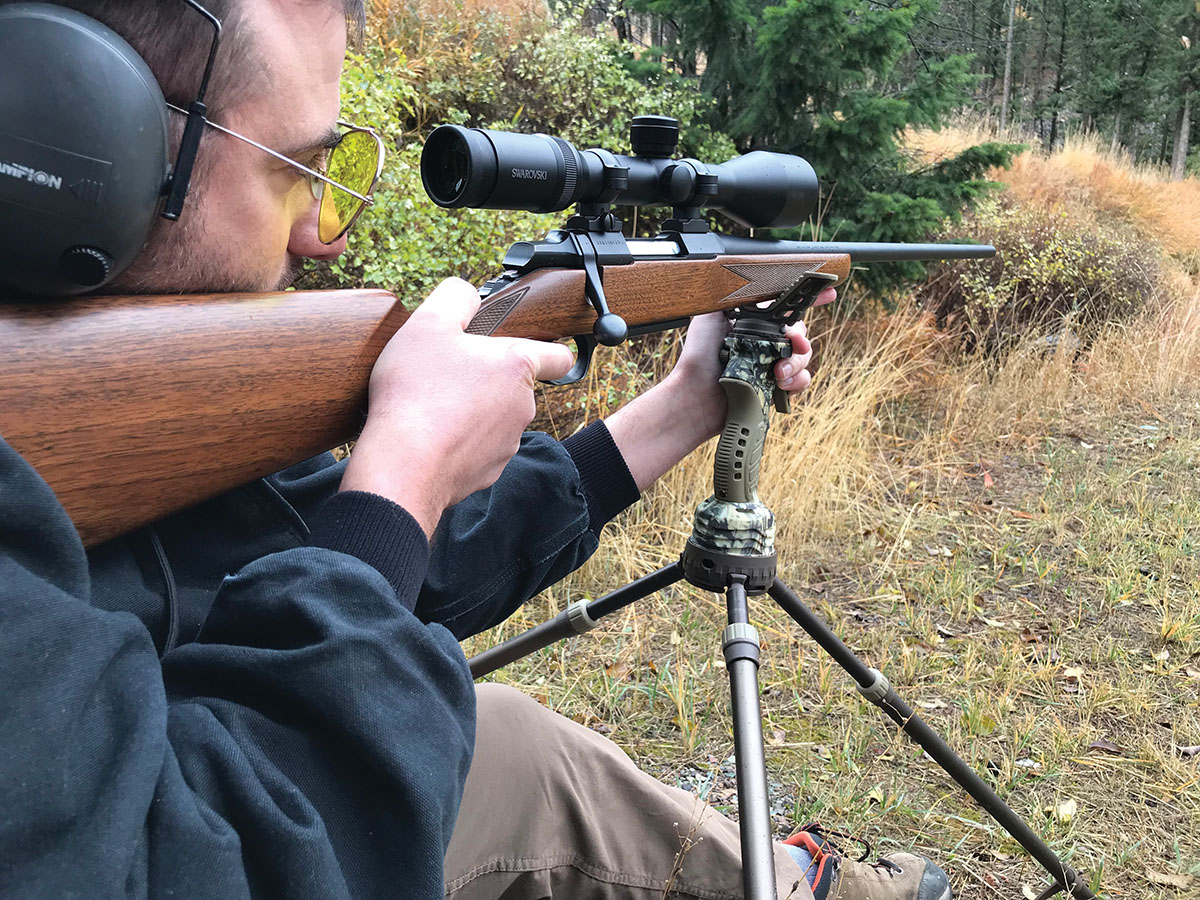
With the rifle still steadied on a bench, three of the Berger bullets landed in 1.34 inches at 300 yards. The bullets hit 1.5 inches above point of aim. That is a flat trajectory with slightly less bullet drop than a ballistic program stated. I stretched out on the ground with the rifle’s forearm and toe of the stock braced on sandbags. Three bullets landed in 1.85 inches at 300 yards. Sitting with the rifle’s forearm on a tripod, the rifle was steady – me not as much. three bullets hit in 3.47 inches way out there.
That’s great accuracy from a rifle with such a skinny barrel – or any rifle. Lots of rifles chambered in cartridges that have fallen by the wayside shoot fine. Just because the 243 Winchester Super Short Magnum is descending in that direction does not mean rifles for it should sit idle. The cartridge and the rifles out there are just too good. Handloading the 243 WSSM will prolong its use and keep its rifles in the hunting fields where they belong.