High Velocity 22 Long Rifles
A Survey of Speedy Little Bullets
feature By: John Haviland | October, 20
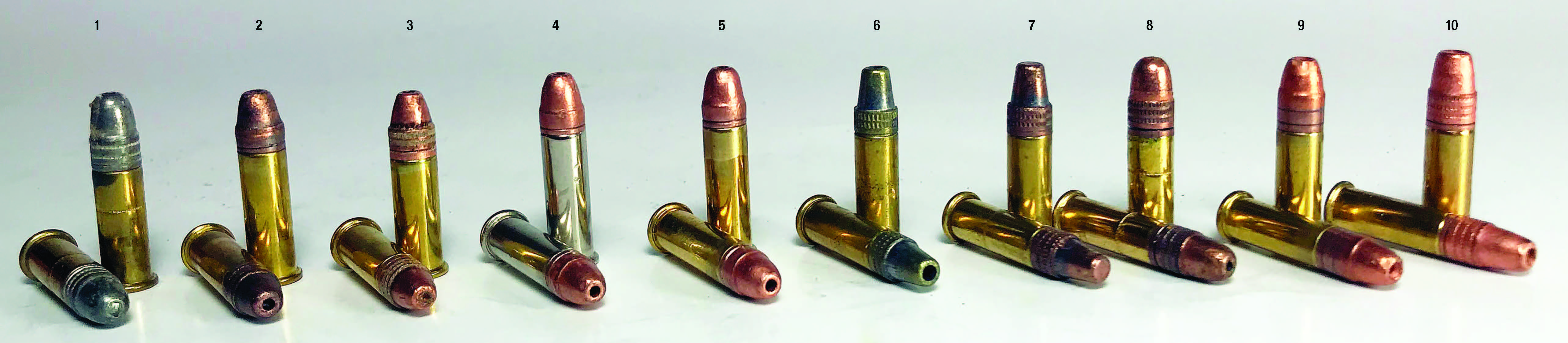
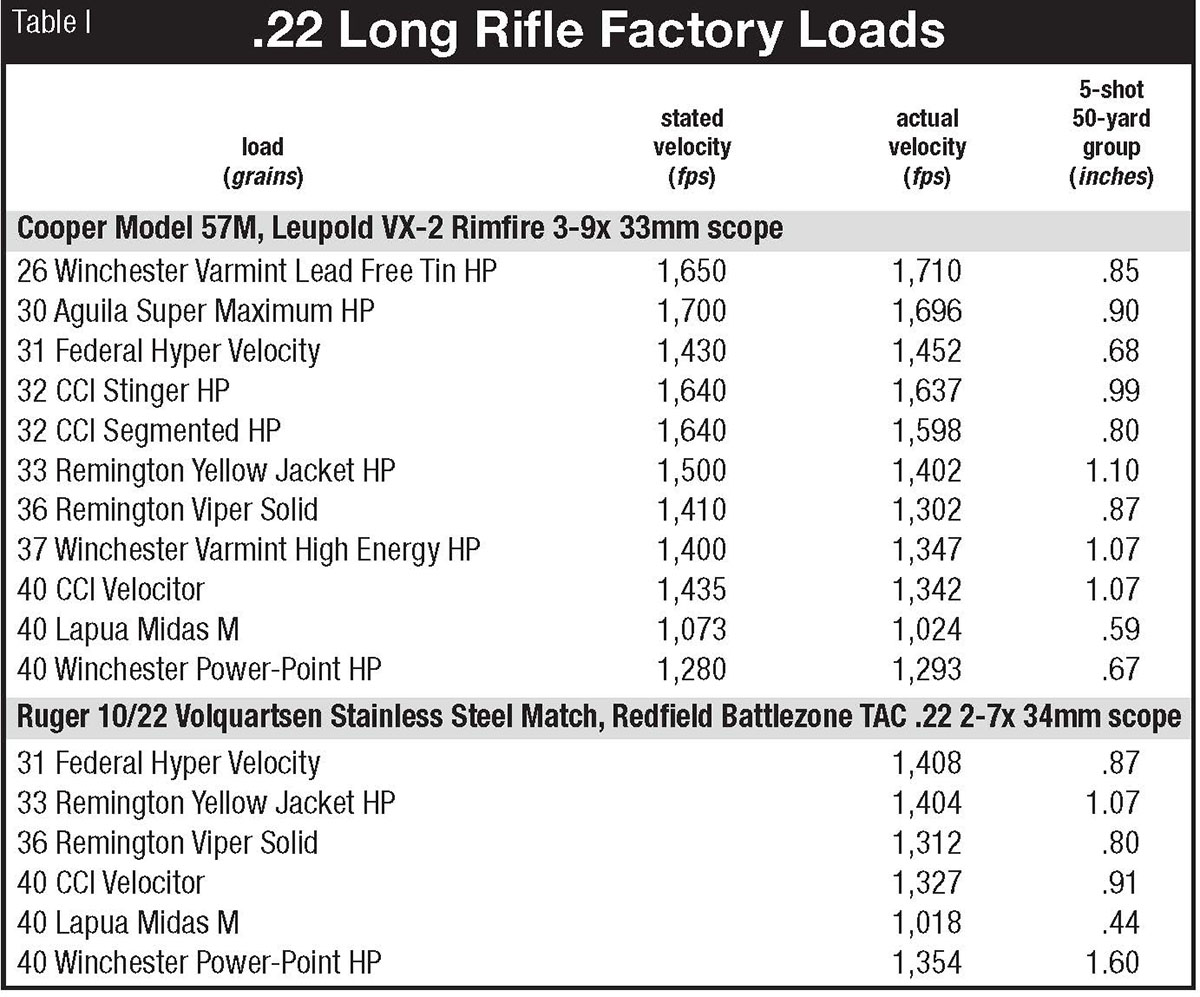
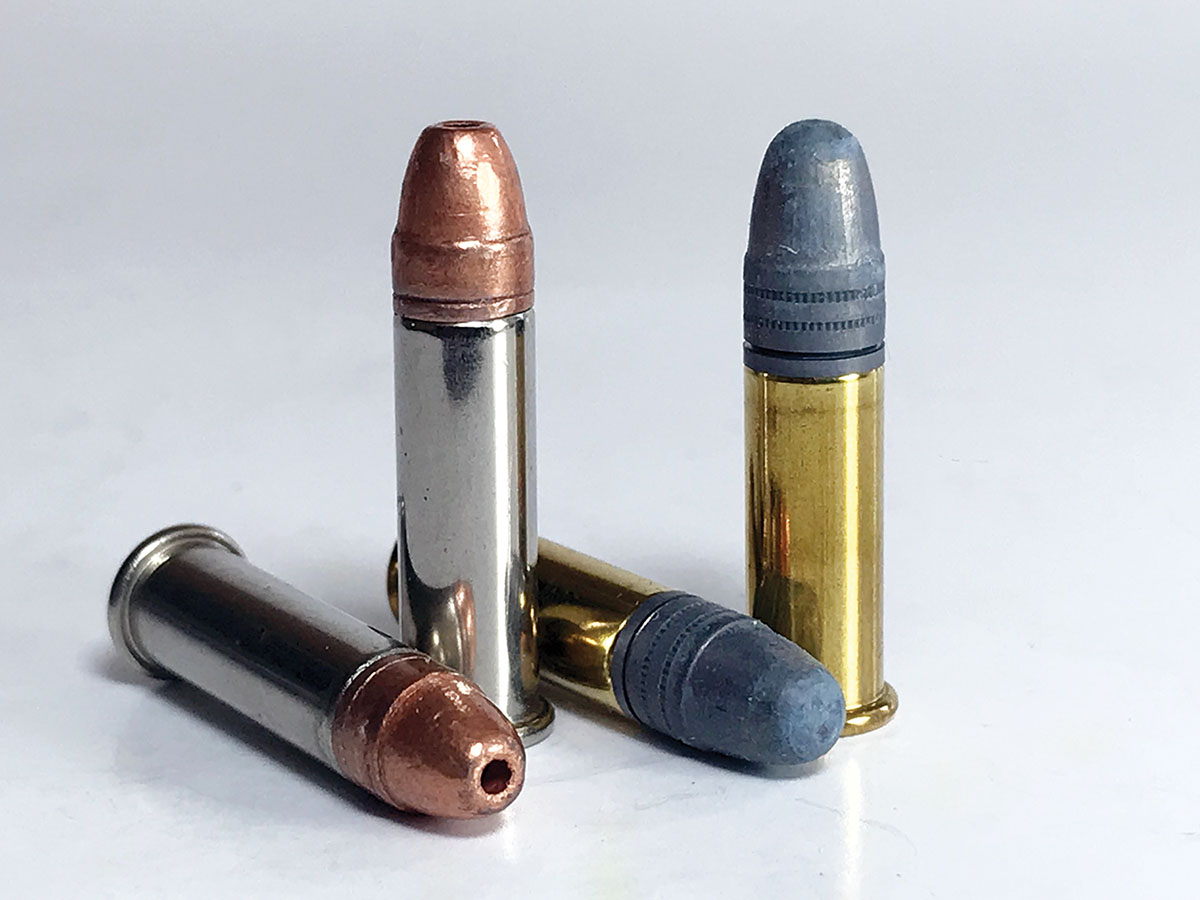
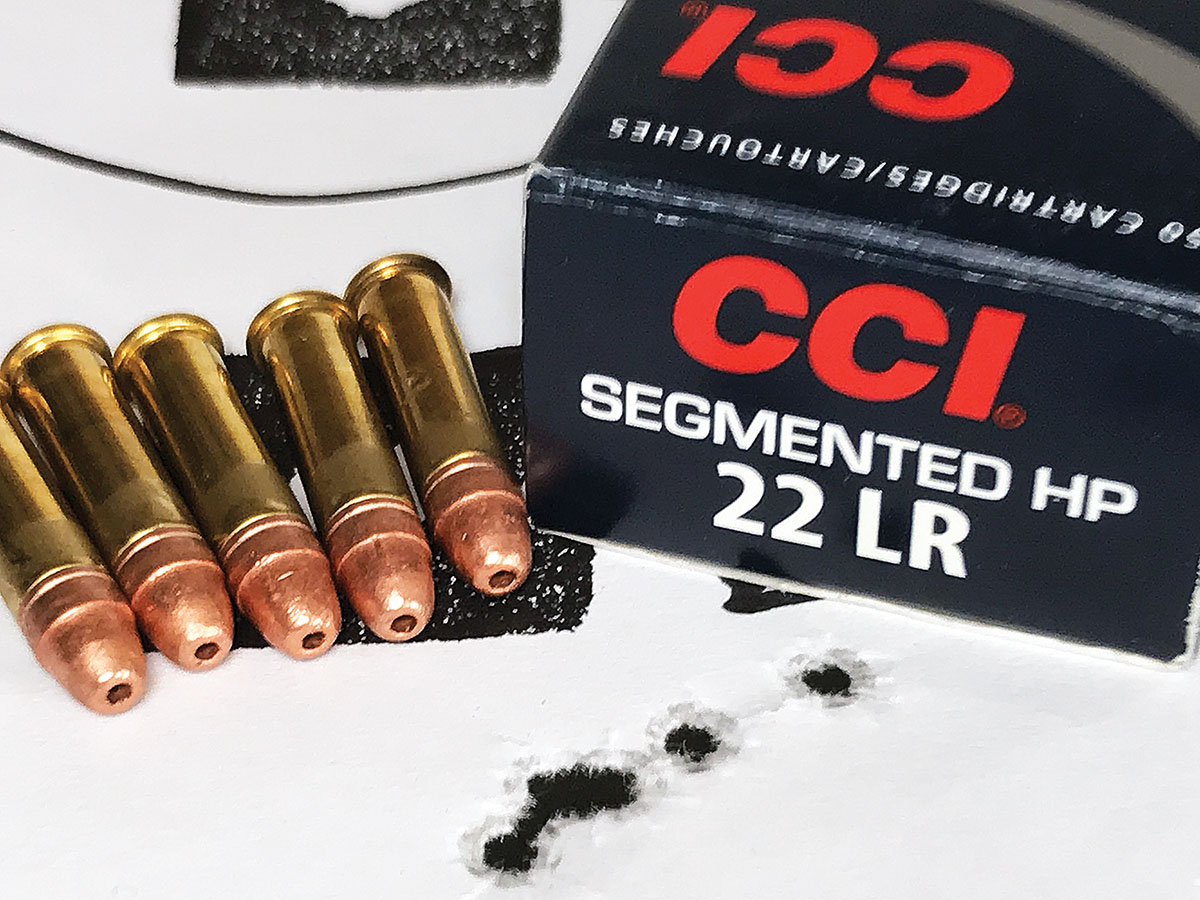
Winchester’s Varmint High Energy loads fired a 37-grain HP bullet at 1,400 fps that also splits into three pieces. For those shooting in lead-free zones, Winchester’s Varmint Lead Free load fires a 26-grain tin HP bullet at 1,650 fps. CCI put some weight into its Velocitor 22 LR that uses a standard LR case and fires a 40-grain bullet at a stated muzzle velocity of 1,435 fps. Aguila’s Super Maximum, shooting a 30-grain HP bullet at 1,700 fps and Winchester’s Varmint lead-free 26-grain Tin HP at 1,710 fps are the current kings of speed.
These hyper-velocity loads provided somewhat to substantially higher velocities than regular high velocity LR ammunition shot from rifles. That increased velocity resulted mainly from bullets weighing three to five grains less than regular hollowpoint Long Rifle loads. The higher price and somewhat reduced accuracy of these fast LR cartridges, compared to regular LR loads, pretty much relegates them to small-game hunting. That’s just fine, because the slightly flatter trajectory and powerful bullet expansion of these loads are just what’s needed for hunting small game like prairie dogs and ground squirrels (gophers) and even larger marmots.
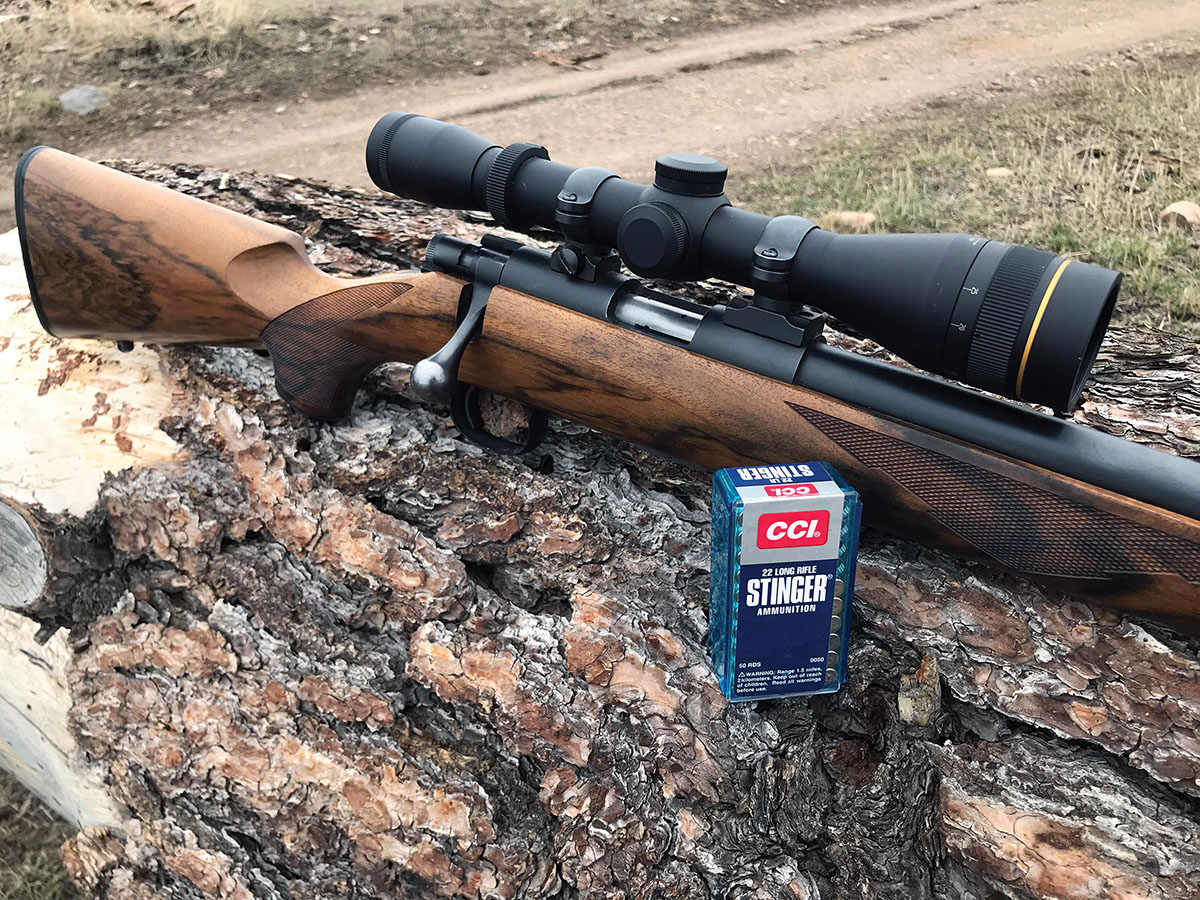
One afternoon this past spring, clouds sailed past against a blue sky like sailboats on a tranquil ocean. My Cooper 22 was loaded with Stingers, and my pockets with a couple boxes of Stingers and Super Maximum shells. Both loads hit close to the same place at 50 yards and I alternated shooting them. Gophers ran back and forth through the short grass and perched on mounds of dirt next to their burrows. Shots were close at first, and aiming right on out to 75 yards rolled the gophers. The little rodents quickly wised up and distances increased. Aiming at the top of a gopher standing upright resulted in a hit at 100 yards. The longest hit of the afternoon was 137 yards, which required aiming a gopher’s length over its head to compensate for drop. Wind started to pick up and making shots much over 75 yards required an ever-increasing aim into the wind. At the last, I made only about two hits for every five shots.
Federal Hyper Velocity, Remington Yellow Jacket and Viper loads use a standard-length LR case, resulting in much slower bullet velocity than Stingers. Hyper Velocity’s 31-grain bullet reached a respectable 1,452 fps from the Cooper and 1,408 fps from the 19-inch Volquartsen match barrel on a Ruger 10/22. The Cooper fired Yellow Jackets at 1,402 fps and Vipers at 1,302 fps while the 10/22 shot Yellow Jackets at 1,404 fps and Vipers at 1,312 fps.
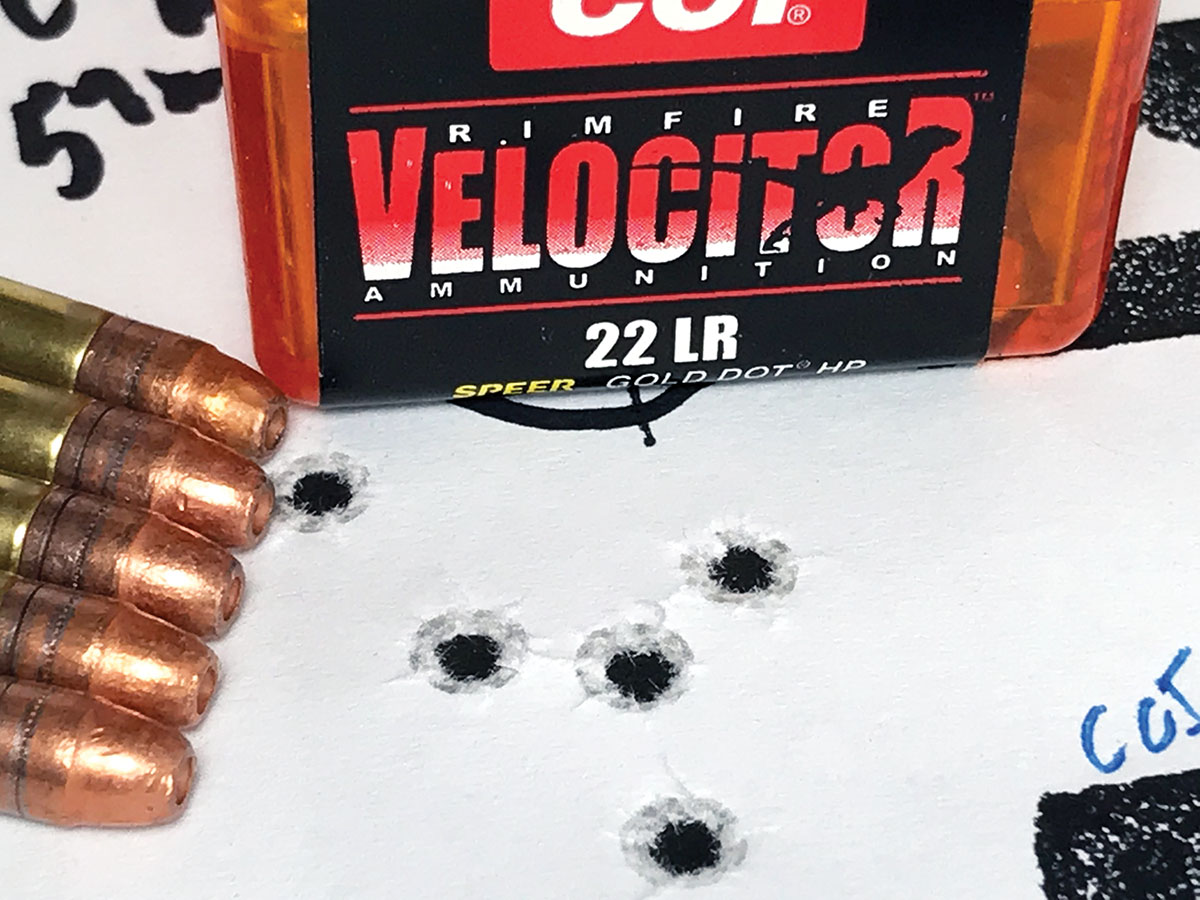
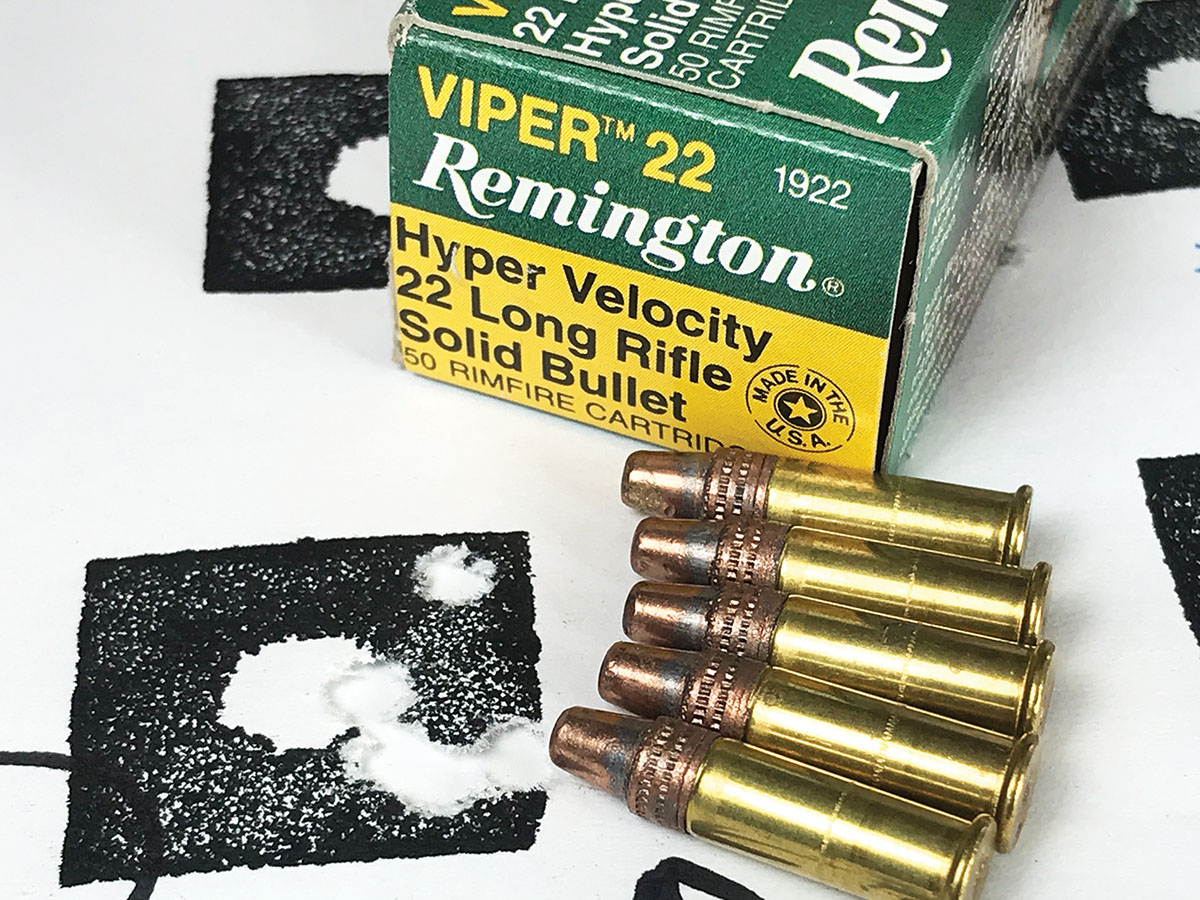
Stepping up in bullet weight, 40-grain CCI Velocitor and Winchester Power-Point bullets and 37-grain Winchester Varmint High Energy bullets provide a slight increase in bullet energy and hold onto more of that energy than standard high-velocity bullets. According to factory ballistics, the Velocitor’s 40-grain bullet carries 135 foot-pounds of energy at 50 yards compared to the 96 foot-pounds of energy generated by CCI Mini Mag 36-grain bullets at that distance. Velocitor trajectory is also about half an inch flatter at 75 yards and an inch at 100 yards than the Mini Mag bullet.
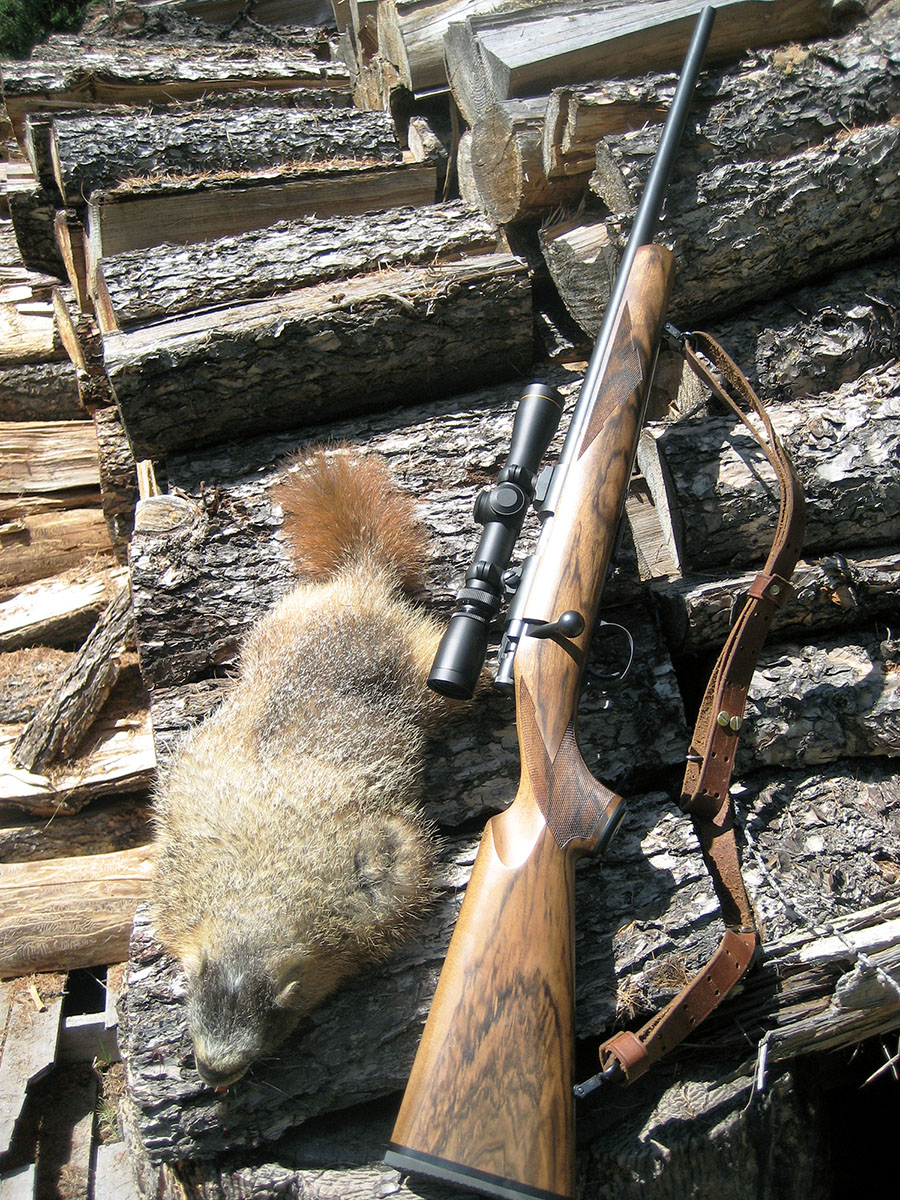
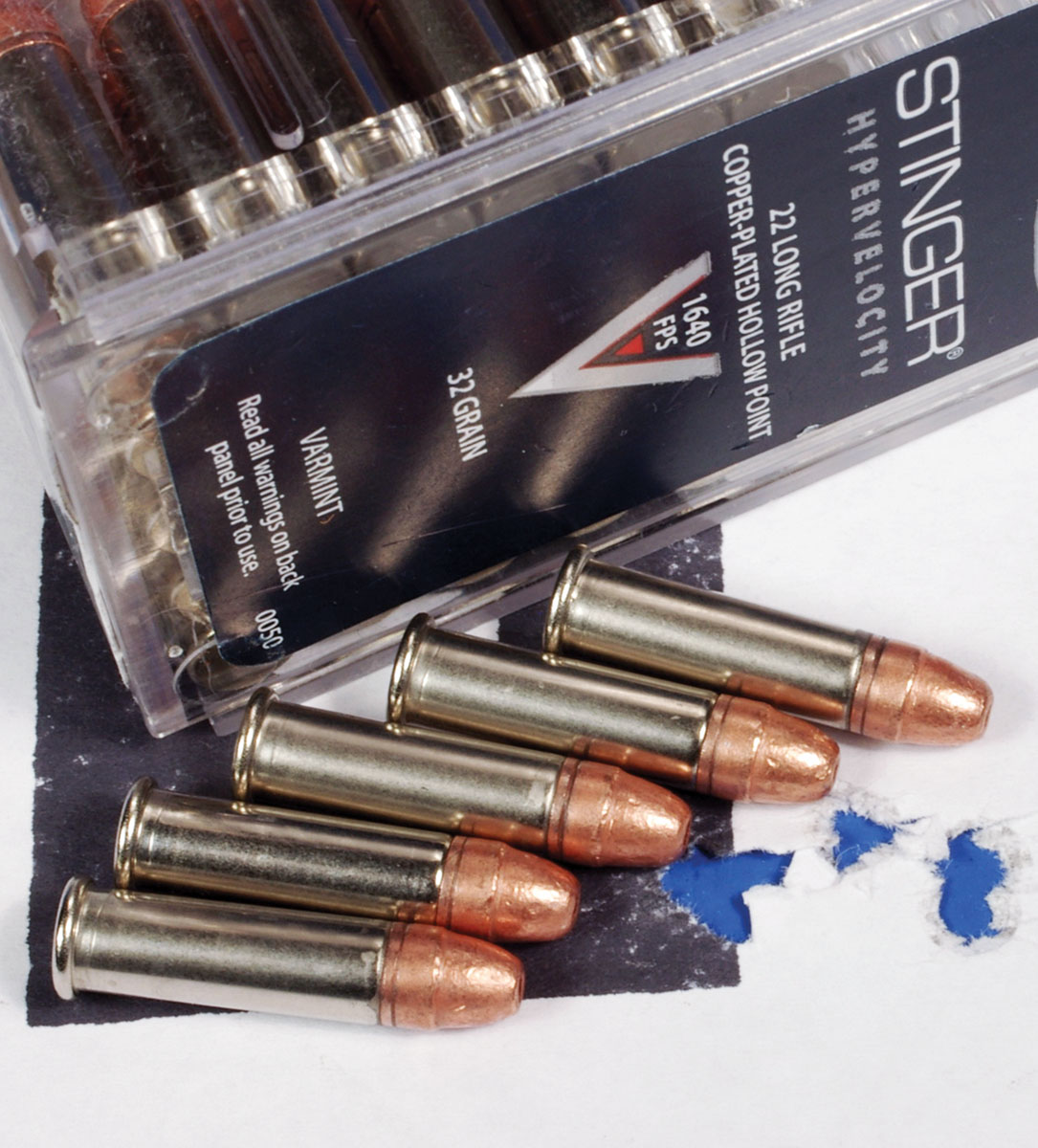
When I head into the hills to a fishing creek, I always bring along a rifle and a couple boxes of Power-Points or Velocitors. Fishing’s fine, but after a time, chirps from yellow-bellied marmots divert my attention and I miss fish rising to my fly. Exchanging my flyrod for a rifle is the only remedy for my inattention. The Velocitor bullet has a hollow point formed after the copper jacket has been applied and the flutes cut in its core and jacket ensure expansion. A solid hit with one of the 40-grain hollowpoints knocks marmots right off their perch.
Over the decades, 22 LR rifles have been made in hundreds of models by dozens of manufacturers. The resulting numerous types of chamber lead angles and rifling in those 22 rifles make it impossible that one 22 load shoots accurately in all rifles. For instance, Winchester Power-Points averaged .67 inch for two, five-shot groups shot from the Cooper Model 57M, but averaged 1.60 inches shot from the Volquartsen match barrel on the Ruger 10/22. The Volquartsen barrel, though, more than held its own when shooting other loads.
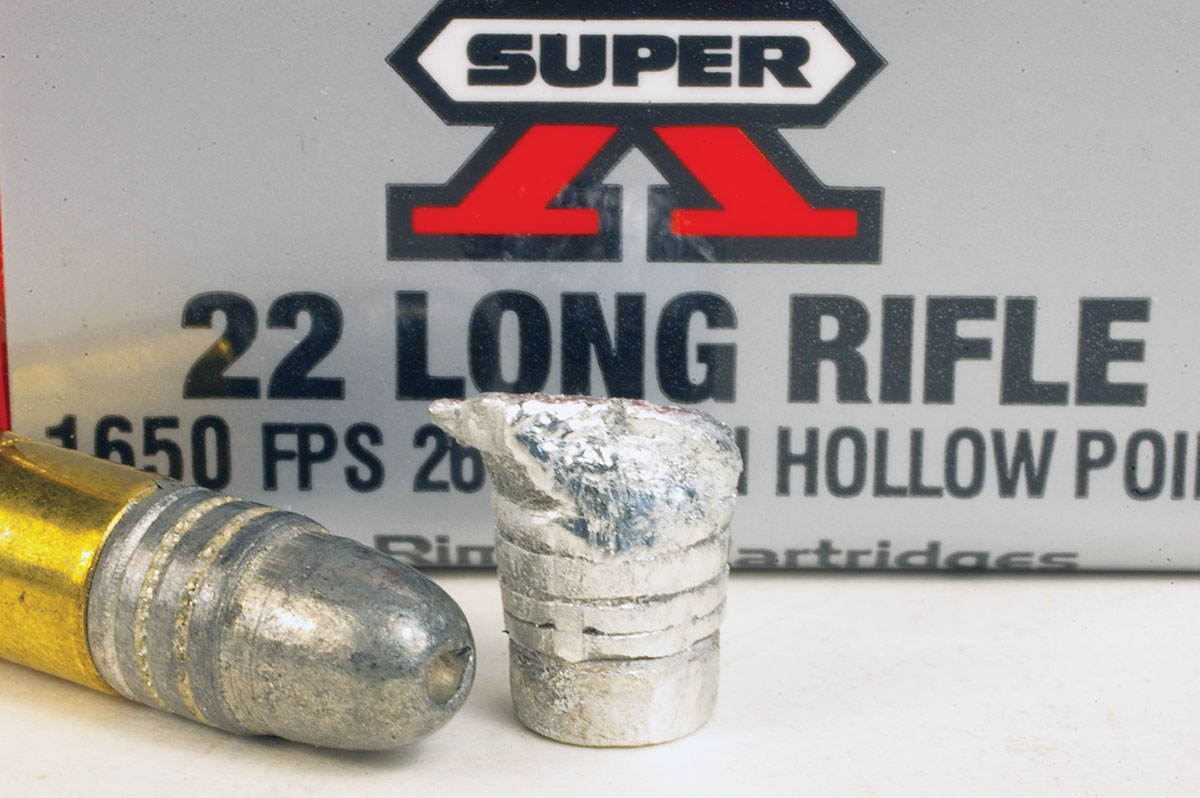
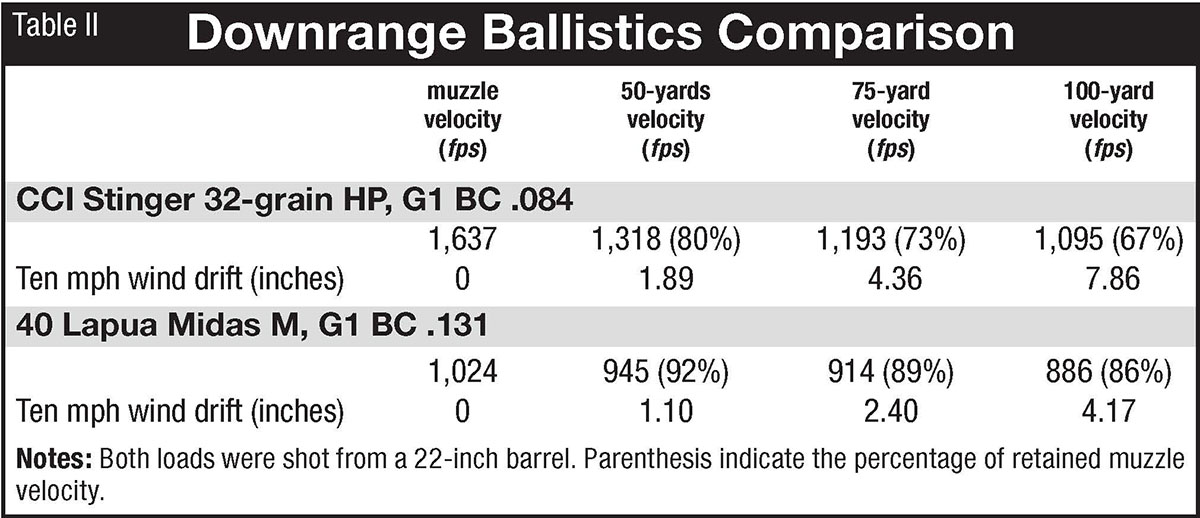
You would think a hyper-velocity 22 LR bullet would drift much less in the wind than a bullet that starts out several hundred feet per second slower because a fast bullet has a shorter time of flight, and thus wind has less time to push it off course. But that is not the case. Even though a subsonic 22 bullet starts out several hundred feet per second slower than a high velocity 22 bullet, the subsonic bullet drifts less in the wind. At subsonic speeds, the flow of air is detached from a bullet and more easily moves away from the bullet and does not detain the bullet as much. That lower resistance gives a bullet a slightly higher ballistic coefficient compared to when it’s going through the increased drag at or near the speed of sound, or the transonic zone.
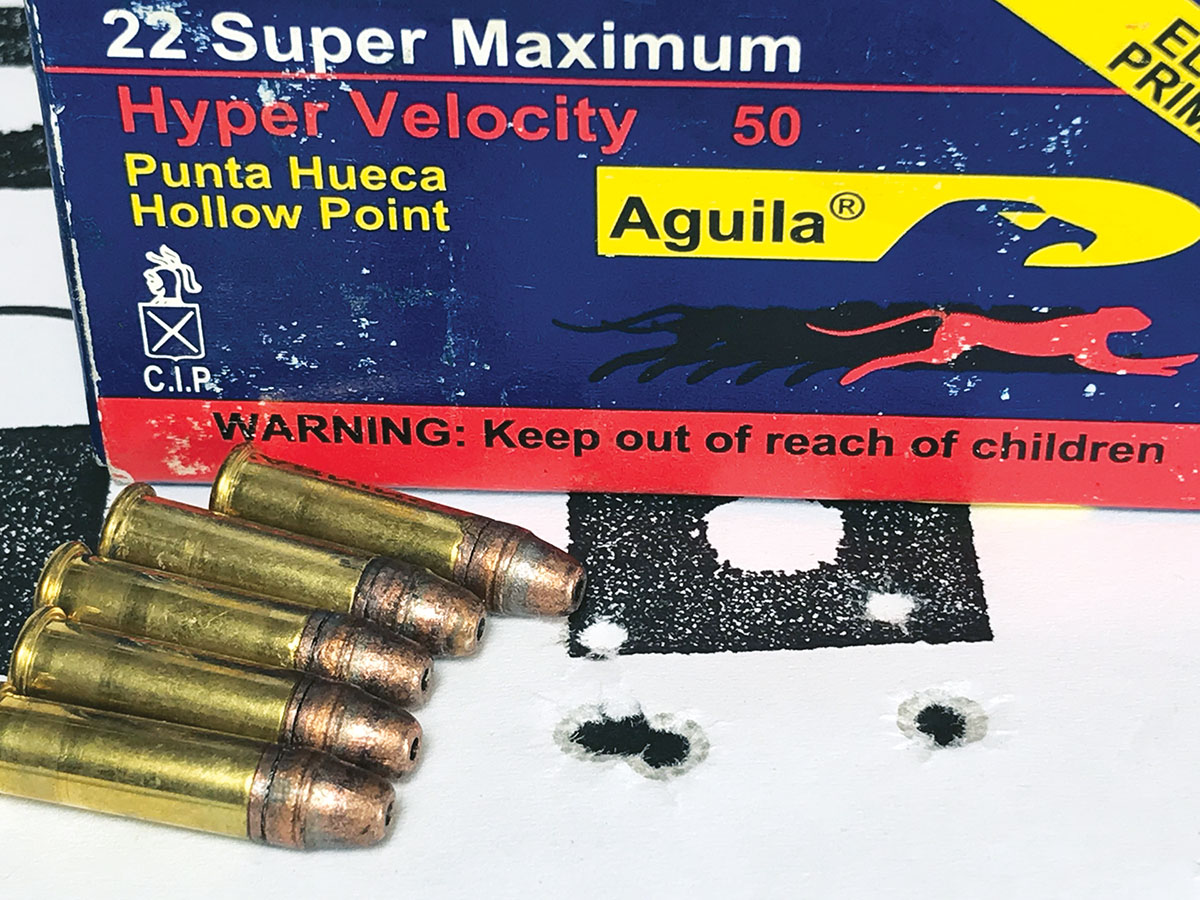
When a bullet goes through the transonic zone, an increased amount of energy is required to push the shock waves. When the bullet flies through the transonic zone, air compresses ahead of it and shock waves form up at different places on the bullet and cause some loss of velocity and degrade the bullet’s ballistic coefficient.
According to Robert Rinker’s book Understanding Firearm Ballistics, wind deflection of 22 Long Rifle bullets is “not controlled by time of flight but by the loss of velocity during time of flight. During the transition velocity range above the speed of sound, the drag increases disproportionately higher than the velocity increases. In other words, if the velocity is increased by a small amount, the drag increases by a large amount. This situation is unique to this velocity range (of 1,000 to 1,350 fps.),” Rinker stated.
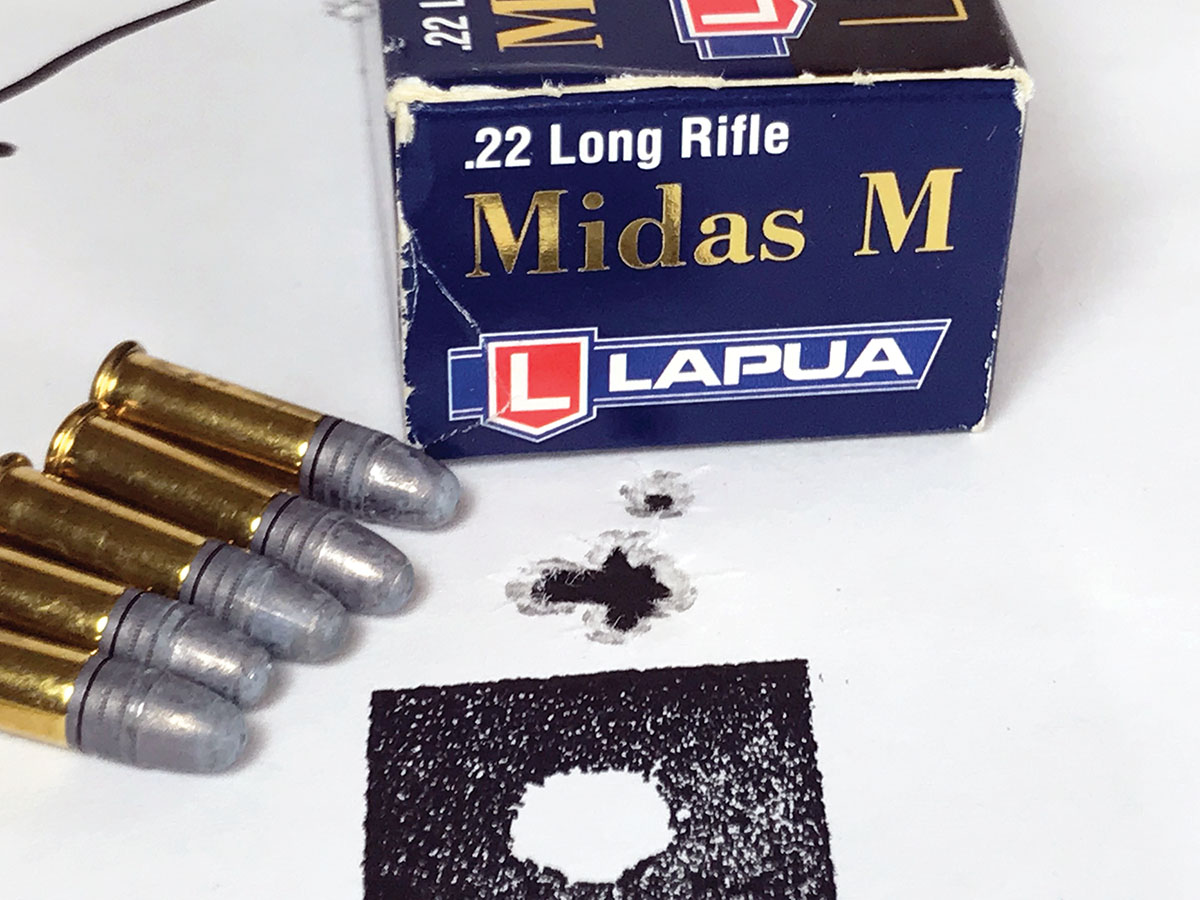
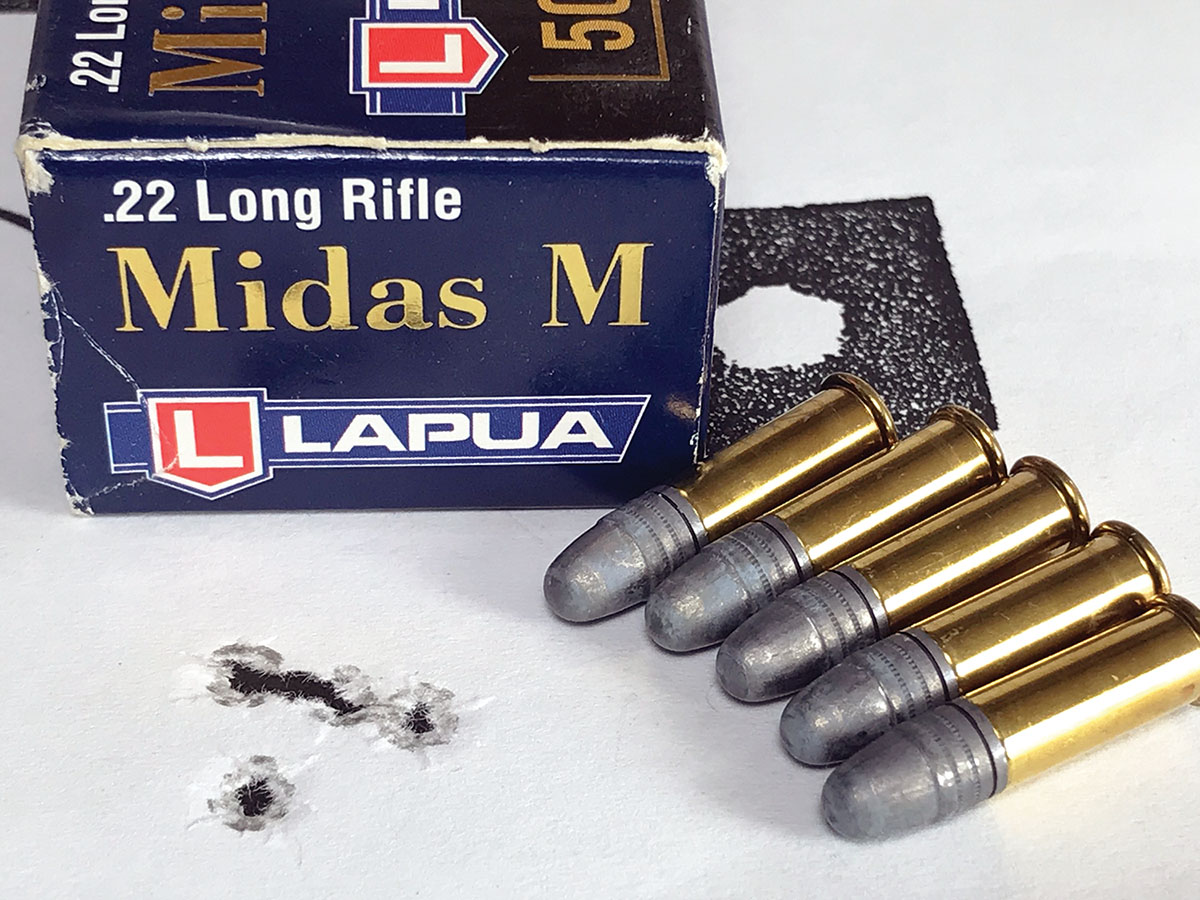
An example of what Rinker wrote is the accompanying Table II comparing CCI Stinger 32-grain bullets with a muzzle velocity of 1,637 fps to Lapua Midas M 40-grain bullets fired at 1,024 fps, both from the 22-inch barrel of the Cooper Model 57M. The numbers in parentheses show the percentage of retained muzzle velocity at the different distances.
If you’ll excuse me now, all the chores around the house are finished, the truck is loaded with camping gear, a 22 rifle and plenty of high velocity Long Rifle cartridges and even a flyrod. An appointment awaits up in the hills at a stream tumbling over rocks and into deep pools where trout dart out from the shadows, and marmots whistle from the rock walls above.