Rifle Talk
Remington's Model 722 and 222 Cartridge
column By: Lee J. Hoots | April, 22
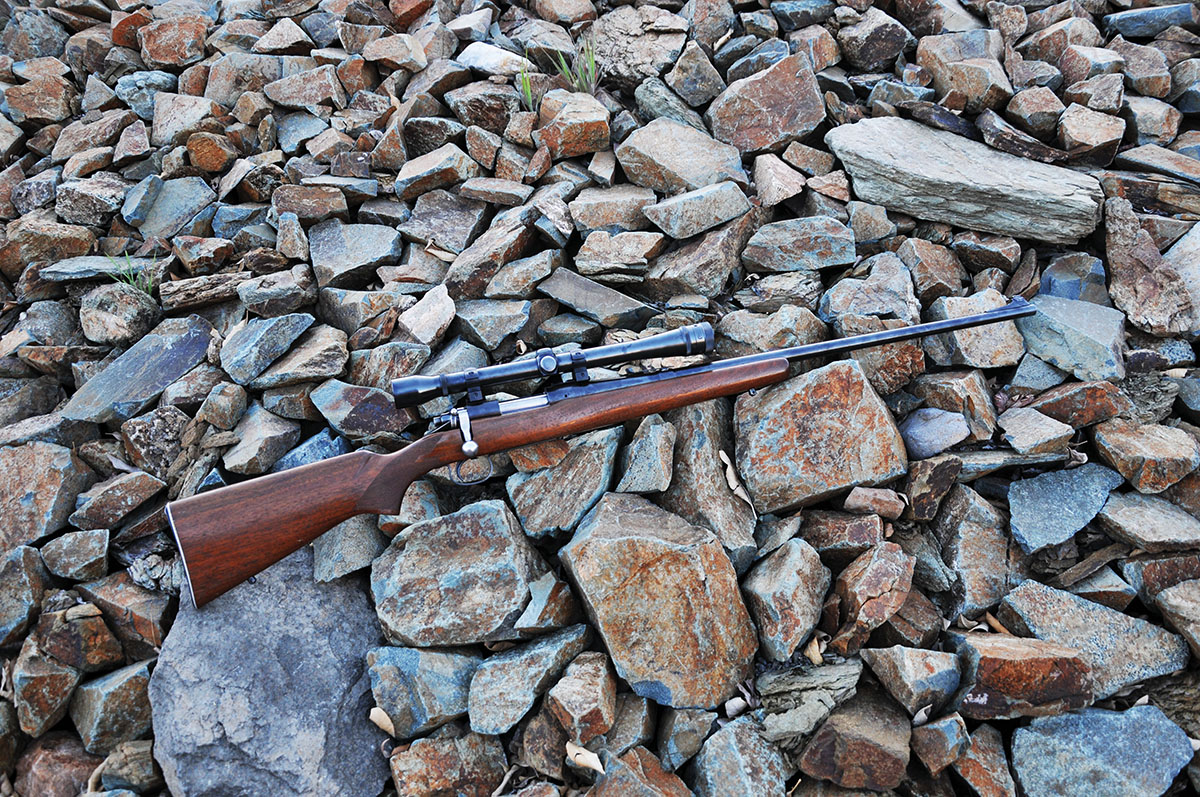
The classic bolt-action rifle and its cartridge discussed here is one of the first mass-produced “rodent rifles” that truly made varmint shooters, who in the past, had to purchase expensive custom rifles, turn their heads in wonderment as to how a less costly rifle could shoot with such amazing accuracy. After World War II, when riflemen began returning to varmint shooting and formal benchrest competition, Remington engineer Mike Walker began drawing up a new line of bolt rifles that would change the way the firm would operate until the well-known Model 700 rifle appeared in 1962.
The Remington Model 722, produced from 1948 through 1961, is such a rifle. It was chambered in 222 Remington (“triple deuce”) in 1950. It is a cartridge that remains well-known for its minimal recoil and great accuracy and was often used to win bench shooting competitions during its many years of wide popularity. These days, however, the same cartridge is generally relegated to thinning out varmints and various pests on pastures and rocky hills where they dig up the landscape.
Some time ago, after foolishly selling a more recently produced model 700 222 Remington rifle, I began to search for an older version. It took some years to find a replacement, which ended up being a Remington Model 722 with a 27-inch sporter barrel topped off with an equally vintage Weaver K10 (A) scope, with its adjustable objective lens set for 100 yards. I considered pulling the scope off and replacing it with a new one, but eventually decided to keep the rifle in its original configuration.
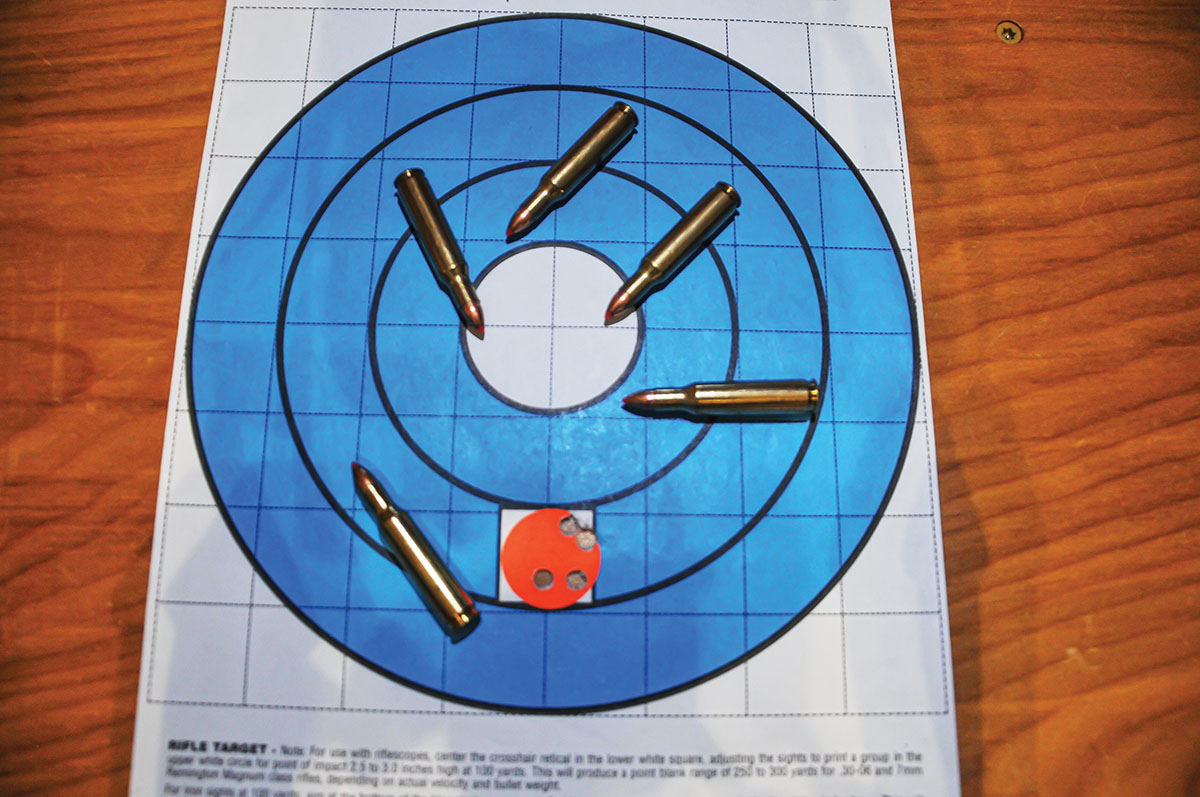
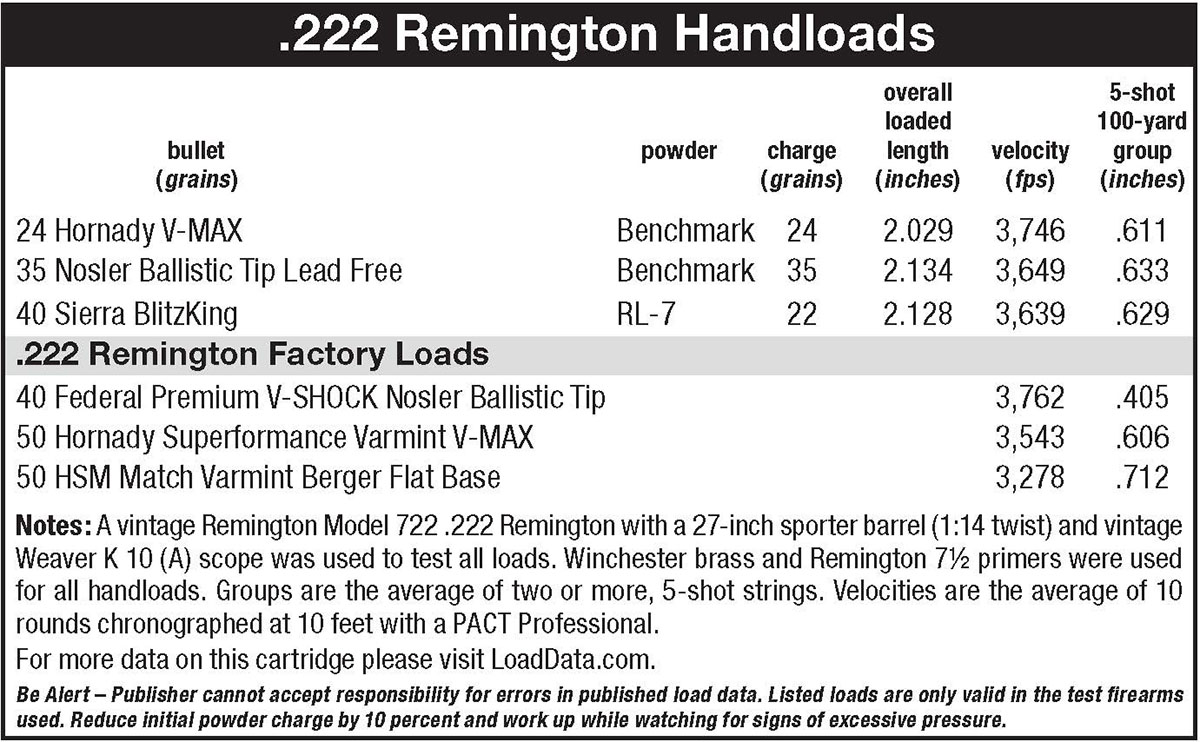
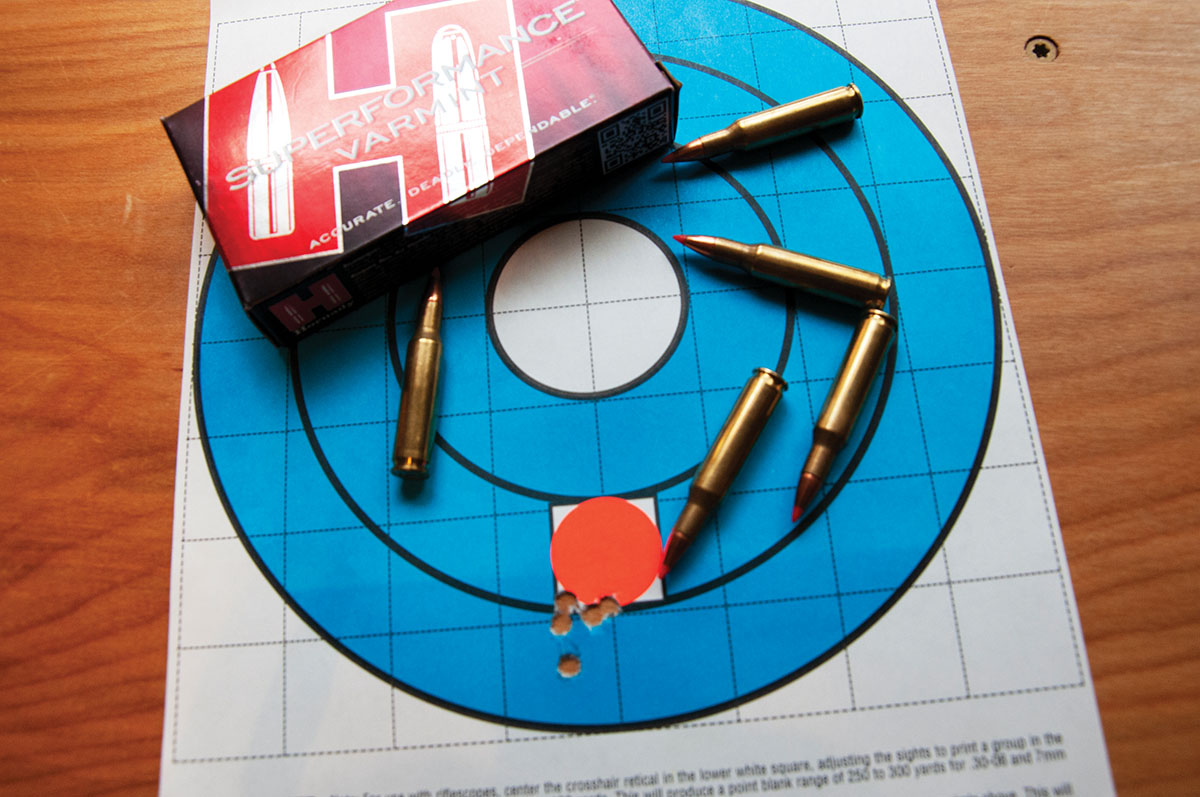
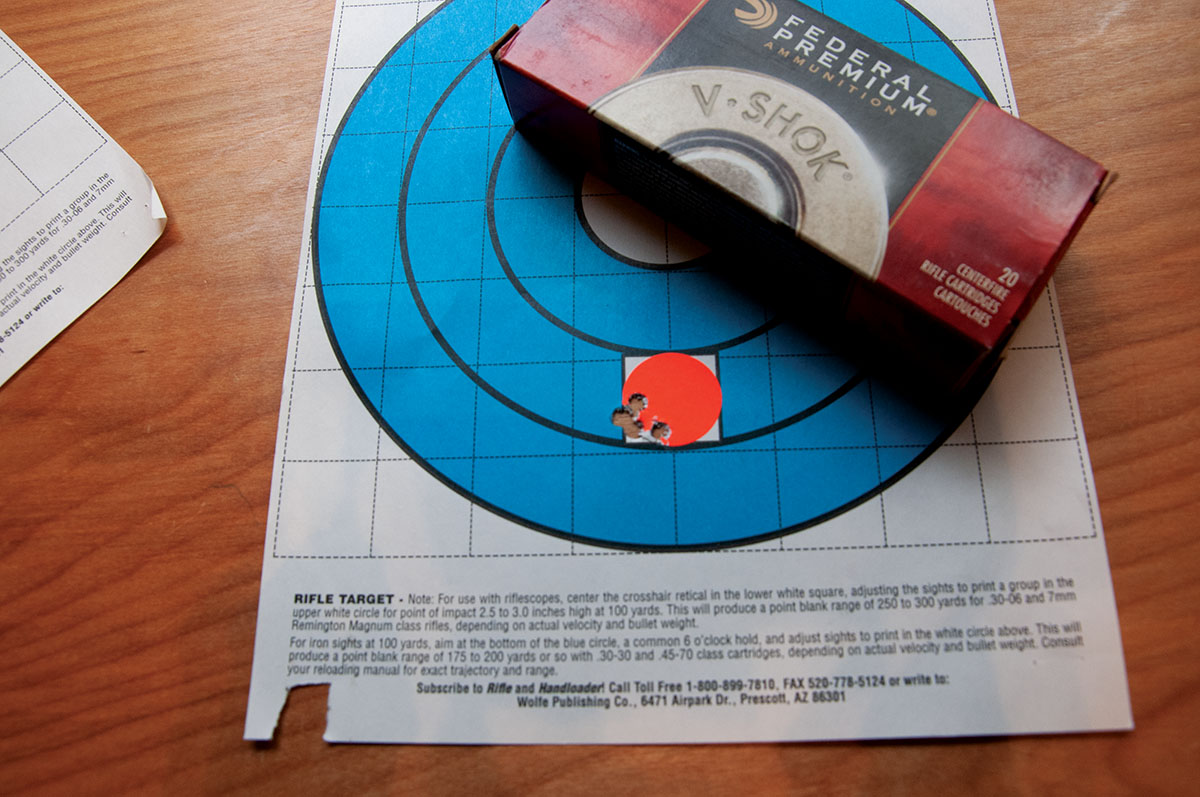
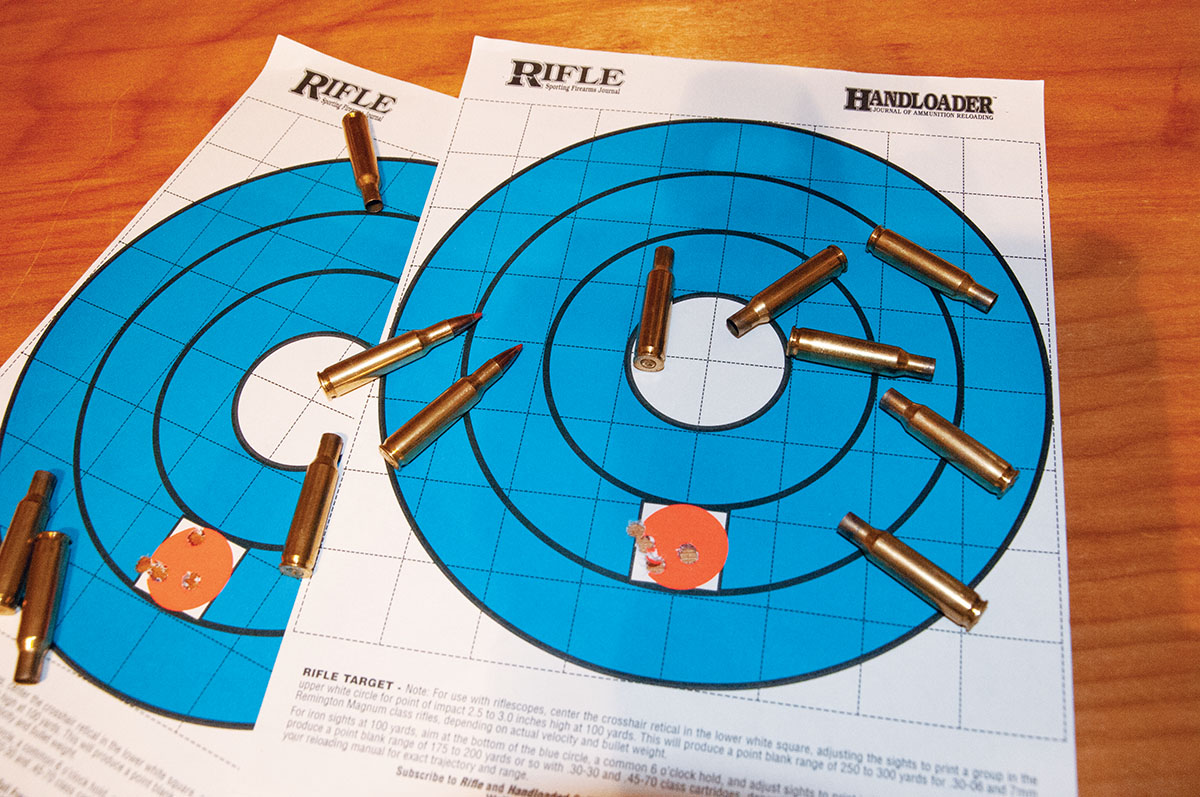
While recently shooting the rifle with a mix of newer factory ammunition that included Hunting Shack Munition (HSM) Varmint Gold, Federal Premium V-Shock and Hornady Superformance Varmint, along with a few handloads as noted in the accompanying table, I was reminded how well such an old rifle could perform at 100 yards. The rifle, however, requires a thoroughly clean barrel to provide its best groups, and the old Weaver K10 (A) scope may have a small parallax issue, but not enough to hinder reasonable groups. Nor would the rig, as it stands, be a poor choice for picking off those pesky rodents, “usable range” or not. At this point, there is no real need to modify the classic gun.
The listed 222 Remington handloads in the accompanying table were first put together for a Thompson/Center pistol four or five years ago and produced decent groups at the time. These same loads were used due to a looming deadline, a lack of “newer” .224-inch bullets with enhanced ballistic coefficients and a dwindling stash of powders. After shooting the factory loads, which in general, produced smaller groups, it’s clear that more experimentation is needed to fine-tune the handloads and tighten up groups.
In the end, owning, handloading for and shooting a classic Remington Model 722, 222 Remington combination provides hours of enjoyment. It also provides a distant connection to those shooters who could finally purchase a Remington varmint gun for a then-reasonable price.