Rifle Talk
Remington Scoremaster 511
column By: Lee J. Hoots | October, 21
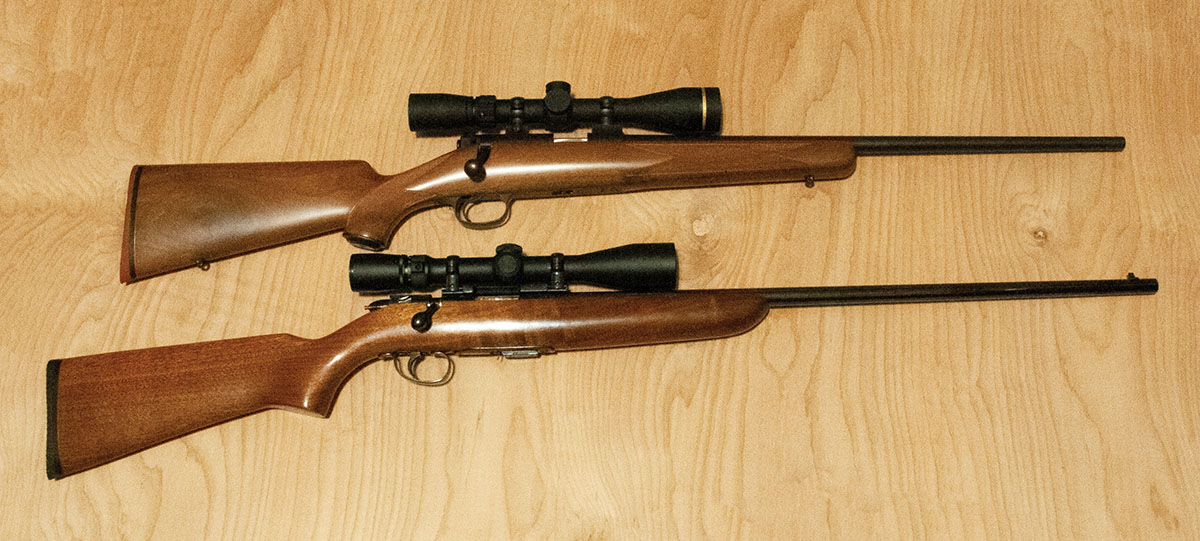
Regardless, I can only believe the great bulk of rimfire offerings in the U.S. at that time were solely used for plinking and hunting small, edible game – not to ignore keeping the henhouse unmolested by foxes and other carnivorous critters. The Stevens Model 84, the Winchester Models 69 and 52 Sporter and Mossberg Model 640K Chuckster are fine examples, and the list could go on and on…
Unfortunately, many of these classic rifles are now so rare, it’s nearly impossible to find one that’s in good shape. If and when one does come around, it may be missing parts that are even harder to find, or they are no longer available; or the rifle is so rust-damaged, there is no good reason in owning it. This is not to infer good, serviceable rifles cannot be found – just be prepared to layout a wad of cash when a desired rimfire shows up these days, especially if the bolt rifle is all original and in moderate to “darn new” condition. Even Remington’s semiauto Nylon 66 rimfire rifles from the 1960s now go for a pretty penny when in good condition.

Several months ago, I began a little research project on the internet, mostly just to see how high the cost of used rifles of all kinds have climbed in the last two years, especially bolt-action rimfires, in which I have had great interest since grade school, even though the only .22 I had to shoot back then was my father’s Ruger 10/22. Eventually, I ran across a Remington Scoremaster Model 511 up for auction. The seller did such a good job in explaining the rifle’s details and condition, I was nearly hooked. After doing further research, a bid was placed, though with little faith of winning. When the rifle showed up, it was in excellent condition, though it most likely had been refurbished to some degree.
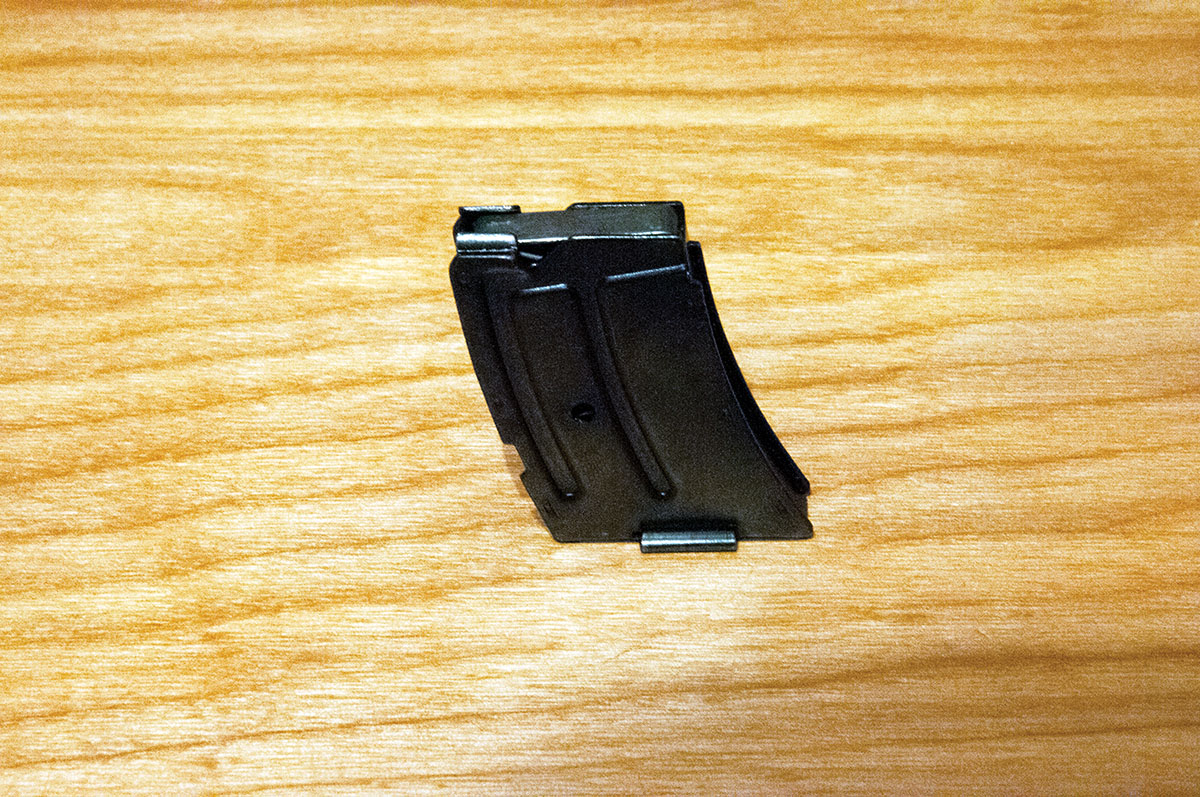
The auction rifle also came with an older Bushnell Banner fixed power 4x scope with a label on the front bell indicating the rifle was zeroed for Winchester PowerPoint loads (no grain weight) at 40 meters. It’s a fine, older scope, the likes of which are hard to find today, but it was switched out with a newer Weaver Classic 3-9x 38mm scope to test current loads at longer ranges if the rifle shot well enough. Plus, increased magnification would be helpful when shooting groups or the occasional rodent. The barrel’s dovetailed front sight is in good condition, but the rear sight is missing the elevator.
As the rifle is currently set up, it weighs a touch over 6 pounds, and the long, 25-inch barrel and walnut stock provide much of that heft. The two position safety slides smoothly fore and aft, plus it blocks trigger movement when in the rear (or “safe”) position. The cone-shaped cocking indicator protrudes about a half-inch and is complete with a red ring to denote the rifle is cocked. Trigger pull is 4 pounds with little take up. The Scoremaster will handle a trio of cartridges: 22 Short, 22 Long and 22 Long Rifle.
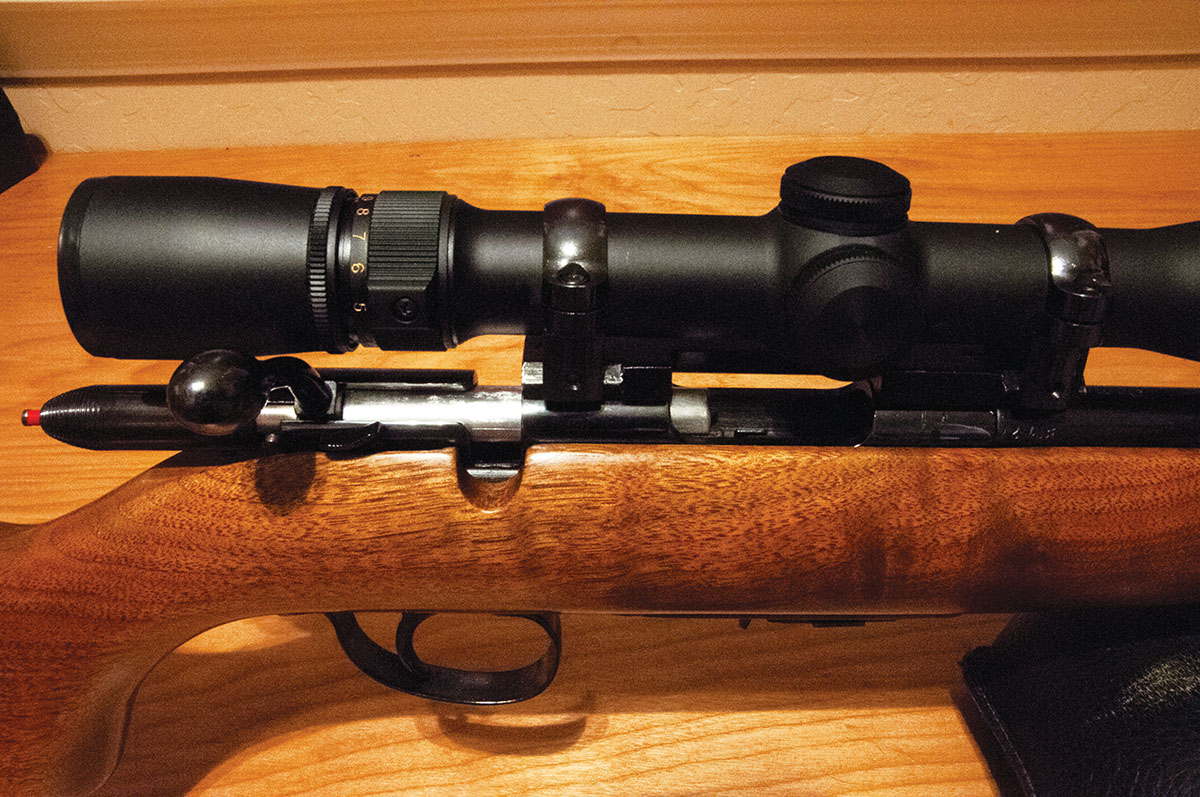
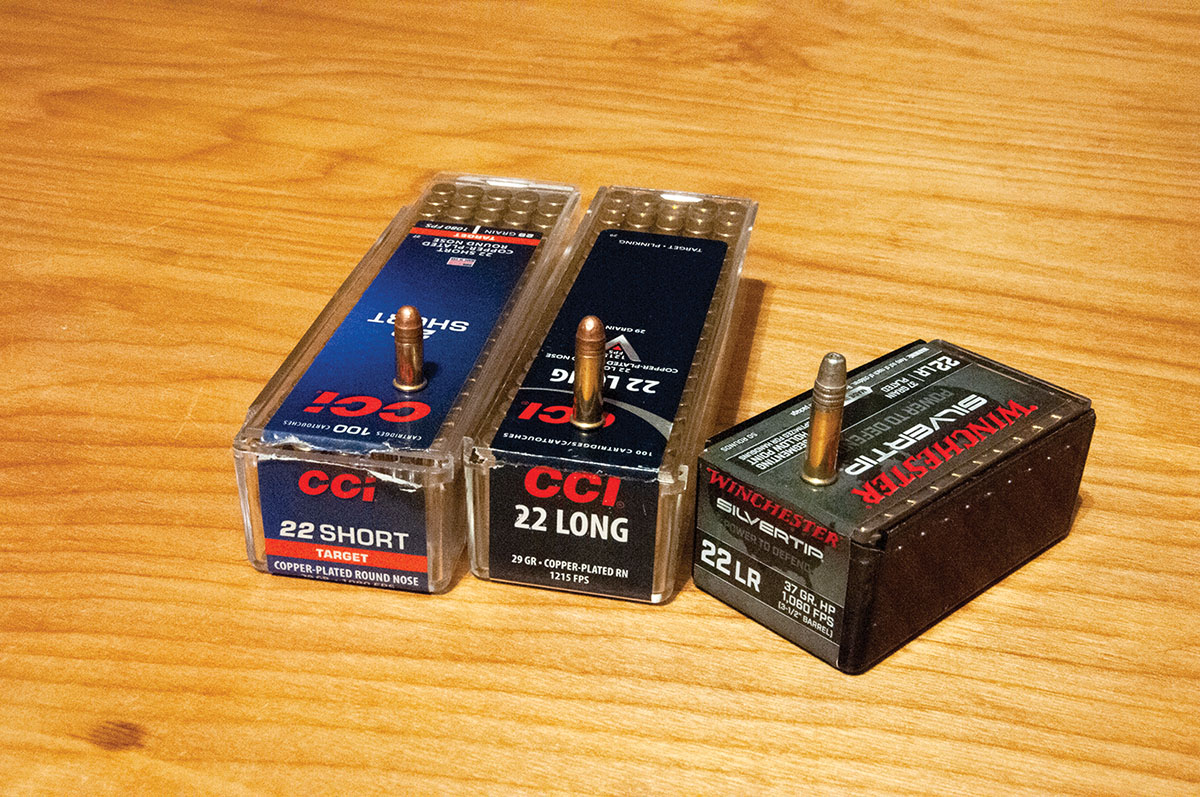
Given the fact that it handles all three loads – the first two are exceedingly difficult to find – I chose one load of each to test. This selection include CCI 22 Short Target copper-plated 29-grain roundnose loads with a stated velocity of 1,080 feet per second (fps). CCI’s 22 Long copper-plated 29-grain roundnose with a stated velocity of 1,215 fps was the second load. The third was Winchester’s Silvertip 37-grain Segmenting hollowpoints rated at 1,060 fps. All groups were shot at 50 yards from a bench.